Áo sơ mi chạy bộ
 Bộ mũi khoan
 taro
Bộ mũi khoét
Bộ mũi khoan
Bộ mũi khoan taro
Bộ mũi khoét
 Bộ mũi taro ren trong
 Bộ sửa ren
 Bôi trơn cắt ren
Cặp taro máy + mũi khoan
Bôi trơn cắt ren
Cặp taro máy + mũi khoan
 Dụng cụ bẻ chân ren
 Dưỡng đo ren ngoai
 Dưỡng đo ren trong
Mũi doa vát mép
Mũi khoan kim loại
Dưỡng đo ren trong
Mũi doa vát mép
Mũi khoan kim loại
 Mũi taro cho ren cấy
Mũi taro ren trong
Mũi taro cho ren cấy
Mũi taro ren trong
 Ren cấy V-coil
 Taro ren máy
Taro ren tay
Tay cấy ren
Tay quay bàn ren
Tay quay taro trong
Taro ren máy
Taro ren tay
Tay cấy ren
Tay quay bàn ren
Tay quay taro trong
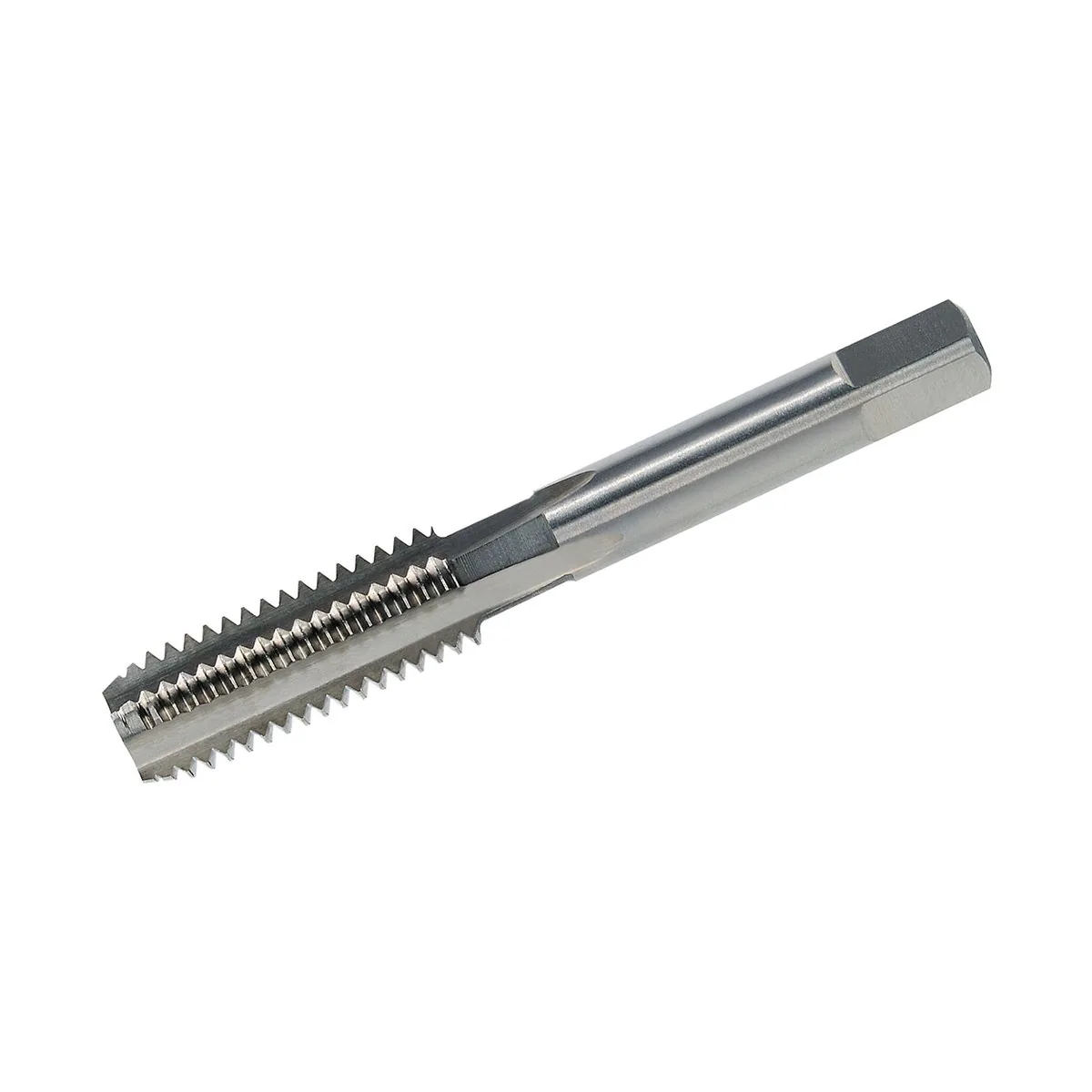

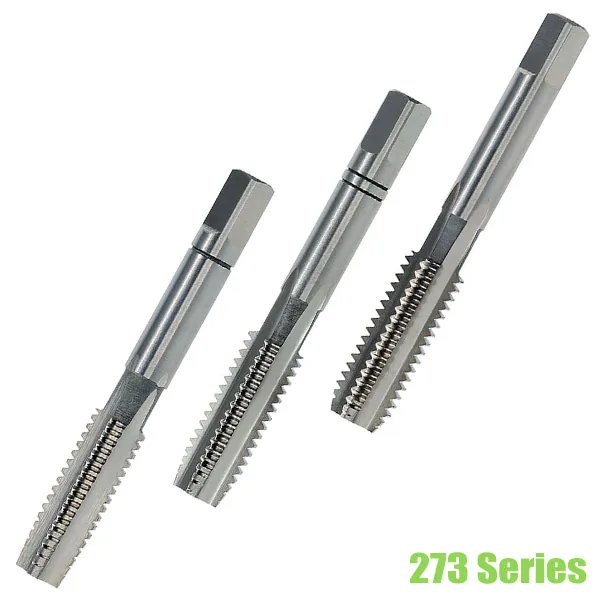
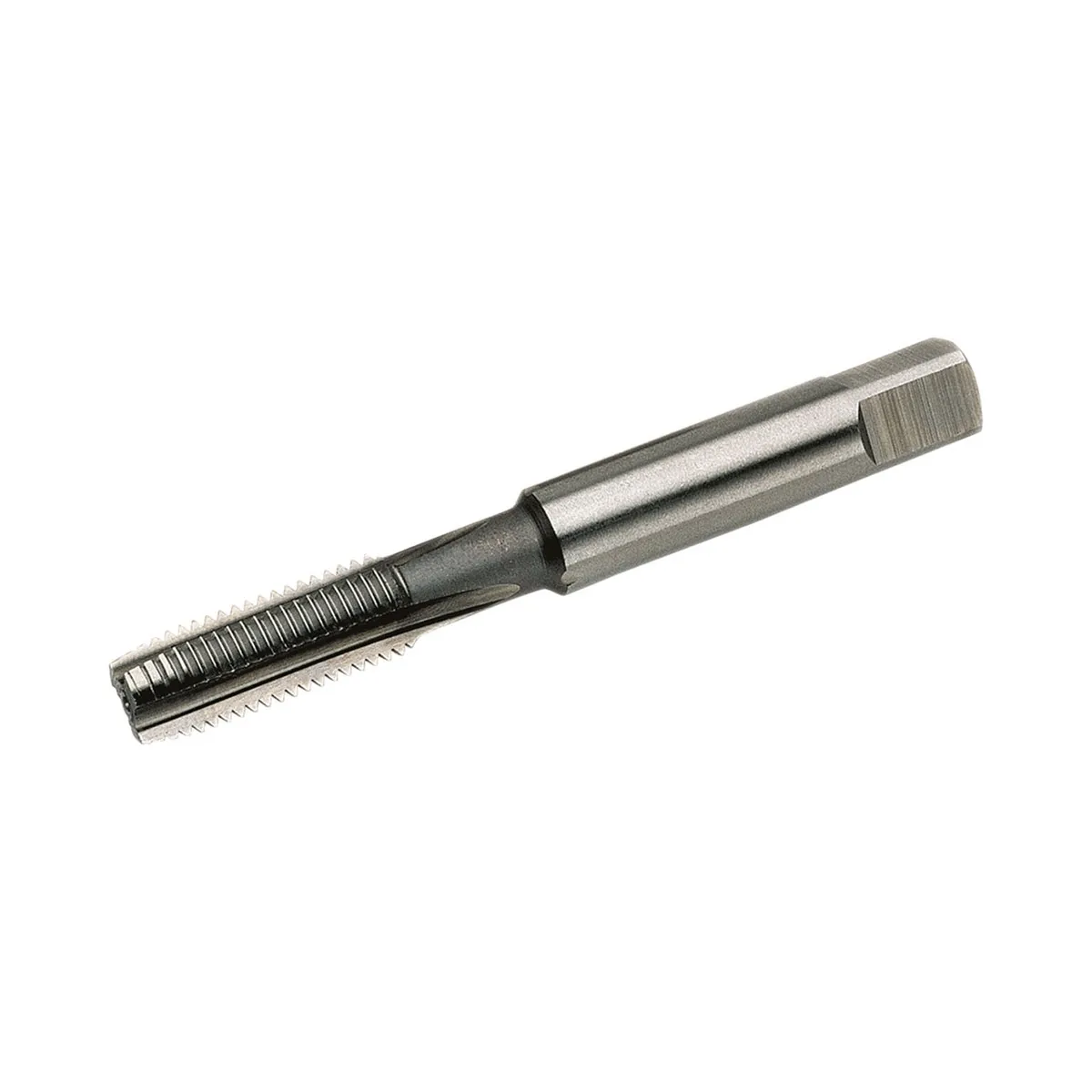
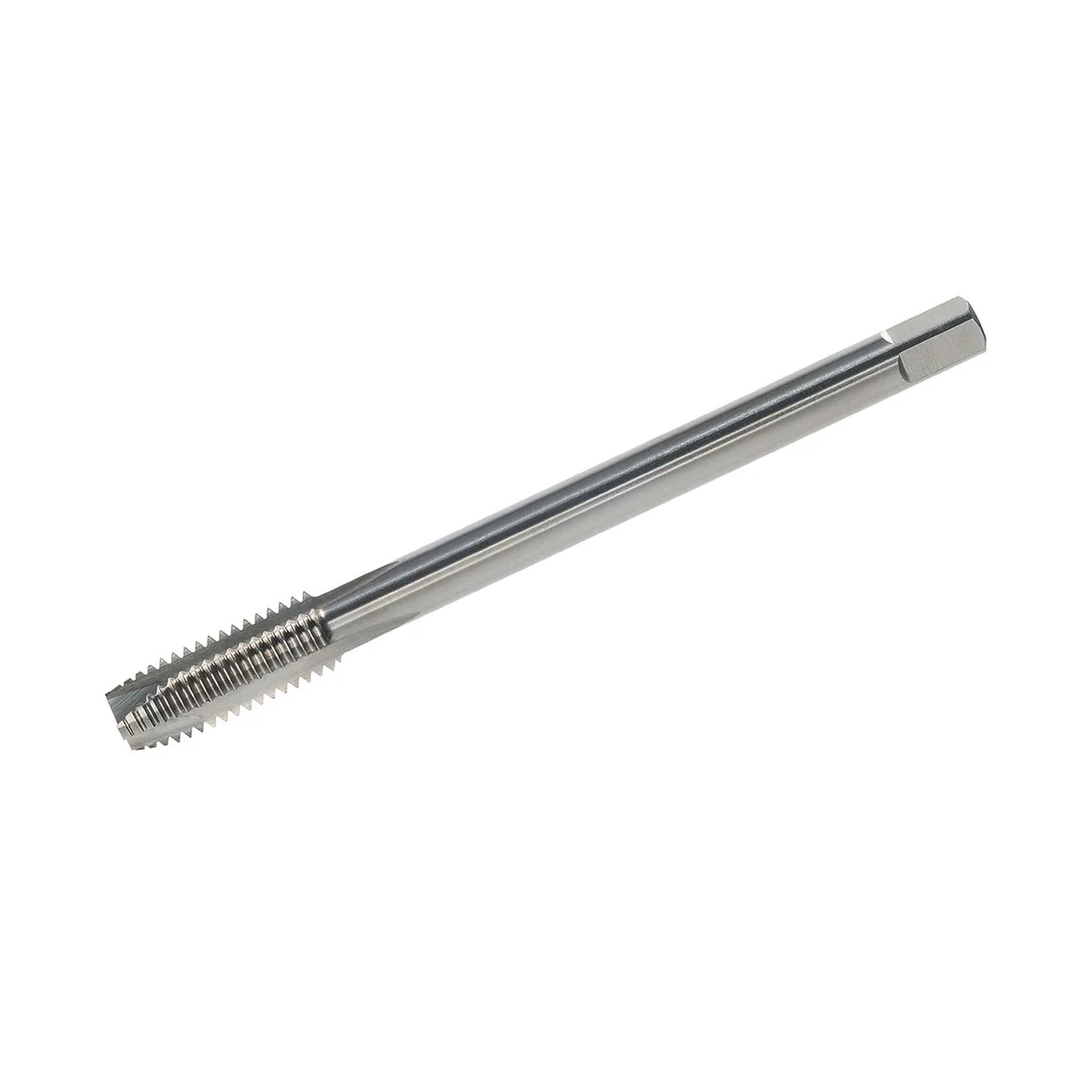
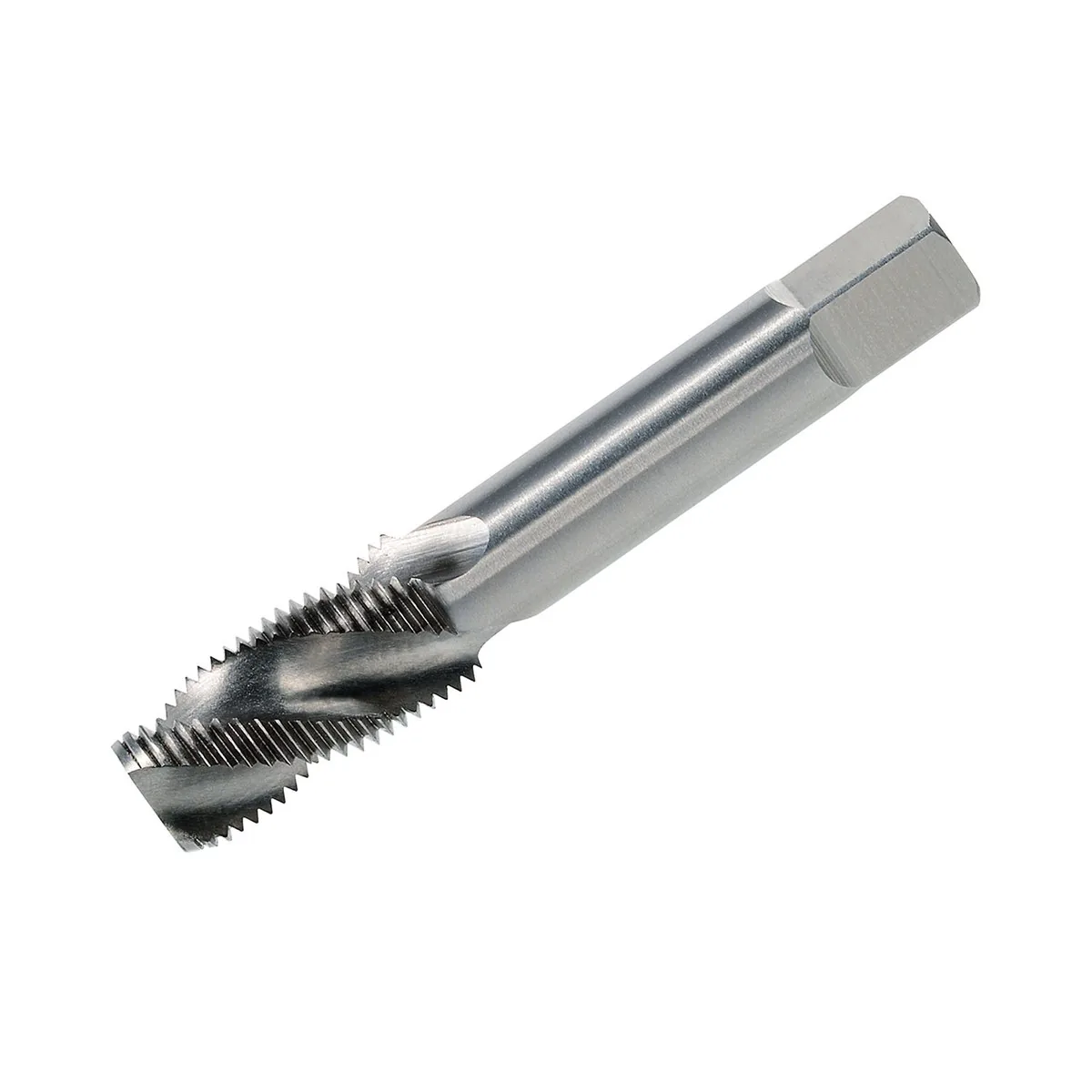
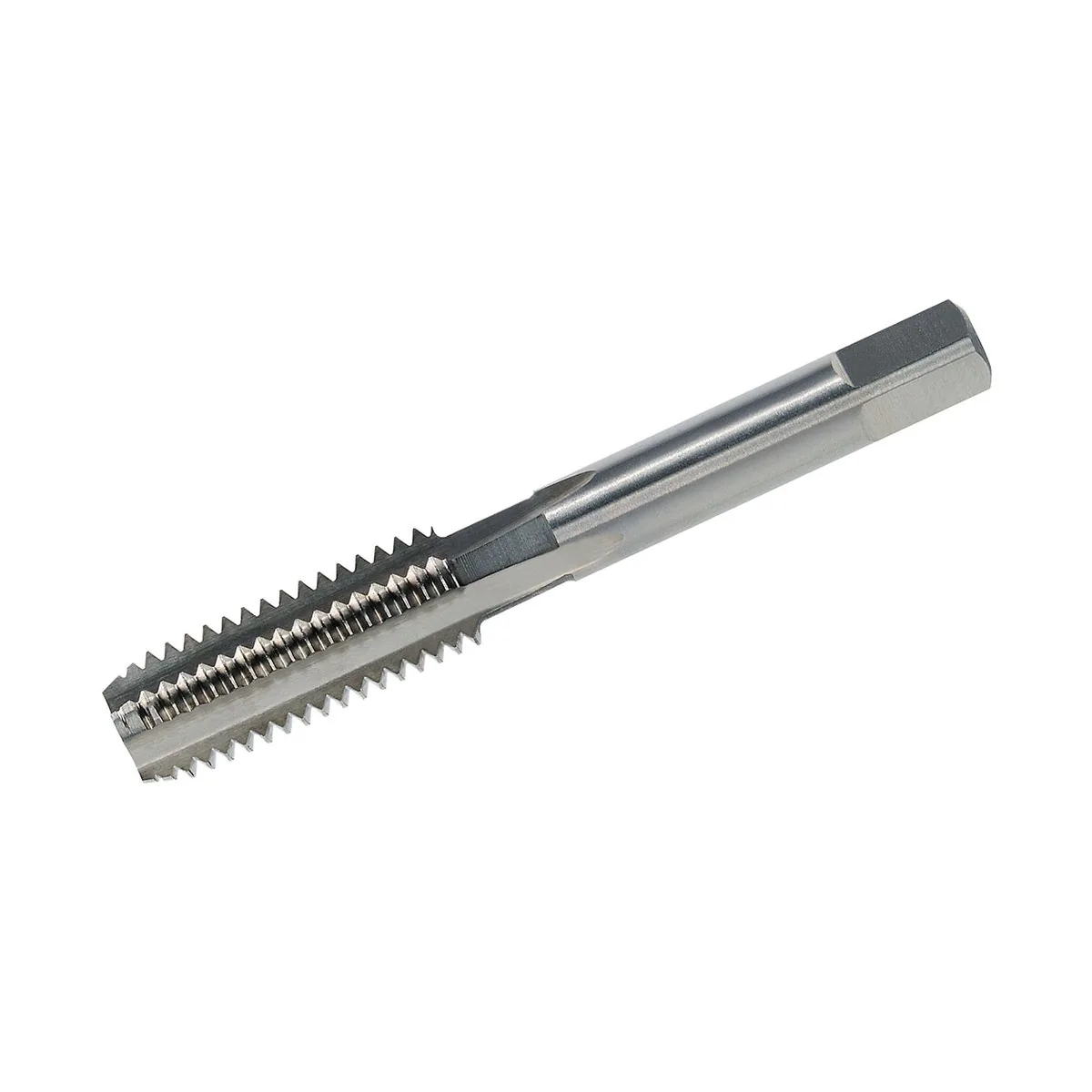
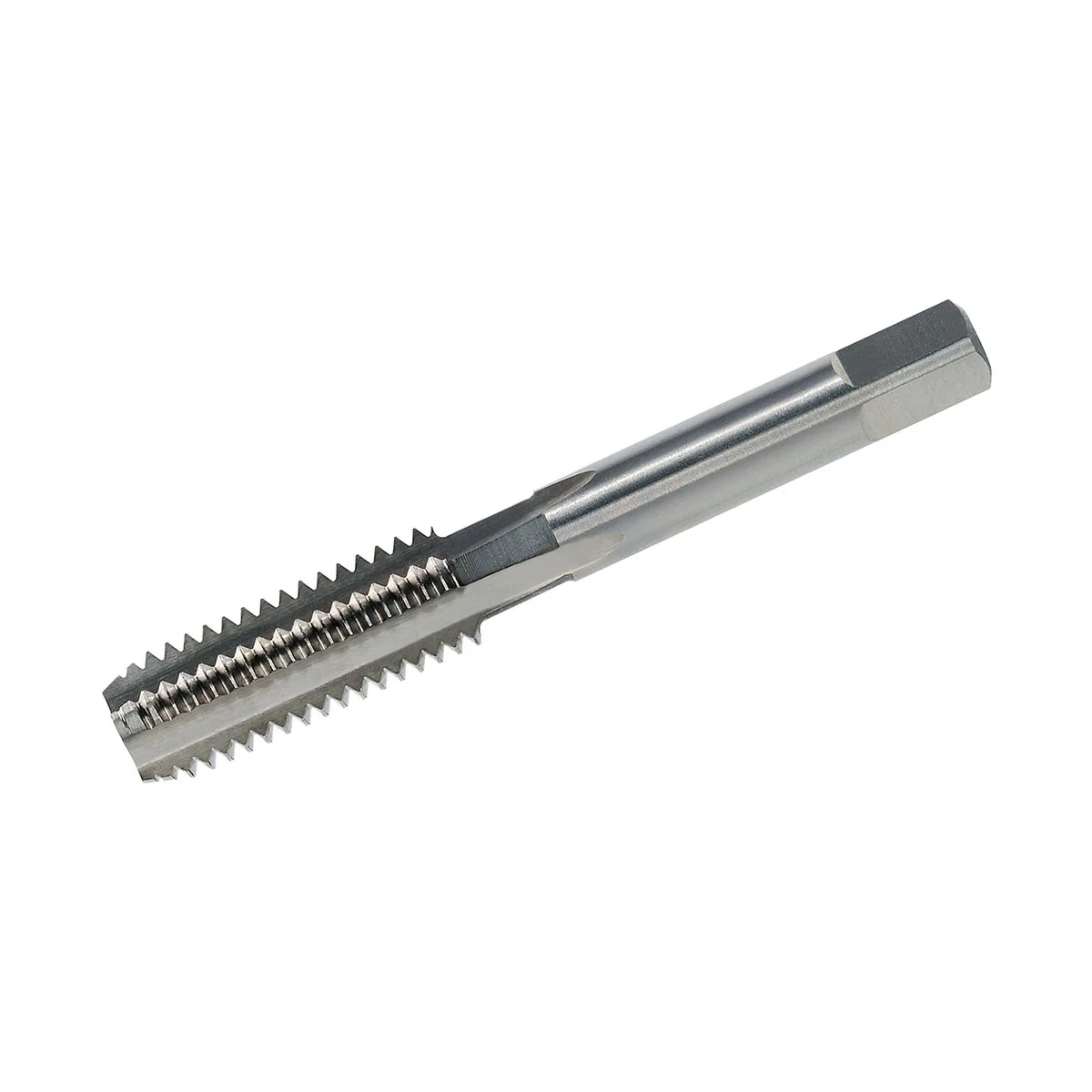
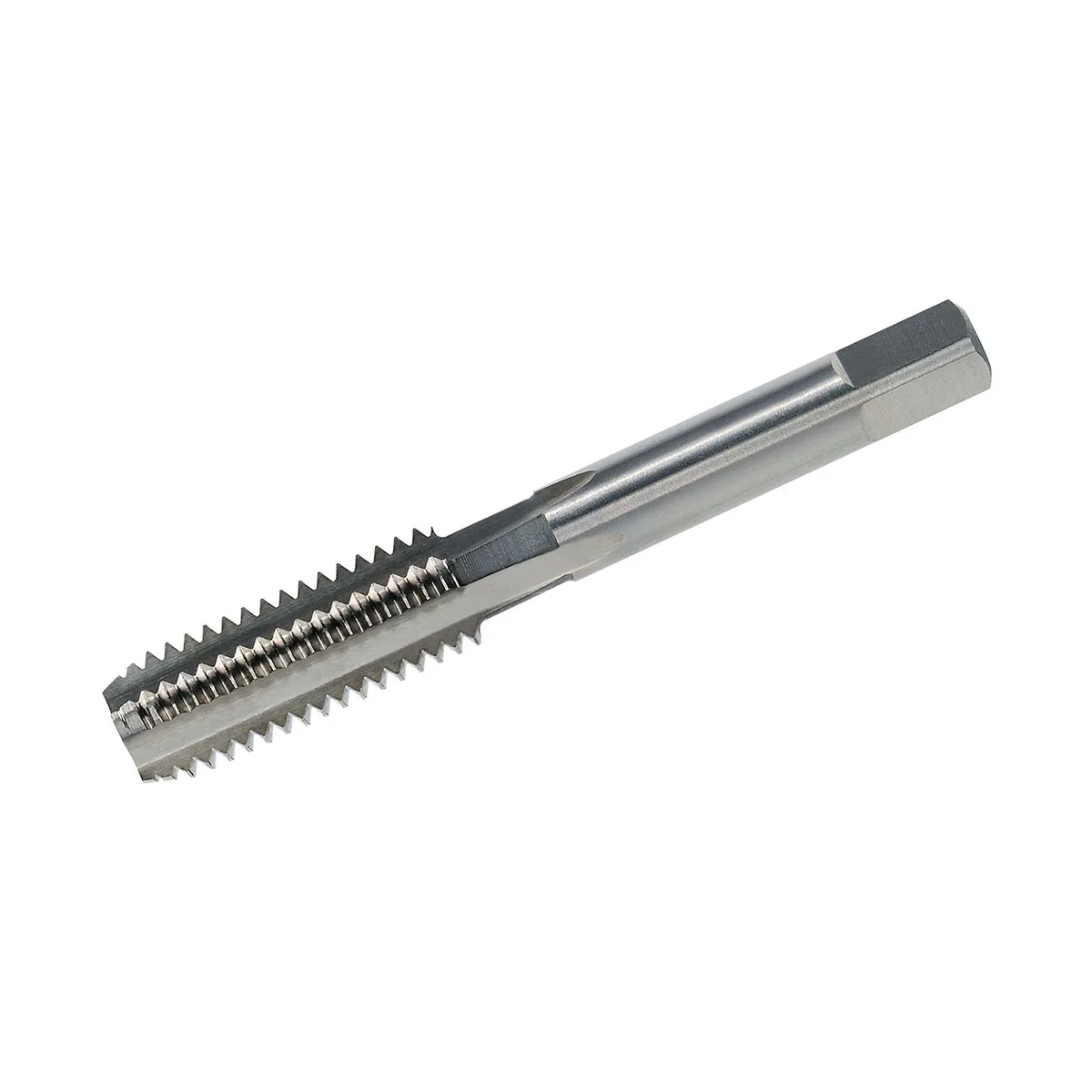
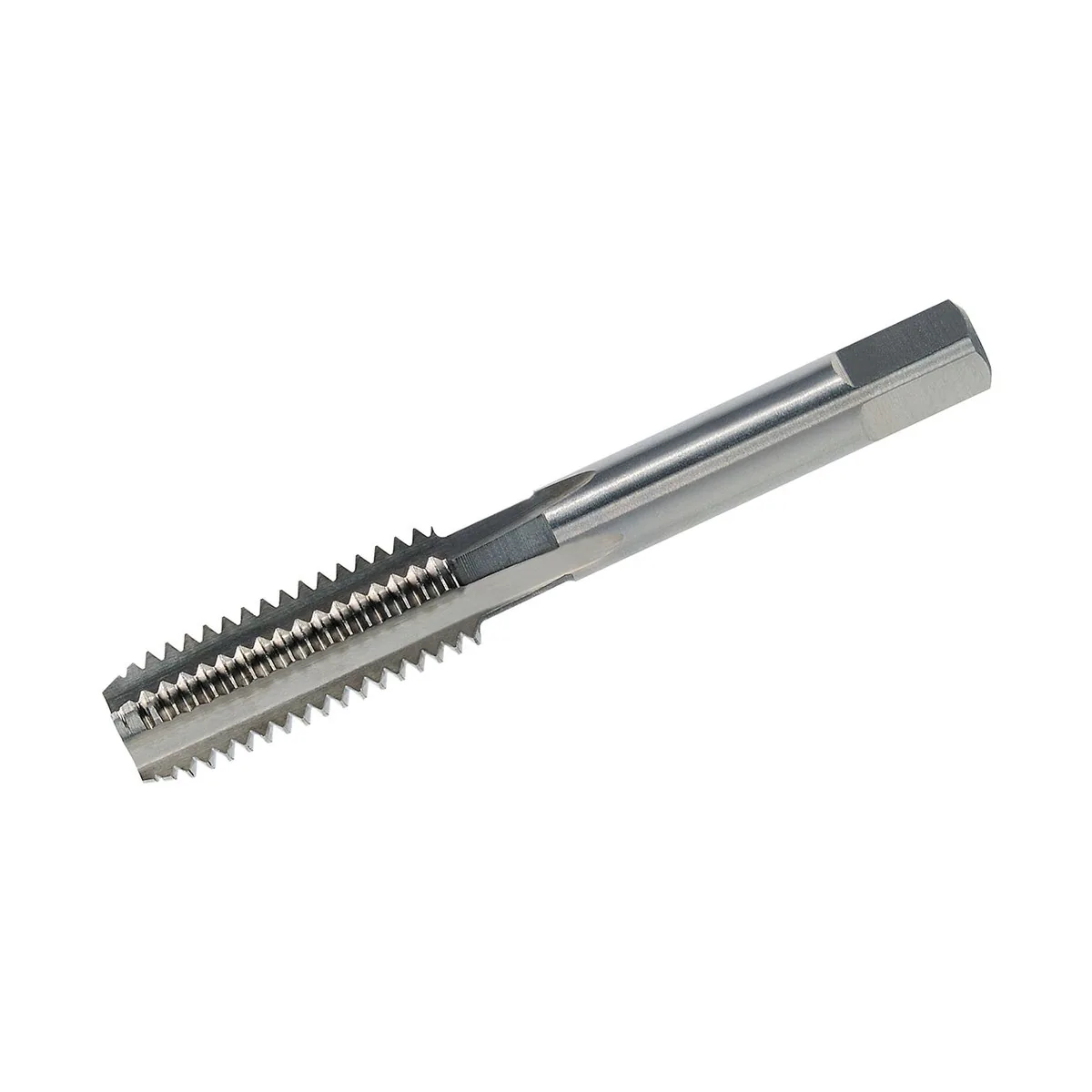
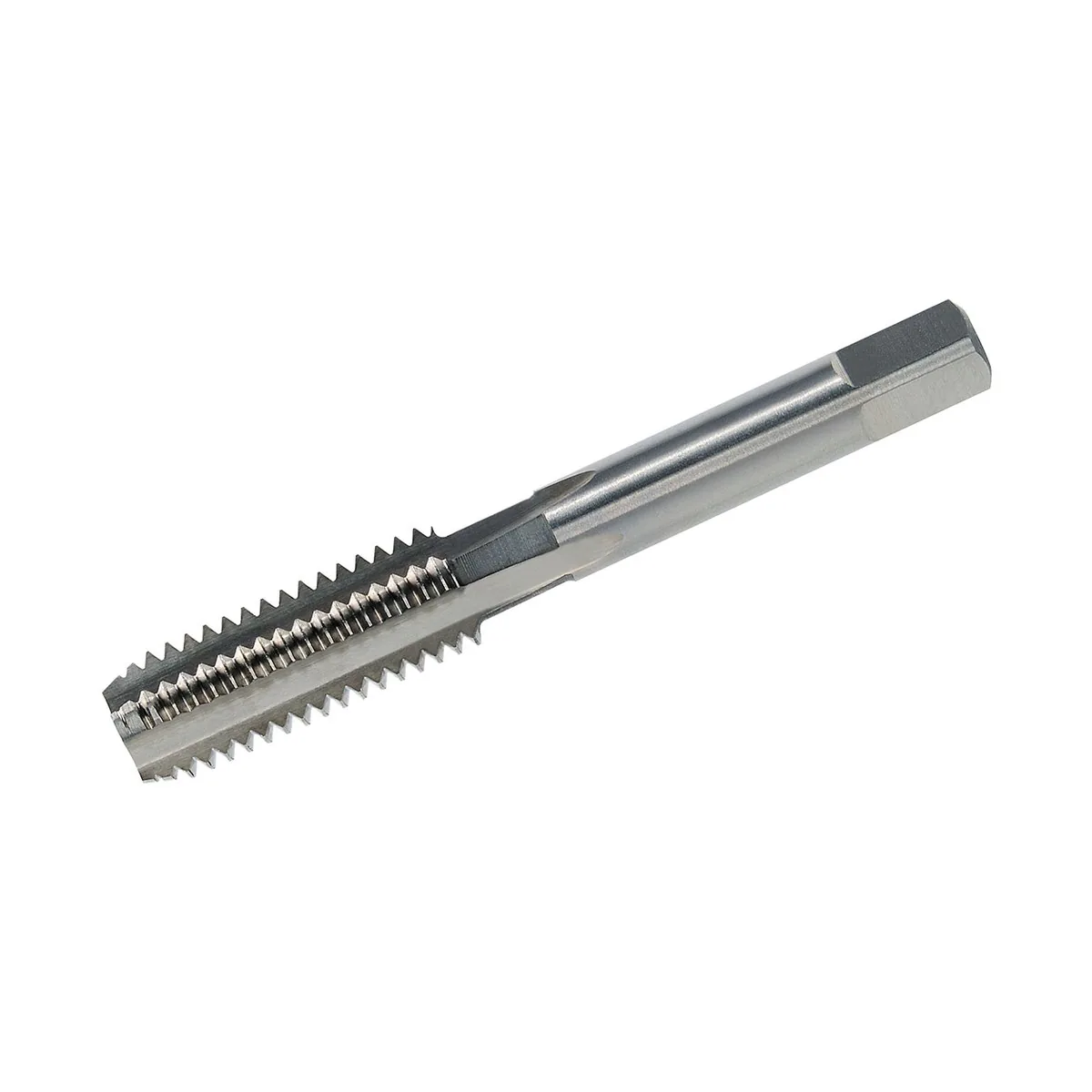
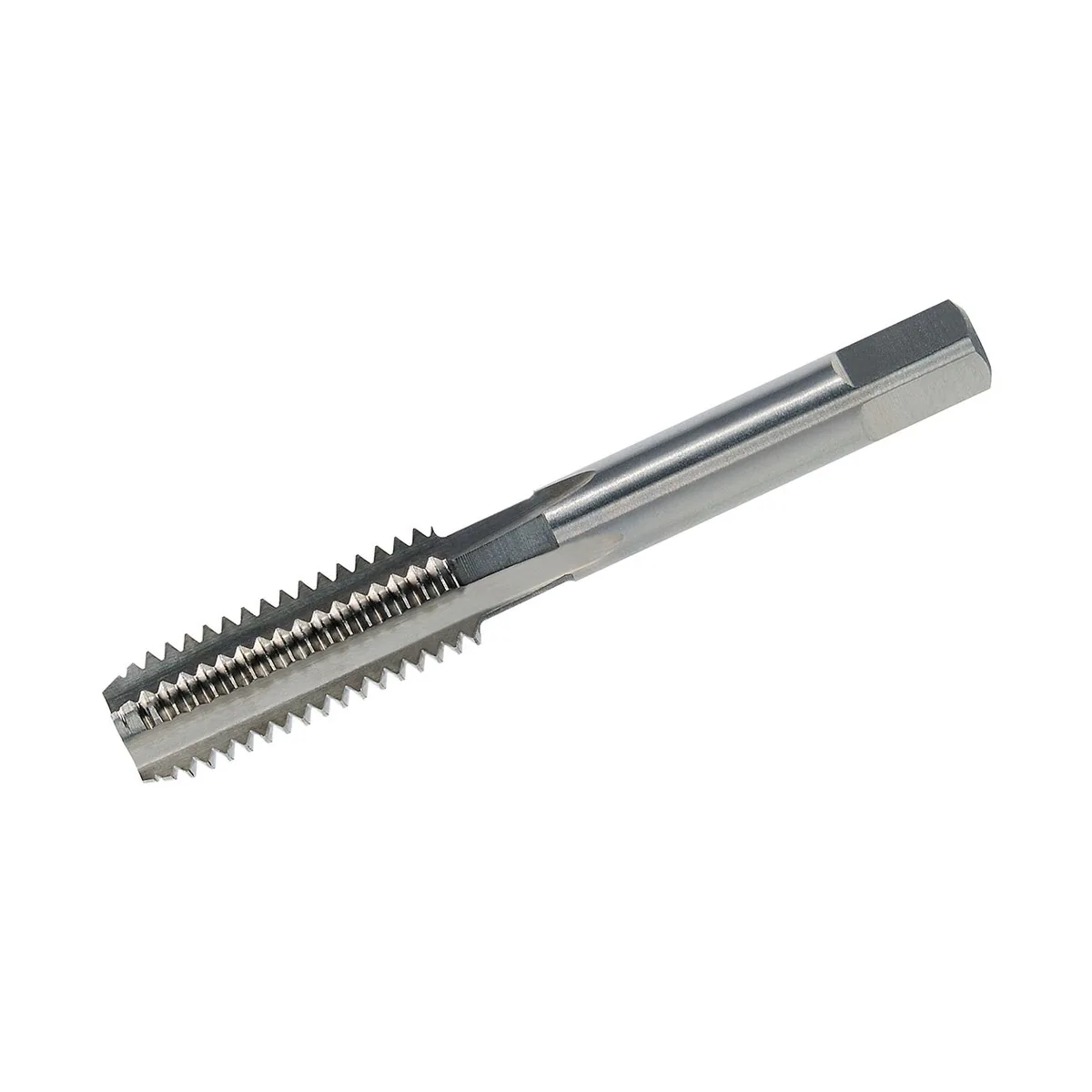
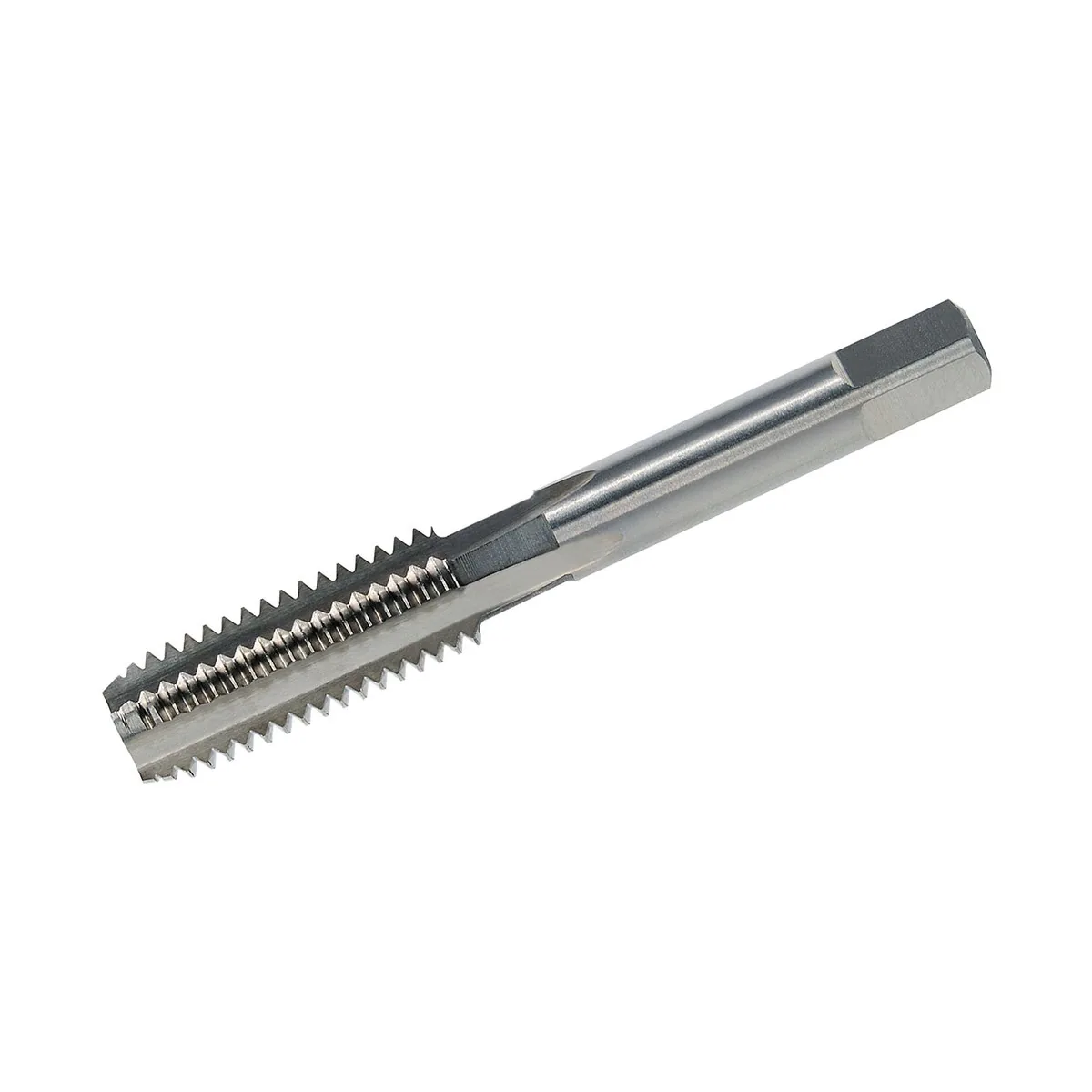
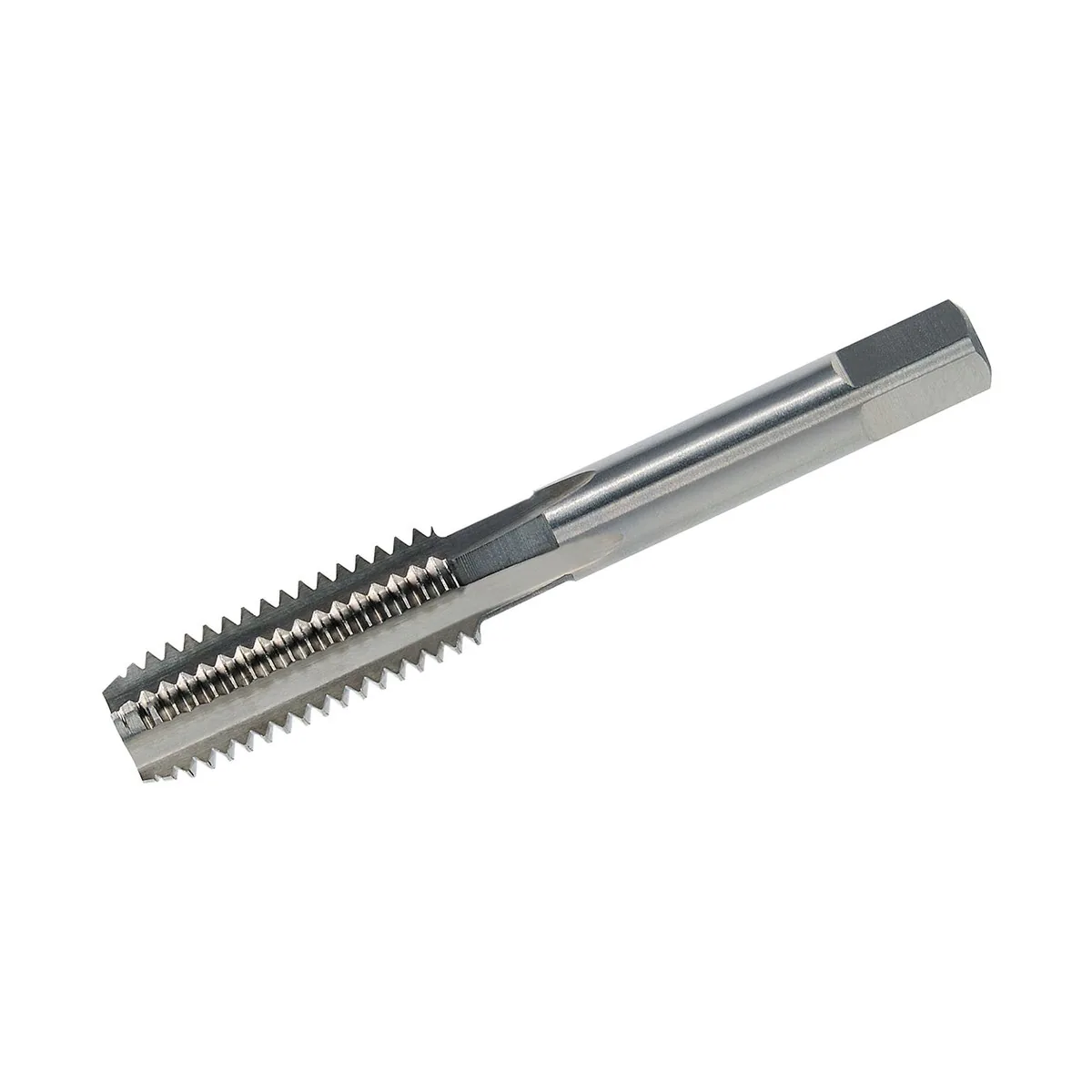
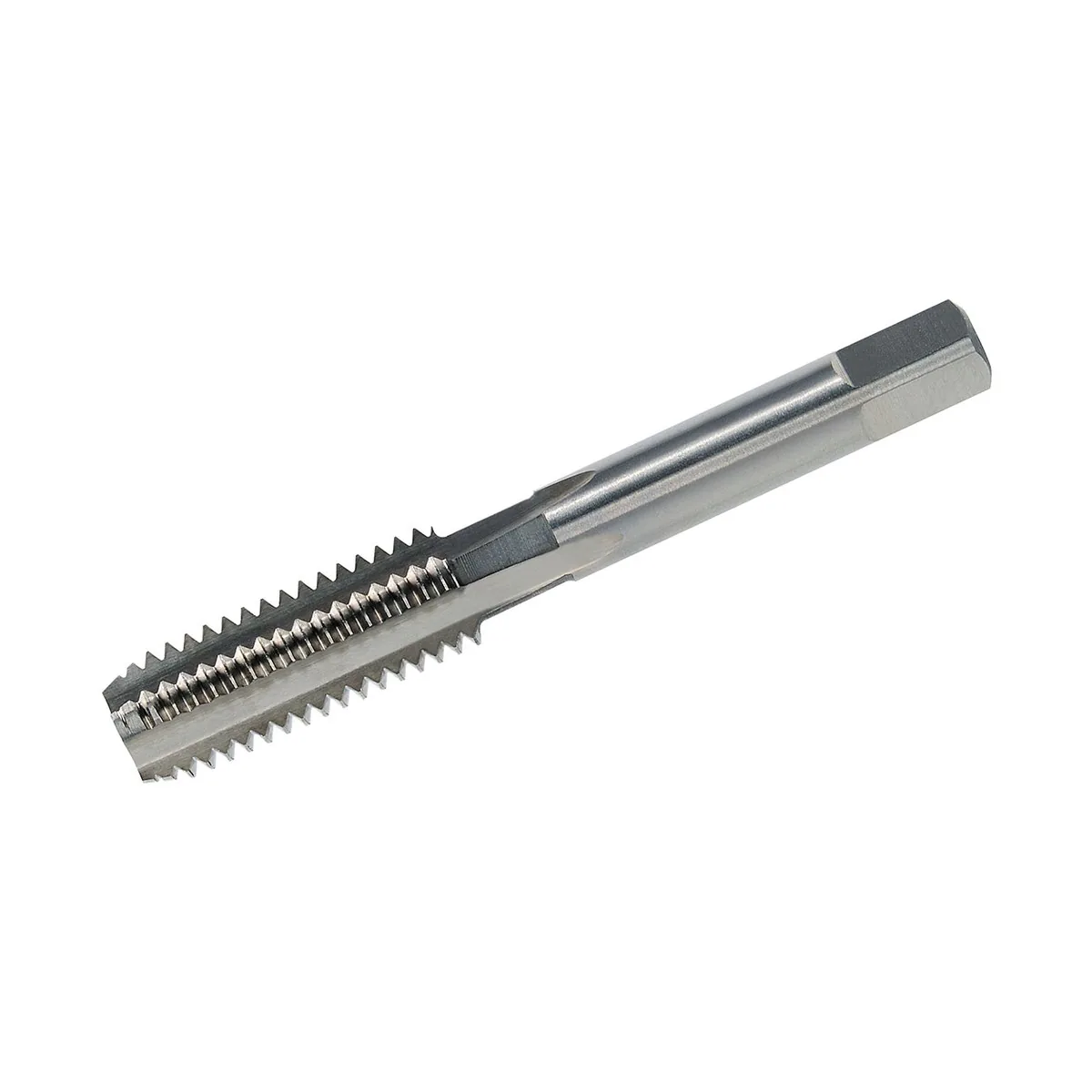
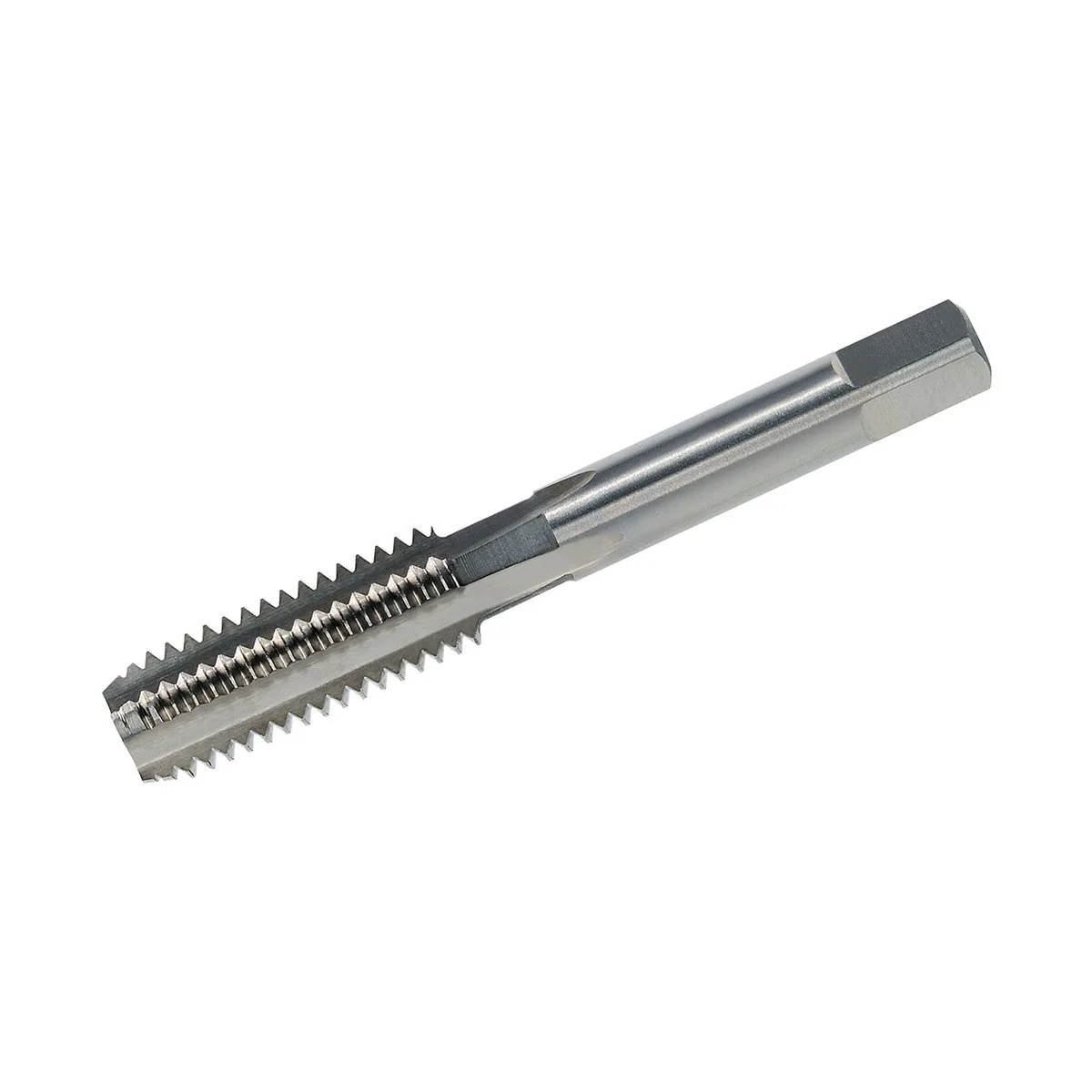
This VÖLKEL hand tap is designed as a finisher for the precise creation of metric left-hand threads (LH) of size M 42 x 4.5. Made from high-quality HSS-G material, it is perfectly suited for hand use in machinable unalloyed and low-alloyed steels. Whether for through or blind holes, this tap delivers clean and dimensionally accurate results for demanding applications.
Q1: What is a left-hand thread and what is it used for?
A1: A left-hand thread is tightened counter-clockwise and loosened clockwise. It is used in applications where a right-hand thread would unintentionally loosen due to rotation or vibrations. A well-known example is the left pedal on bicycles to prevent loosening while pedaling. For more information on left-hand threads, see this video: Left Hand Threads.
Q2: Why is a 3-piece set often required for hand taps?
A2: For manual use, a thread is typically cut in three steps: with a taper tap, an intermediate tap, and a finishing tap. This distributes the cutting load, simplifies the threading process, and protects the tools, especially for larger or deep threads. The finishing tap brings the thread to its exact final dimension and the desired profile accuracy.
Q3: What does the material designation HSS-G mean?
A3: HSS-G stands for "High Speed Steel - Ground." This material is ideal for machining well-machinable materials and offers good hardness and wear resistance for general use. The ground finish ensures precise cutting edges and a good surface quality.
Q4: For which materials is this tap suitable?
A4: This hand tap is suitable for machinable materials up to a strength of 900 N/mm². This includes unalloyed and low-alloyed steels, which are common in mechanical engineering and general metalworking.
Q5: Can this finisher be used alone without a taper and intermediate tap?
A5: Technically yes, but it is strongly recommended to use the taper and intermediate taps first. The finisher is designed to bring an already pre-formed thread to its final dimension and would be overloaded when used in a plain hole, which can lead to tool breakage or a messy thread.
Q6: What is the difference between a through and a blind hole?
A6: A through hole is a bore that goes all the way through the workpiece, so the thread is visible from both sides. A blind hole is a bore that does not go completely through the workpiece, leaving the thread with a closed bottom. This finisher is suitable for both types of holes.
Q7: Why is the ISO 2 / 6H tolerance important?
A7: The ISO 2 / 6H tolerance class is the standard tolerance for metric ISO threads. It ensures that the cut thread is precise enough to allow for a correct fit with the corresponding screws. This is crucial for the functionality and longevity of the connection.
Do you have more questions? We are happy to help! You can reach us at any time via our contact form.
| Type of thread | metric ISO-thread |
|---|---|
| Standard | DIN 352 |
| Material | HSS-G |
| Tolerance | ISO2 (6H) |
| Size | M 42 x 4.5 LH |
| Overall length (L1) | 150 mm |
| Thread length (L2) | 63 mm |
| Core hole diameter (D1) | 37.5 mm |
| Shank diameter (D2) | 32.0 mm |
| Drive connector | 24.0 mm |
| Item number | 27086-3 |
| Type of flute | straight fluted |
| Application | for through and blind holes |
| Thread standard | DIN 13 |