Áo sơ mi chạy bộ
 Bộ mũi khoan
 taro
Bộ mũi khoét
Bộ mũi khoan
Bộ mũi khoan taro
Bộ mũi khoét
 Bộ mũi taro ren trong
 Bộ sửa ren
 Bôi trơn cắt ren
Cặp taro máy + mũi khoan
Bôi trơn cắt ren
Cặp taro máy + mũi khoan
 Dụng cụ bẻ chân ren
 Dưỡng đo ren ngoai
 Dưỡng đo ren trong
Mũi doa vát mép
Mũi khoan kim loại
Dưỡng đo ren trong
Mũi doa vát mép
Mũi khoan kim loại
 Mũi taro cho ren cấy
Mũi taro ren trong
Mũi taro cho ren cấy
Mũi taro ren trong
 Ren cấy V-coil
 Taro ren máy
Taro ren tay
Tay cấy ren
Tay quay bàn ren
Tay quay taro trong
Taro ren máy
Taro ren tay
Tay cấy ren
Tay quay bàn ren
Tay quay taro trong
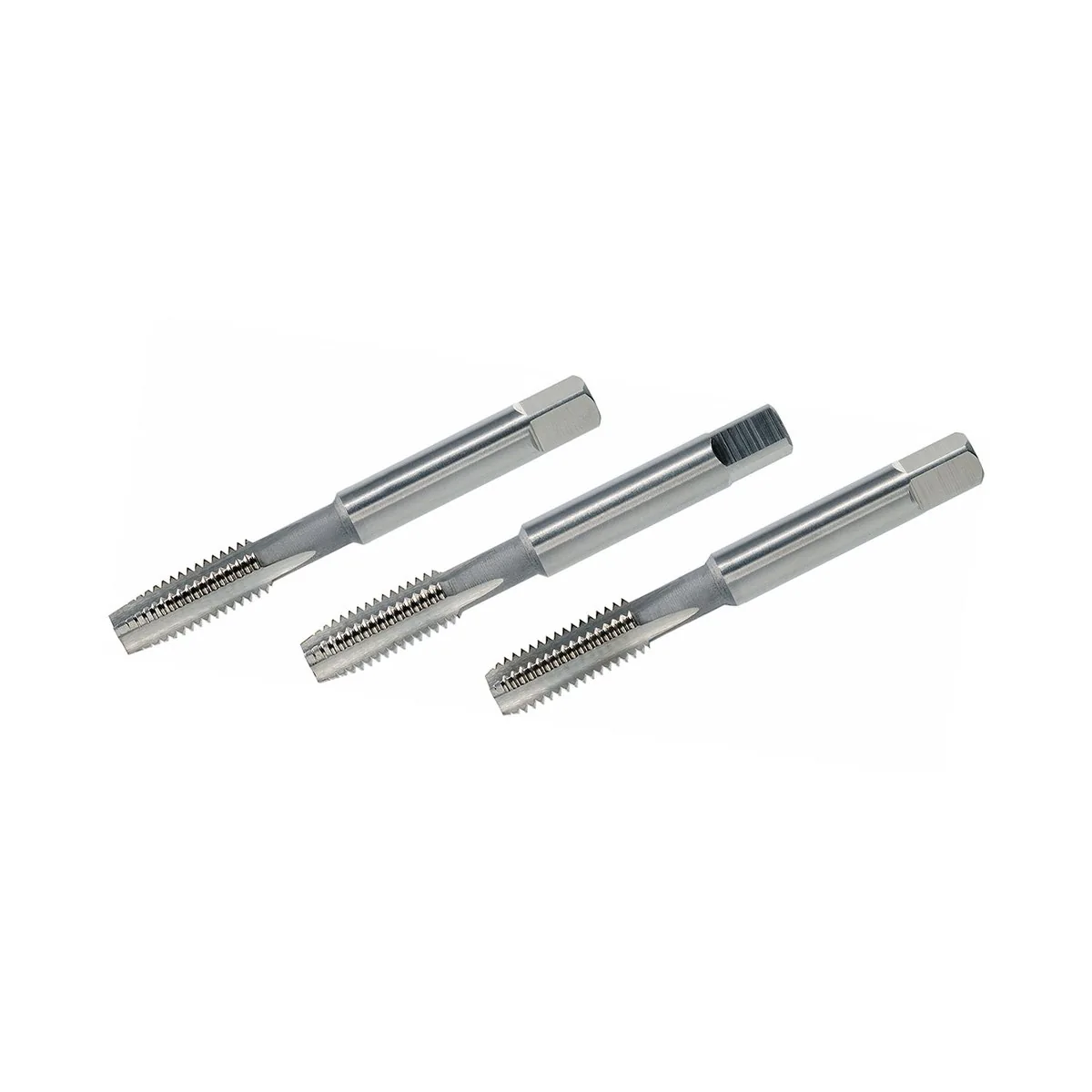

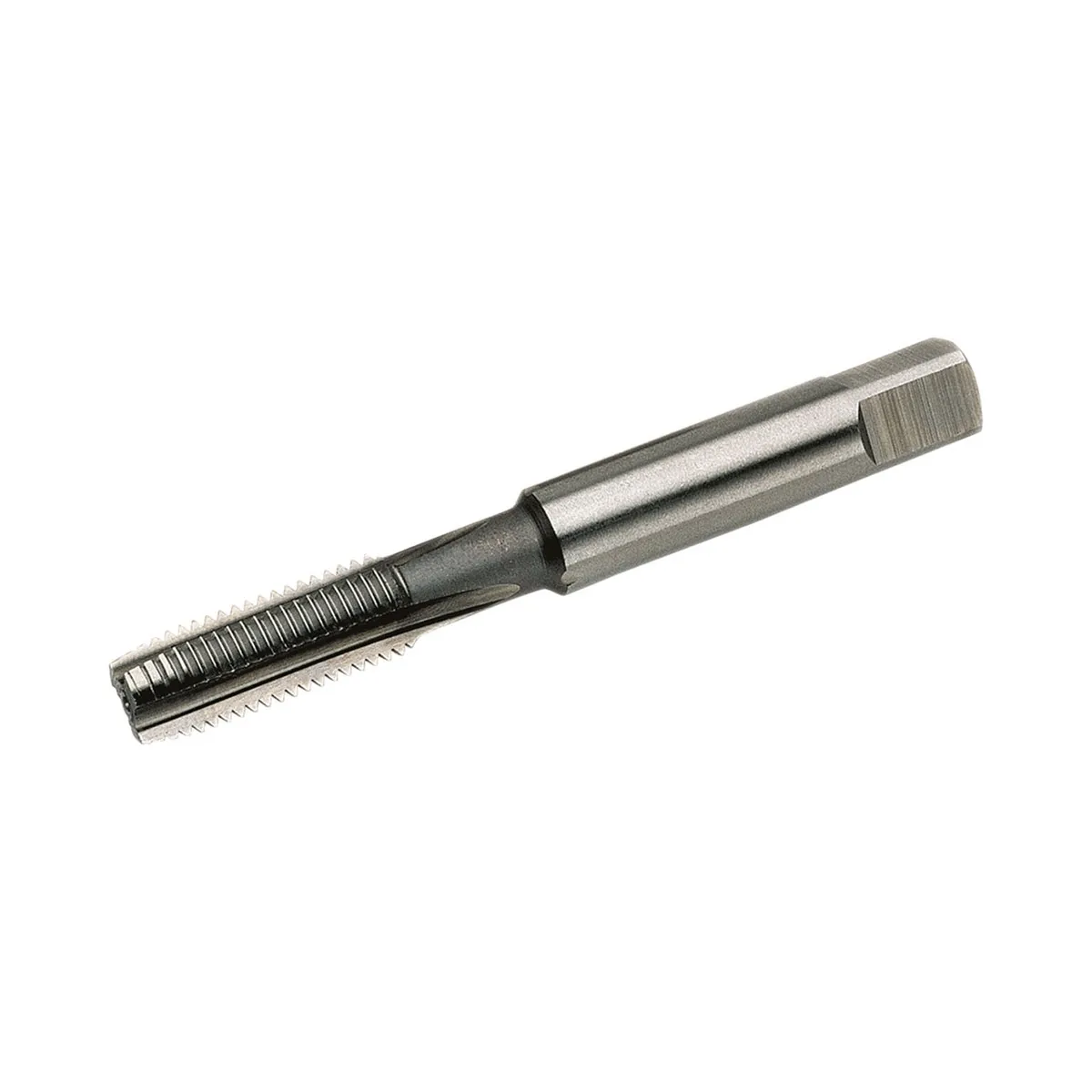
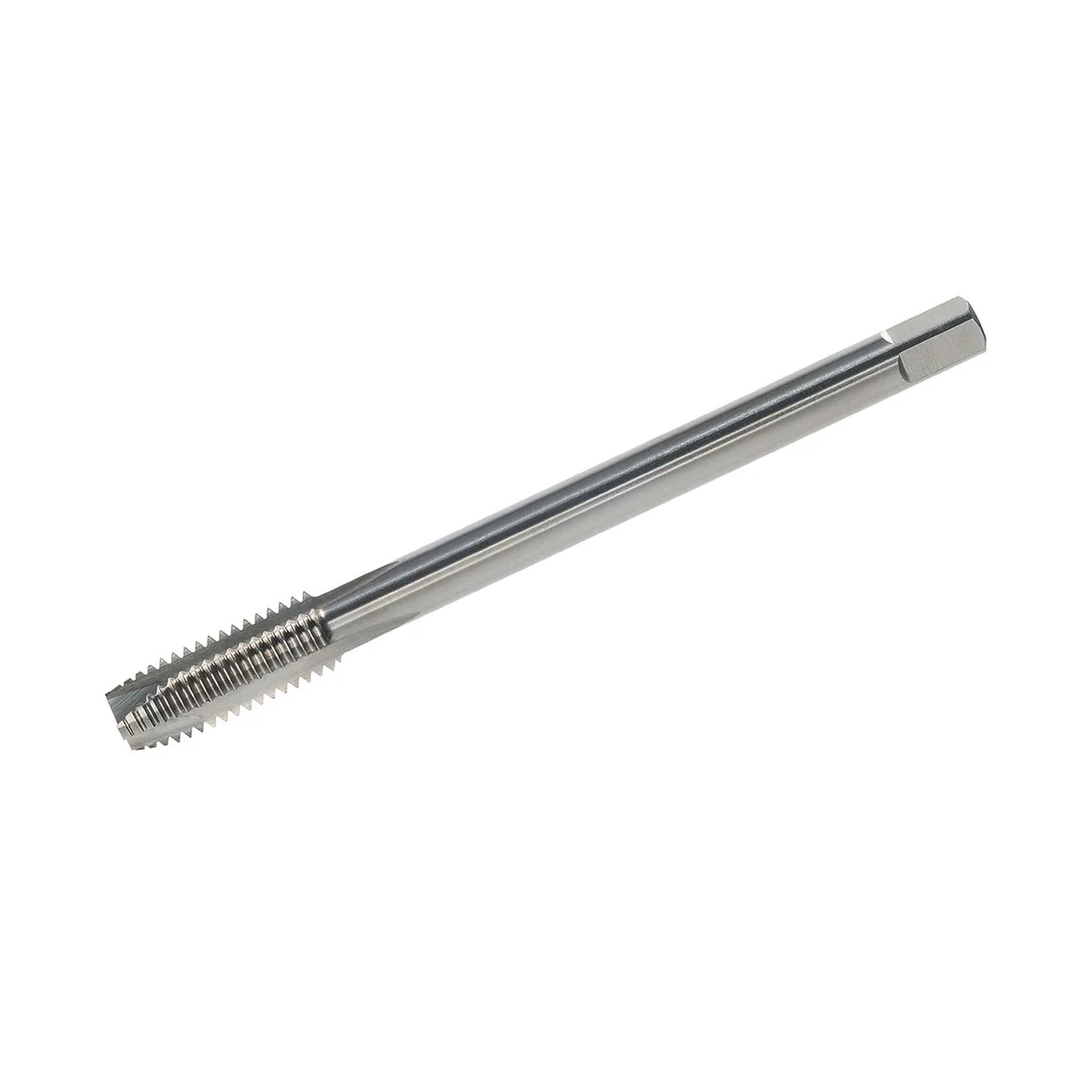
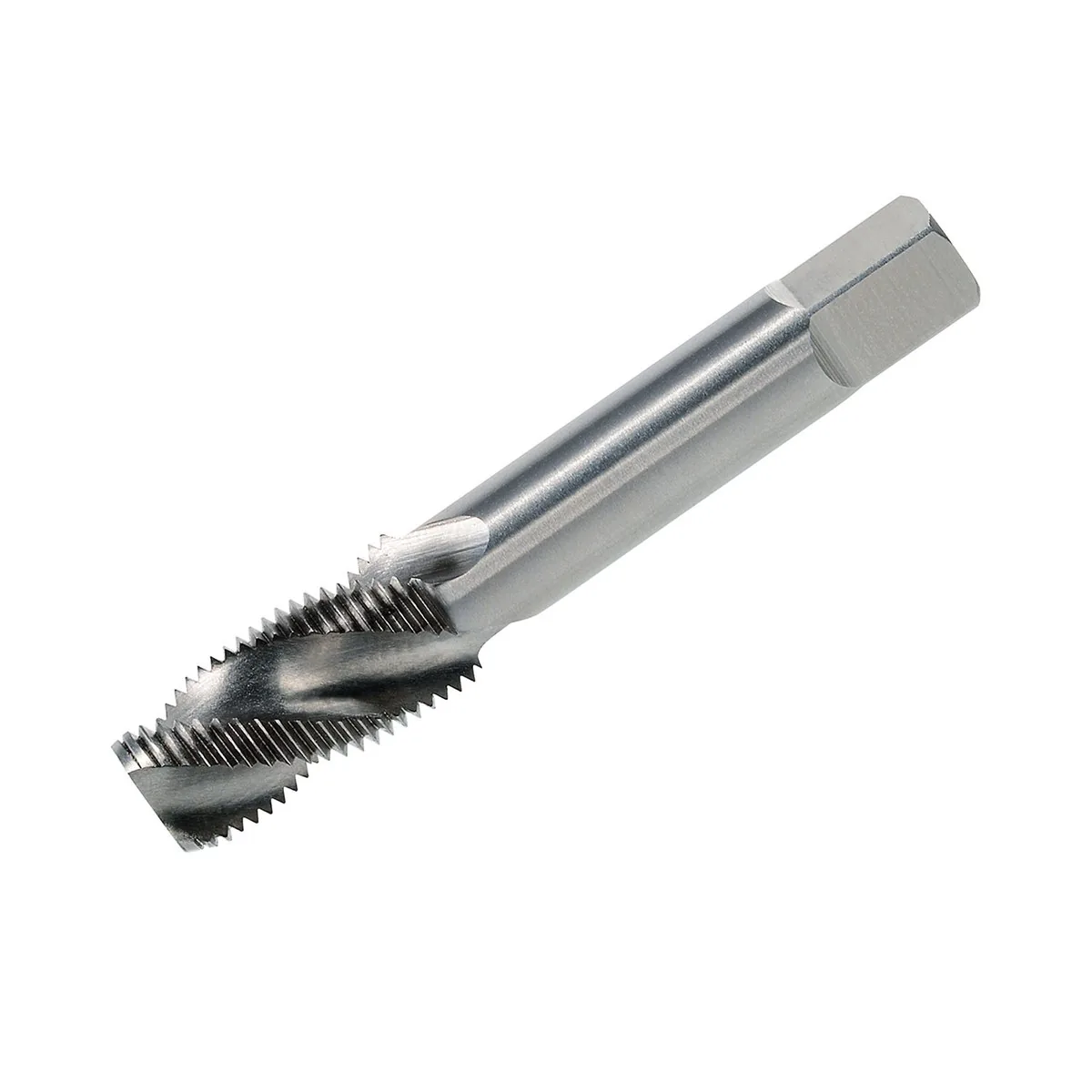
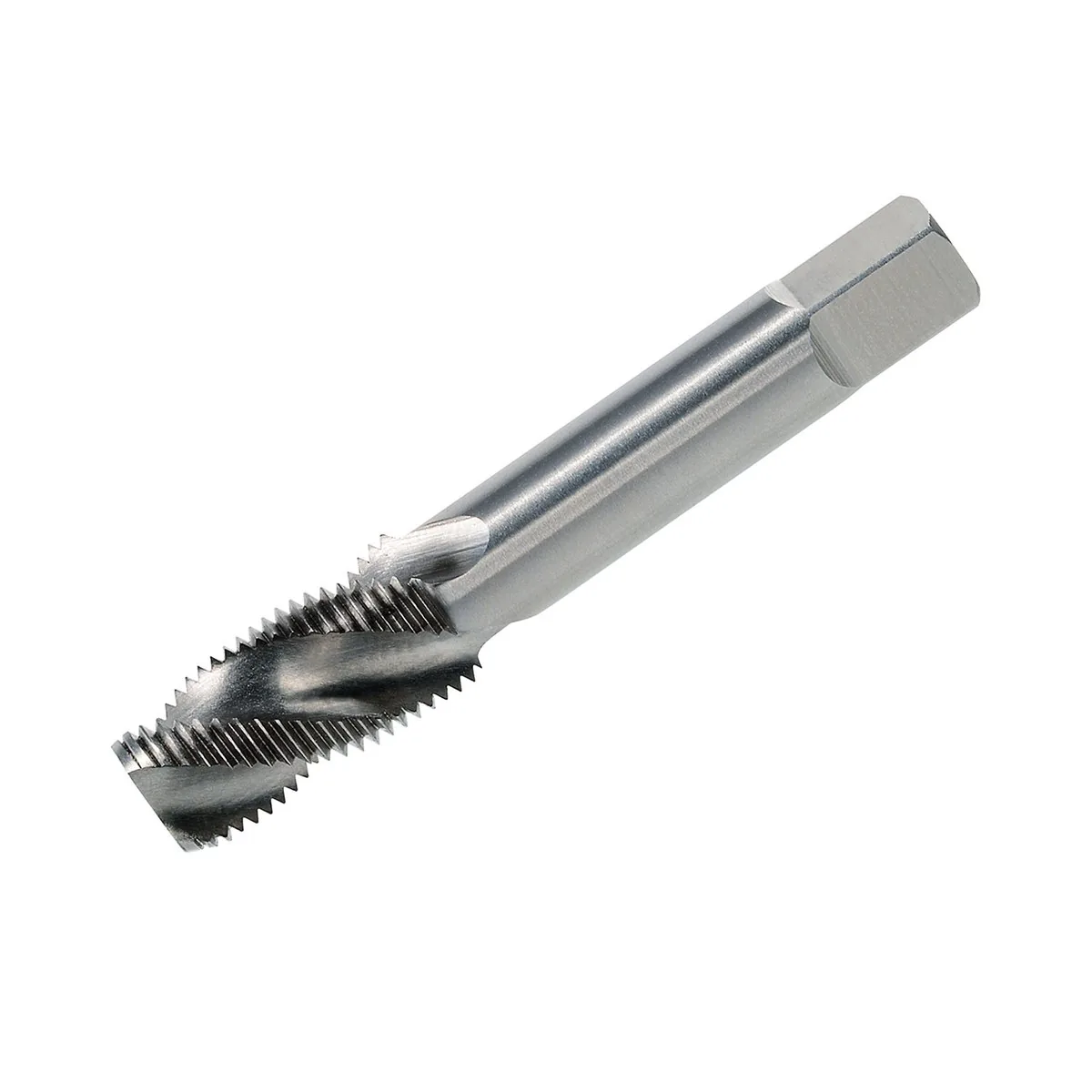
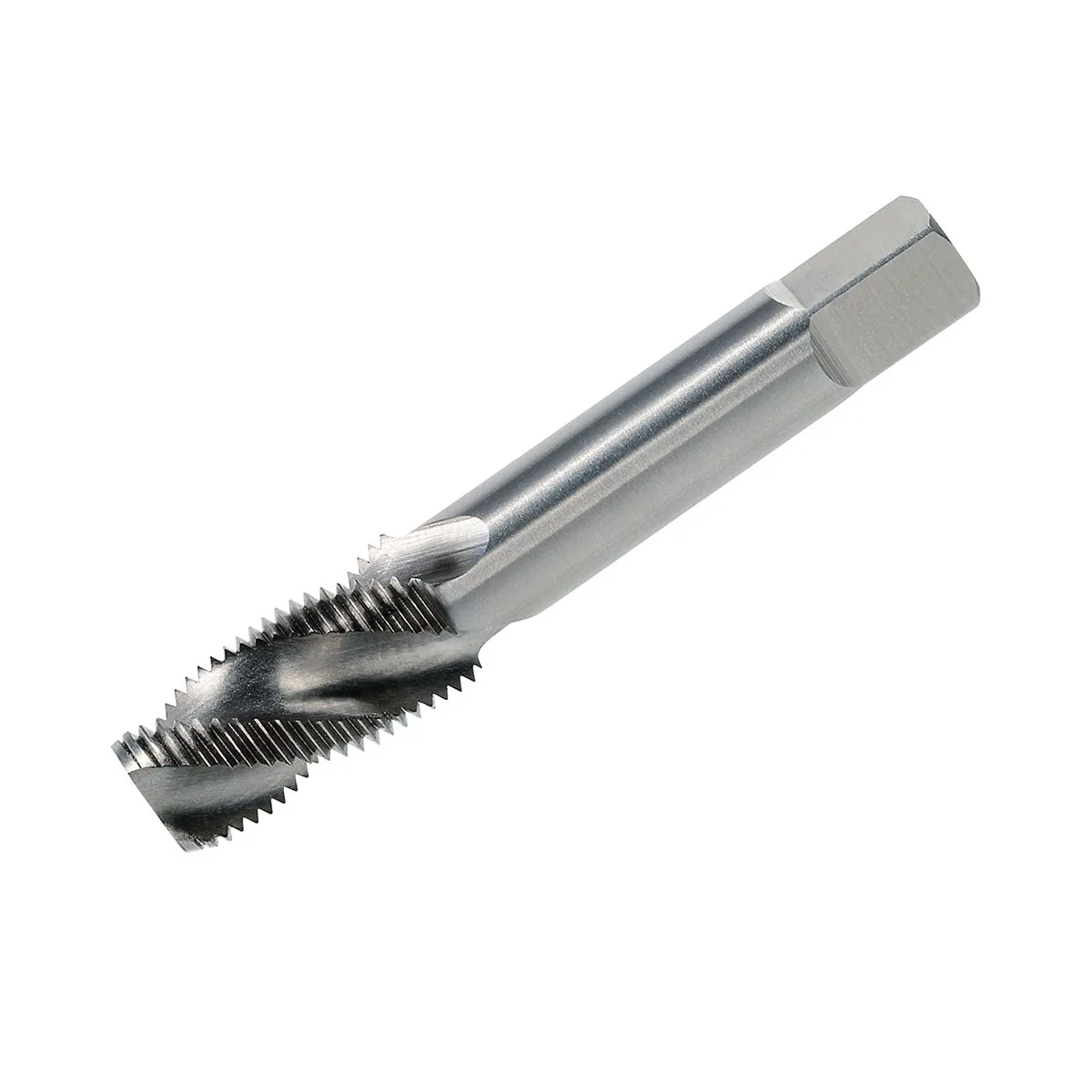
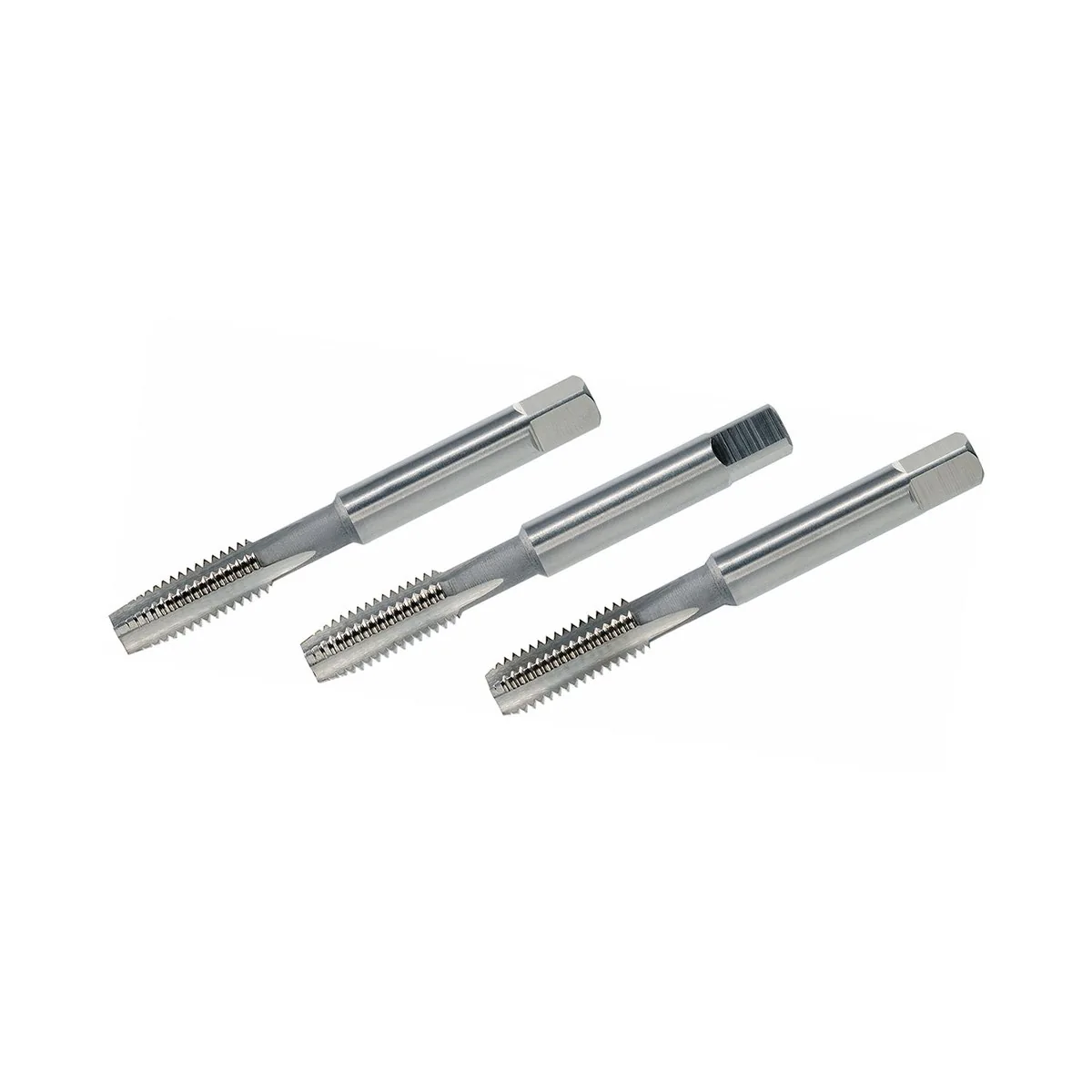
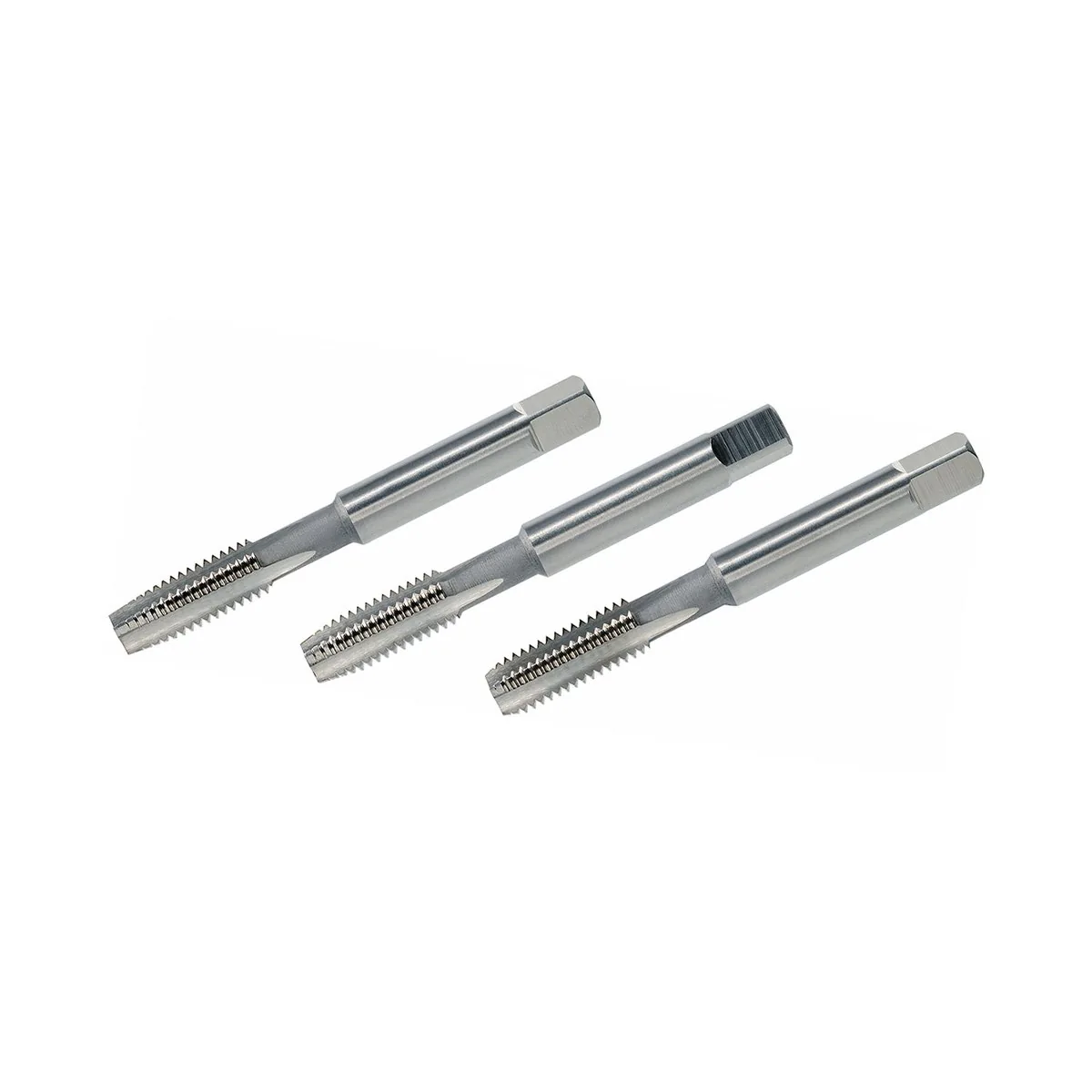
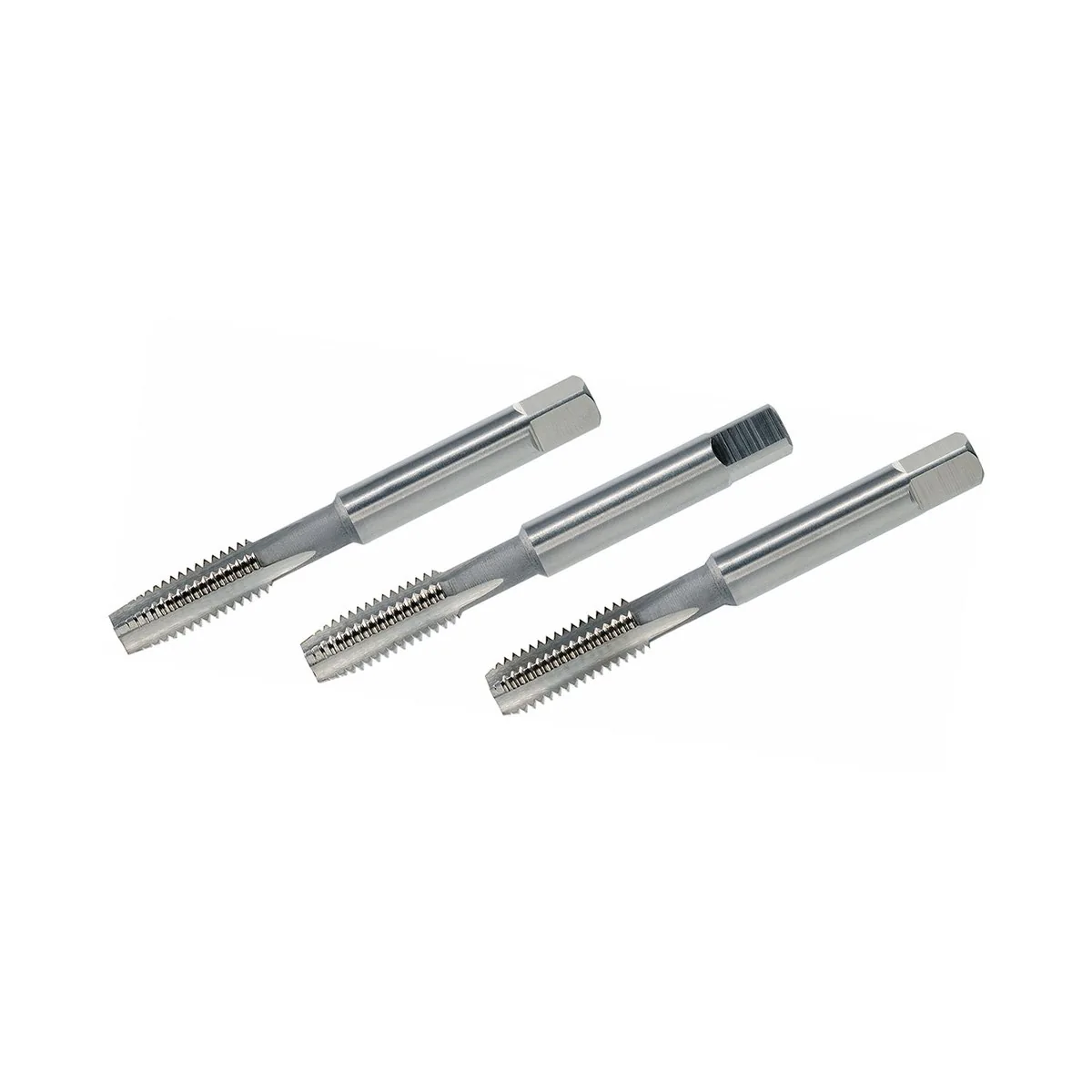
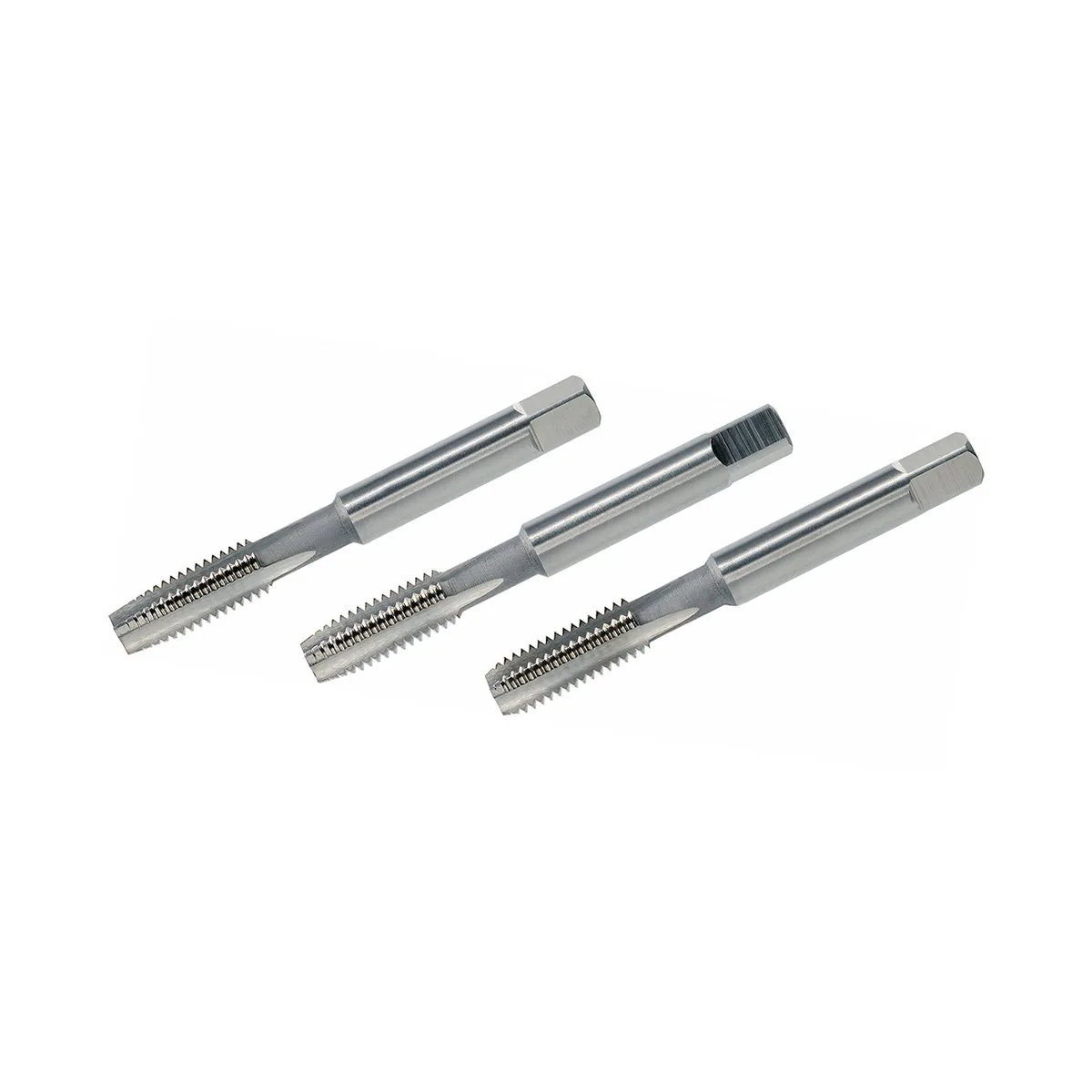
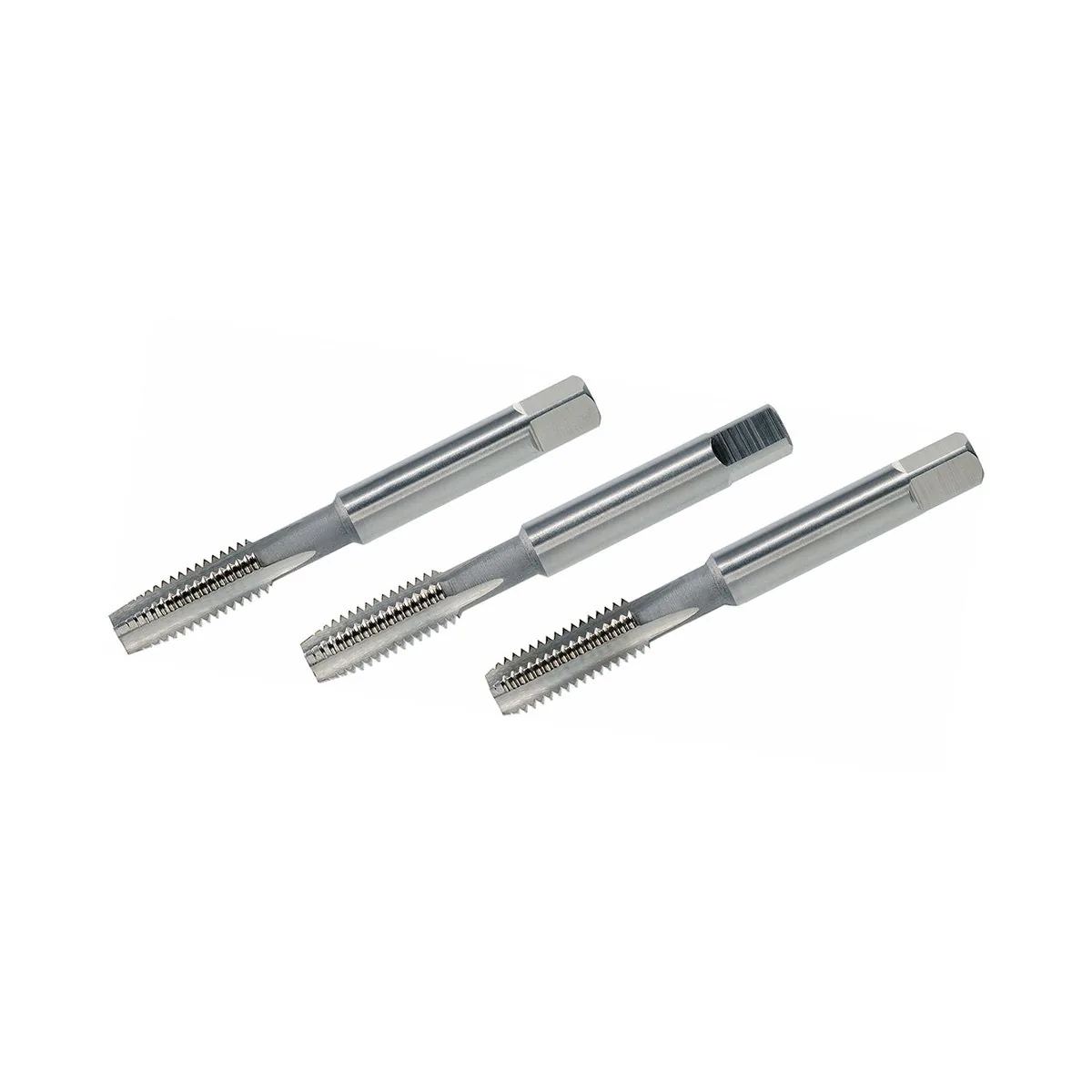
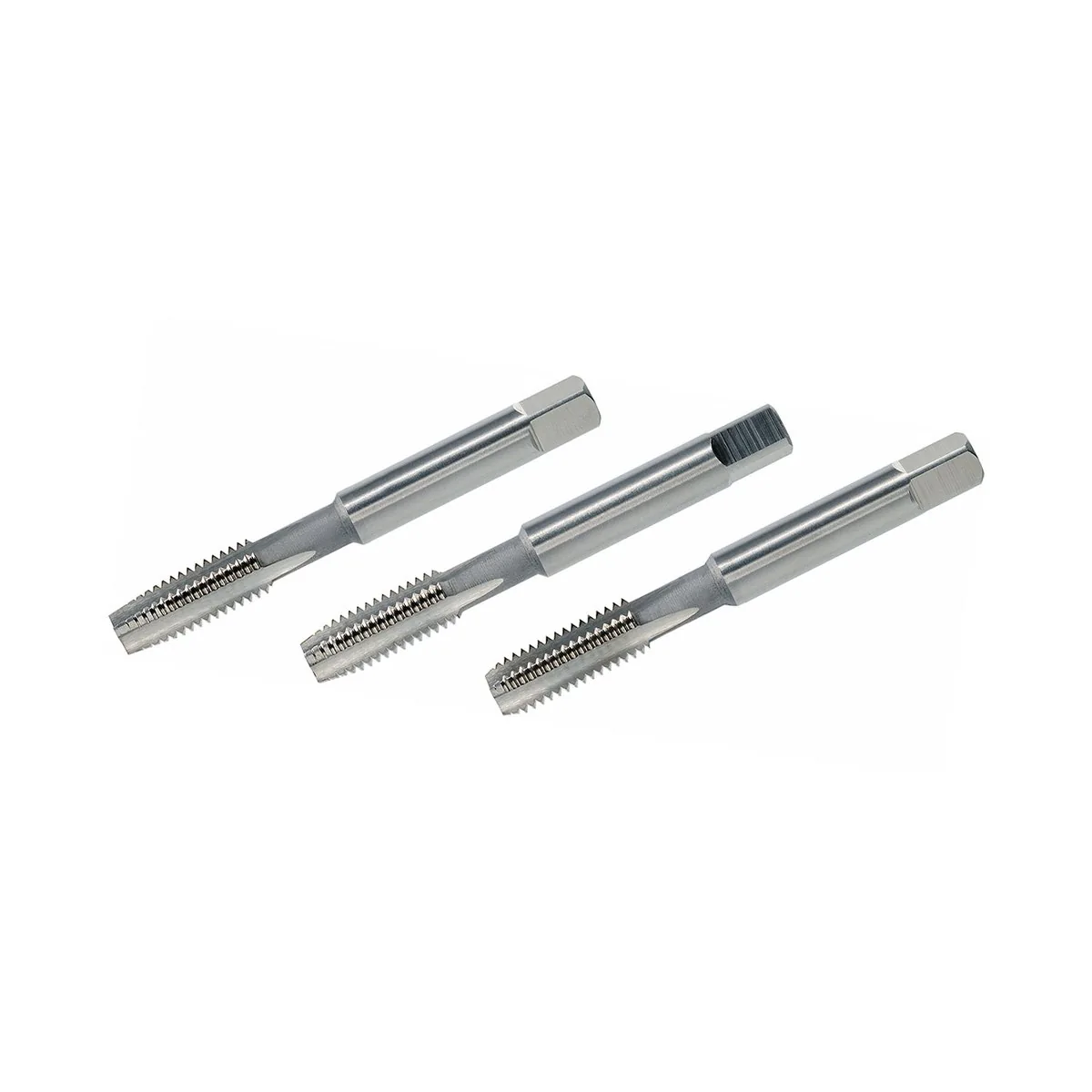
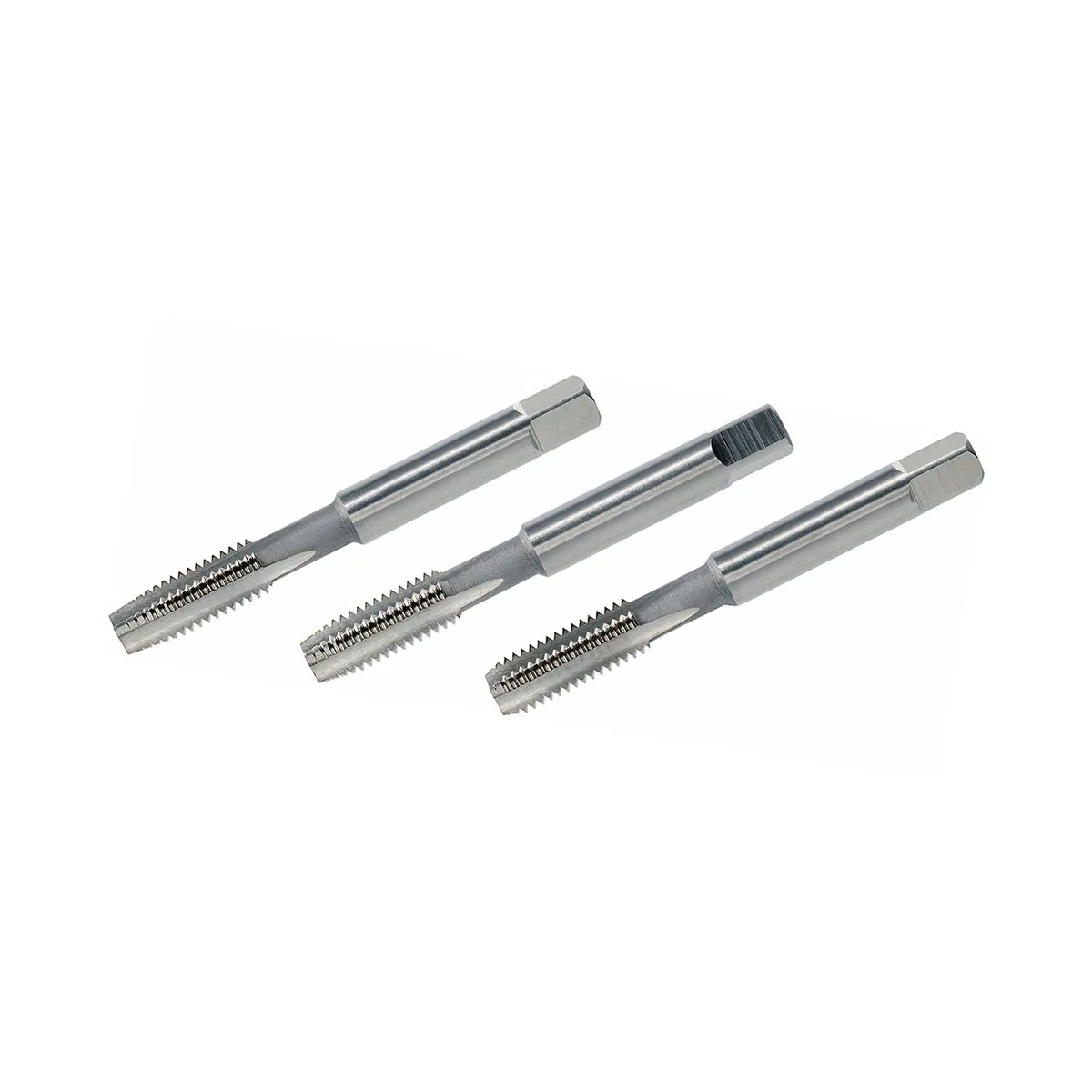
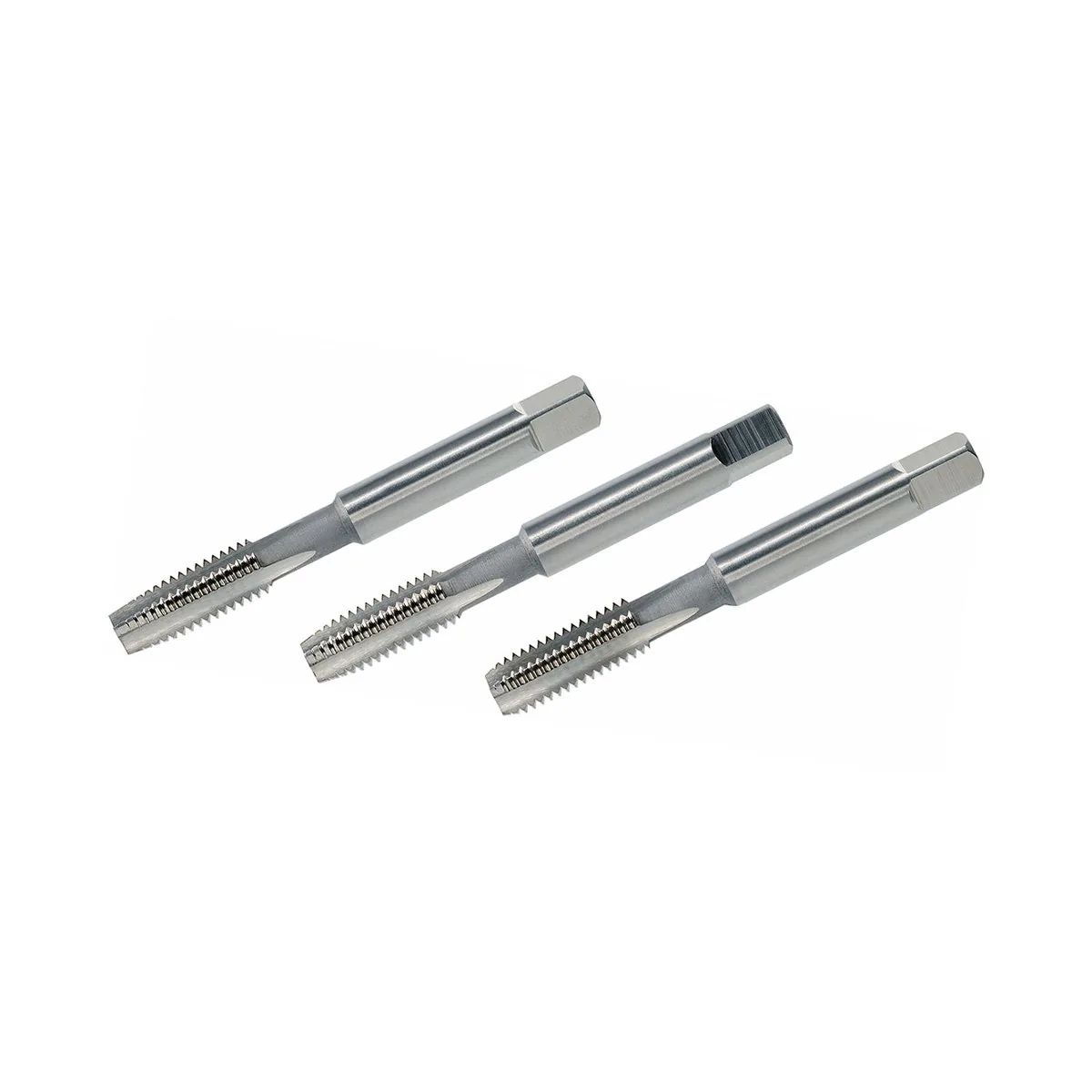
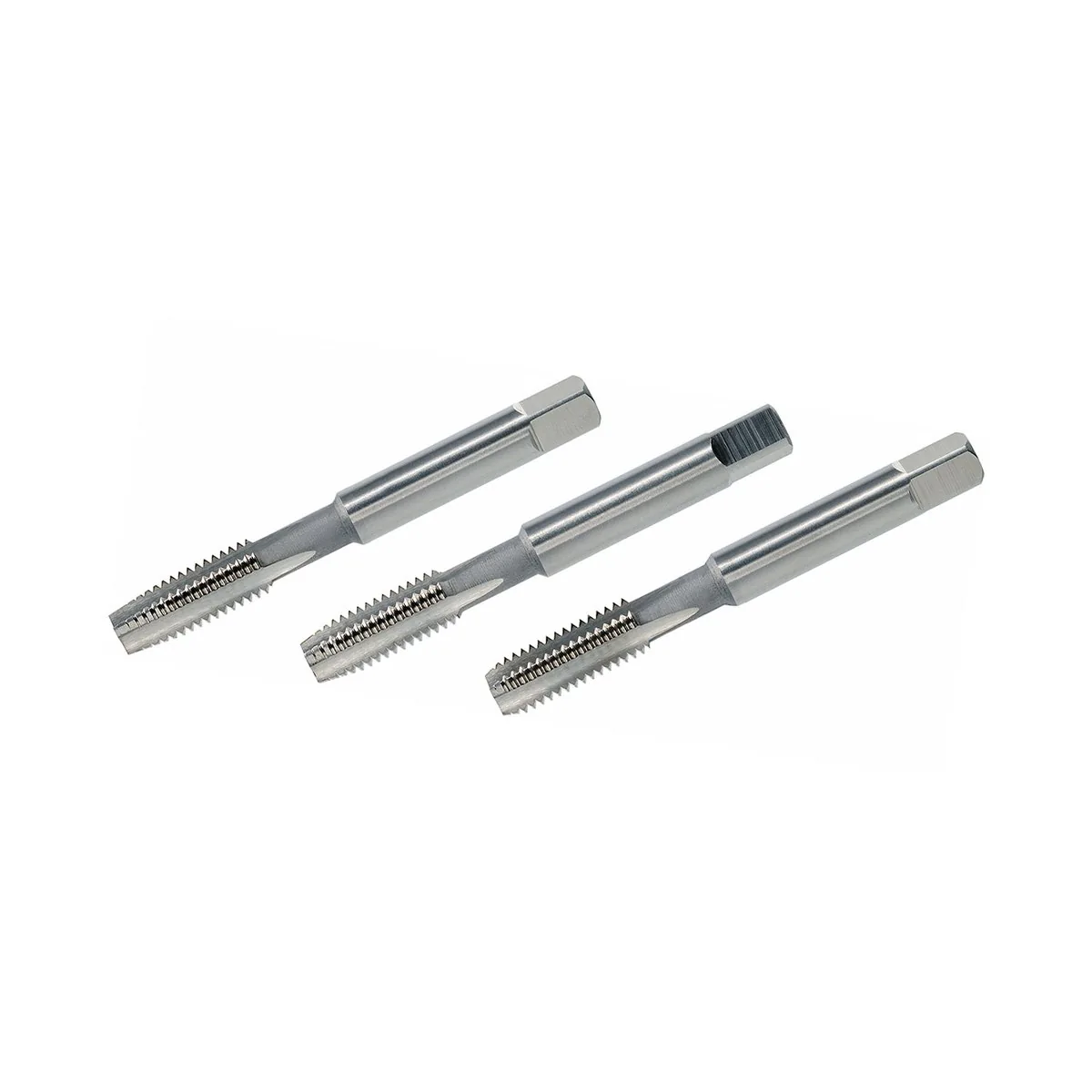
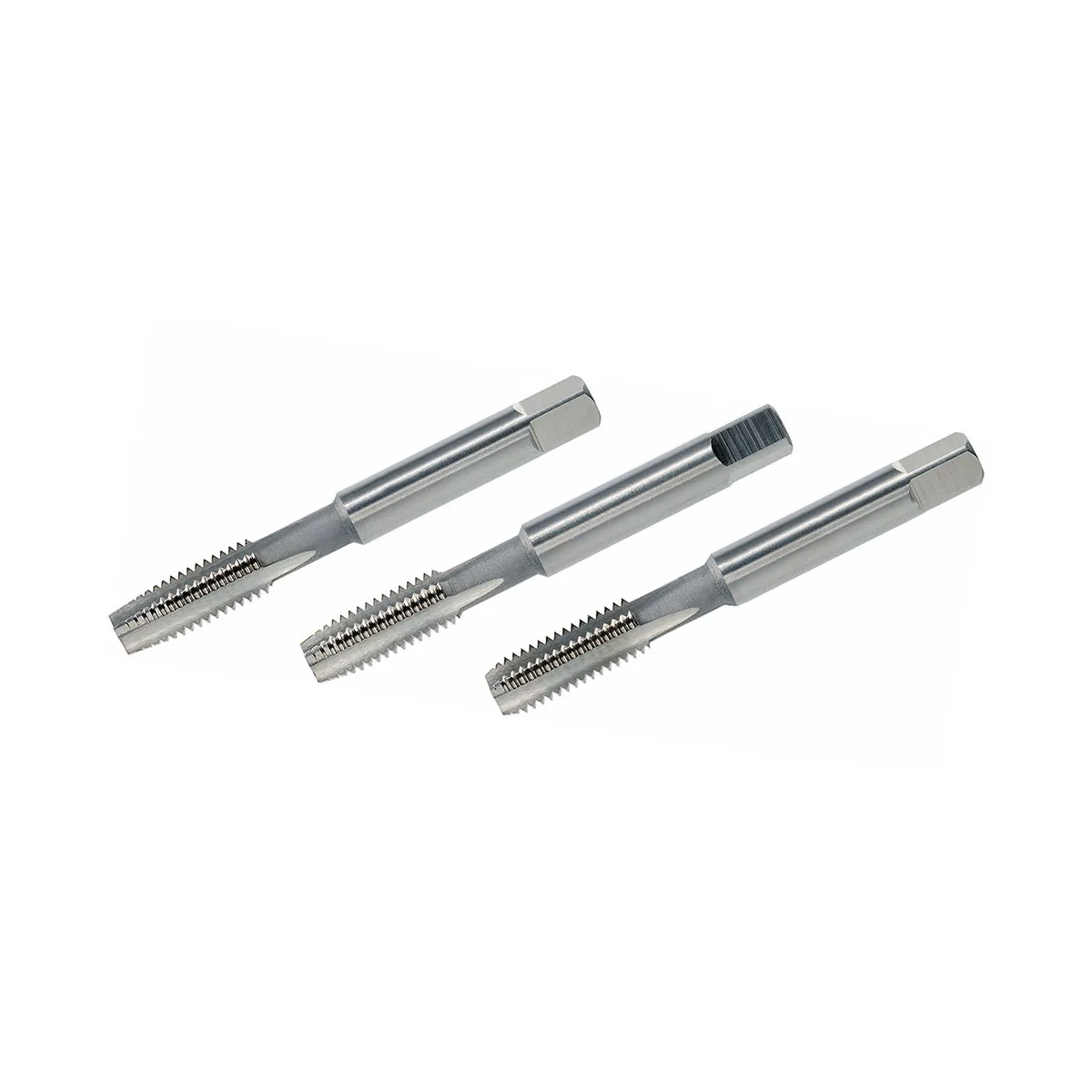
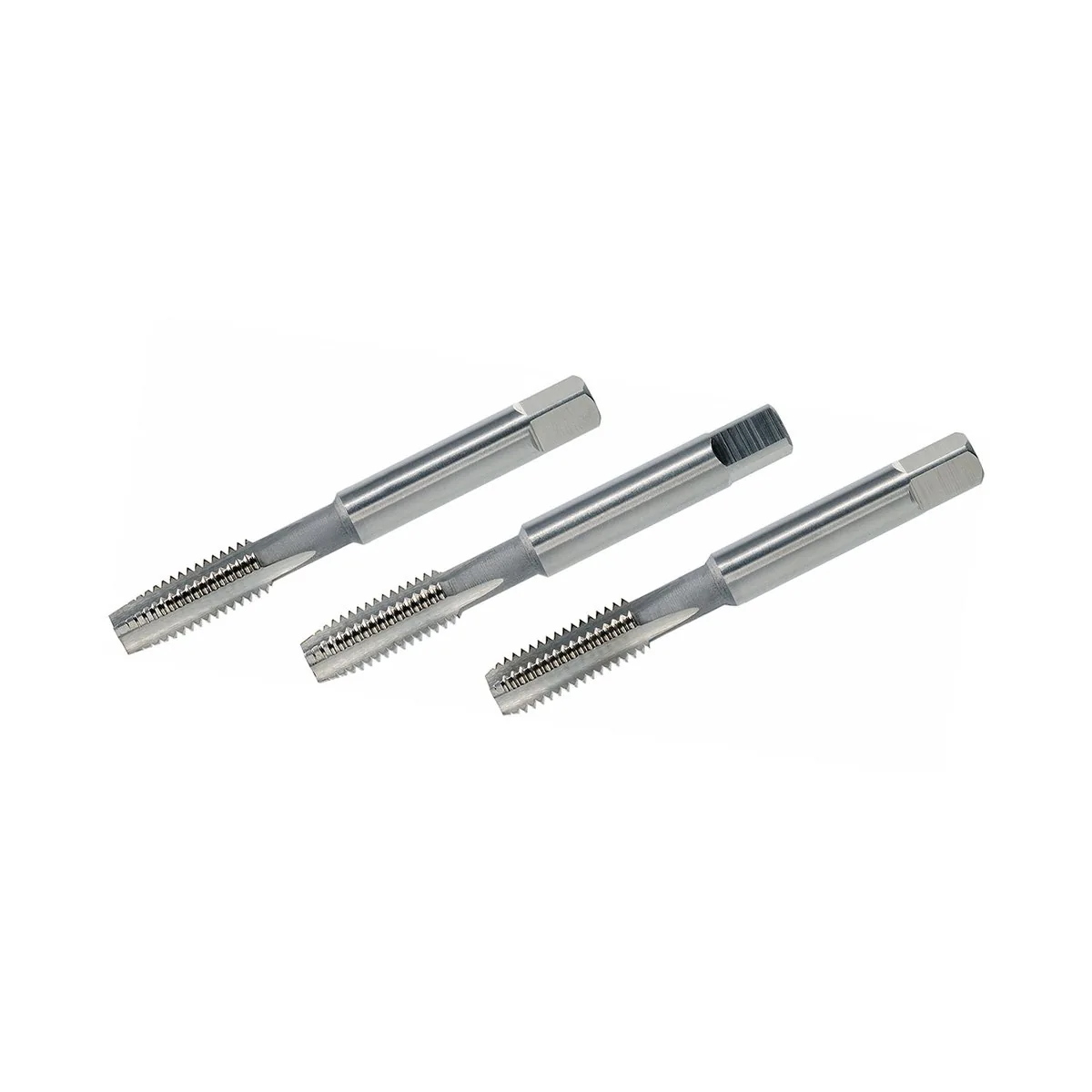
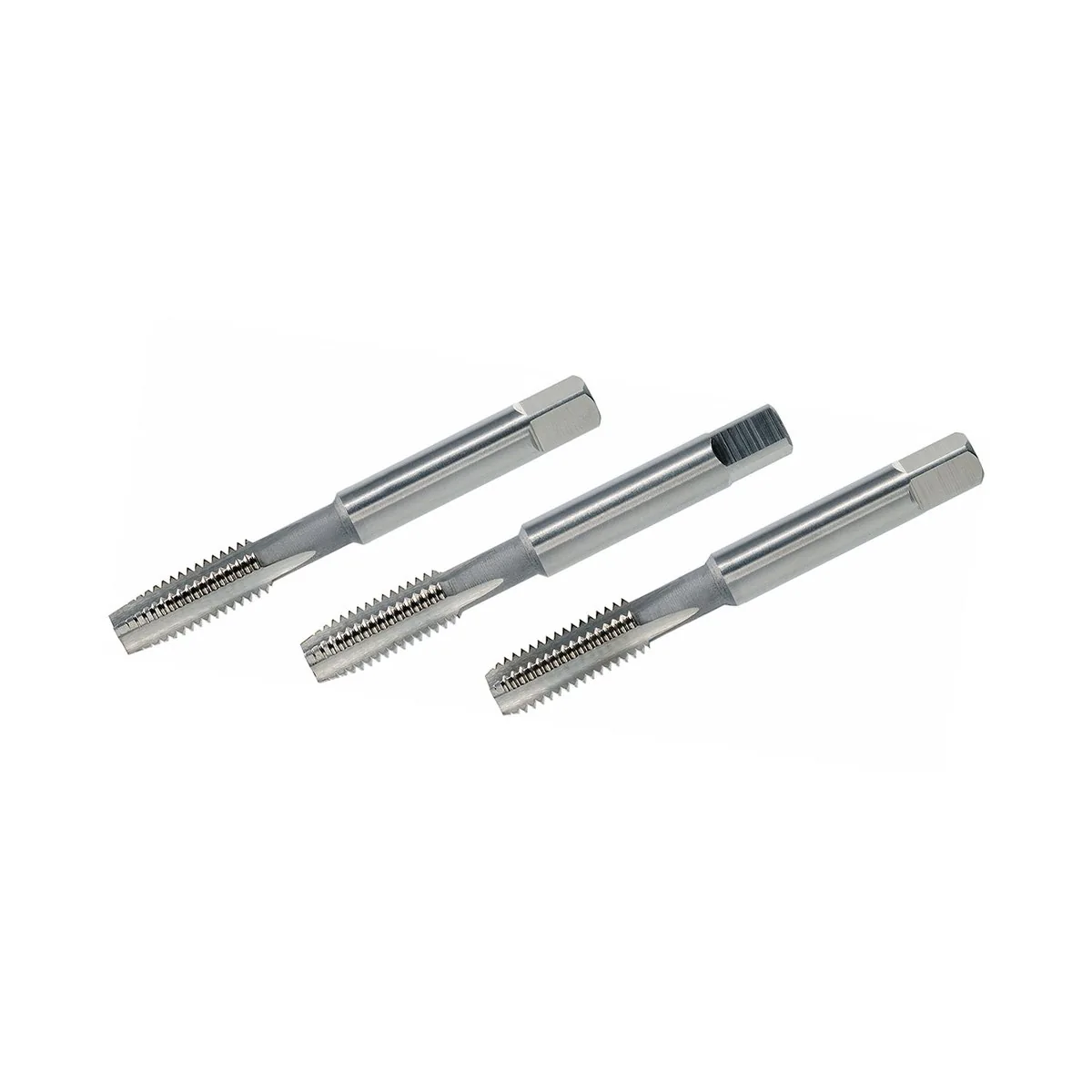
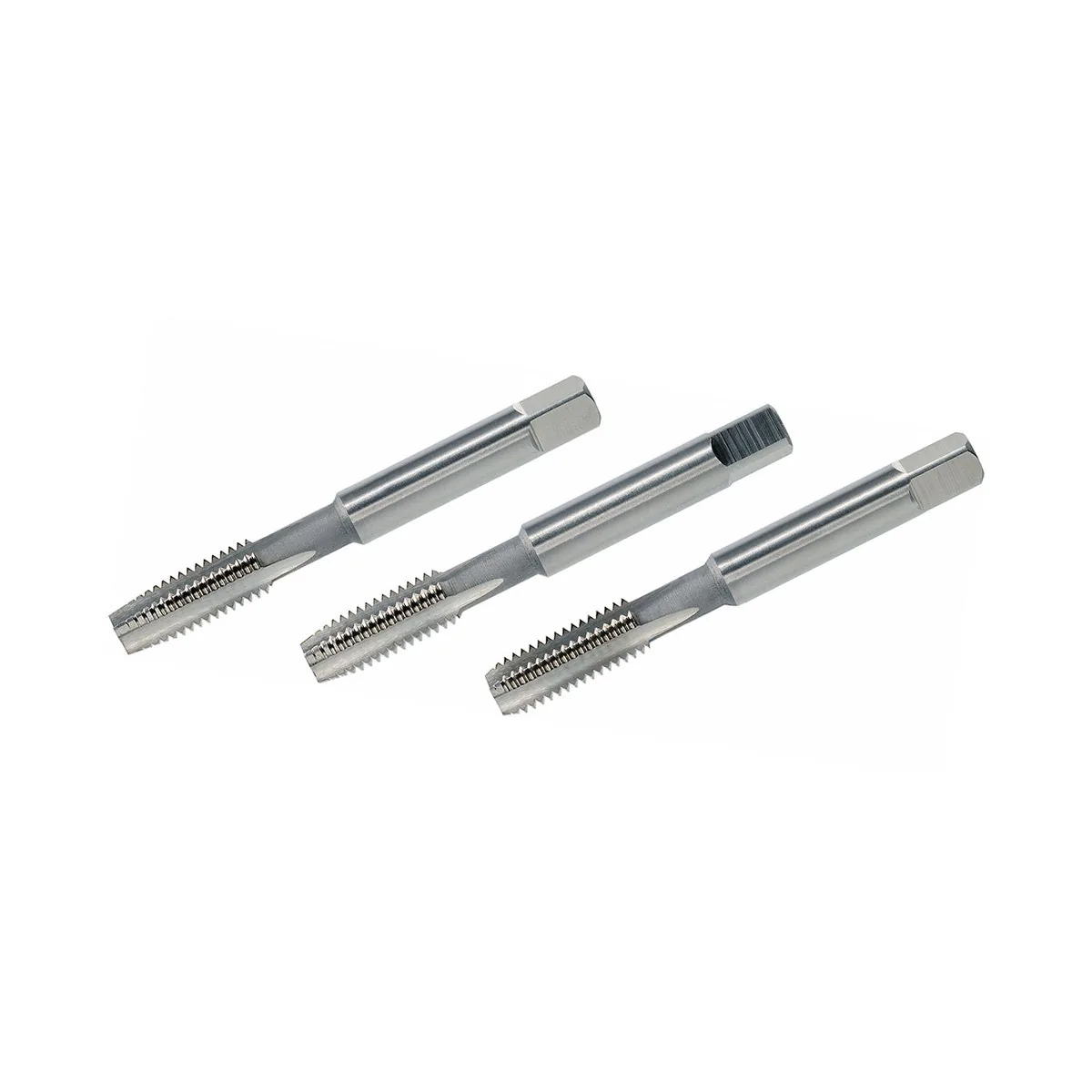
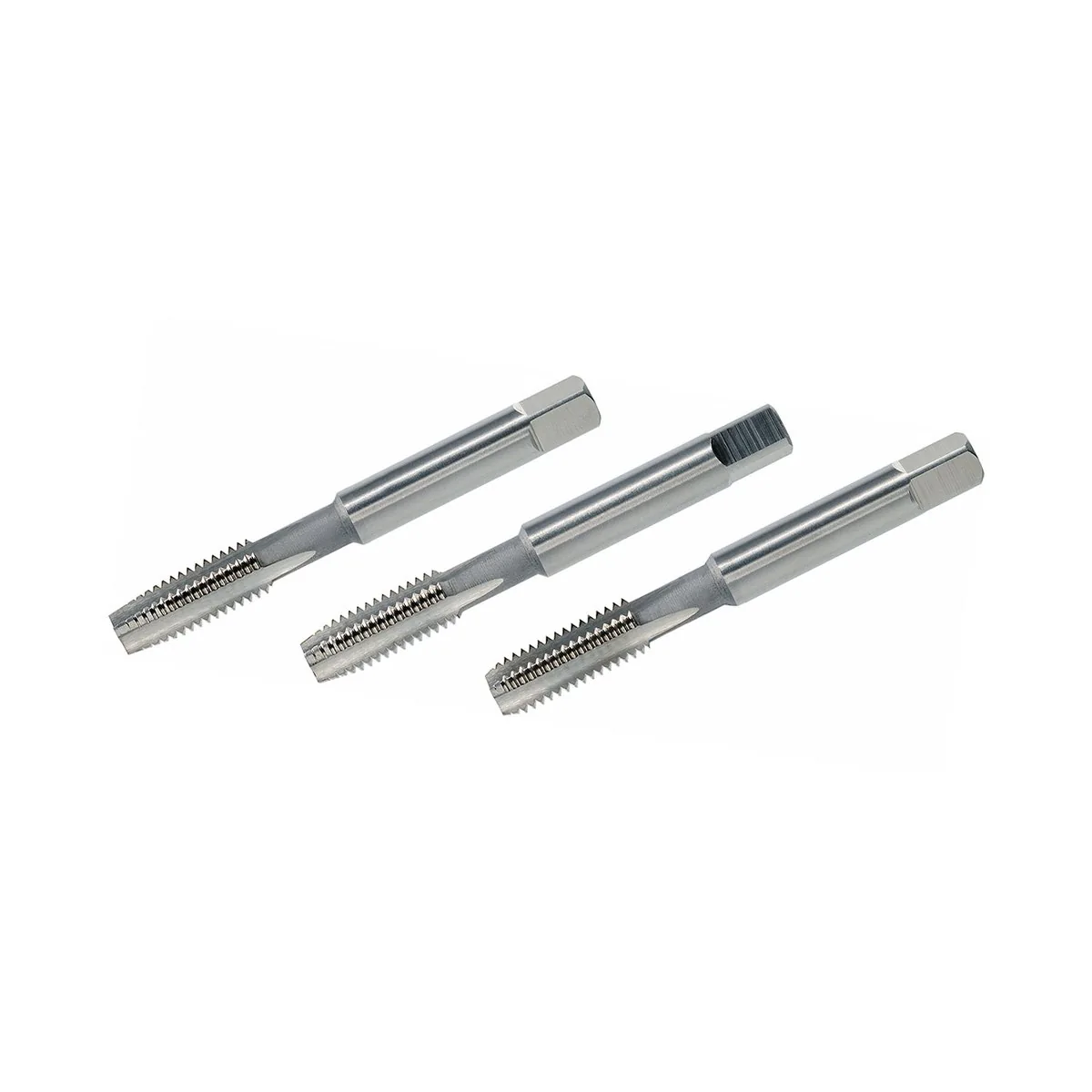
You apply this tool in mechanical engineering and repair work when controlled thread cutting is required. Choose the correct thread system and keep the tool square to avoid form errors.
HSS-G indicates ground high speed steel, typically used when you need a clean profile and stable tool guidance.
Note Verify the workpiece preparation before you start and stop if torque increases unexpectedly.
Do you need help selecting or using the product?
Use the contact form.
| Type of thread | Unified thread |
|---|---|
| Standard | ISO 529 |
| Material | HSS-G |
| Tolerance | 2B |
| Size | UN 1.3/4 x 8 |
| Overall length (L1) | 187 mm |
| Thread length (L2) | 67 mm |
| Core hole diameter (D1) | 41.5 mm |
| Shank diameter (D2) | 31.5 mm |
| Drive connector | 25.0 mm |
| EAN | 4022835829485 |
| Item number | 82948 |
| Type of flute | straight fluted |
| Application | for through and blind holes |
| Thread standard | ANSI B 1.1 |