Áo sơ mi chạy bộ
 Bộ mũi khoan
 taro
Bộ mũi khoét
Bộ mũi khoan
Bộ mũi khoan taro
Bộ mũi khoét
 Bộ mũi taro ren trong
 Bộ sửa ren
 Bôi trơn cắt ren
Cặp taro máy + mũi khoan
Bôi trơn cắt ren
Cặp taro máy + mũi khoan
 Dụng cụ bẻ chân ren
 Dưỡng đo ren ngoai
 Dưỡng đo ren trong
Mũi doa vát mép
Mũi khoan kim loại
Dưỡng đo ren trong
Mũi doa vát mép
Mũi khoan kim loại
 Mũi taro cho ren cấy
Mũi taro ren trong
Mũi taro cho ren cấy
Mũi taro ren trong
 Ren cấy V-coil
 Taro ren máy
Taro ren tay
Tay cấy ren
Tay quay bàn ren
Tay quay taro trong
Taro ren máy
Taro ren tay
Tay cấy ren
Tay quay bàn ren
Tay quay taro trong
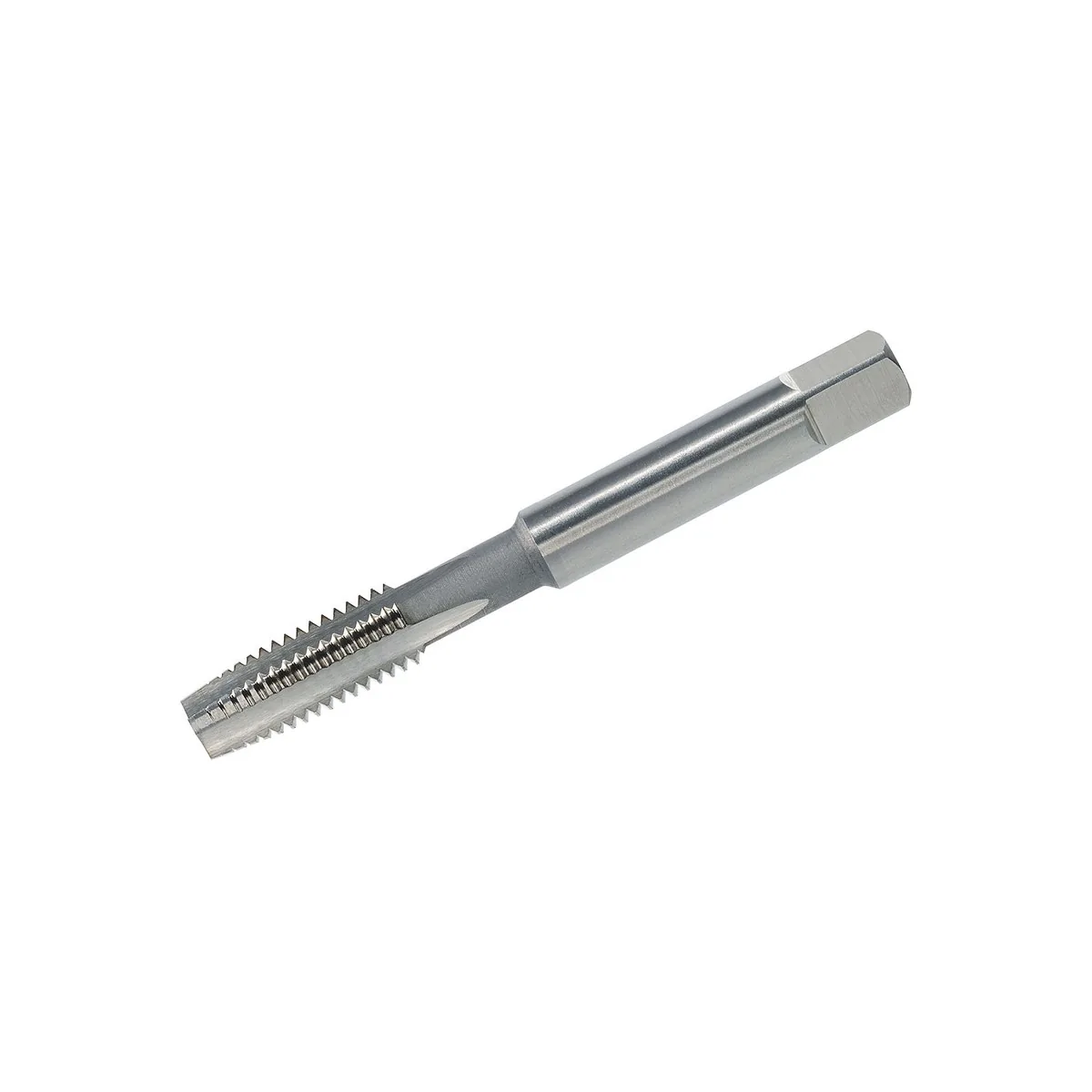

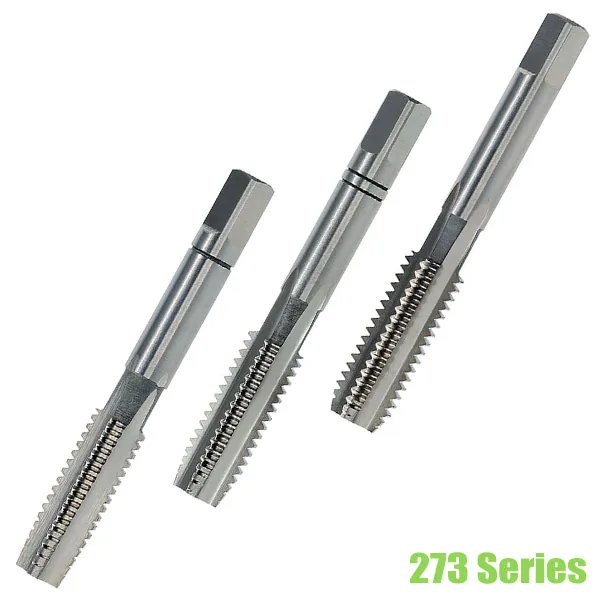
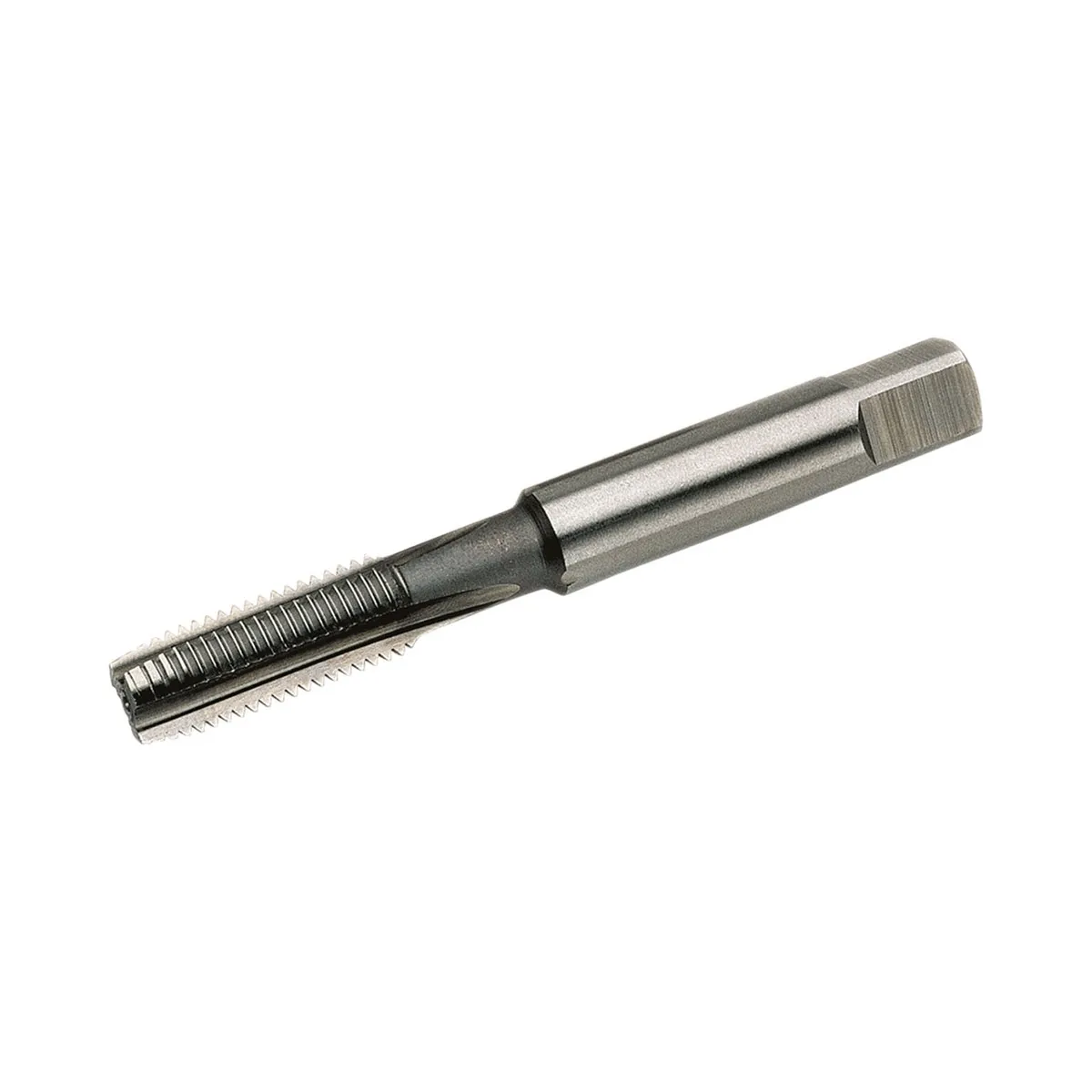
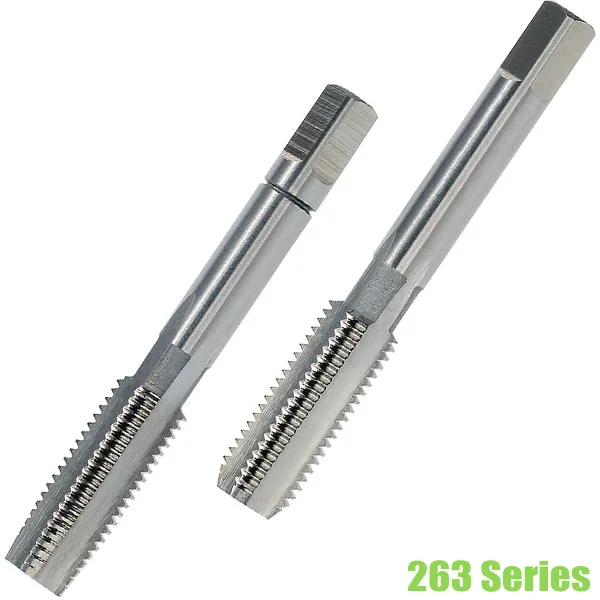
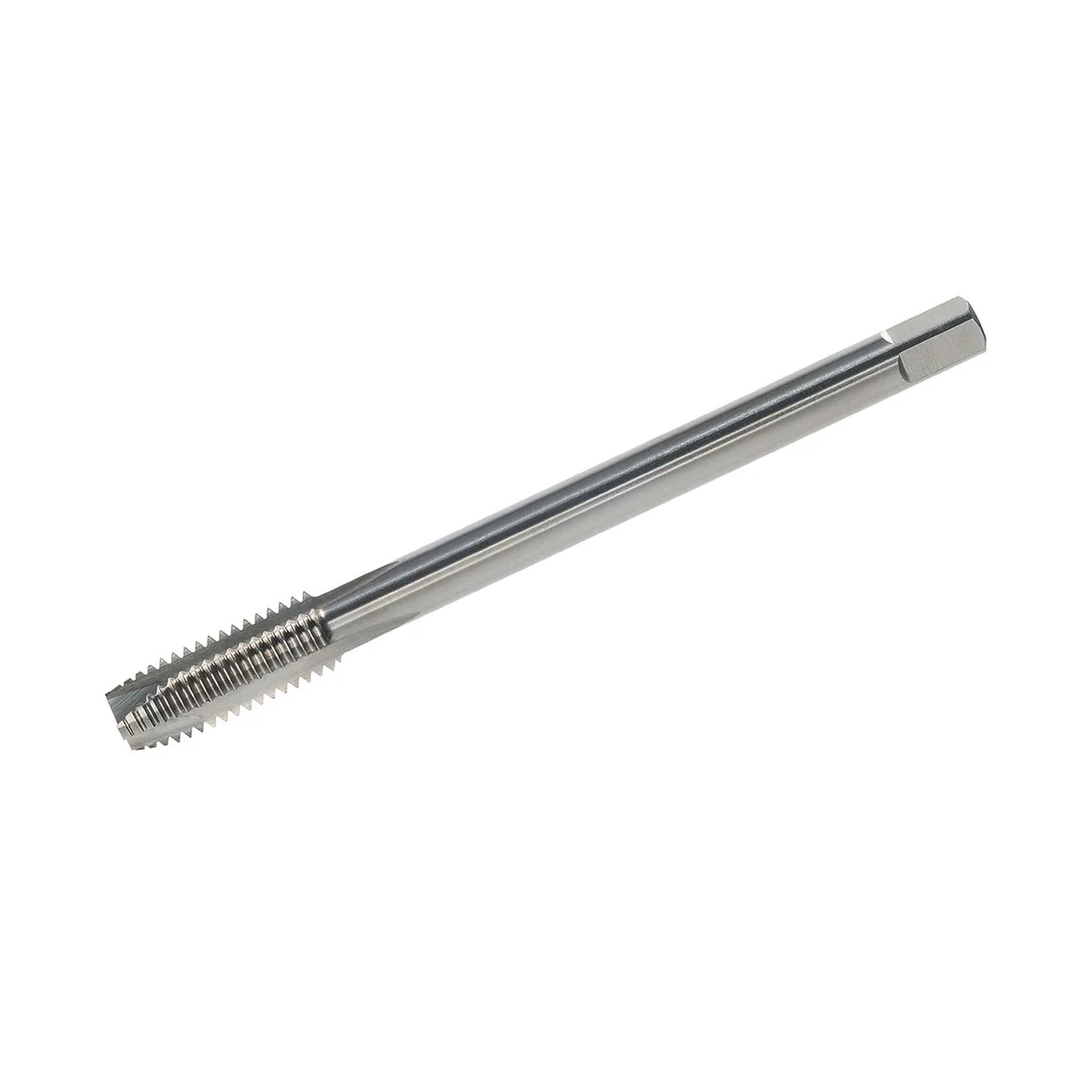
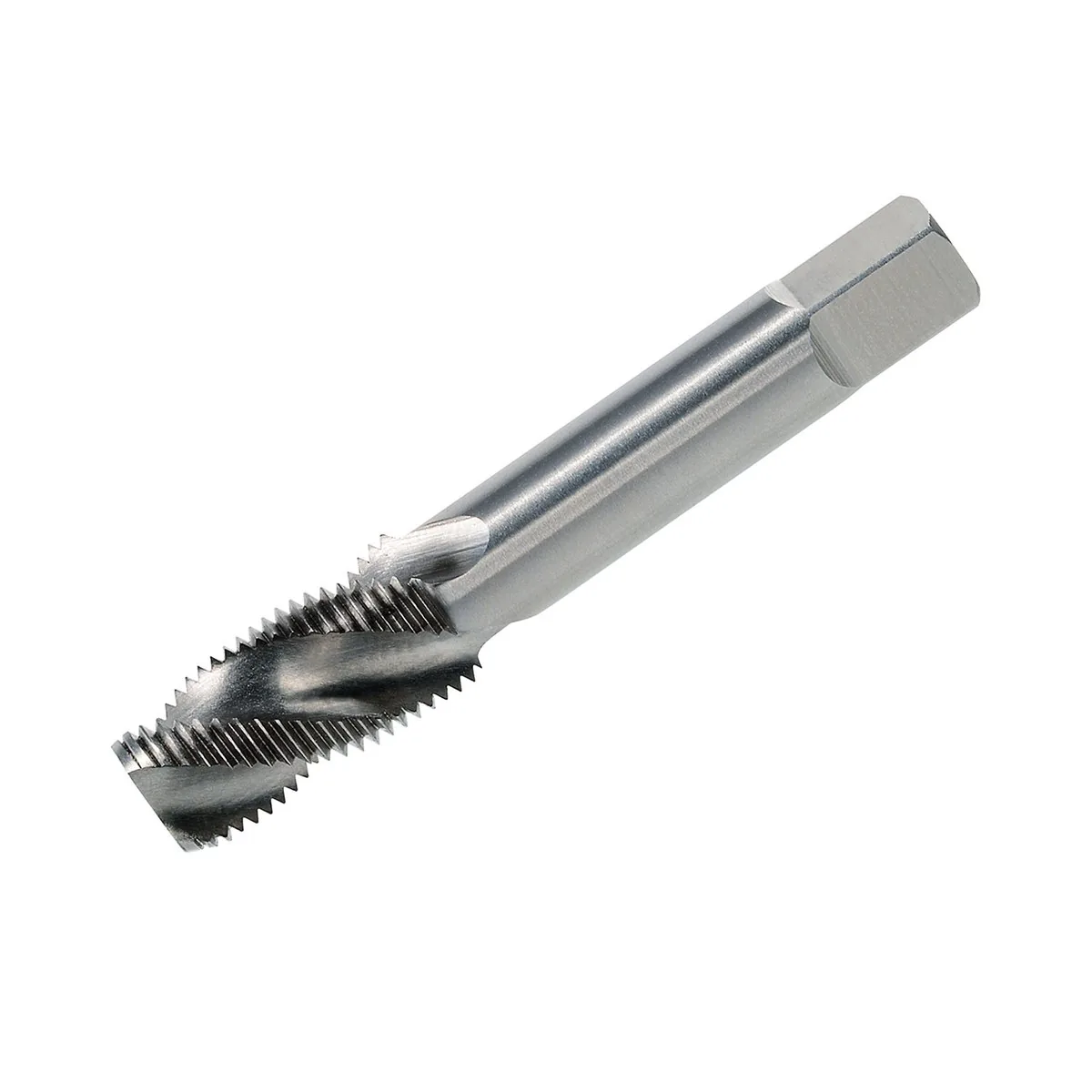
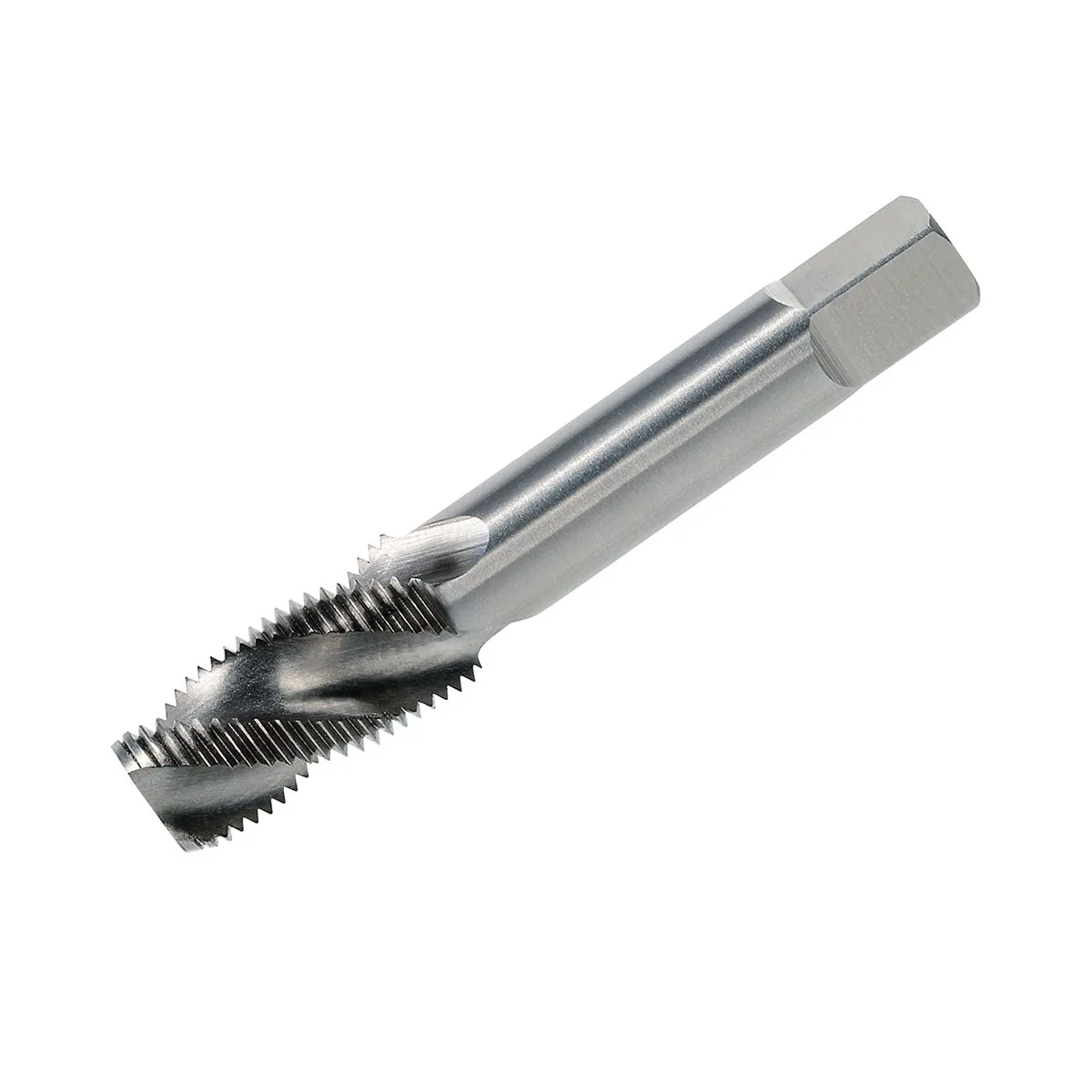
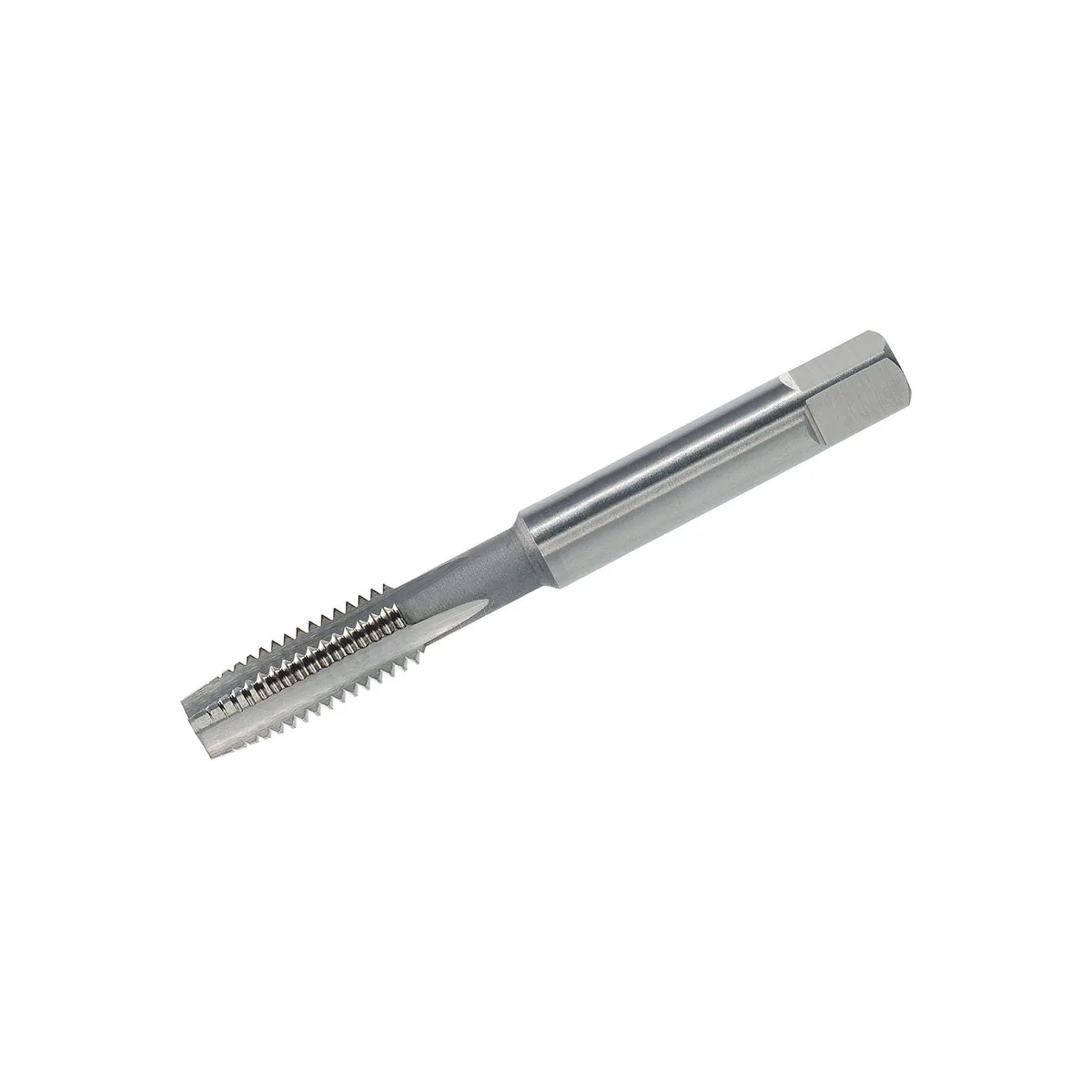
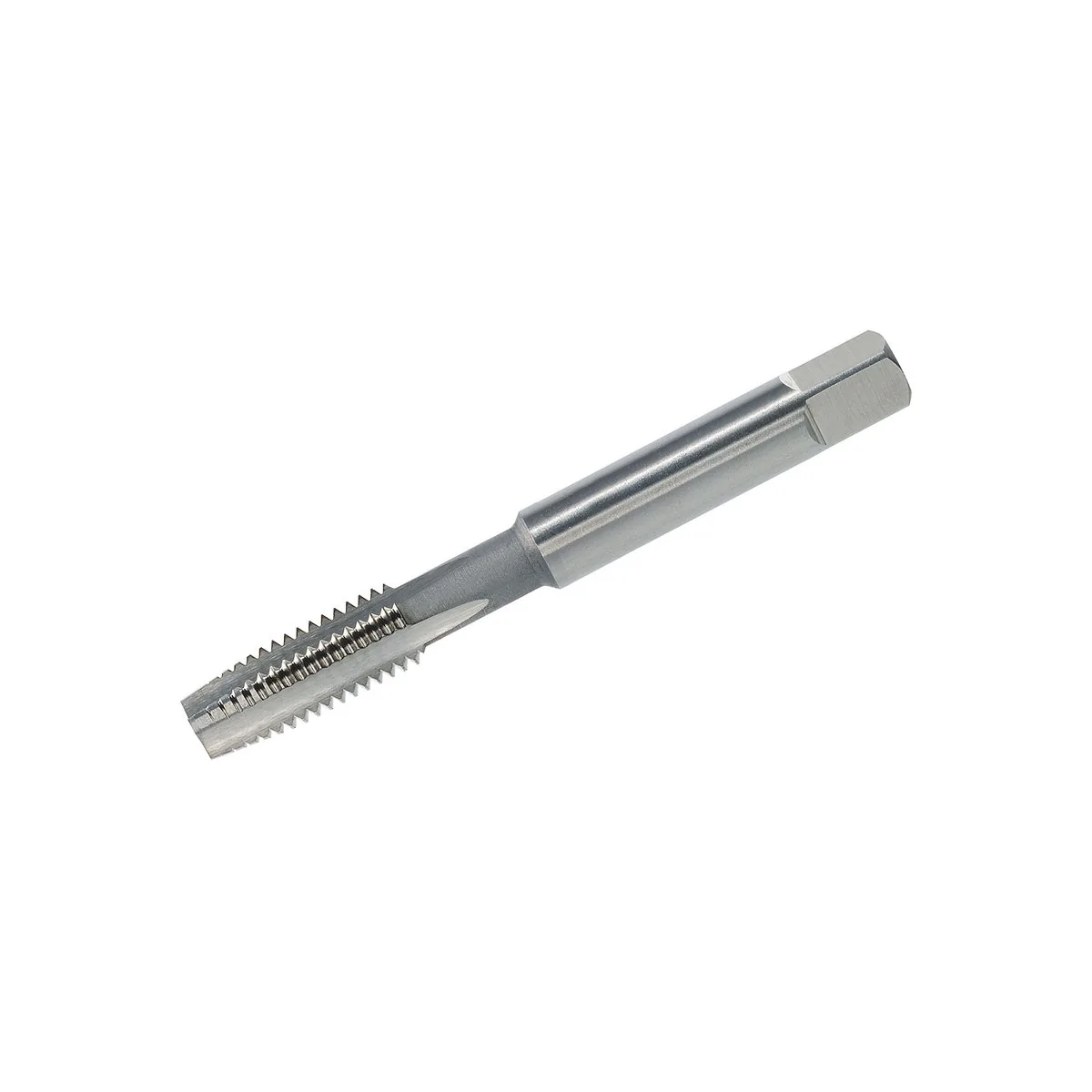
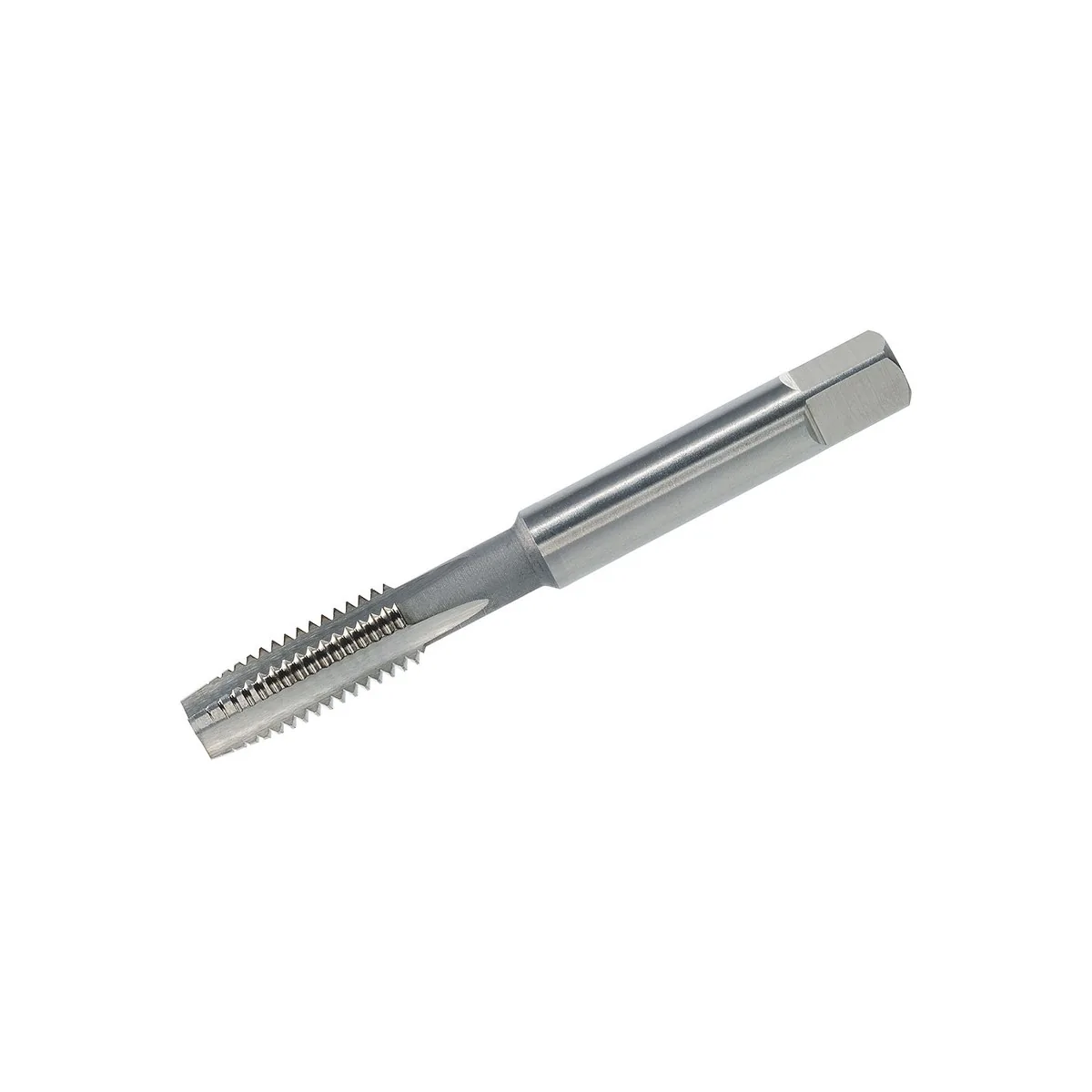
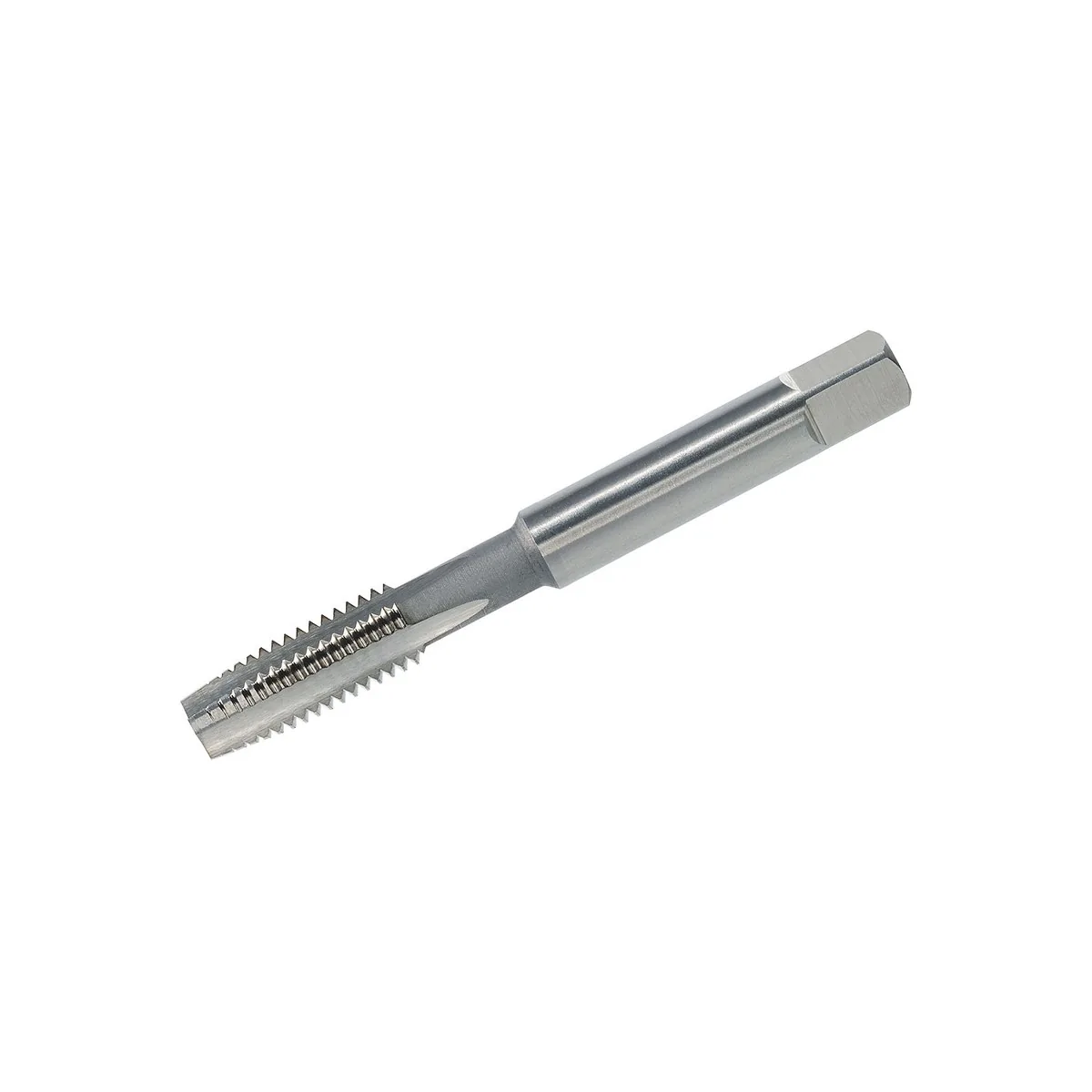
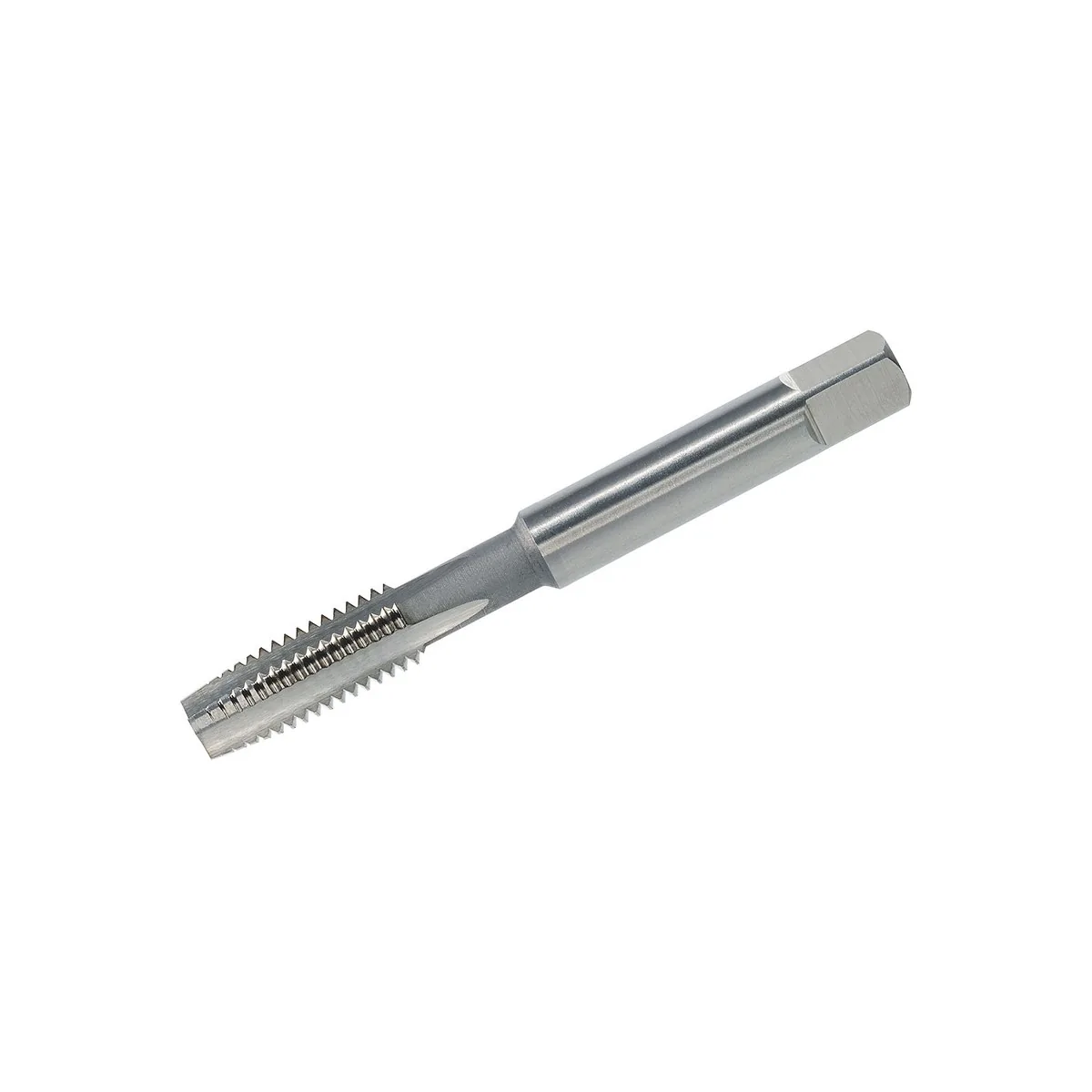
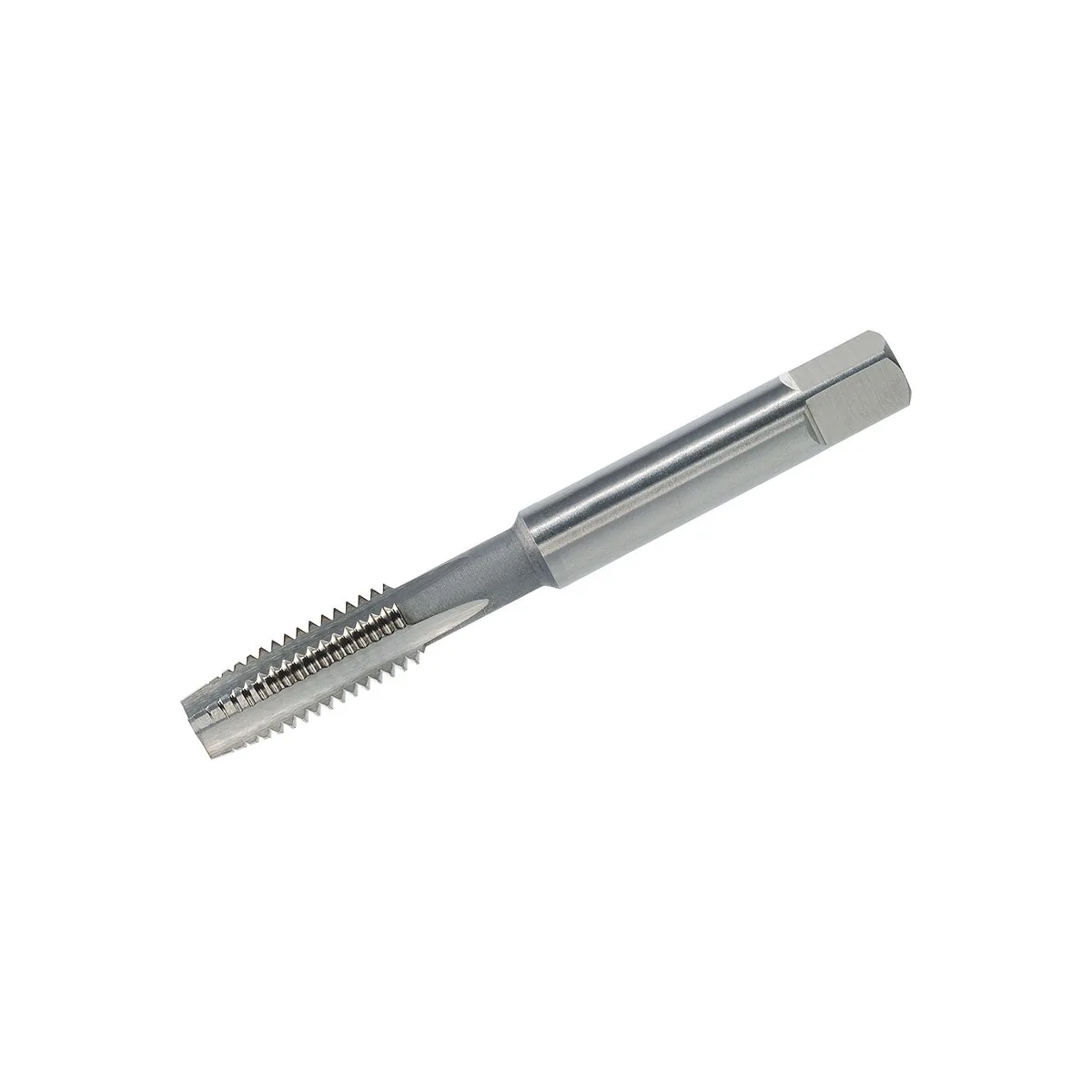
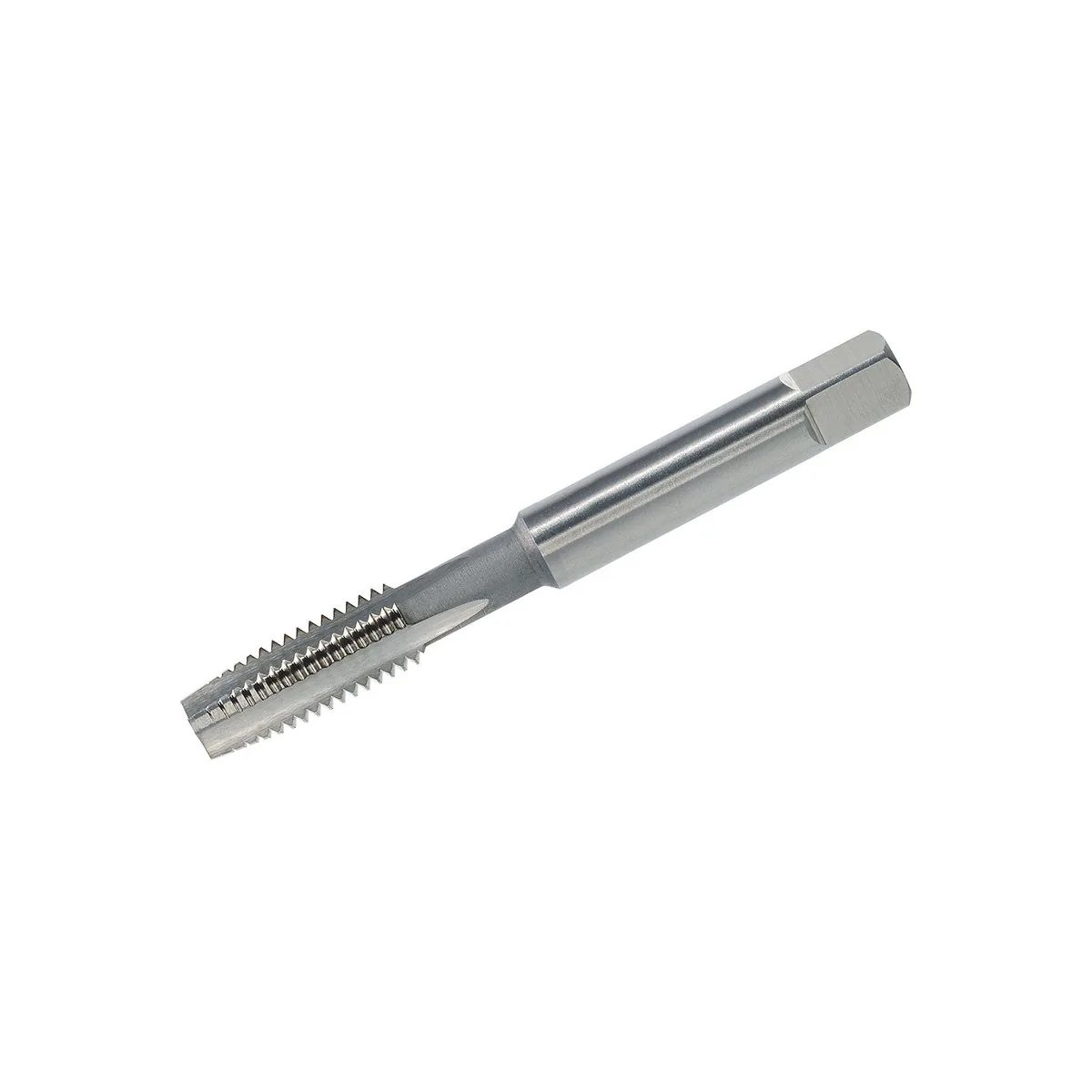
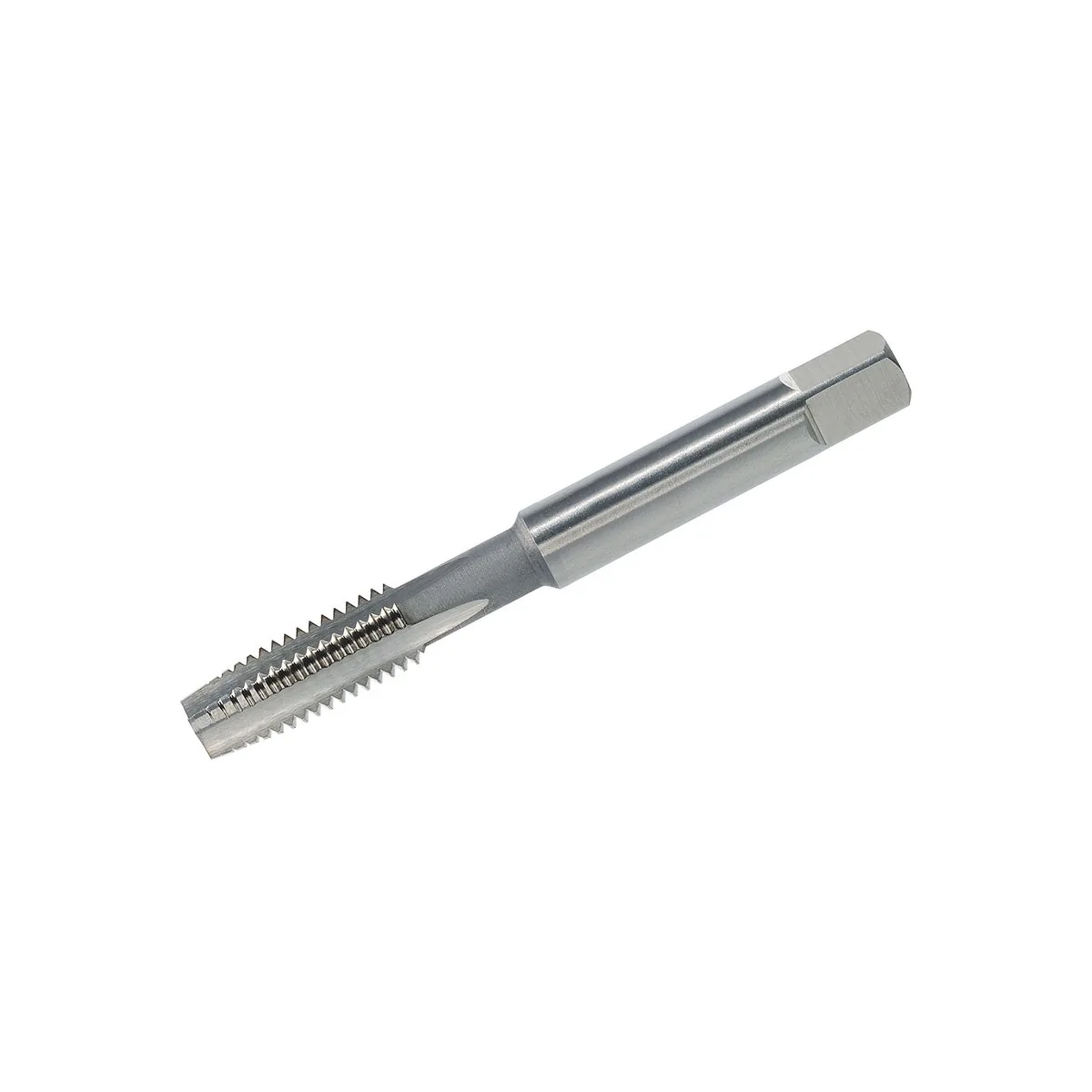
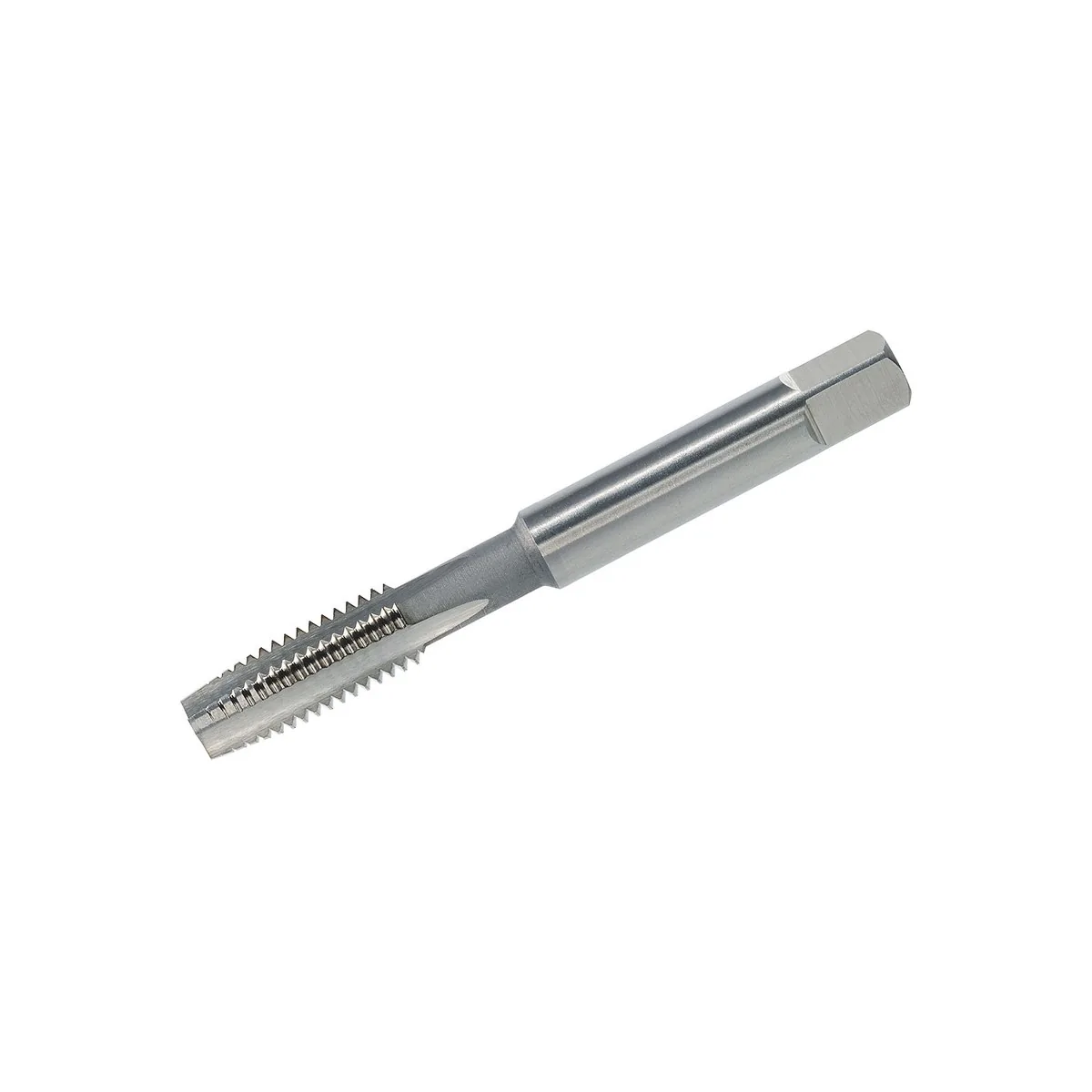
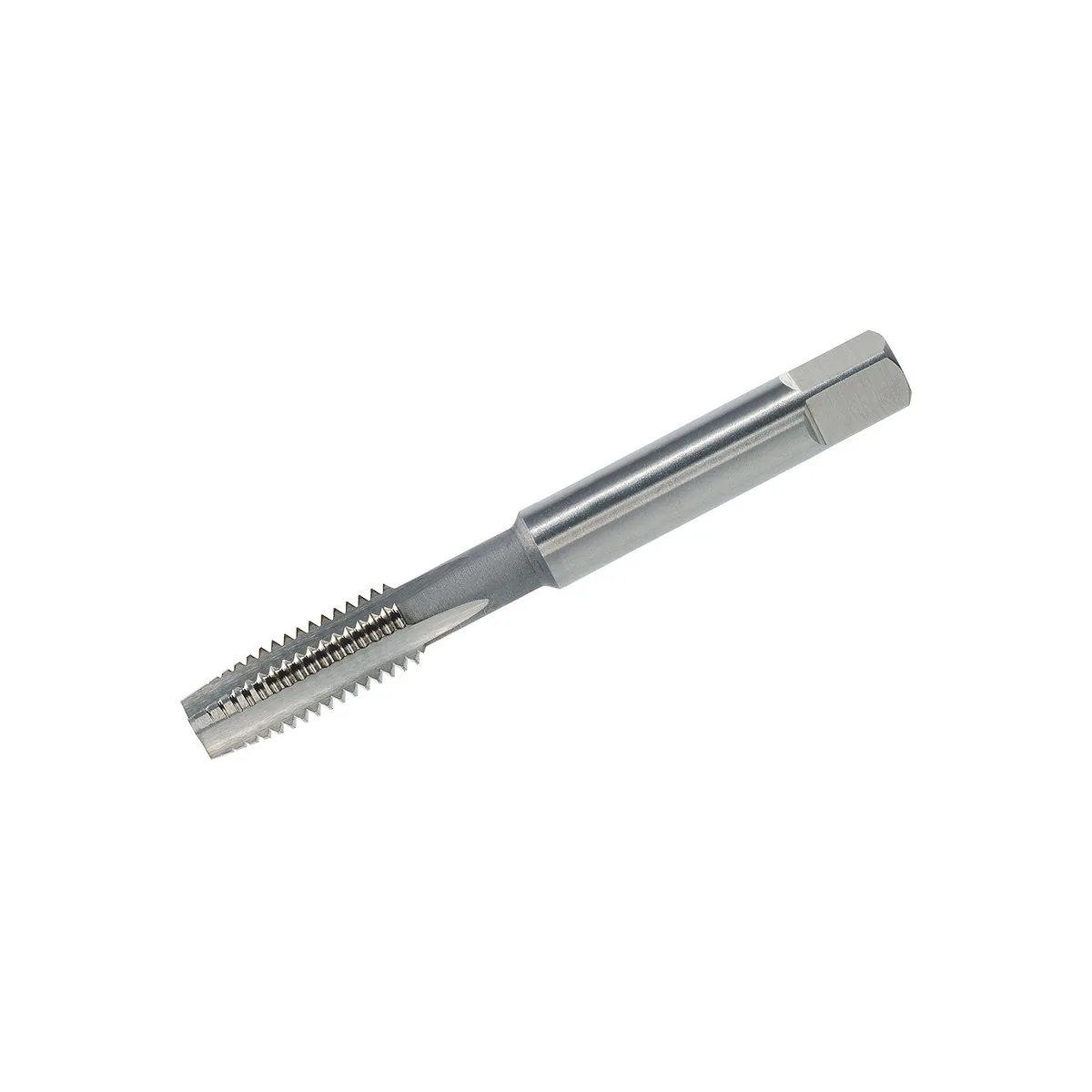
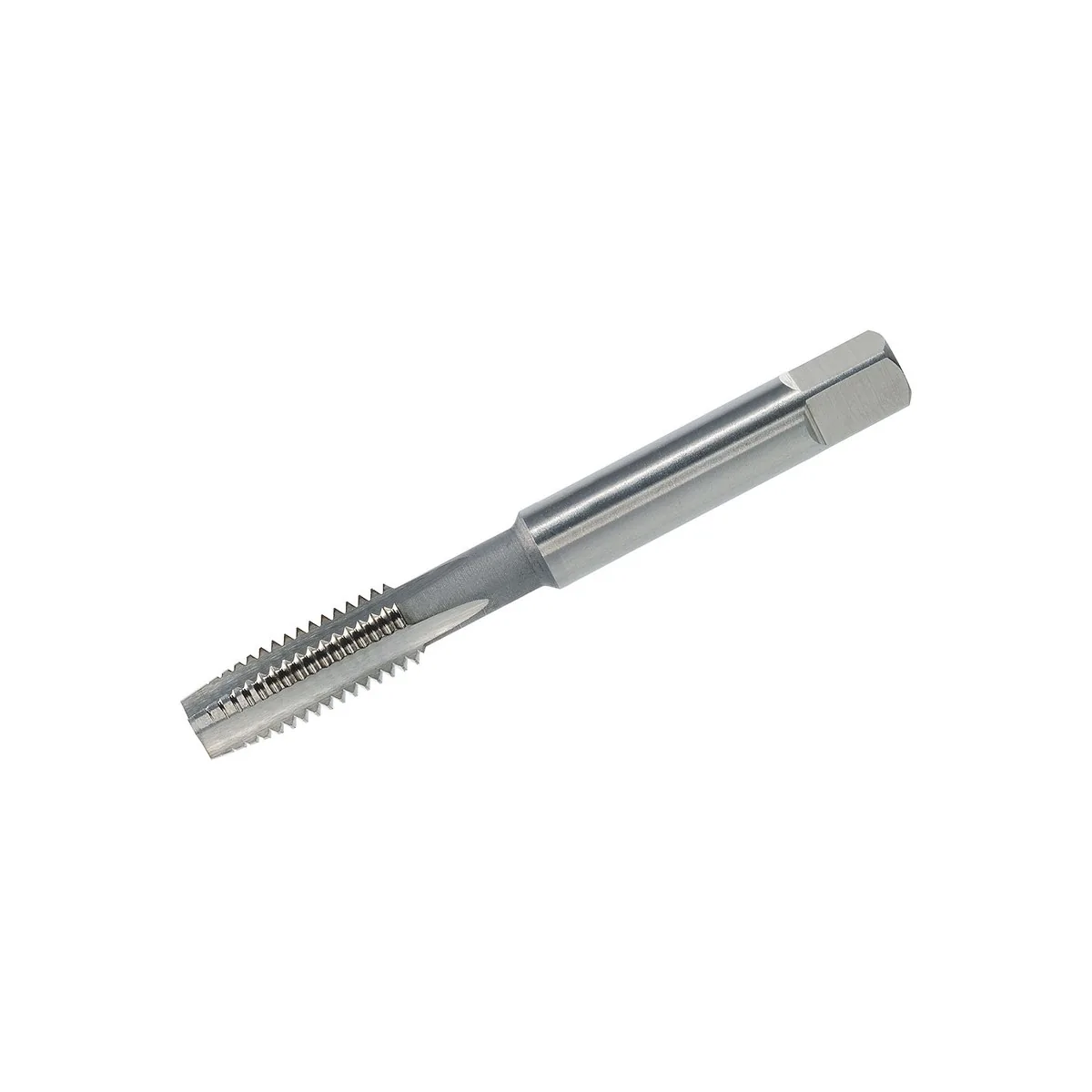
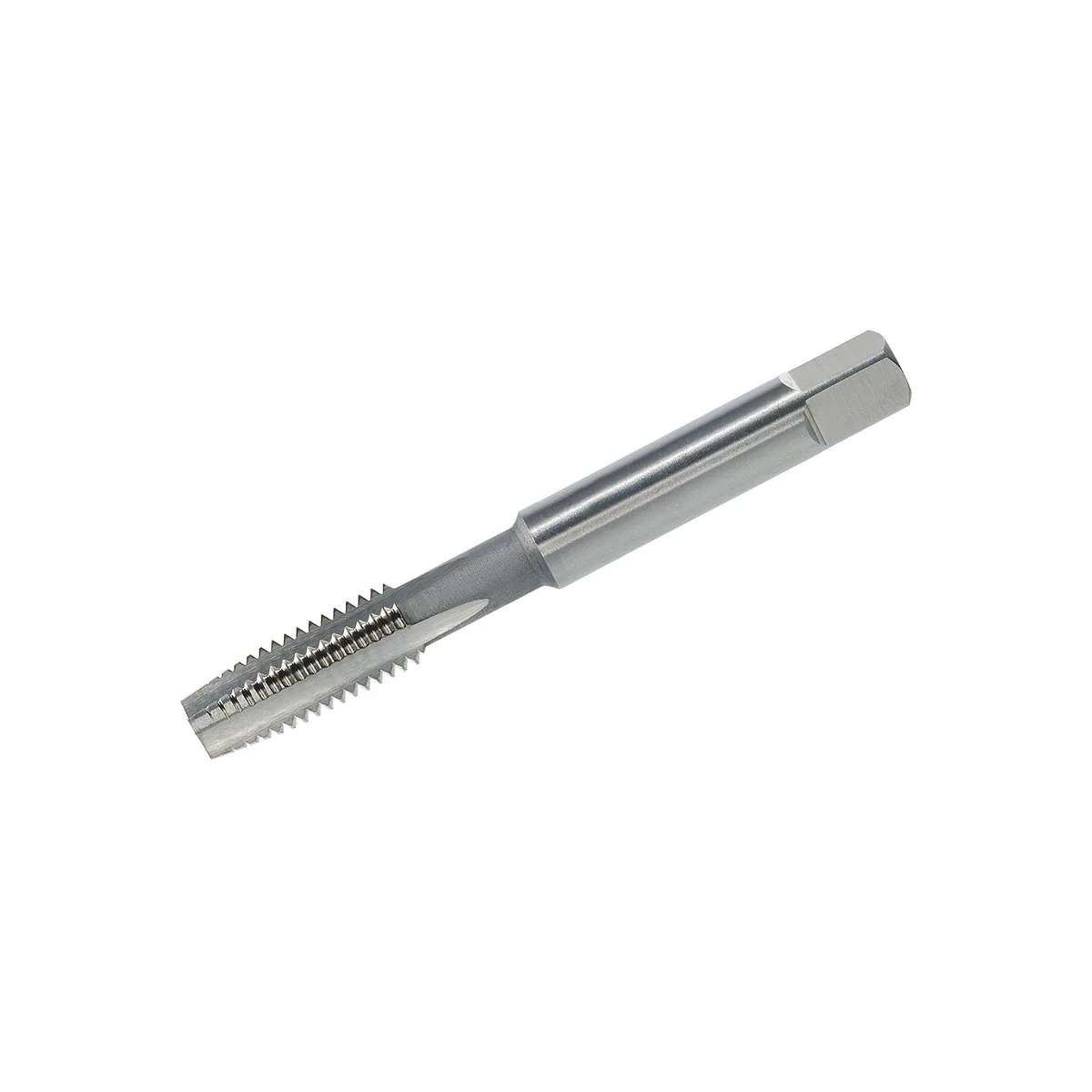
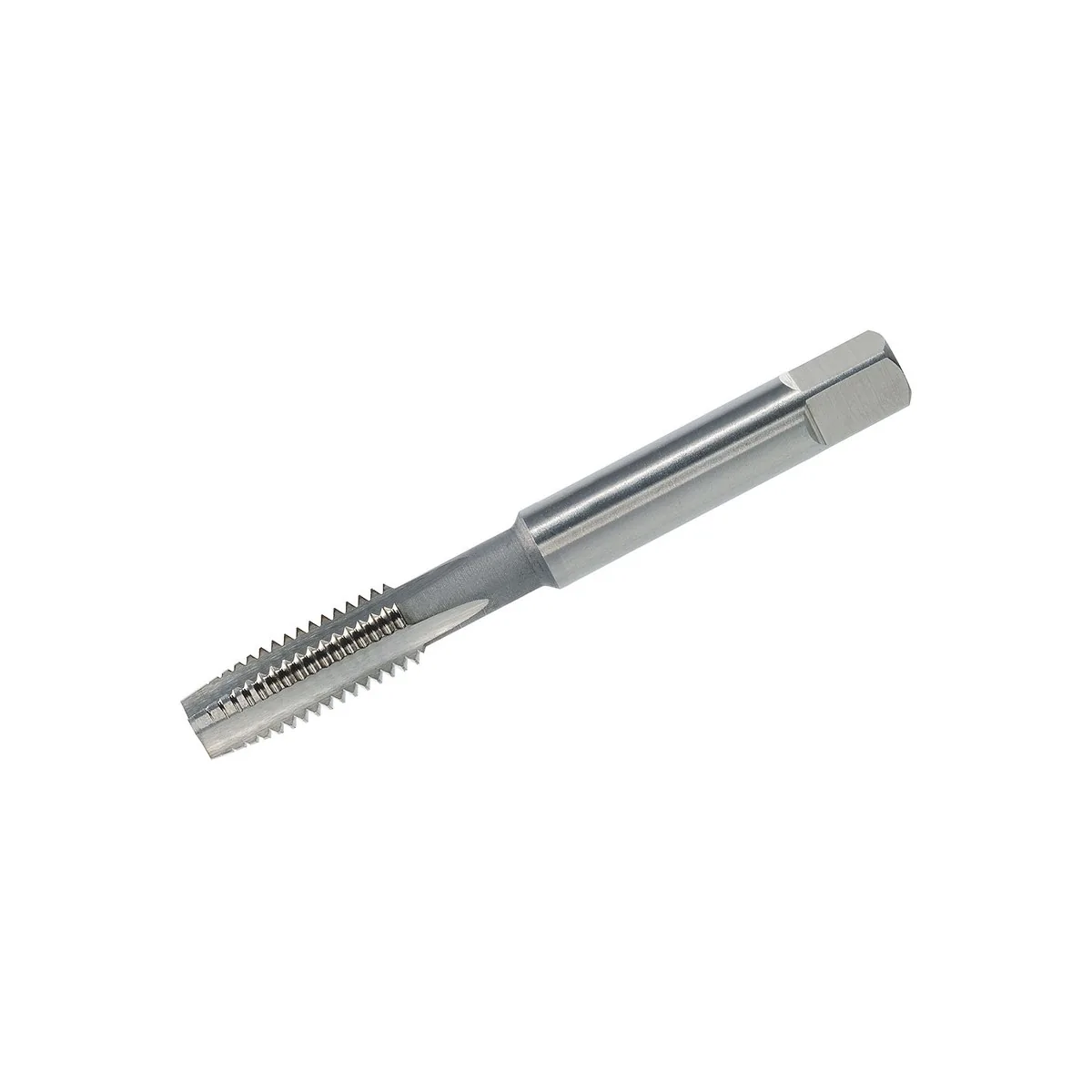
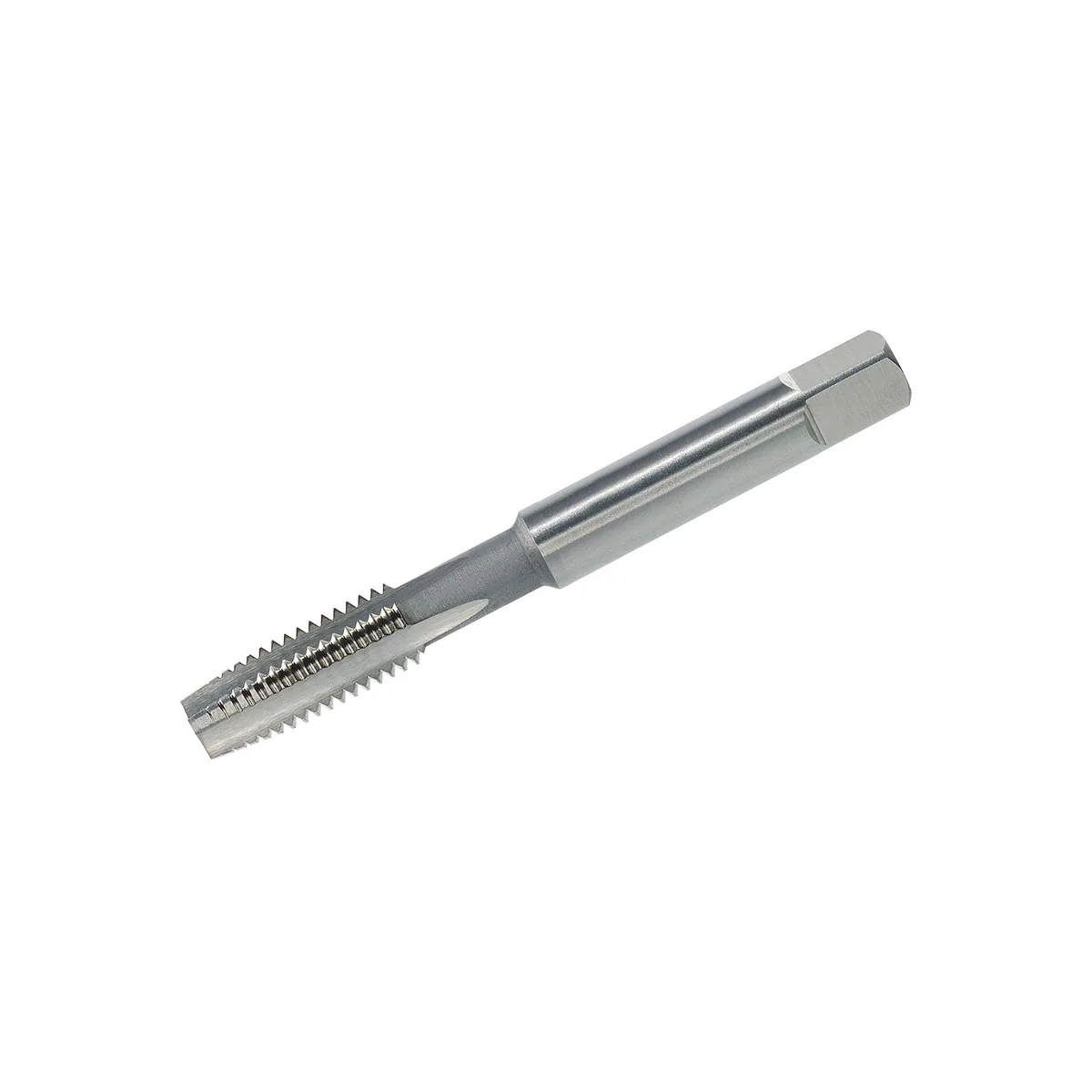
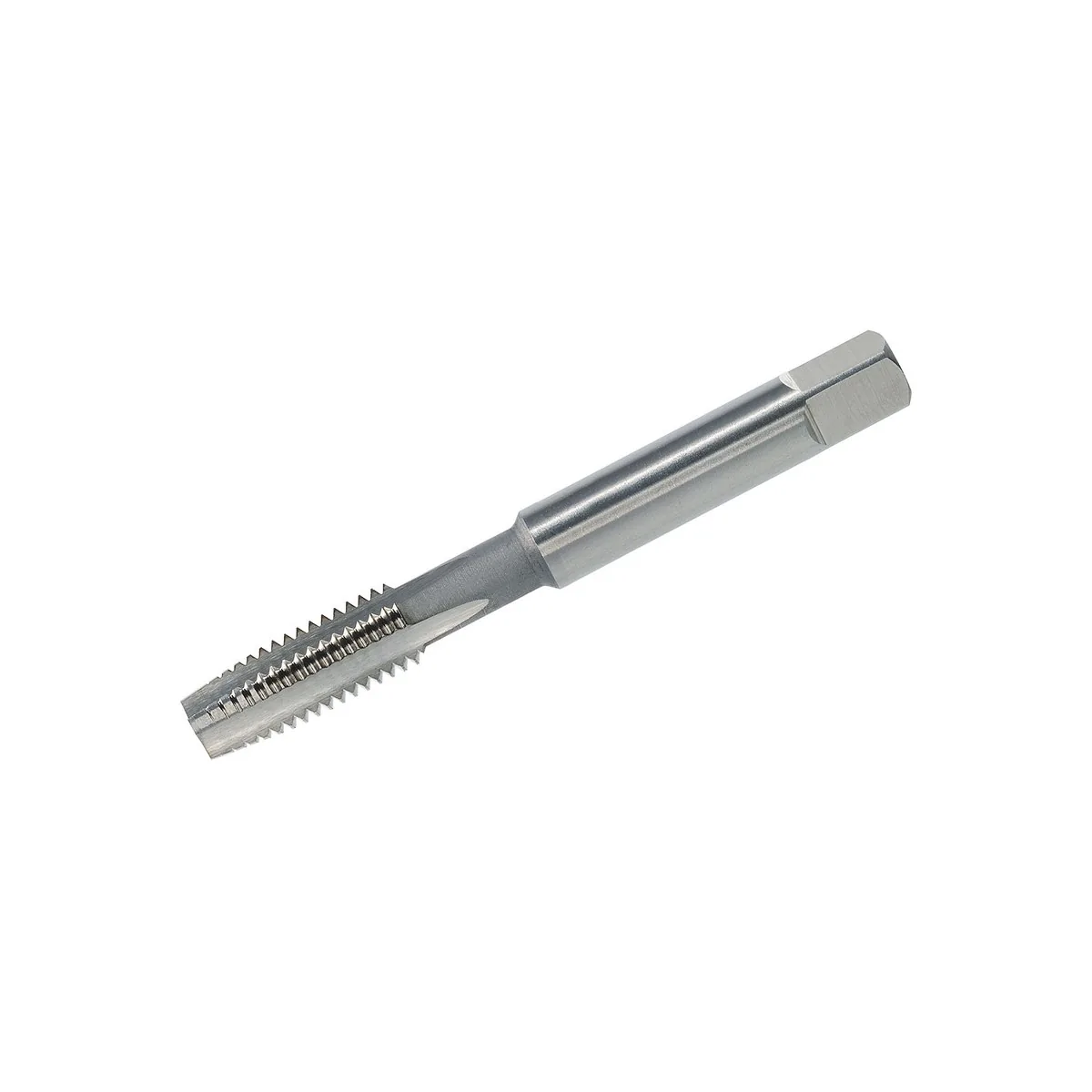
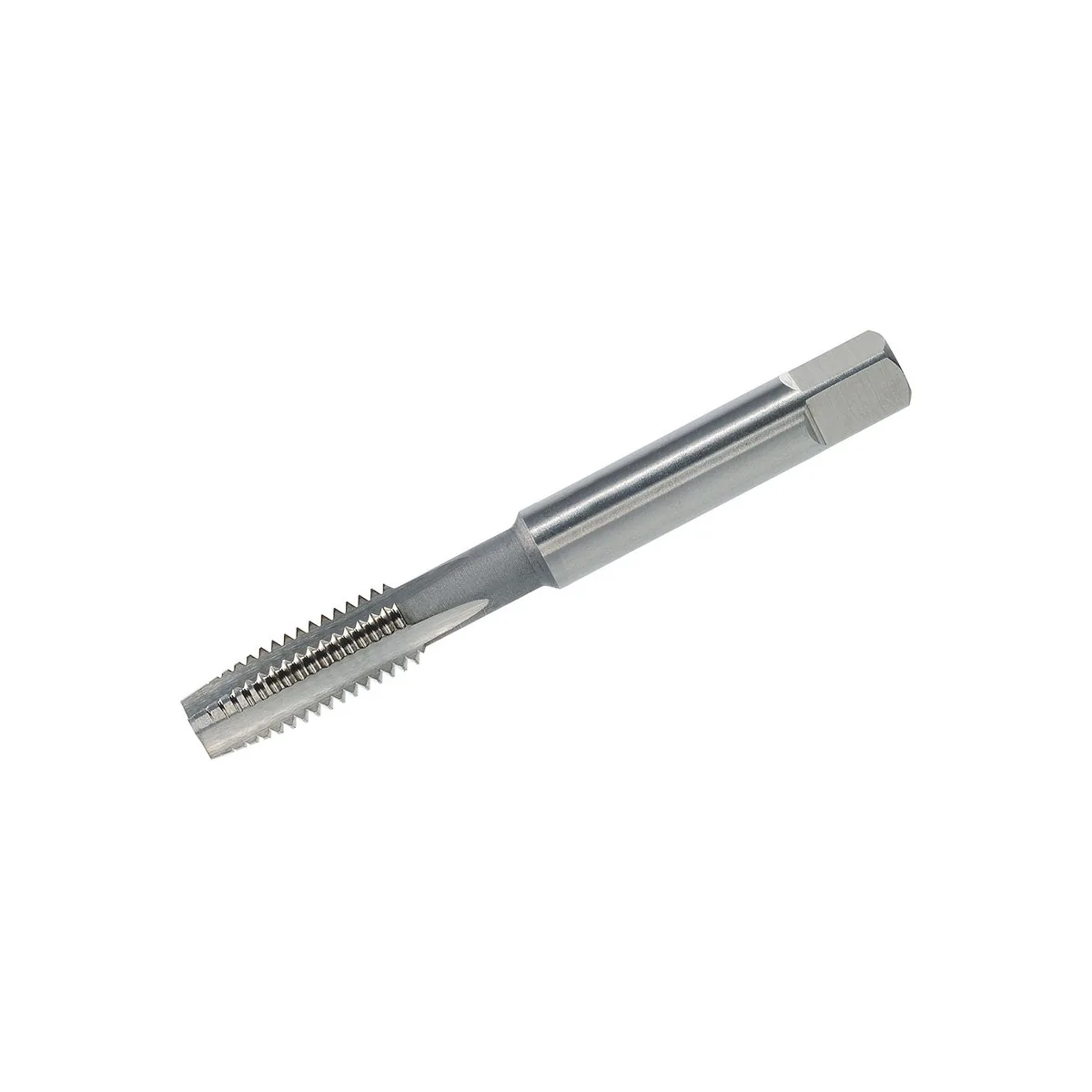
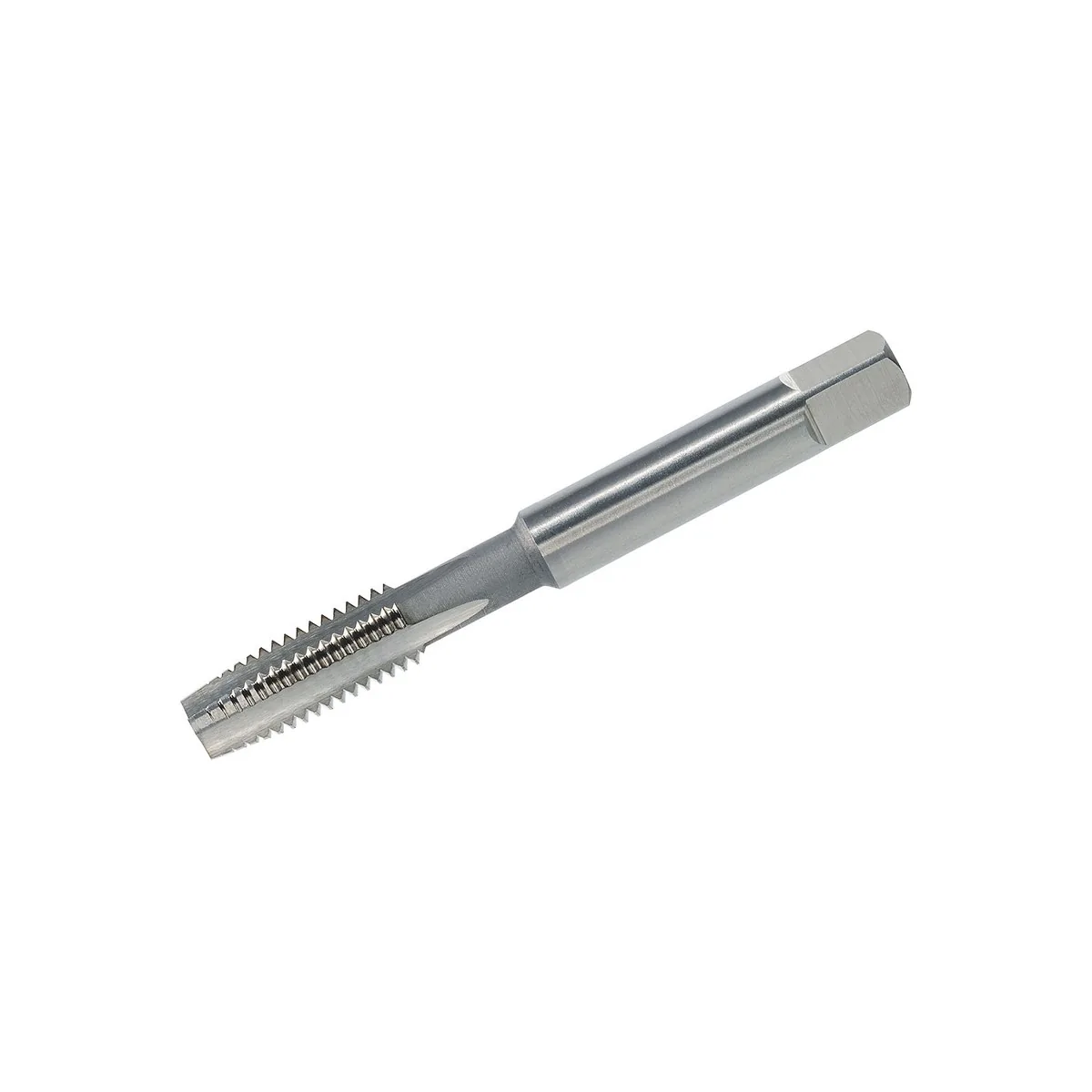
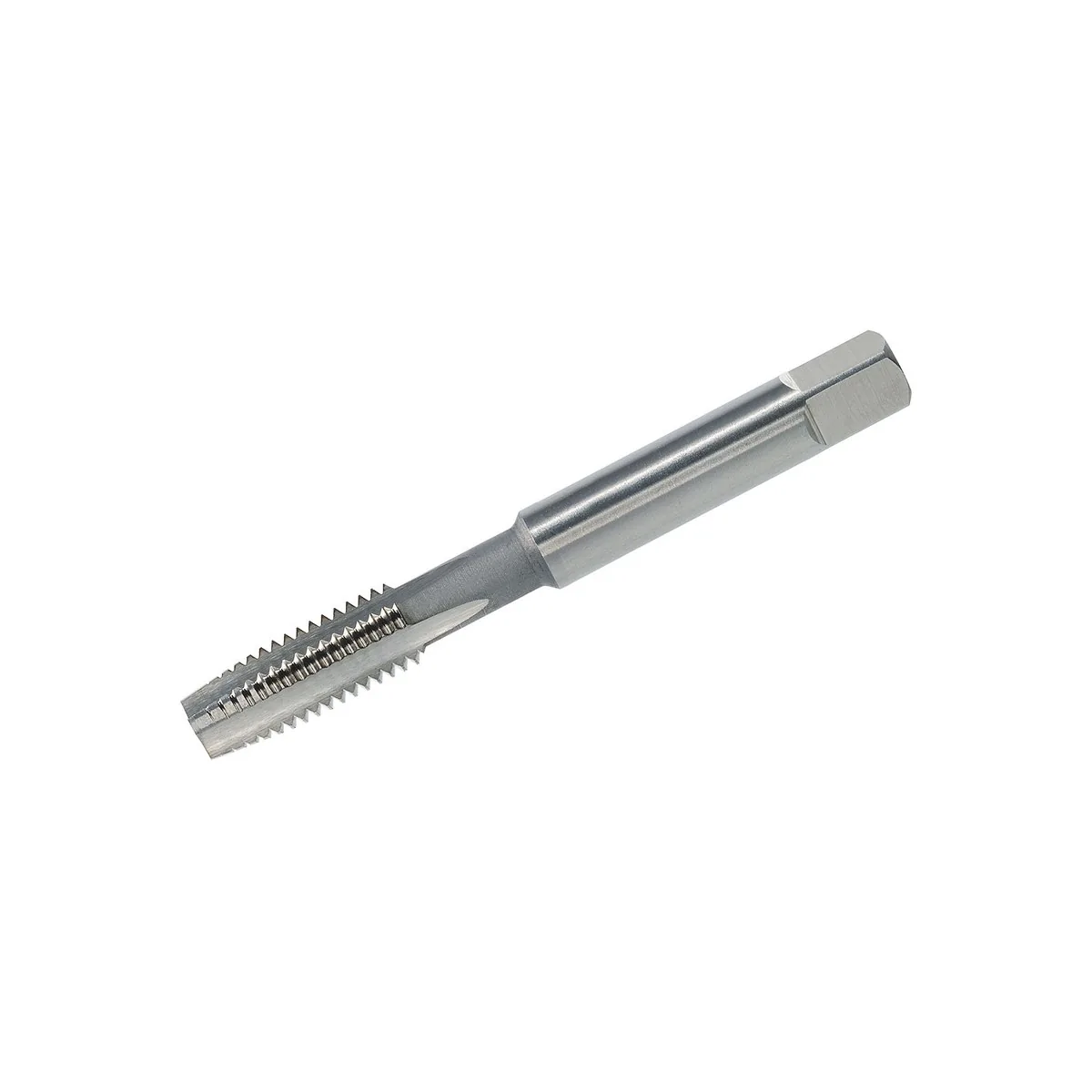
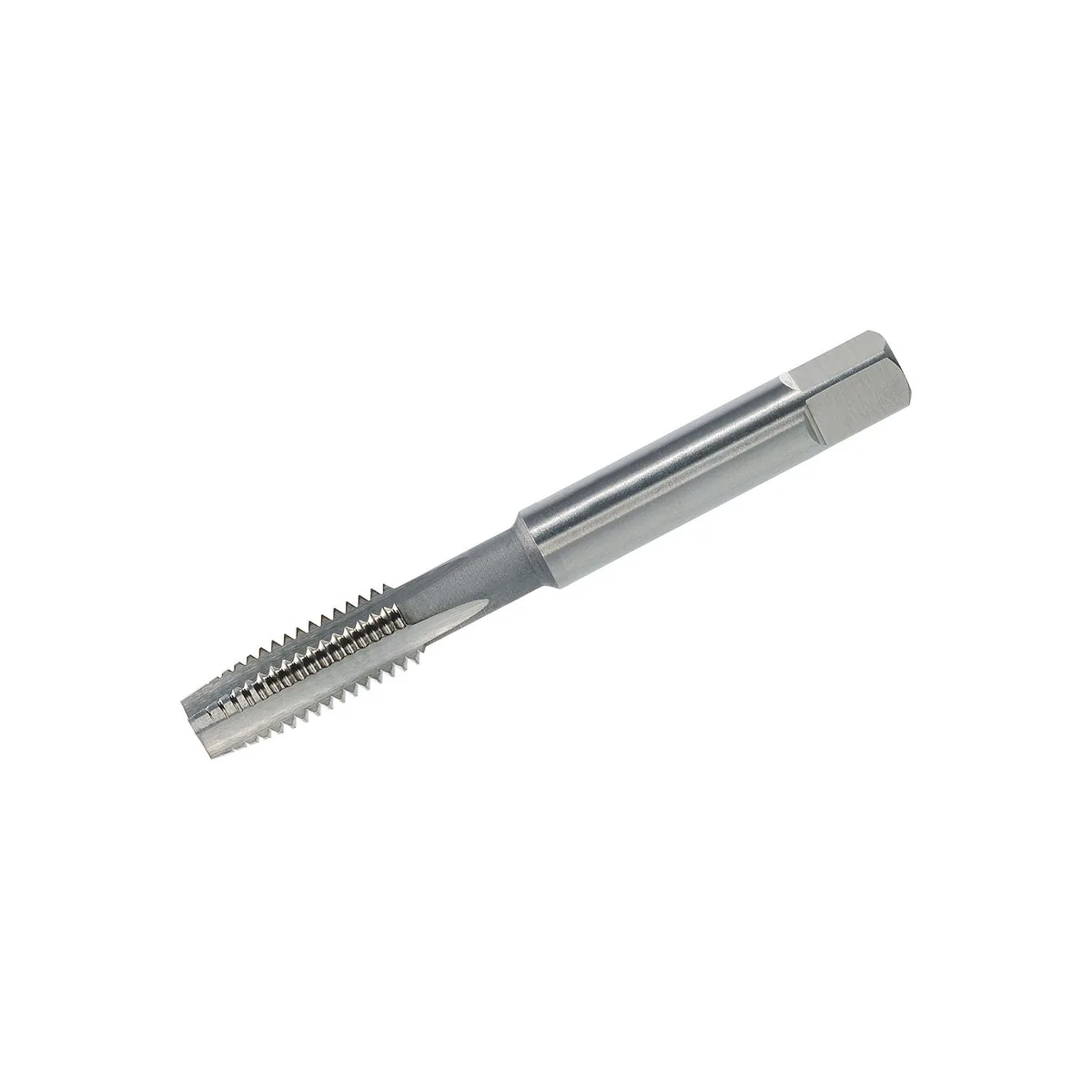
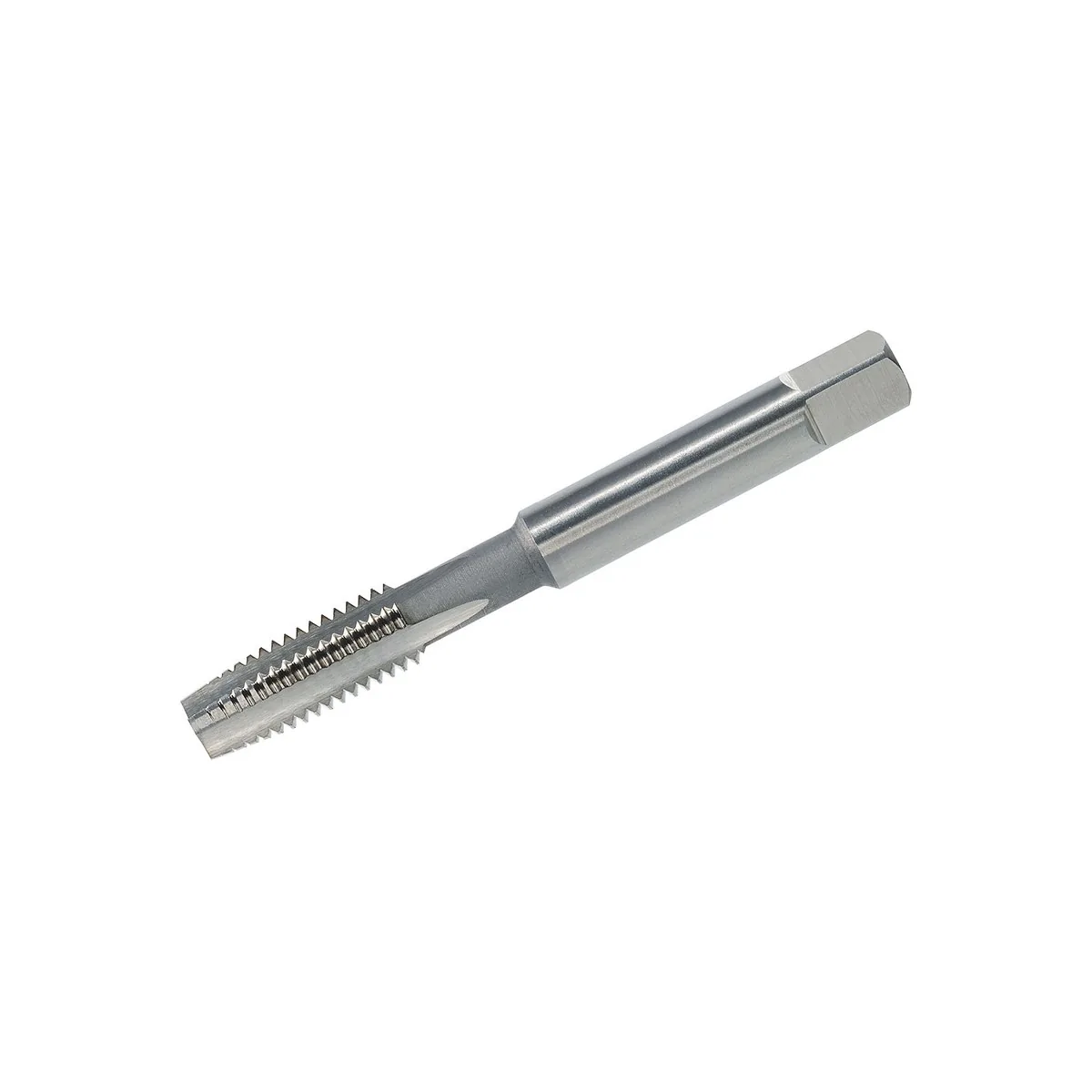
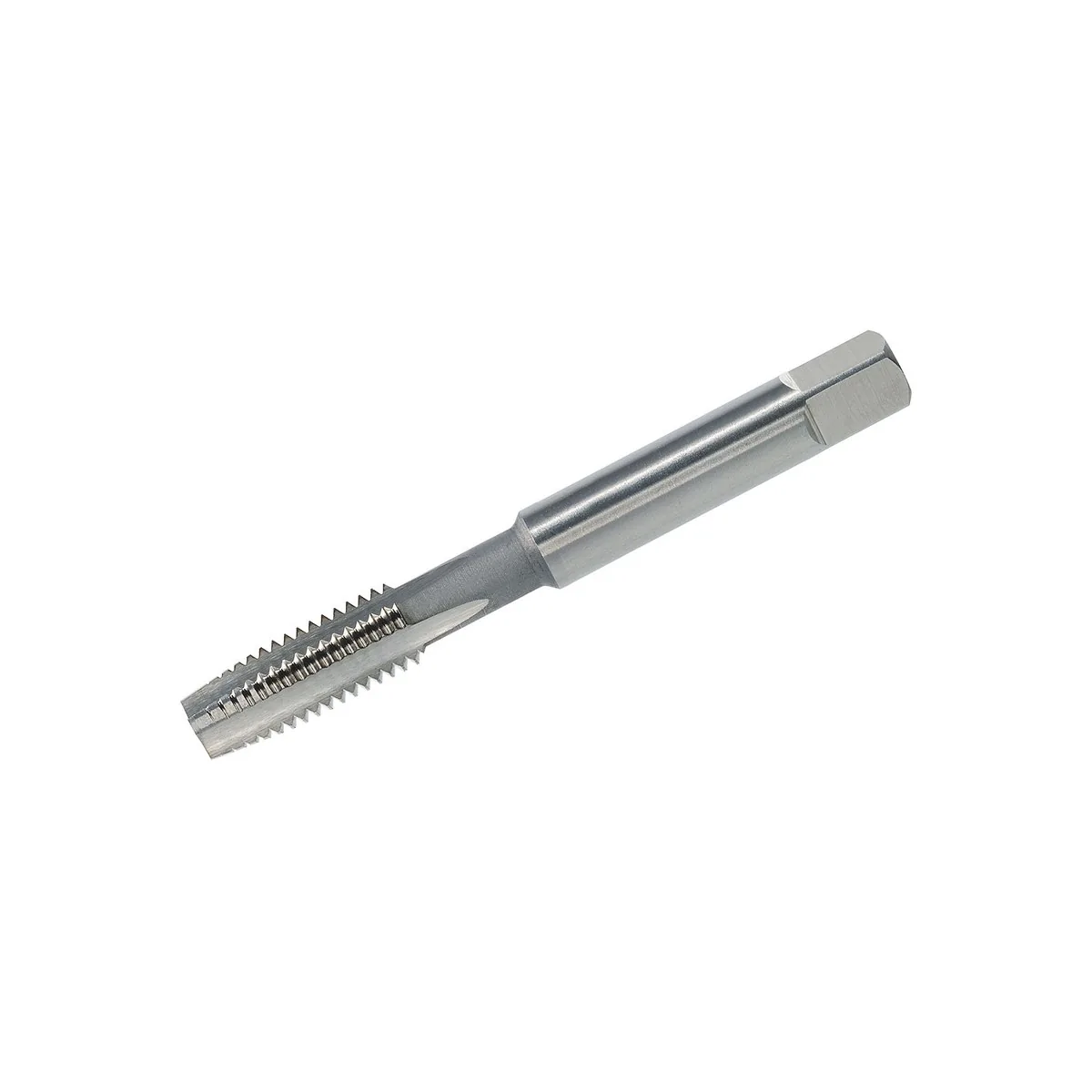
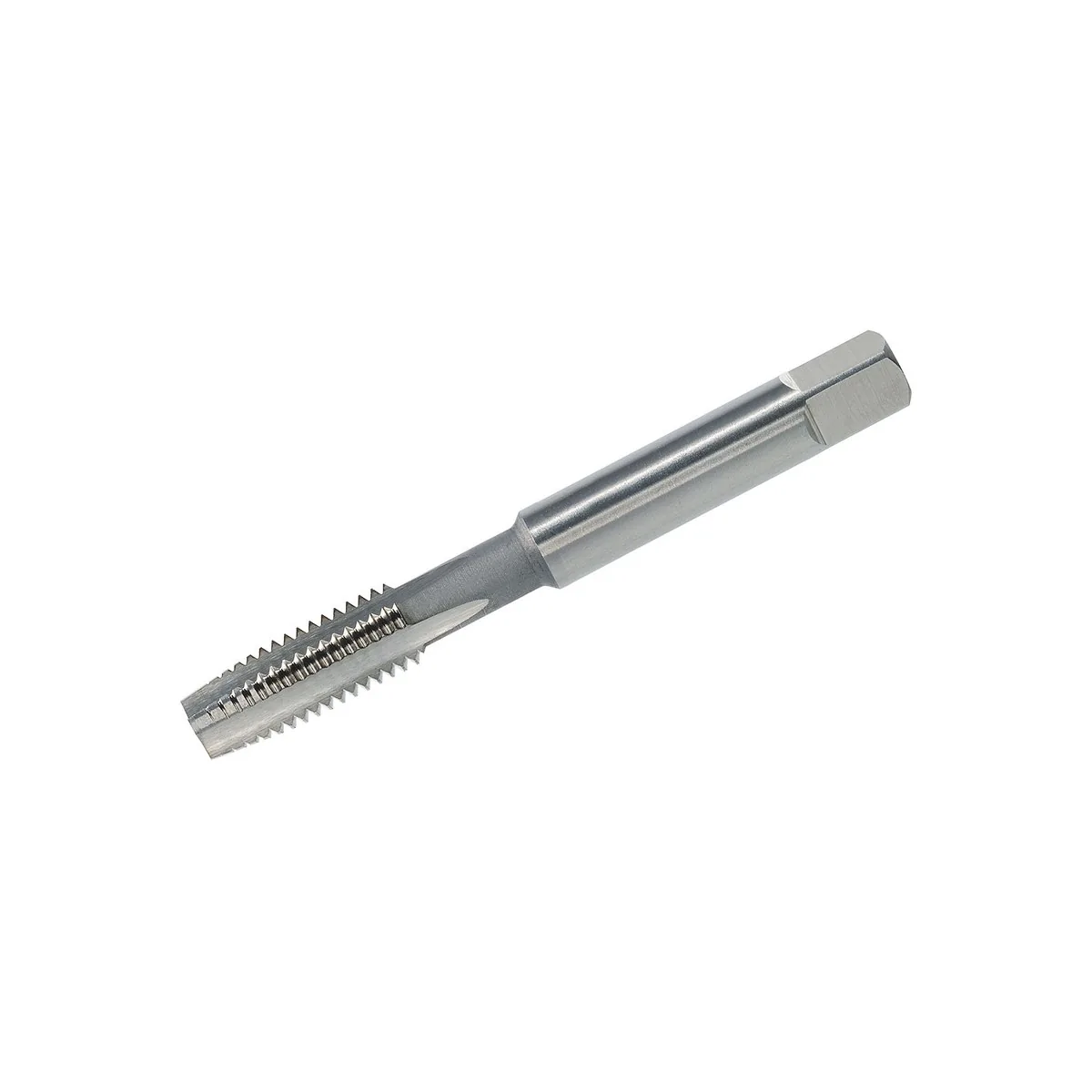
With this hand tap you cut internal threads during maintenance and small batch work. Selection is driven by the thread designation in the product name and the material you are machining.
If you work with blind holes you also consider the lead type and available run out space. After tapping you remove chips and protect both tool and thread from corrosion during storage.
Note Use a suitable cutting lubricant for the workpiece material and remove chips from the flutes before storage.
Scope of supply is not specified in the provided data.
Do you need help selecting or using the product?
Use the contact form.
| Type of thread | metric ISO-thread |
|---|---|
| Standard | ISO 529 |
| Form | Form A |
| Material | HSS-G |
| Tolerance | ISO2 (6H) |
| Size | M 4 x 0.7 |
| Overall length (L1) | 53 mm |
| Thread length (L2) | 13 mm |
| Core hole diameter (D1) | 3.3 mm |
| Shank diameter (D2) | 4.0 mm |
| Drive connector | 3.15 mm |
| Item number | 80430-1 |
| Type of flute | straight fluted |
| Application | for through holes |
| Thread standard | DIN 13 |