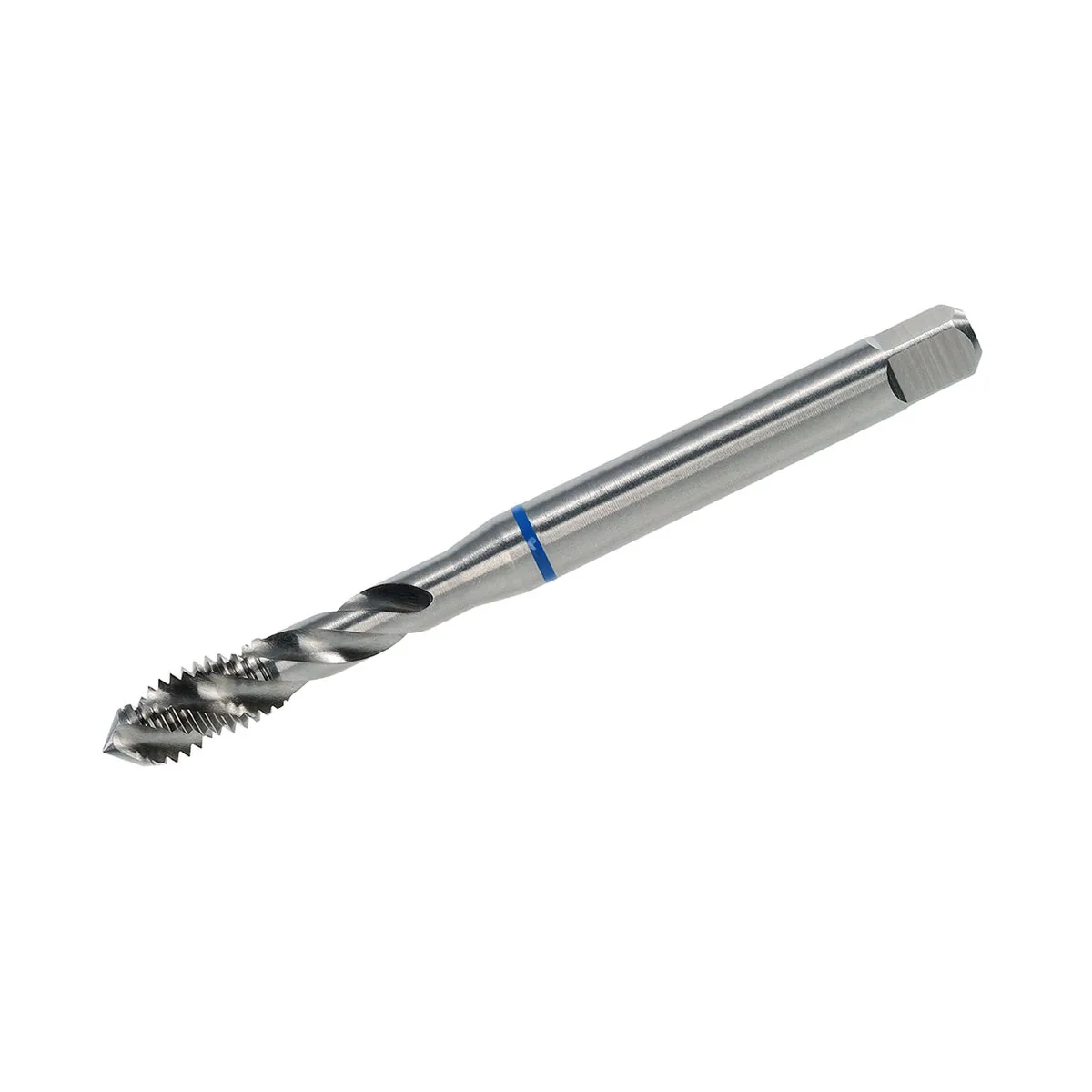
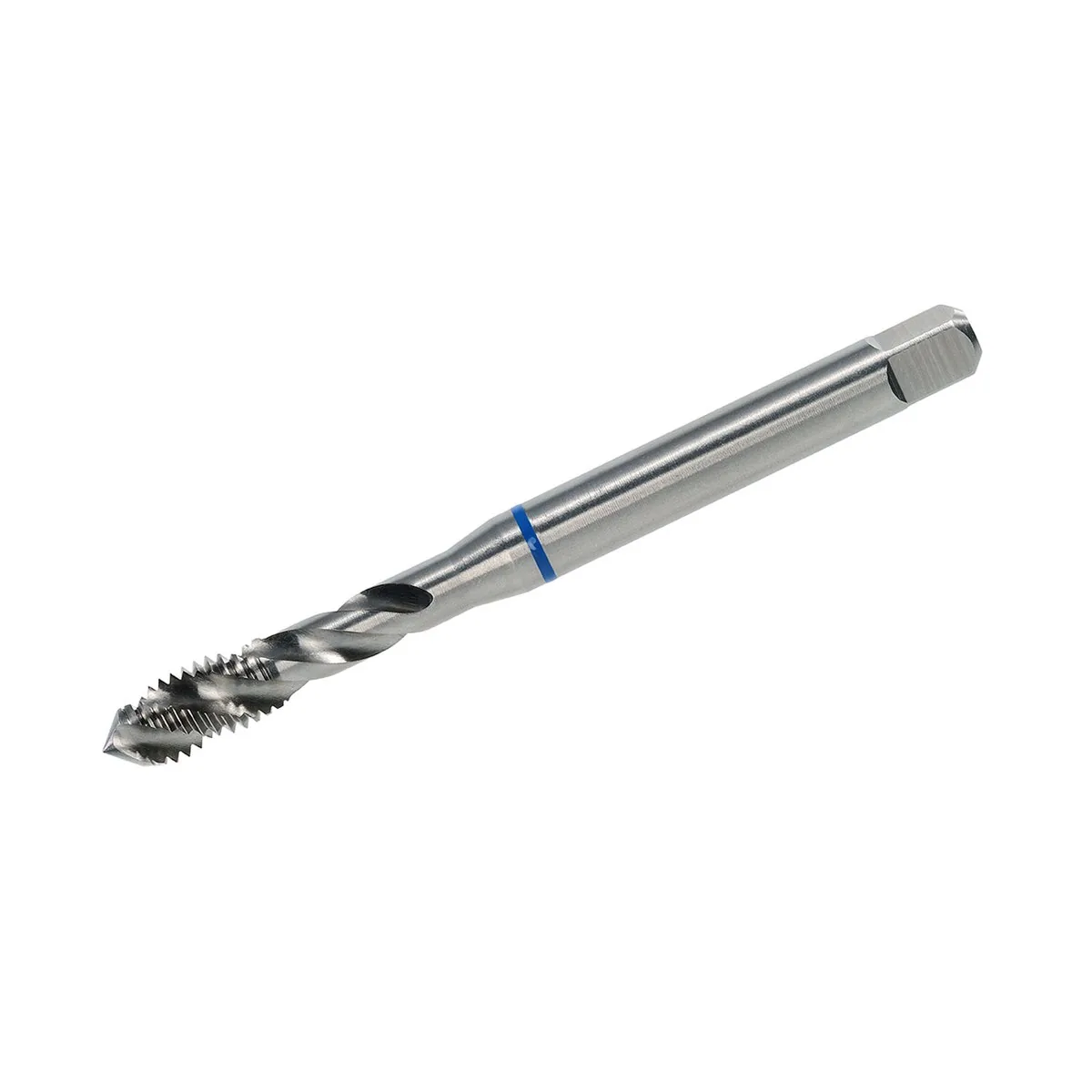
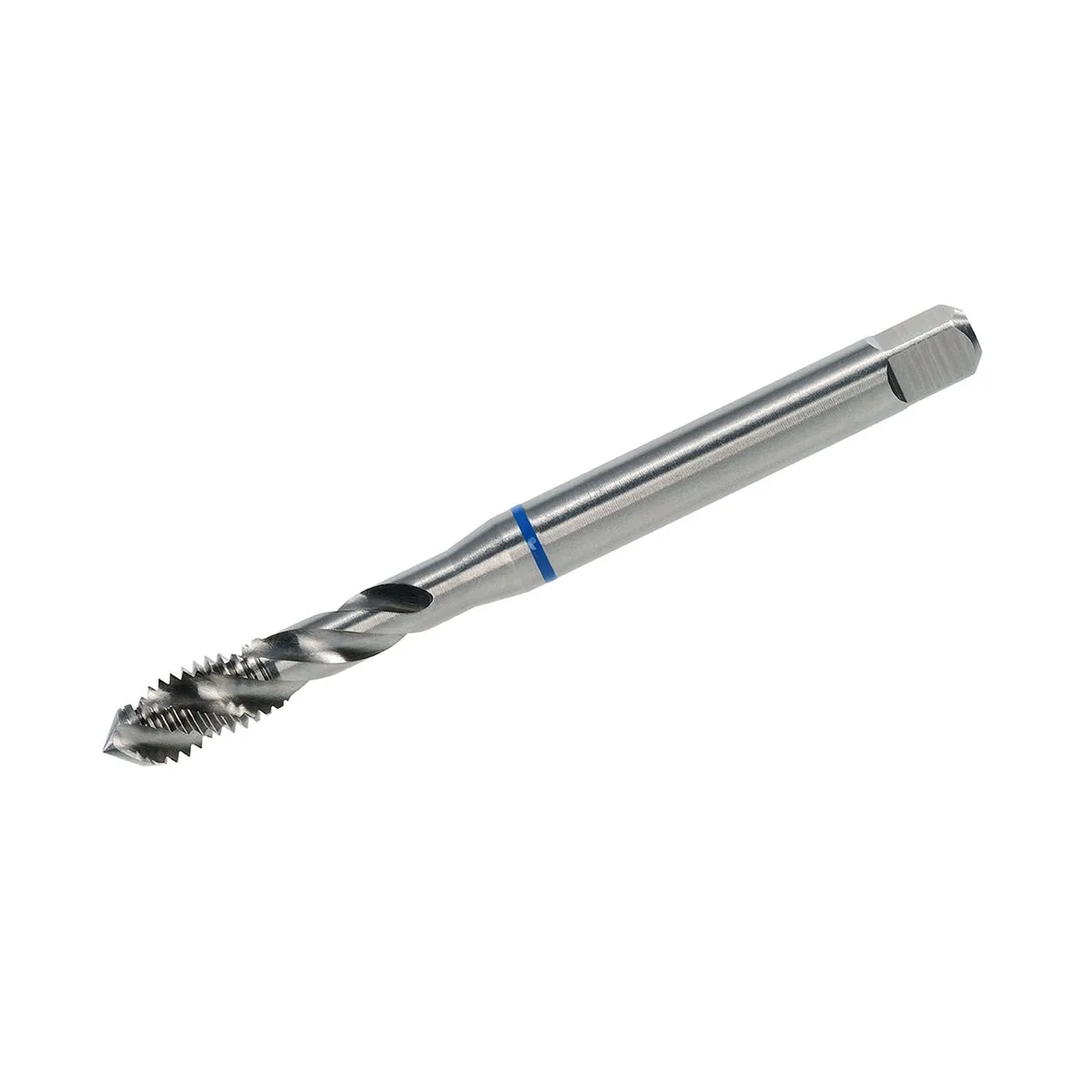
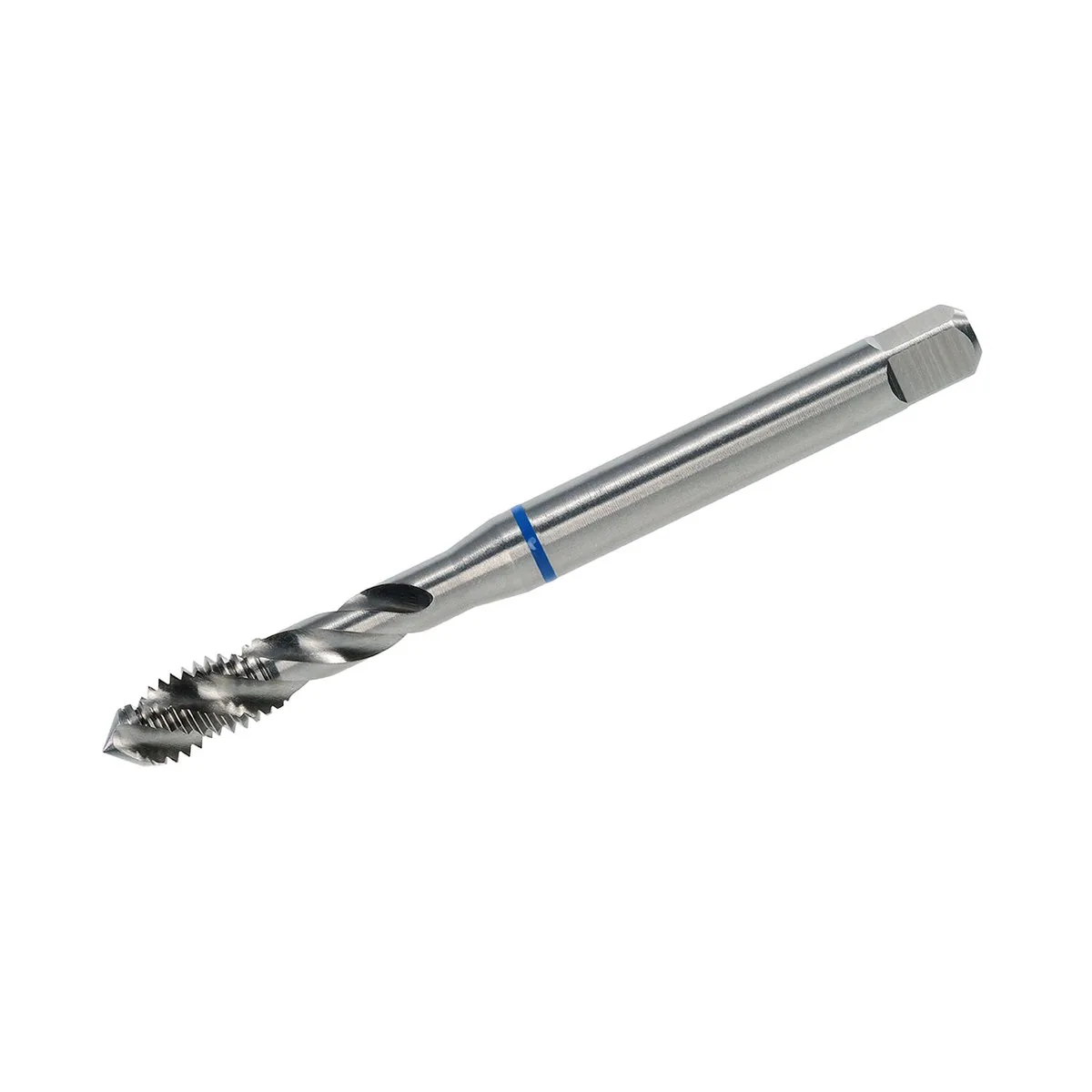
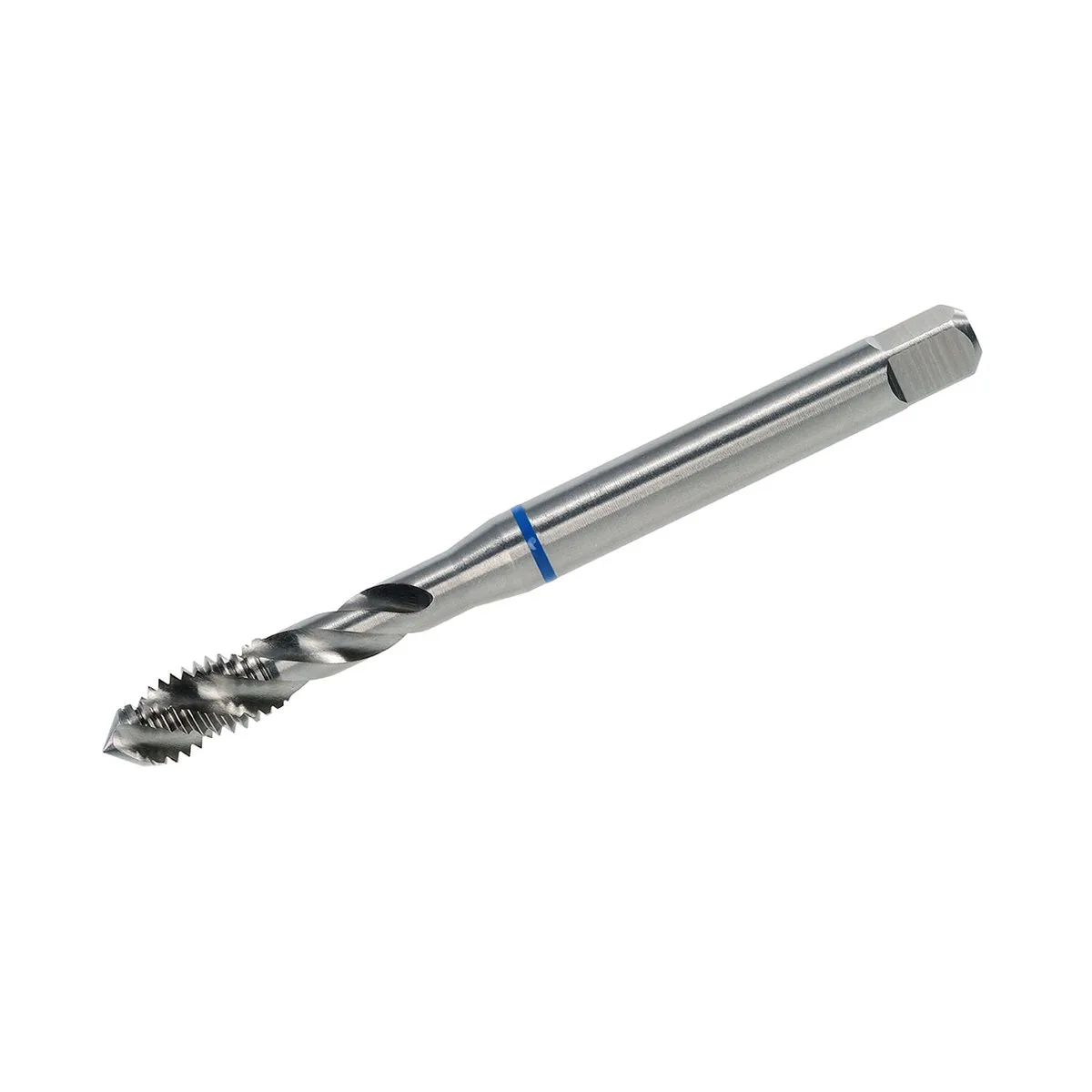
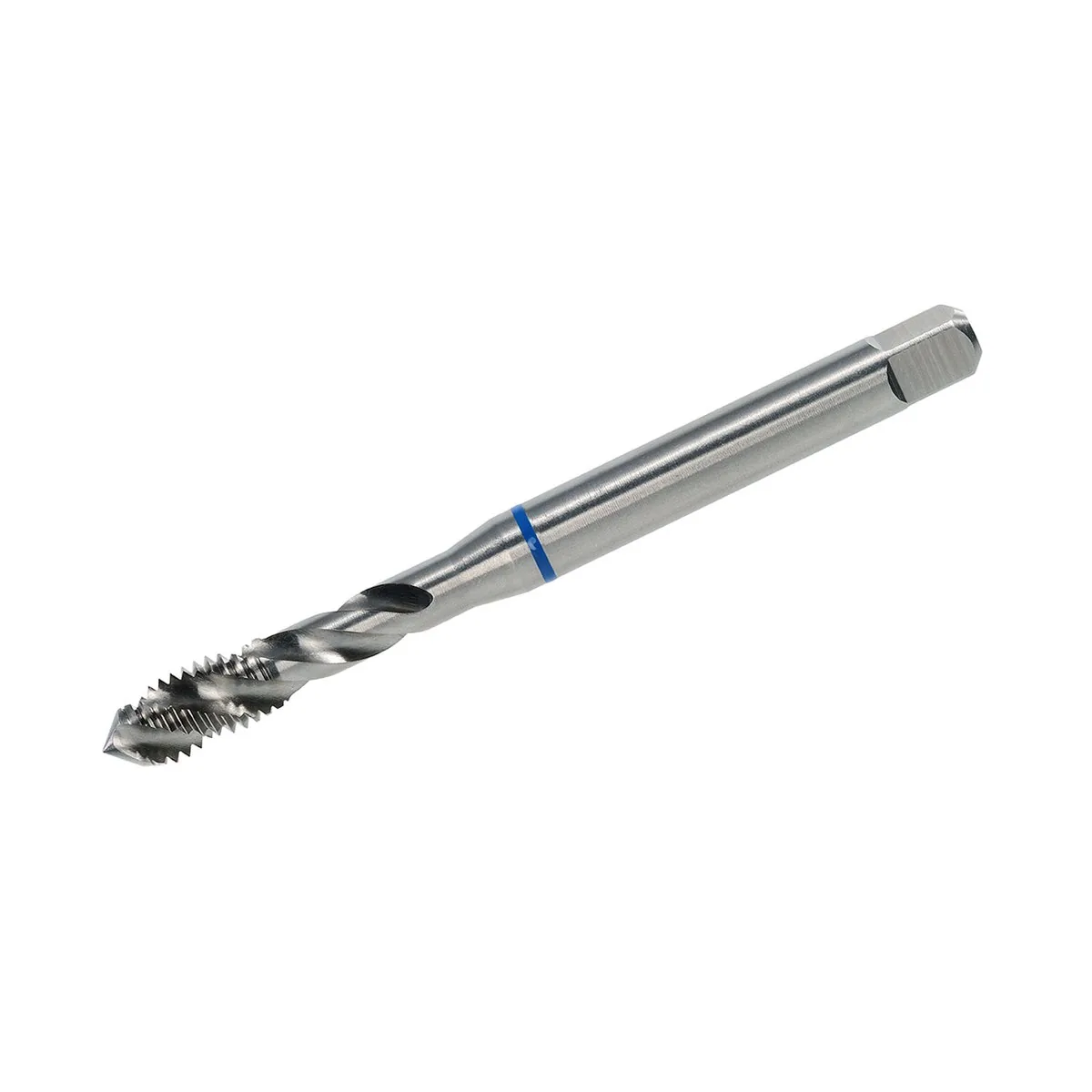
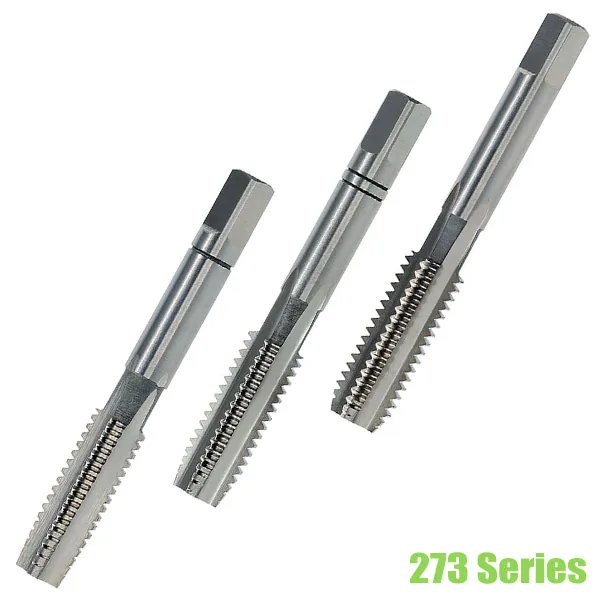
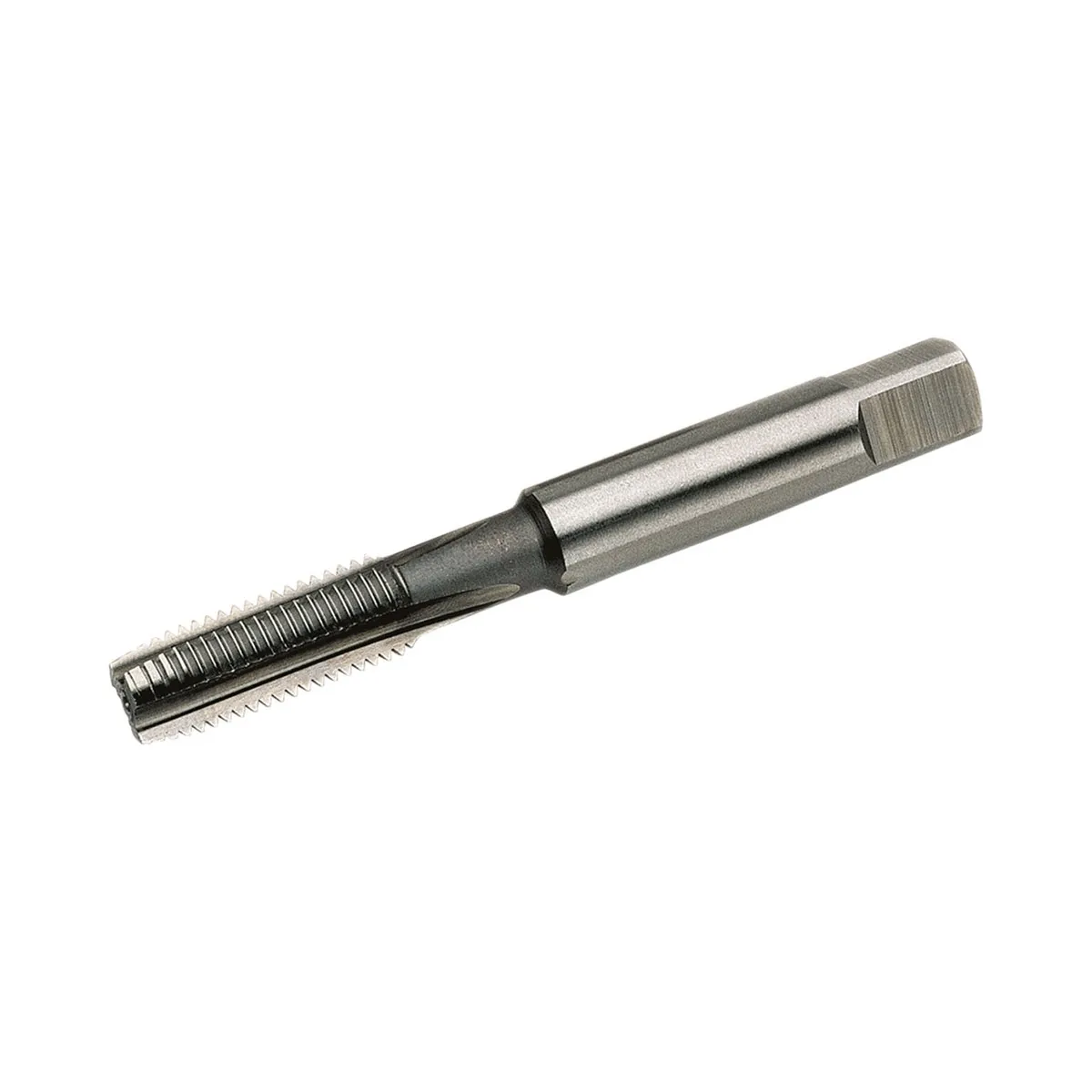
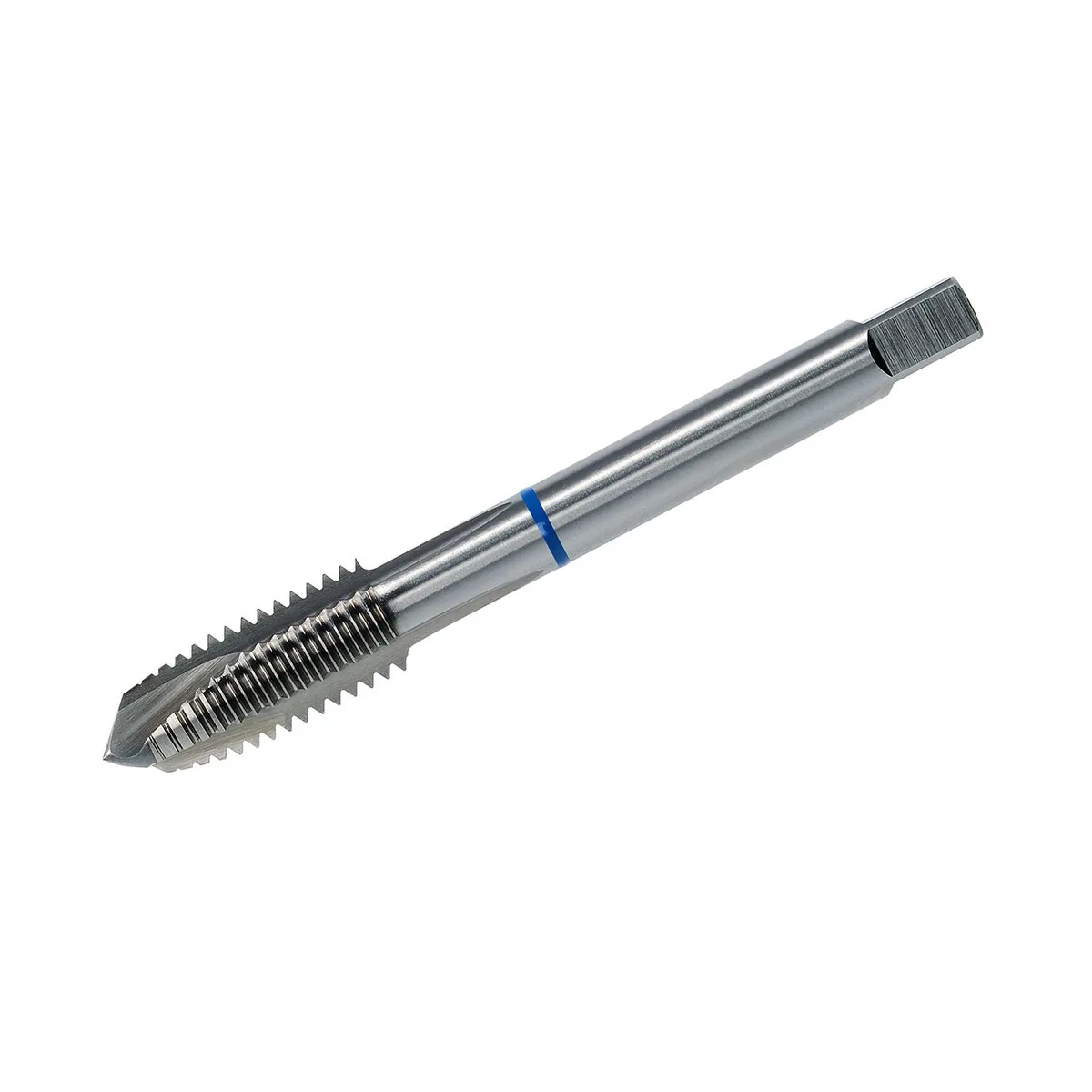
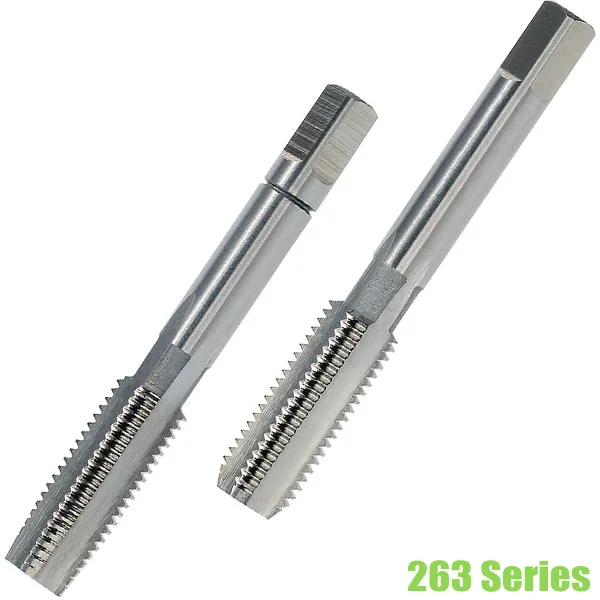
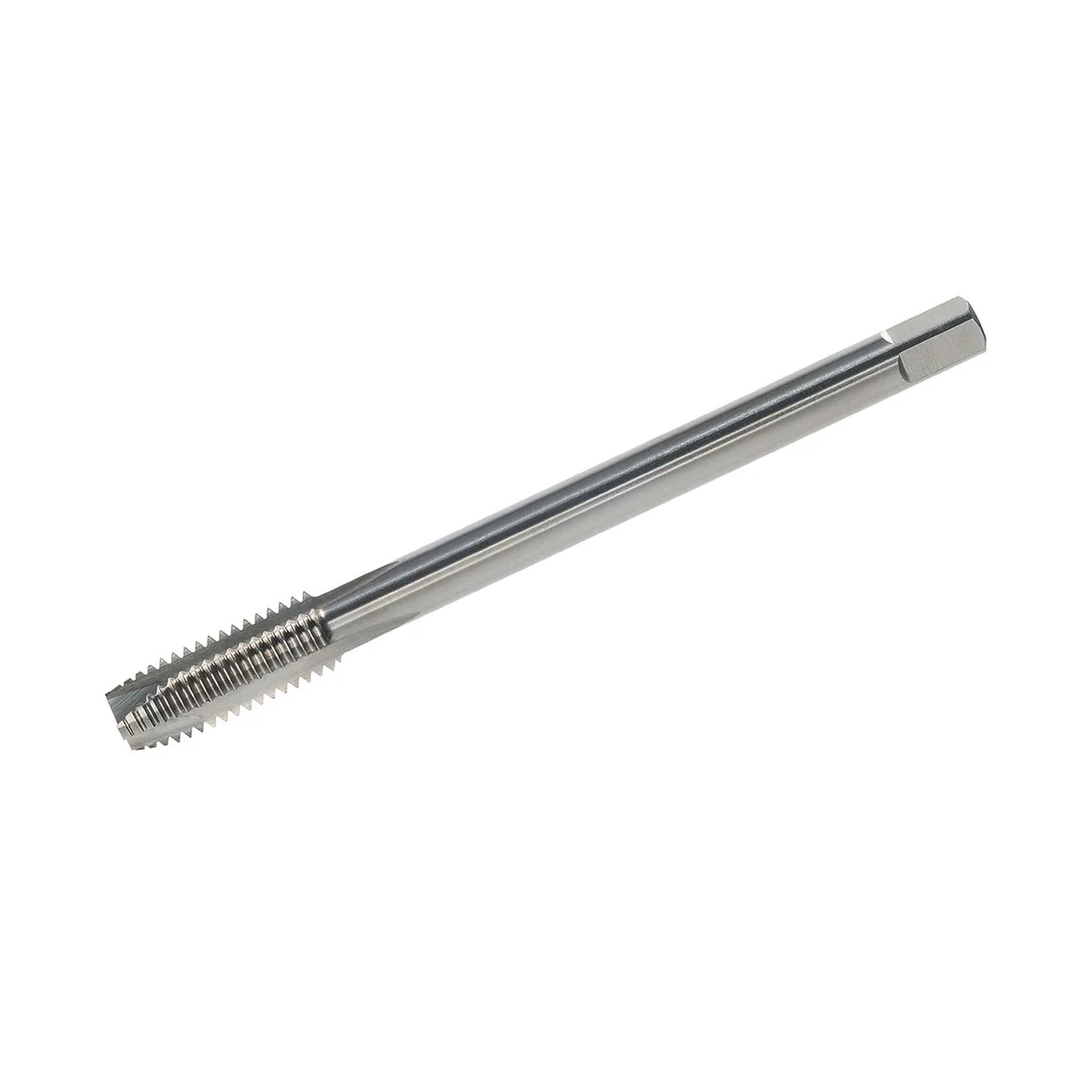
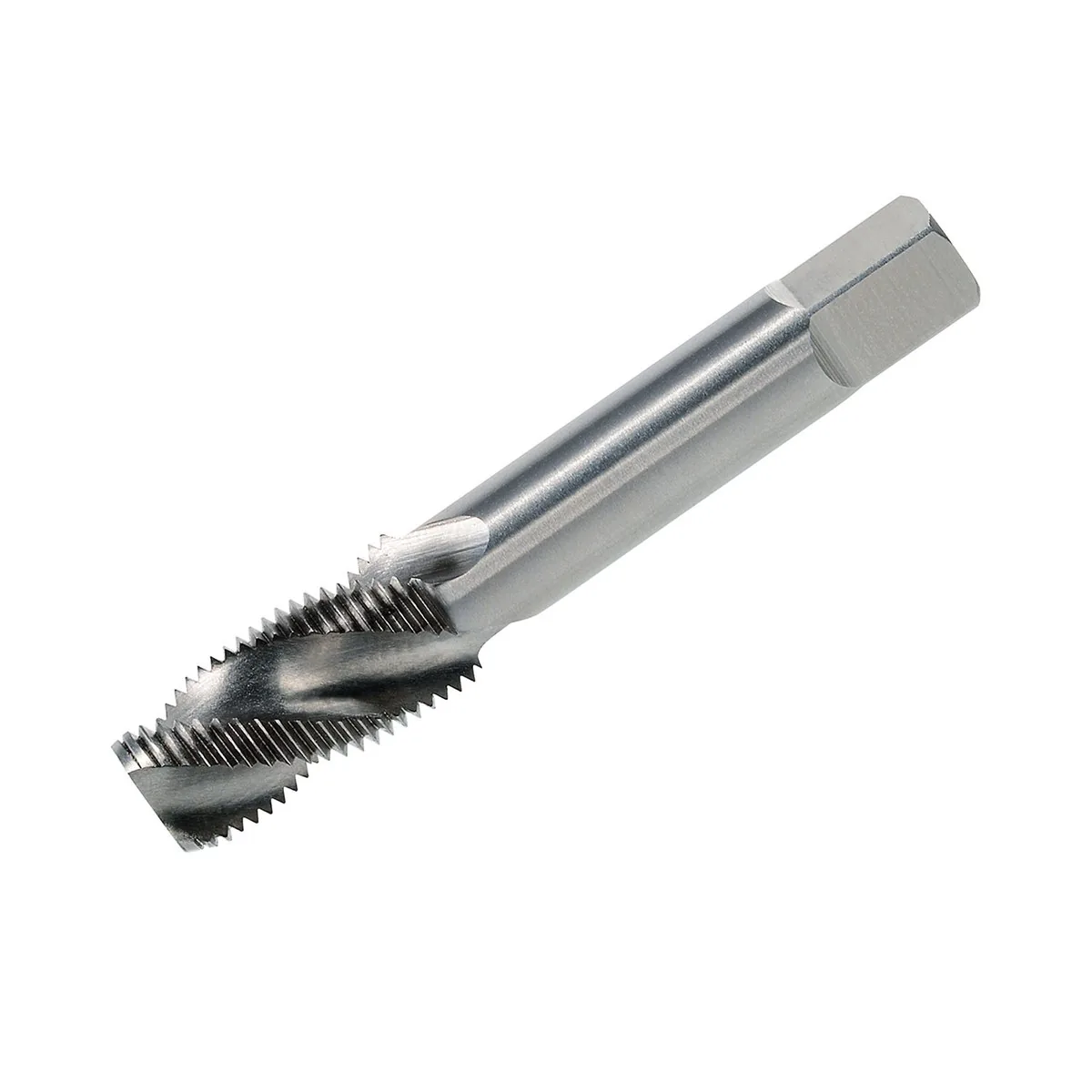
Machine Tap BLUE RING DIN 371 Form C 39° Spiral Flute HSSE - M 6 x 1.0
You use this machine tap to produce internal threads in a controlled machining process. The execution in the product name helps you match the tool to the thread system, hole type, and your production method.
You typically run the tool in a tapping chuck or a suitable collet holder with axial compensation if required. Process stability depends on correct lubrication, clean chip evacuation, and avoiding misalignment at entry.
- Cutting of internal threads in steels and common engineering materials within the limits of the chosen execution
- Use for series work, repair tasks, and general machining in mechanical engineering and metal fabrication
- Suitable for through holes and blind holes depending on the geometry stated in the product name
- Use with a tapping chuck or suitable collet holder to keep axial alignment during the tapping cycle
- Process: manual driving or assisted driving depending on your holder and machine setup
- Use: thread cutting, re tapping, and thread cleaning depending on condition
Note Keep the tool clean and lightly oiled after use to prevent corrosion and to protect cutting edges.
- Defined cutting geometry supports predictable thread form
- Clear variant identification via standard and form in the product name
- Suitable for workshop and series processes when lubrication and alignment are controlled
- Supports rework and maintenance tasks without changing the workpiece design
Drawbacks
- Tool life can drop in very hard or abrasive materials if the selected execution is not matched to the application
- Not suitable for high performance applications when process parameters are not optimised
- Confirm the thread designation, standard, and execution in the product name against your drawing and material specification.
- Prepare the pre hole and entry chamfer according to your process specification and remove burrs from the opening.
- Clamp the tap in a tapping chuck or suitable collet holder and set up the cycle so feed stays synchronised with rotation.
- Apply a suitable cutting lubricant or coolant for the workpiece material and ensure the entry area is wet.
- Start the cut with the tool aligned to the hole axis and keep the alignment stable through the first turns or revolutions.
- Continue the pass while monitoring torque and remove the tool if chips accumulate and increase cutting resistance.
- Retract the tool, clean chips from the flutes, and inspect the thread before the part moves to the next operation.
Scope of supply is not specified in the provided data.
- Type: Machine tap
- Standard: DIN 371
- Thread system: ISO metric
- Execution: Form C
- Flute style: Spiral flute
- Helix angle: 39°
- Tool material: HSS
- Tolerance class: ISO metric internal thread tolerance 6H
- What should you check before you start tapping with this tool?
- You verify the thread designation shown in the product name and confirm that your pre hole preparation meets your internal process specification. You also check the workpiece material and choose a lubricant that prevents seizing.
- Which holder type do you typically use with this tap?
- You typically use a tapping chuck or a suitable collet holder so the tap runs concentrically and stays aligned. If your process needs axial compensation, you choose a holder that provides it.
- How do you reduce the risk of broken taps and damaged threads?
- You keep the tool aligned, use a suitable lubricant, and monitor torque so you can stop before overload. You also remove chips from the flutes and avoid starting on burrs or hard scale.
- Where can you find additional process notes for machine tapping?
- Use the PDF for consolidated notes on selection and handling. Technical information machine taps as PDF
- Do you need cutting lubricant or coolant for this tap?
- Yes, you use a lubricant or coolant matched to the workpiece material to reduce friction and to control heat. Stable lubrication also helps keep thread flank quality consistent.
- How do you maintain and store the tap after use?
- You clean chips from the flutes, dry the tool, and apply a light corrosion protection film. You store it so cutting edges are protected from contact and impact.
- Where can you find additional technical data and the full range?
- Use the catalog for overview tables and selection guidance. VD 23 catalog as PDF
Do you need help selecting or using the product?
Use the contact form.