Áo sơ mi chạy bộ
 Bộ mũi khoan
 taro
Bộ mũi khoét
Bộ mũi khoan
Bộ mũi khoan taro
Bộ mũi khoét
 Bộ mũi taro ren trong
 Bộ sửa ren
 Bôi trơn cắt ren
Cặp taro máy + mũi khoan
Bôi trơn cắt ren
Cặp taro máy + mũi khoan
 Dụng cụ bẻ chân ren
 Dưỡng đo ren ngoai
 Dưỡng đo ren trong
Mũi doa vát mép
Mũi khoan kim loại
Dưỡng đo ren trong
Mũi doa vát mép
Mũi khoan kim loại
 Mũi taro cho ren cấy
Mũi taro ren trong
Mũi taro cho ren cấy
Mũi taro ren trong
 Ren cấy V-coil
 Taro ren máy
Taro ren tay
Tay cấy ren
Tay quay bàn ren
Tay quay taro trong
Taro ren máy
Taro ren tay
Tay cấy ren
Tay quay bàn ren
Tay quay taro trong
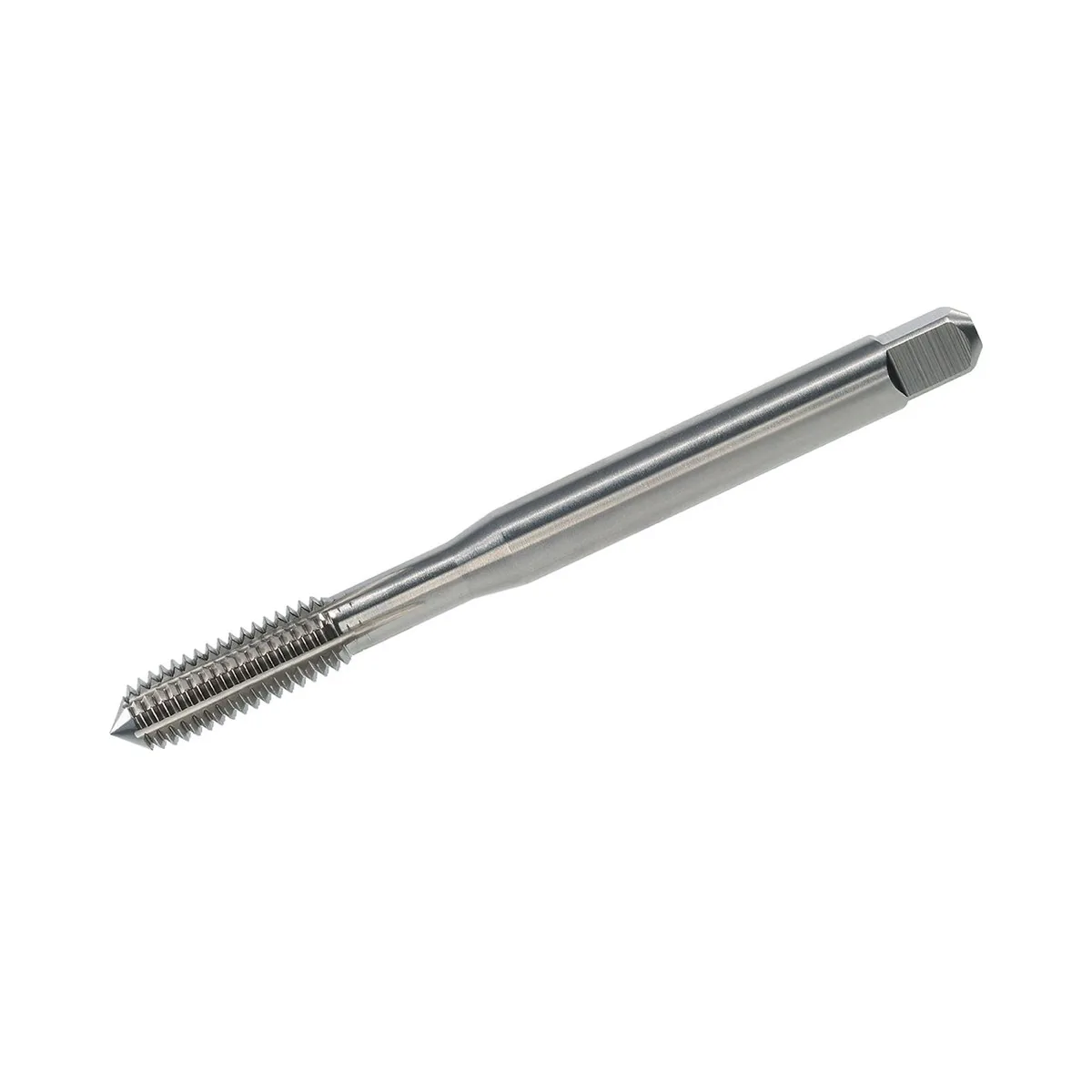
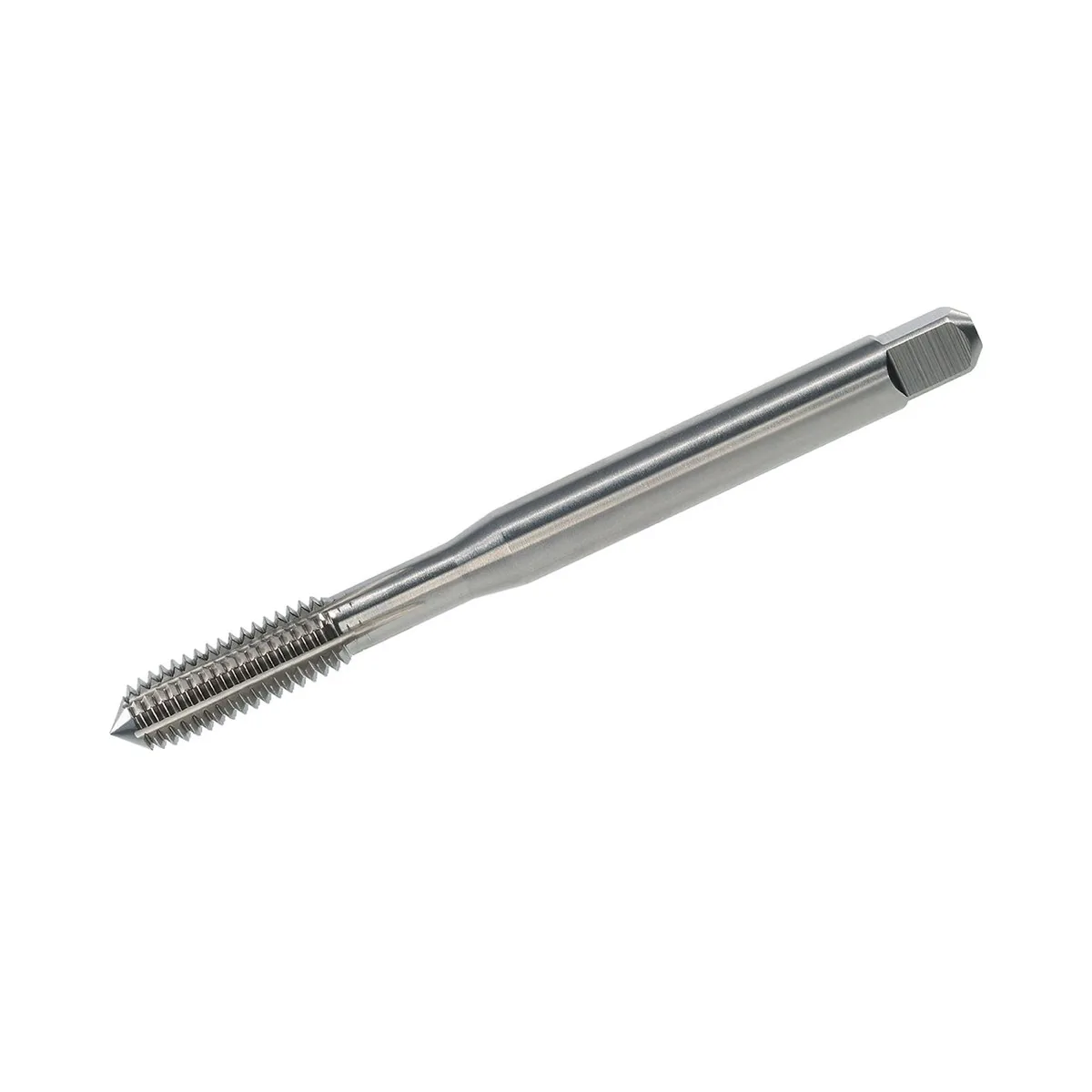
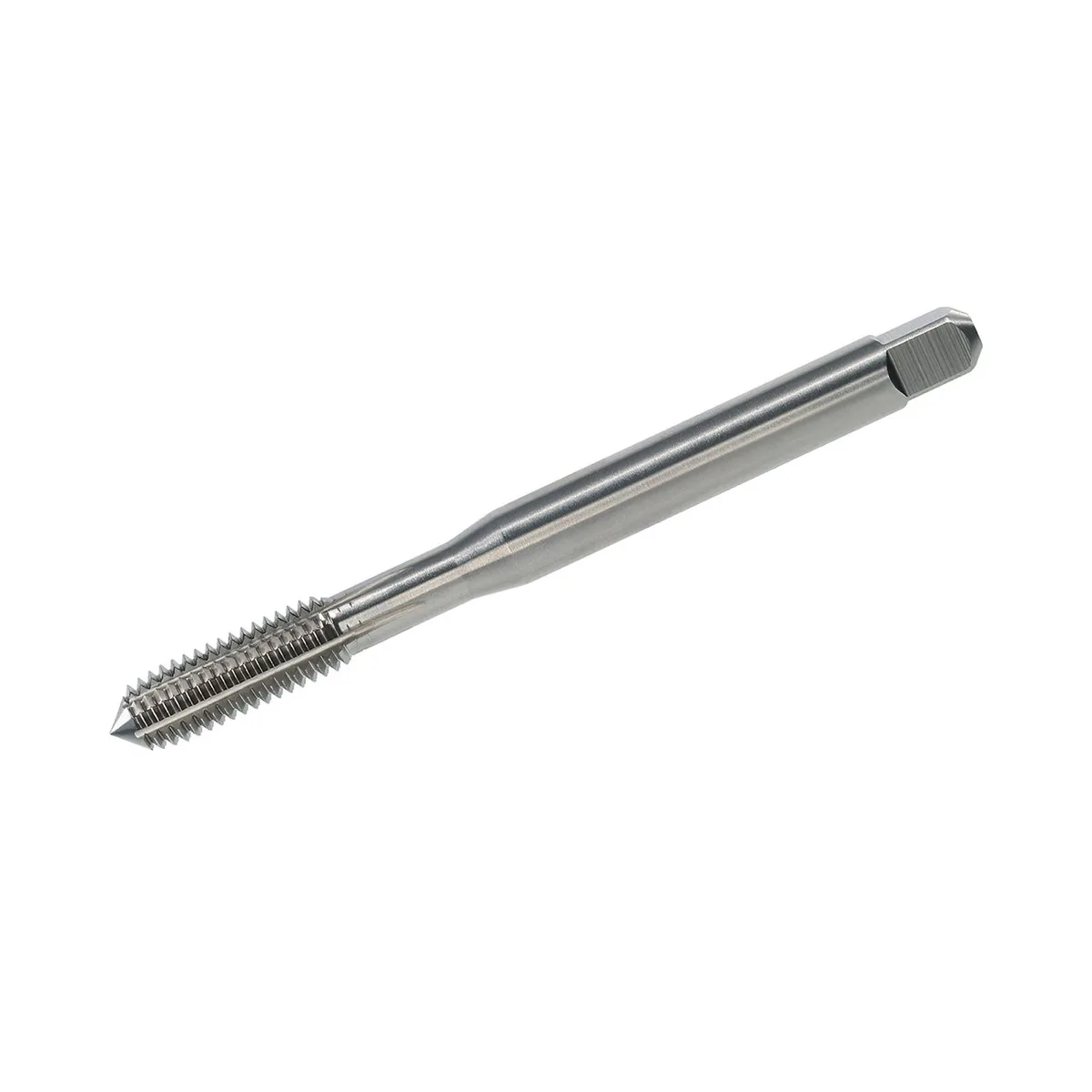
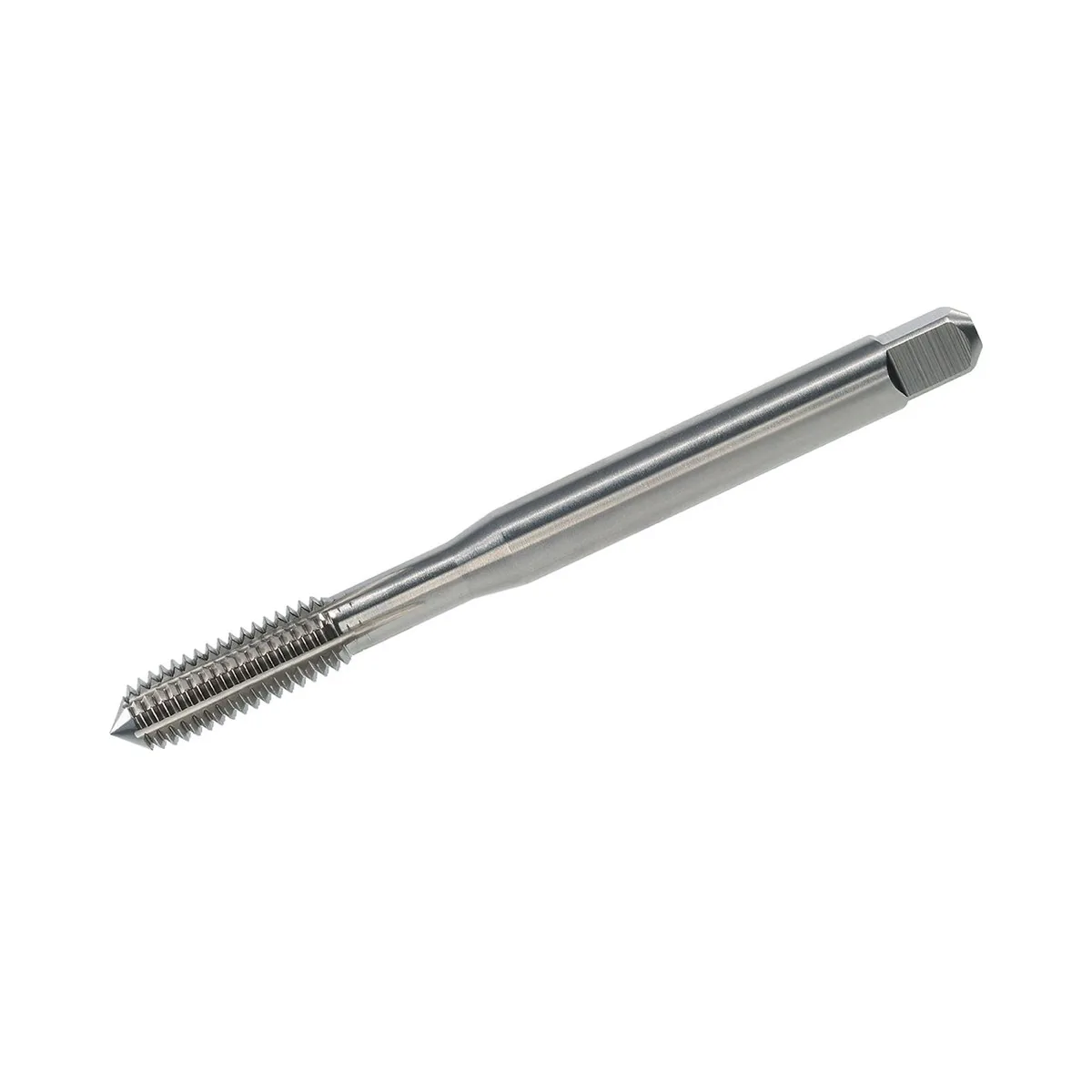
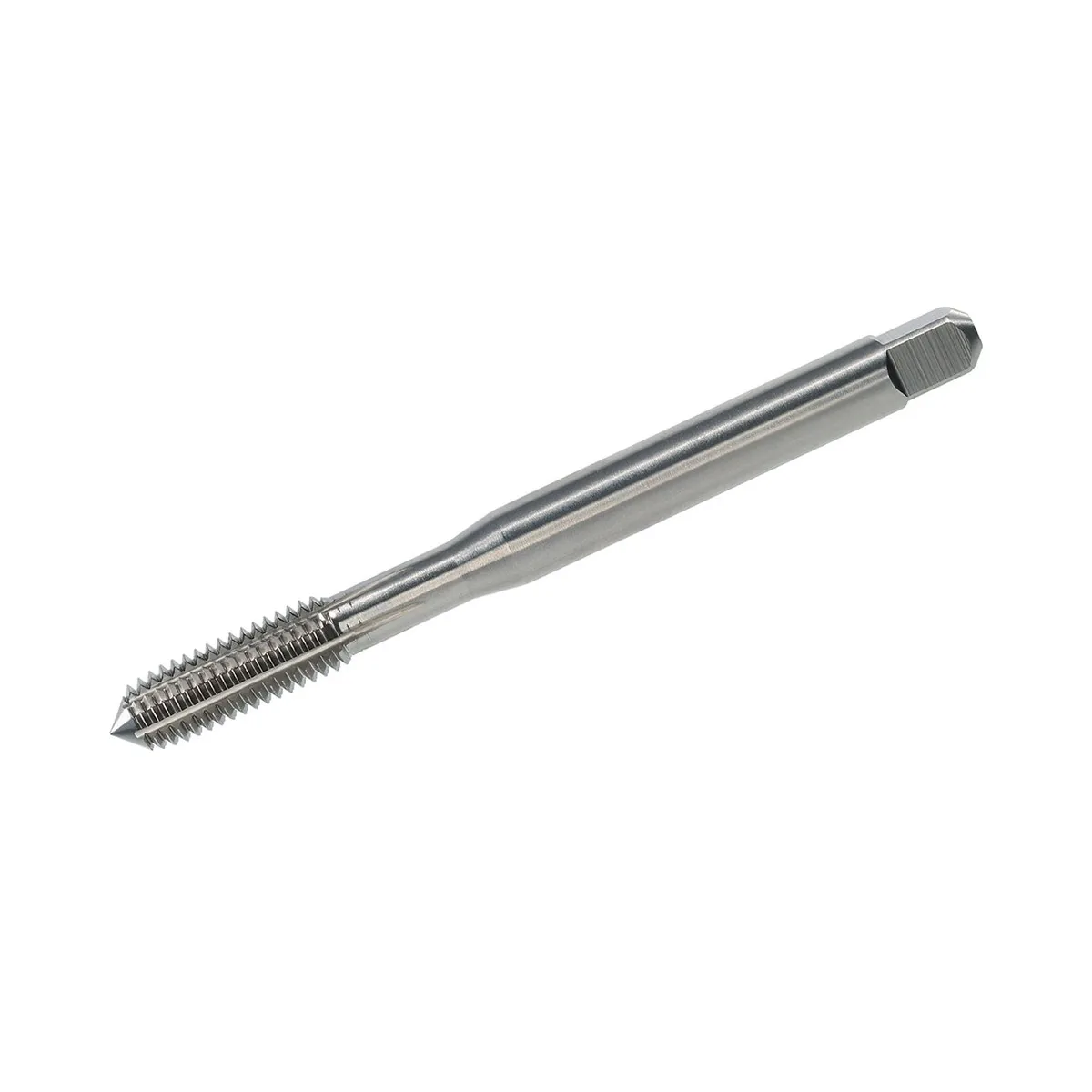
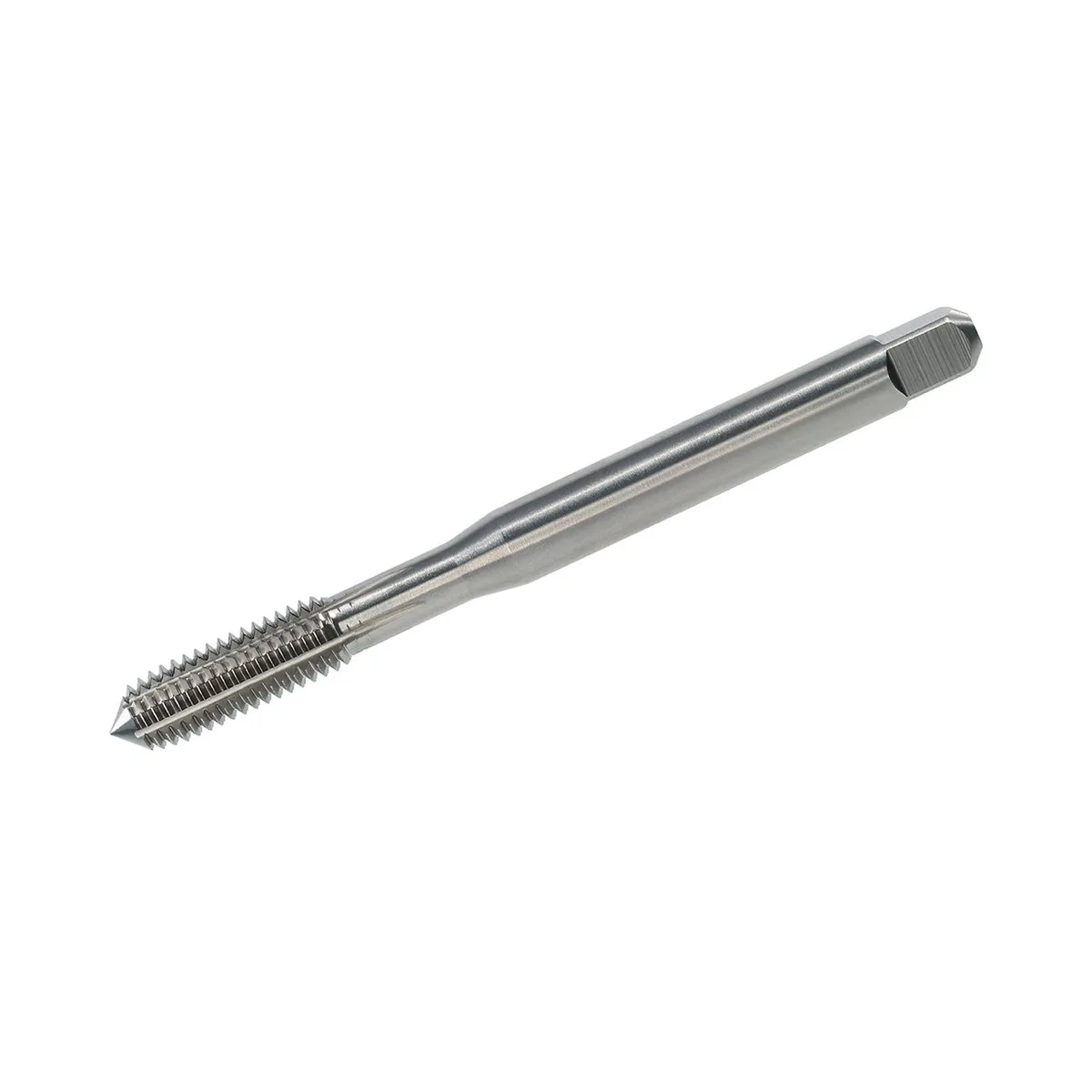
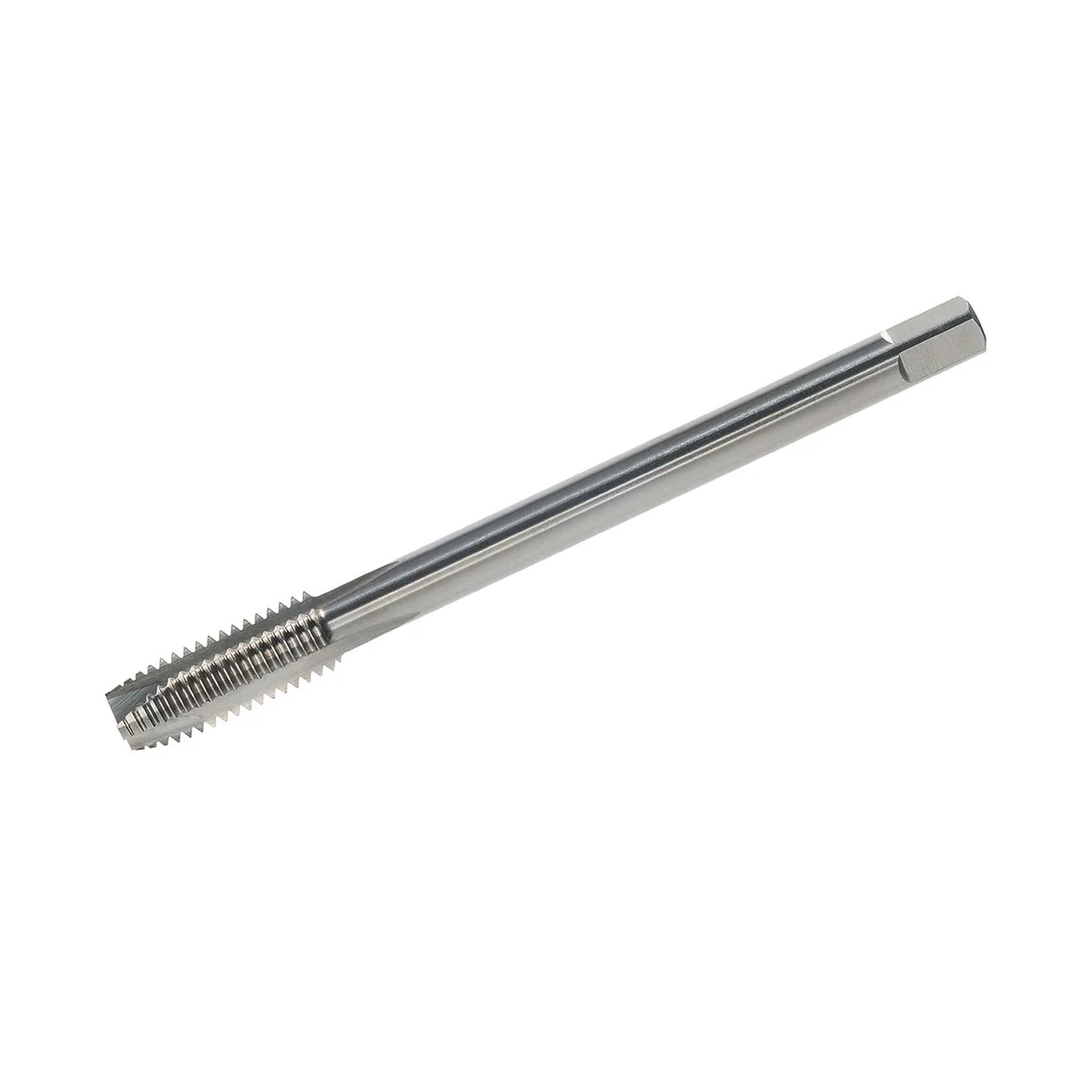
Thread formers are high-quality tools for the chipless production of internal threads. The thread is not cut, but rather formed by displacing the material, which maintains the material's grain flow. This results in an increased load-bearing capacity and a high resistance to fracture in the final thread. This fluteless machine tap has a bright finish and a special oil groove for optimal lubrication.
The thread former is suitable for producing internal threads in:
The integrated oil groove provides an optimal lubrication effect for thread depths over 1.5 x D. For best results, use graphitized lubrication/oils or add suitable additives.
Q: What is the difference between a thread former and a thread tap?
A: A thread tap creates a thread by cutting (chip-producing). A thread former, on the other hand, forms the thread by displacing the material in a chipless process. This preserves the material's grain flow, making the resulting thread more durable.
Q: In which materials should I use a thread former?
A: Thread formers are ideal for ductile materials that have good elongation. This includes soft metals like aluminum, copper, and brass, as well as many types of steel. They are not suitable for brittle materials like cast iron.
Q: What does the tolerance ISO 2X / 6HX mean?
A: ISO 2X / 6HX is a special tolerance class for thread formers. "2X" (American) and "6HX" (metric) are tighter tolerances used for thread formers because the thread "springs back" or expands during the forming process. This tolerance compensates for the material's elastic recovery to ensure an accurate final thread.
Q: What are the advantages of HSSE material?
A: HSSE (High-Speed Steel with Cobalt) is an alloyed high-performance steel. The addition of cobalt increases the tool's hardness, temperature resistance, and wear resistance. This leads to a significantly longer tool life, especially when working with difficult-to-machine or heat-resistant materials.
Q: What does Form C stand for?
A: Form C according to DIN 371 refers to the tap's chamfer length. For Form C, the chamfer is approximately 2 to 3 threads, which allows for a relatively short lead-in and provides good guidance in the hole. Form C is the most commonly used form for through and blind holes up to a certain depth.
Have more questions? We're happy to help! You can reach us anytime via our contact form.
| Type of thread | metric ISO-thread |
|---|---|
| Standard | DIN 371 |
| Form | Form C |
| Material | HSSE |
| Tolerance | ISO2X (6HX) |
| Size | M 10 x 1.5 |
| Overall length (L1) | 100 mm |
| Thread length (L2) | 24 mm |
| Core hole diameter (D1) | 9.3 mm |
| Shank diameter (D2) | 10.0 mm |
| Drive connector | 8.0 mm |
| EAN | 4022835356165 |
| Item number | 35616 |
| Type of flute | straight fluted |
| Application | for through and blind holes |
| Thread standard | DIN 13 |