Áo sơ mi chạy bộ
 Bộ mũi khoan
 taro
Bộ mũi khoét
Bộ mũi khoan
Bộ mũi khoan taro
Bộ mũi khoét
 Bộ mũi taro ren trong
 Bộ sửa ren
 Bôi trơn cắt ren
Cặp taro máy + mũi khoan
Bôi trơn cắt ren
Cặp taro máy + mũi khoan
 Dụng cụ bẻ chân ren
 Dưỡng đo ren ngoai
 Dưỡng đo ren trong
Mũi doa vát mép
Mũi khoan kim loại
Dưỡng đo ren trong
Mũi doa vát mép
Mũi khoan kim loại
 Mũi taro cho ren cấy
Mũi taro ren trong
Mũi taro cho ren cấy
Mũi taro ren trong
 Ren cấy V-coil
 Taro ren máy
Taro ren tay
Tay cấy ren
Tay quay bàn ren
Tay quay taro trong
Taro ren máy
Taro ren tay
Tay cấy ren
Tay quay bàn ren
Tay quay taro trong
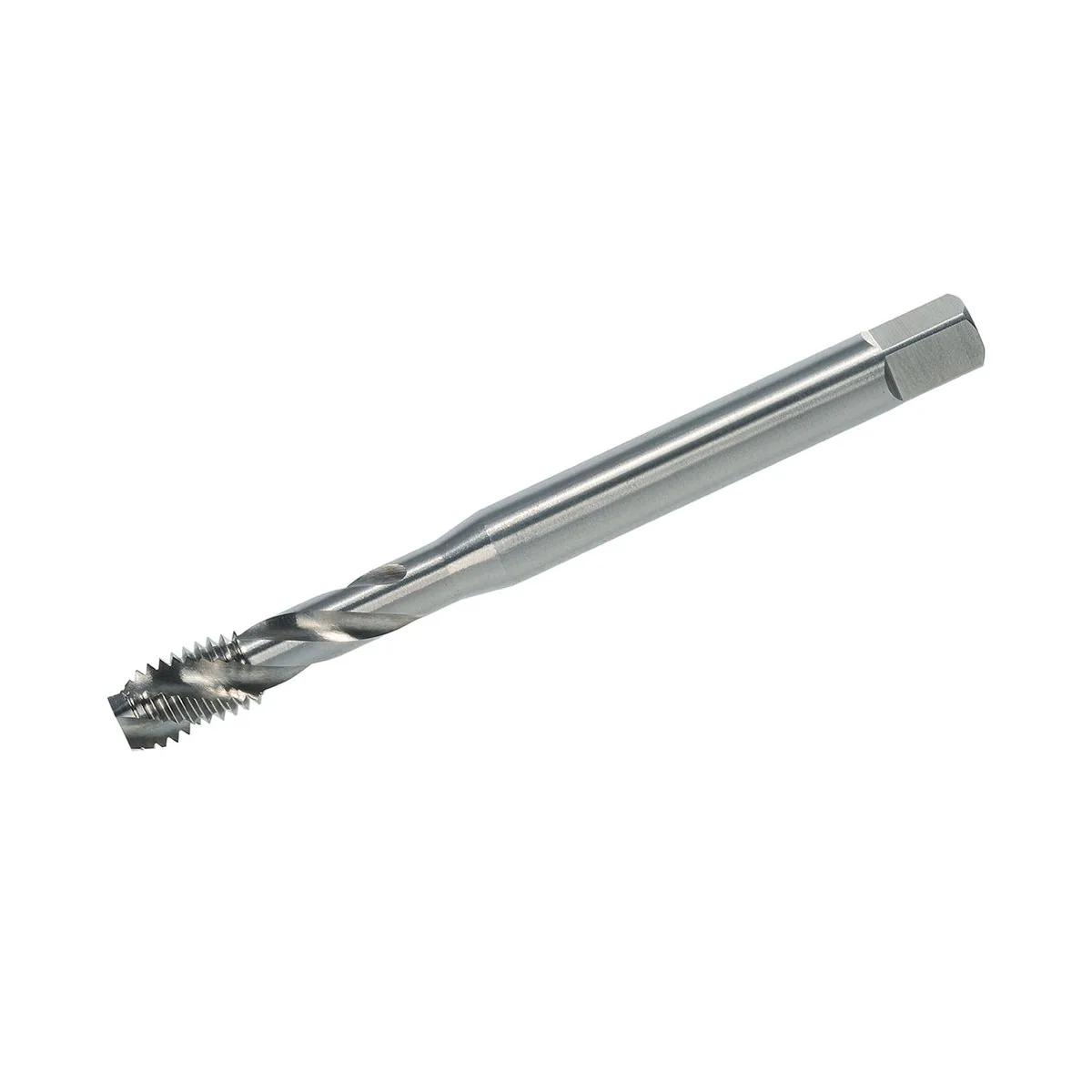
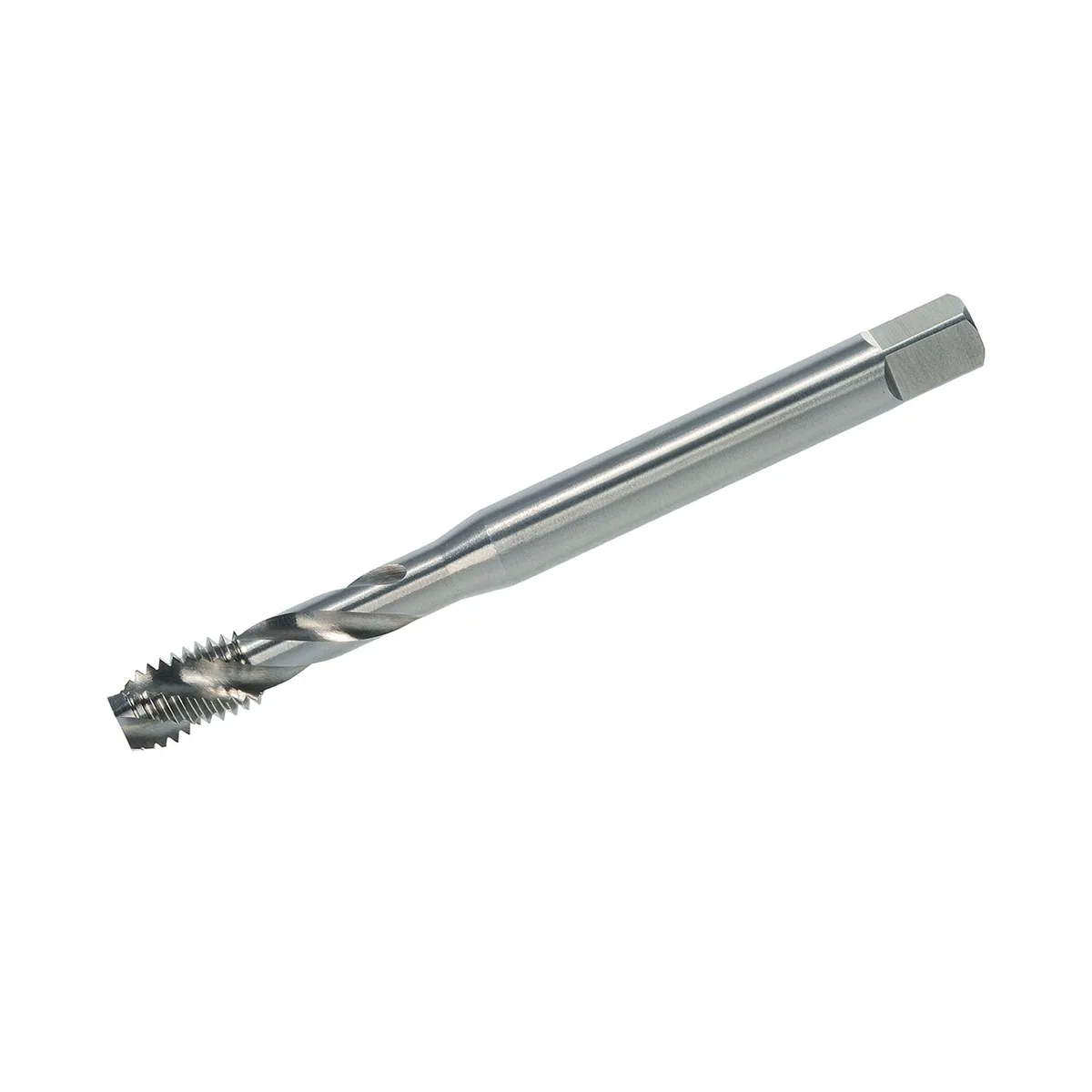
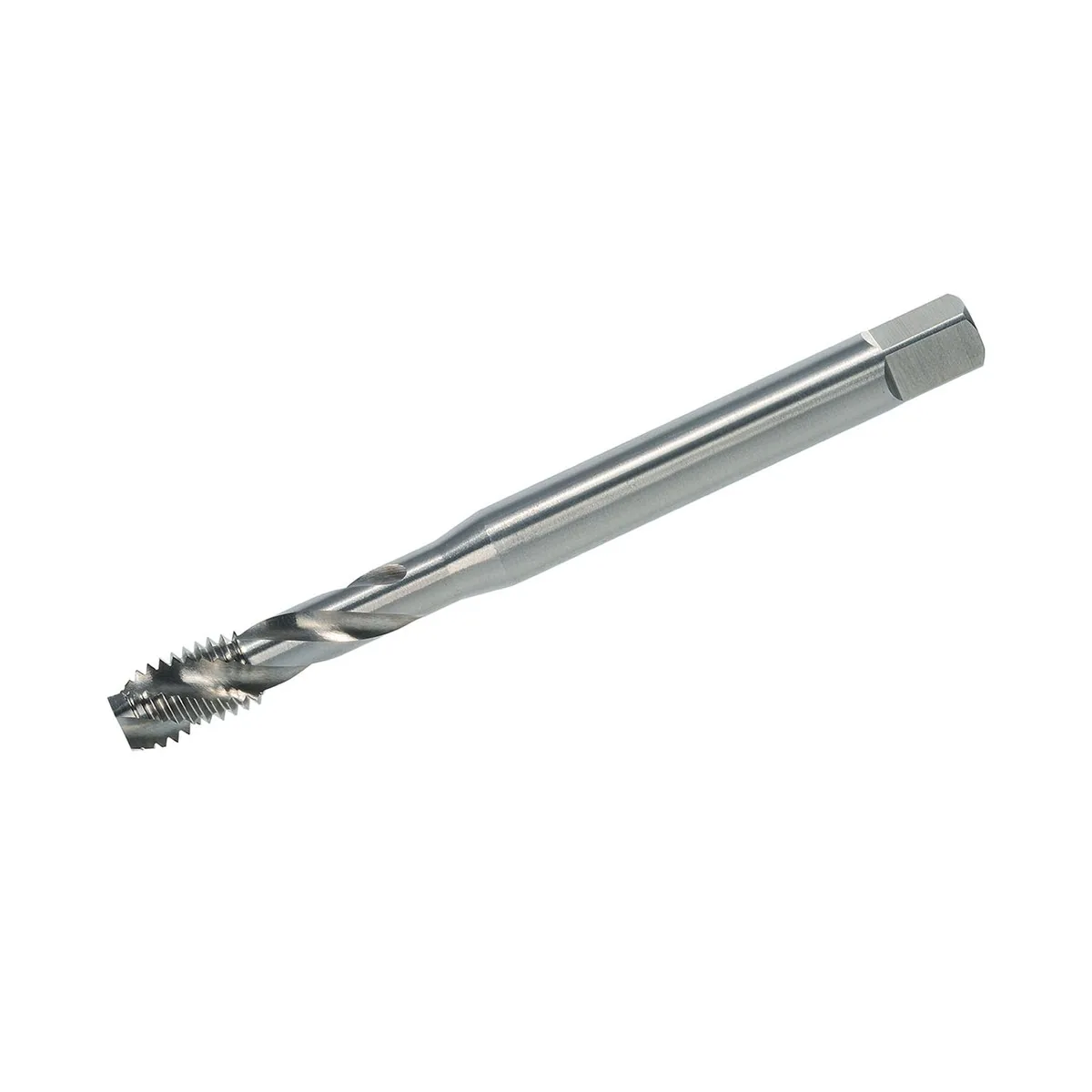
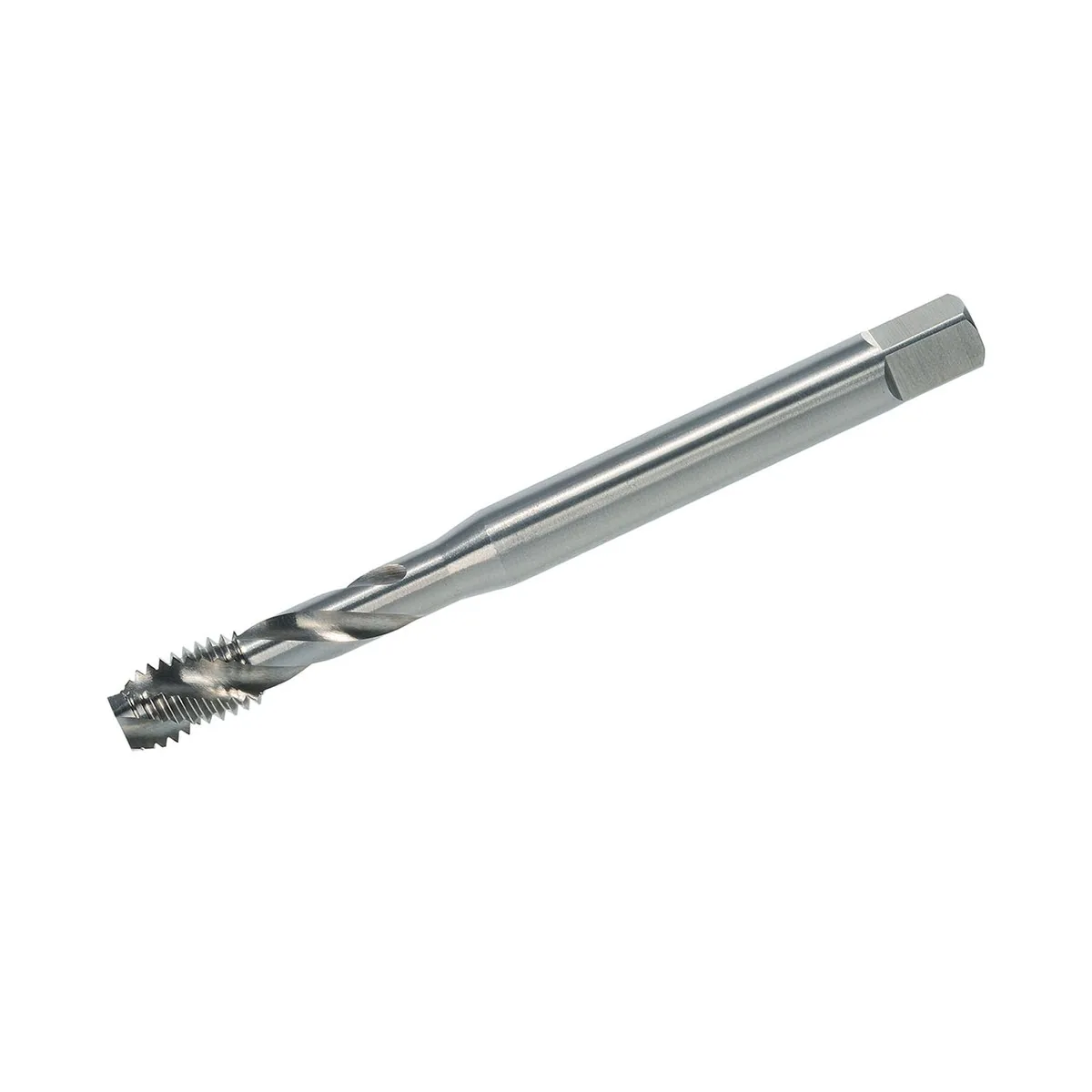
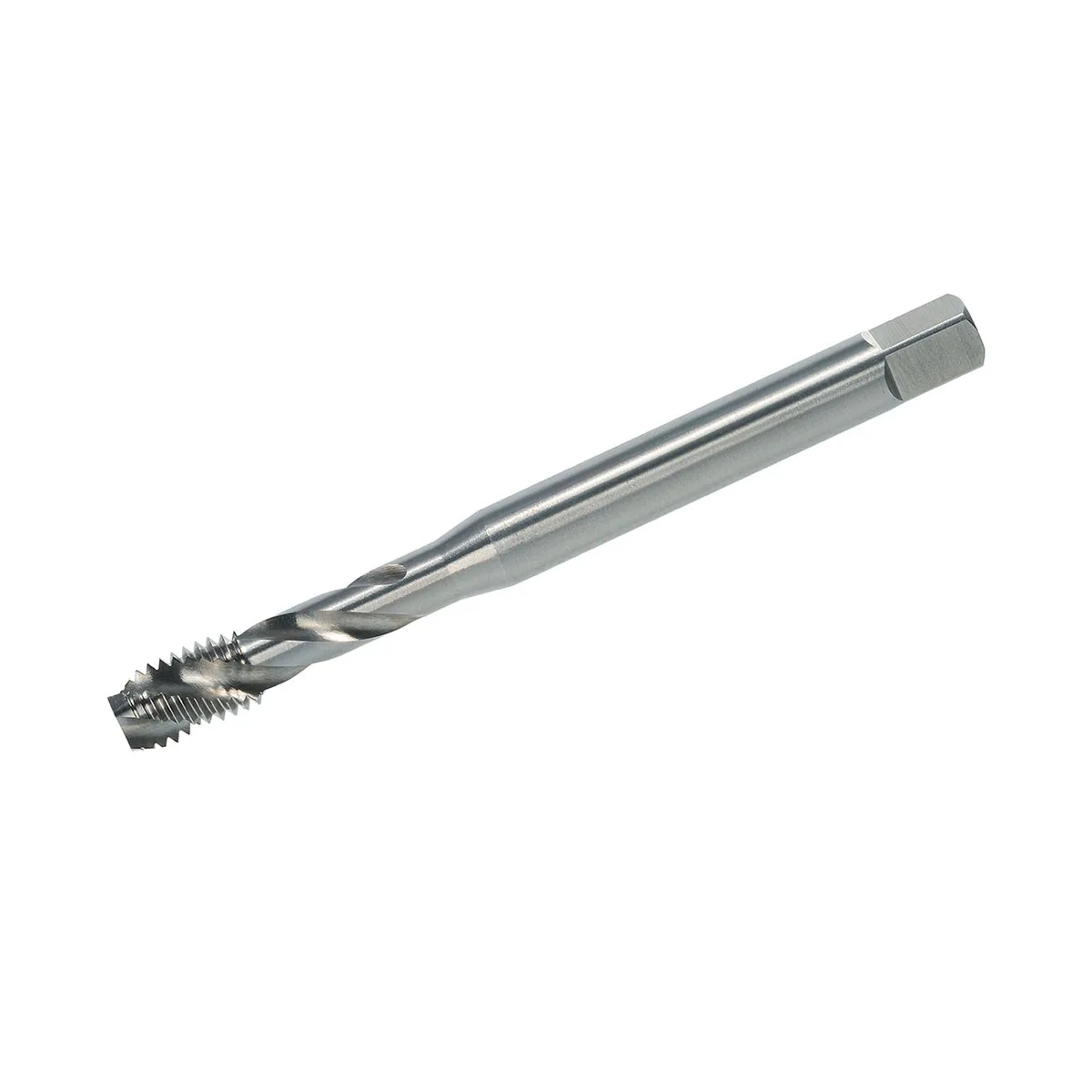
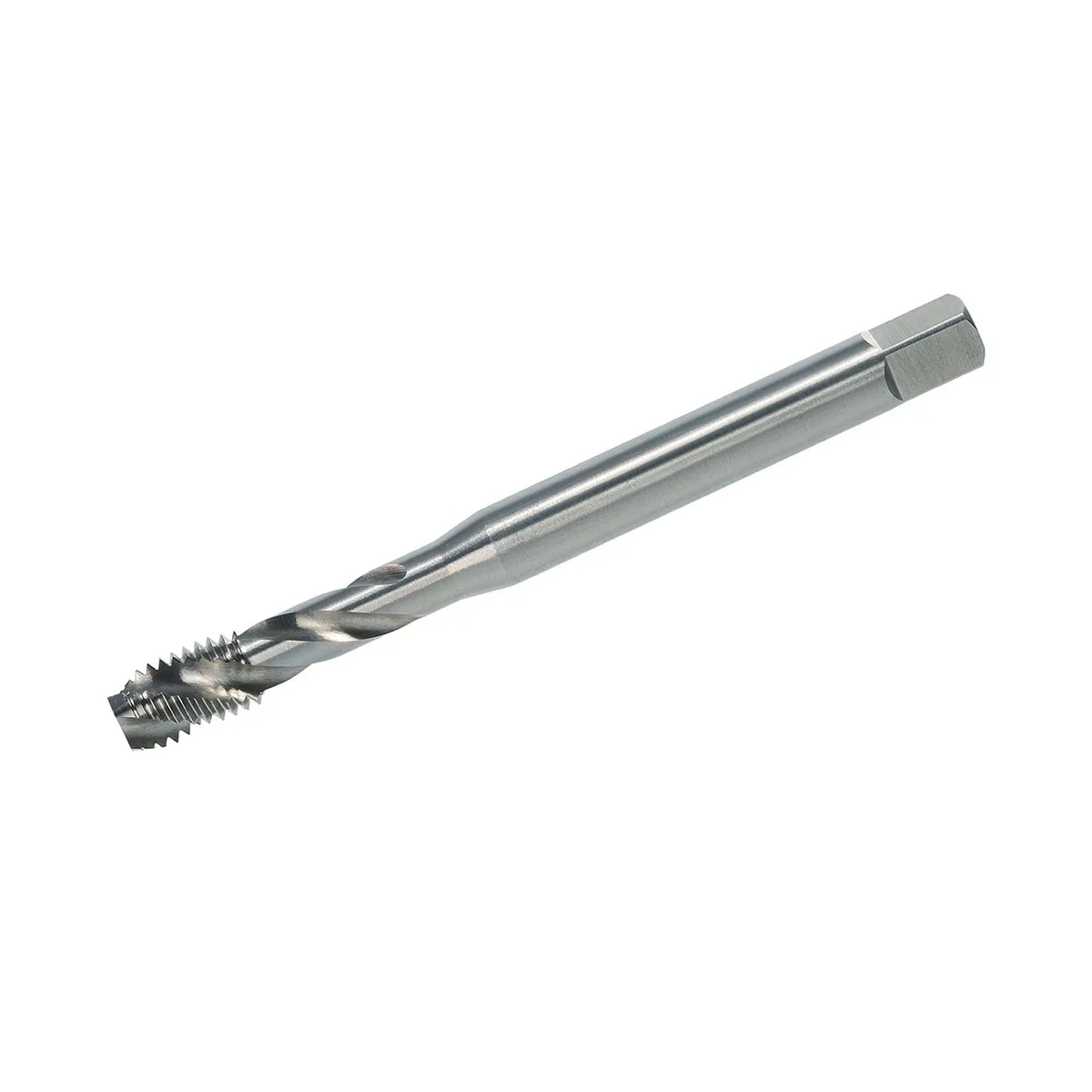
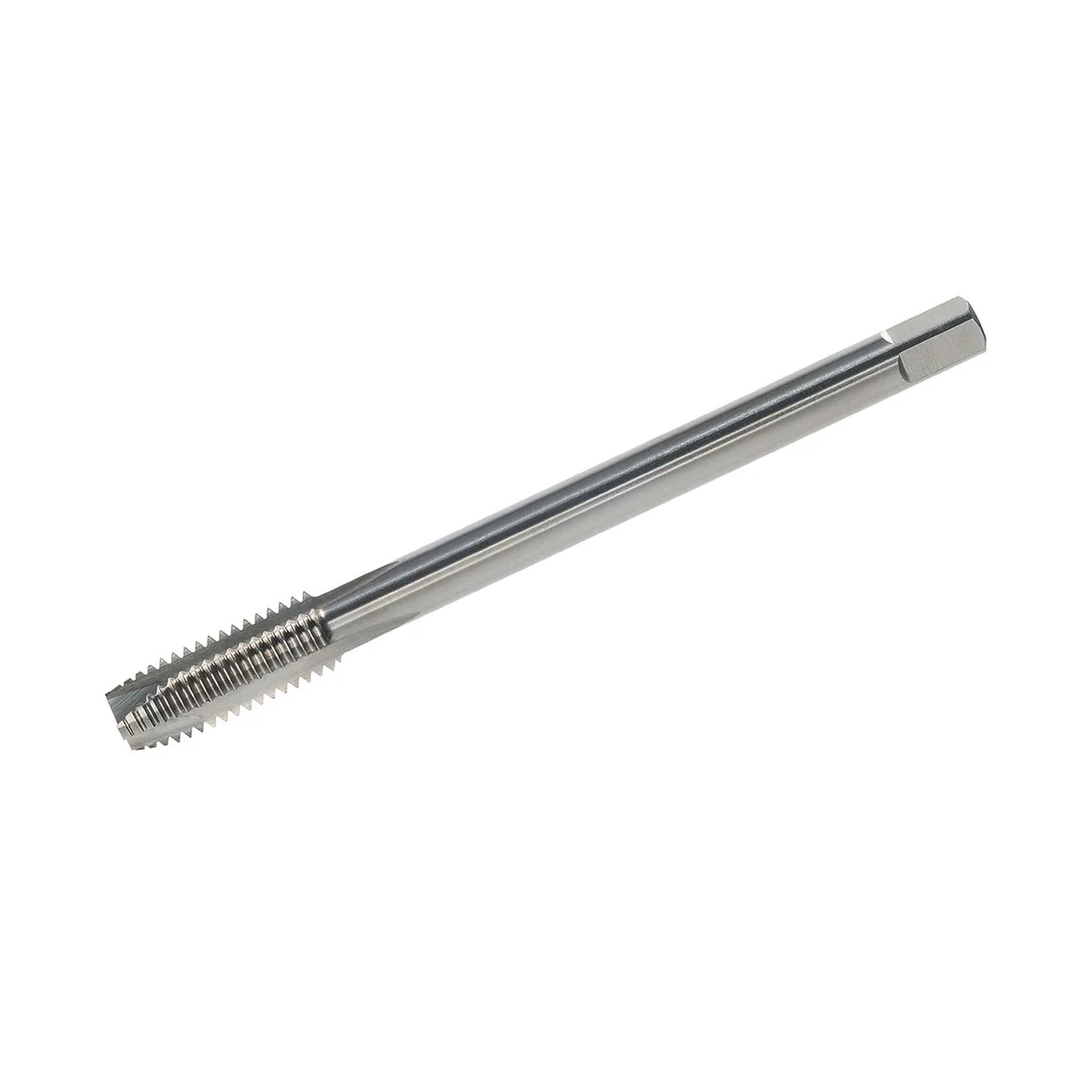
Machine Tap DIN 371 Form C 35° Spiral Flute HSSE 7G - M 3 x 0.5 by VÖLKEL, item no. 32703, suitable for cutting internal threads.

For fine and precise threads in blind holes, even in demanding materials, the VÖLKEL Machine Tap DIN 371 Form C 35° SP HSSE 7G - M 3 x 0.5 is your tool of choice. This tap is optimized for machine use and consistently delivers high-quality results.
Made from HSSE (High-Speed Steel with at least 5% cobalt content), this tap surpasses conventional HSS steel in performance. The cobalt additive significantly increases heat resistance and wear resistance. This means longer tool life, even at high cutting speeds and in tough materials.
This tap cuts a metric ISO thread M 3 x 0.5 according to DIN 13. With an overall length of 56 mm, a thread length of 6 mm, a shank diameter of 3.5 mm, and a 2.7 mm square drive, it is compact and precise for fine threads.
The 7G tolerance is a special tolerance class for internal threads (nut threads). It is less common than the standard 6H tolerance but has its specific areas of application.
When to choose 7G? A 7G tolerance is typically used for loose fits. This can be advantageous when:
DIN 371 is an important German industrial standard that specifies the dimensions and requirements for machine taps with a reinforced shank.
For you, this means more security at high cutting forces and better tool guidance in the machine, which is especially important for smaller diameters and in tough materials.
With this VÖLKEL machine tap, you get a specialized tool that serves you reliably and precisely even under demanding conditions.
1. What is the main difference between HSS and HSSE?
The main difference is in the material. HSSE is a further development of HSS and contains a cobalt content (usually 5% or 8%). This additive significantly increases heat resistance, wear resistance, and cutting performance, making the tap more suitable for demanding materials and higher cutting speeds.
2. Why does this tap have a spiral point?
The spiral point (SP) with 35° is specifically designed for cutting threads in blind holes. The spiral shape of the flutes effectively pushes the chips backward, out of the hole. This prevents chips from clogging at the bottom of the blind hole, which could block or damage the tool.
3. What does the 7G tolerance class mean?
The 7G tolerance class stands for a loose fit of the internal thread. Compared to the standard 6H tolerance, a 7G thread has a slightly larger dimension, which facilitates assembly. It is particularly useful when the thread is to be coated after cutting, as the coating reduces the diameter and the tolerance compensates for this.
4. What is the difference between DIN 371 and DIN 376?
Both are standards for machine taps. DIN 371 refers to taps with a reinforced shank, where the shank diameter matches the nominal thread diameter. They are more robust and break-resistant, especially for smaller threads. DIN 376, on the other hand, describes taps with a reduced shank, where the shank diameter is smaller than the thread diameter. This design is typical for larger threads from M10 and up.
5. Can I also use this machine tap manually?
While theoretically possible, it is not recommended. The geometry of this tap, especially the spiral flutes, is optimized for machine use. Manually, chip evacuation is less effective, and the risk of the tool breaking is significantly higher due to uneven forces. A hand tap set is recommended for manual threading.
.accordion-container { margin-top: 20px; border: 1px solid #e0e0e0; border-radius: 5px; overflow: hidden; } .accordion-item { margin-bottom: 0; border-bottom: 1px solid #eee; } .accordion-item:last-child { border-bottom: none; } .accordion-header { padding: 15px 20px; background-color: #f8f8f8; cursor: pointer; display: flex; align-items: center; justify-content: space-between; font-weight: 600; color: #333; transition: background-color 0.2s ease; } .accordion-header h3 { margin: 0; font-size: 1.1em; color: inherit; } .accordion-header::marker, .accordion-header::-webkit-details-marker { display: none; } .accordion-header::after { content: '\25BC'; font-size: 0.8em; transition: transform 0.2s ease; margin-left: 10px; } details[open] > summary.accordion-header::after { transform: rotate(-180deg); } .accordion-header:hover { background-color: #f0f0f0; } .accordion-content { padding: 15px 20px; background-color: #ffffff; line-height: 1.6; color: #555; } .accordion-content p, .accordion-content ul, .accordion-content ol { margin-bottom: 10px; } .accordion-content p:last-child, .accordion-content ul:last-child, .accordion-content ol:last-child { margin-bottom: 0; } .accordion-content a { color: var(--primary-color, #007bff); text-decoration: none; } .accordion-content a:hover { text-decoration: underline; }
| Type of thread | metric ISO-thread |
|---|---|
| Standard | DIN 371 |
| Form | Form C |
| Material | HSSE |
| Tolerance | 7G |
| Size | M 3 x 0.5 |
| Overall length (L1) | 56 mm |
| Thread length (L2) | 6 mm |
| Core hole diameter (D1) | 2.5 mm |
| Shank diameter (D2) | 3.5 mm |
| Drive connector | 2.7 mm |
| EAN | 4022835327035 |
| Item number | 32703 |
| Type of flute | 35° Spiral Flute |
| Application | for blind holes |
| Thread standard | DIN 13 |