Áo sơ mi chạy bộ
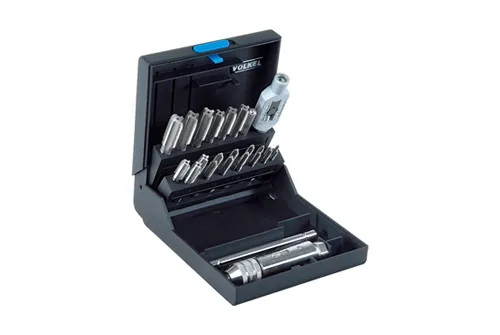
 Bộ mũi khoan
 taro
Bộ mũi khoét
Bộ mũi khoan
Bộ mũi khoan taro
Bộ mũi khoét
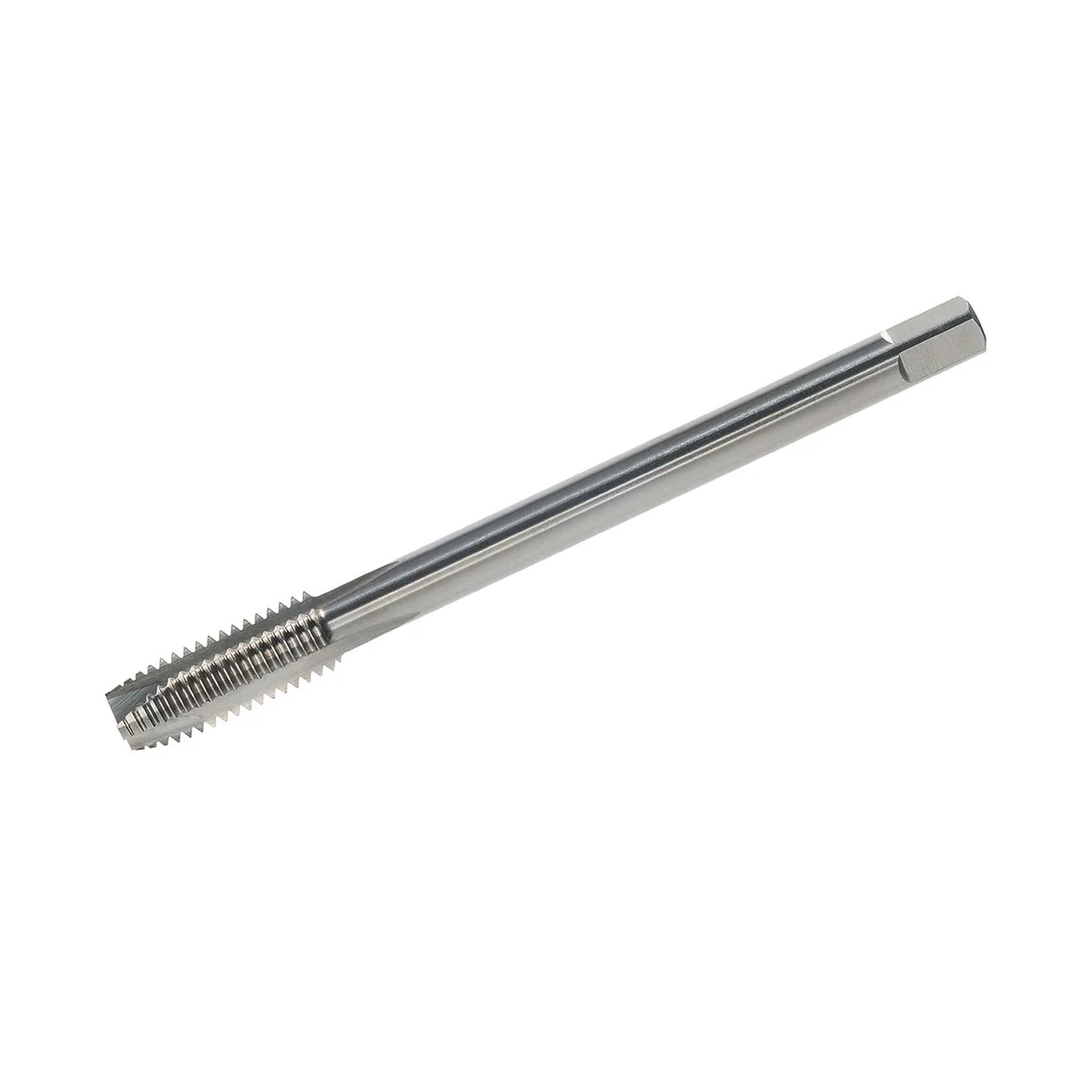
 Bộ mũi taro ren trong
 Bộ sửa ren
 Bôi trơn cắt ren
Cặp taro máy + mũi khoan
Bôi trơn cắt ren
Cặp taro máy + mũi khoan
 Dụng cụ bẻ chân ren
 Dưỡng đo ren ngoai
 Dưỡng đo ren trong
Mũi doa vát mép
Mũi khoan kim loại
Dưỡng đo ren trong
Mũi doa vát mép
Mũi khoan kim loại
 Mũi taro cho ren cấy
Mũi taro ren trong
Mũi taro cho ren cấy
Mũi taro ren trong
 Ren cấy V-coil
 Taro ren máy
Taro ren tay
Tay cấy ren
Tay quay bàn ren
Tay quay taro trong
Taro ren máy
Taro ren tay
Tay cấy ren
Tay quay bàn ren
Tay quay taro trong
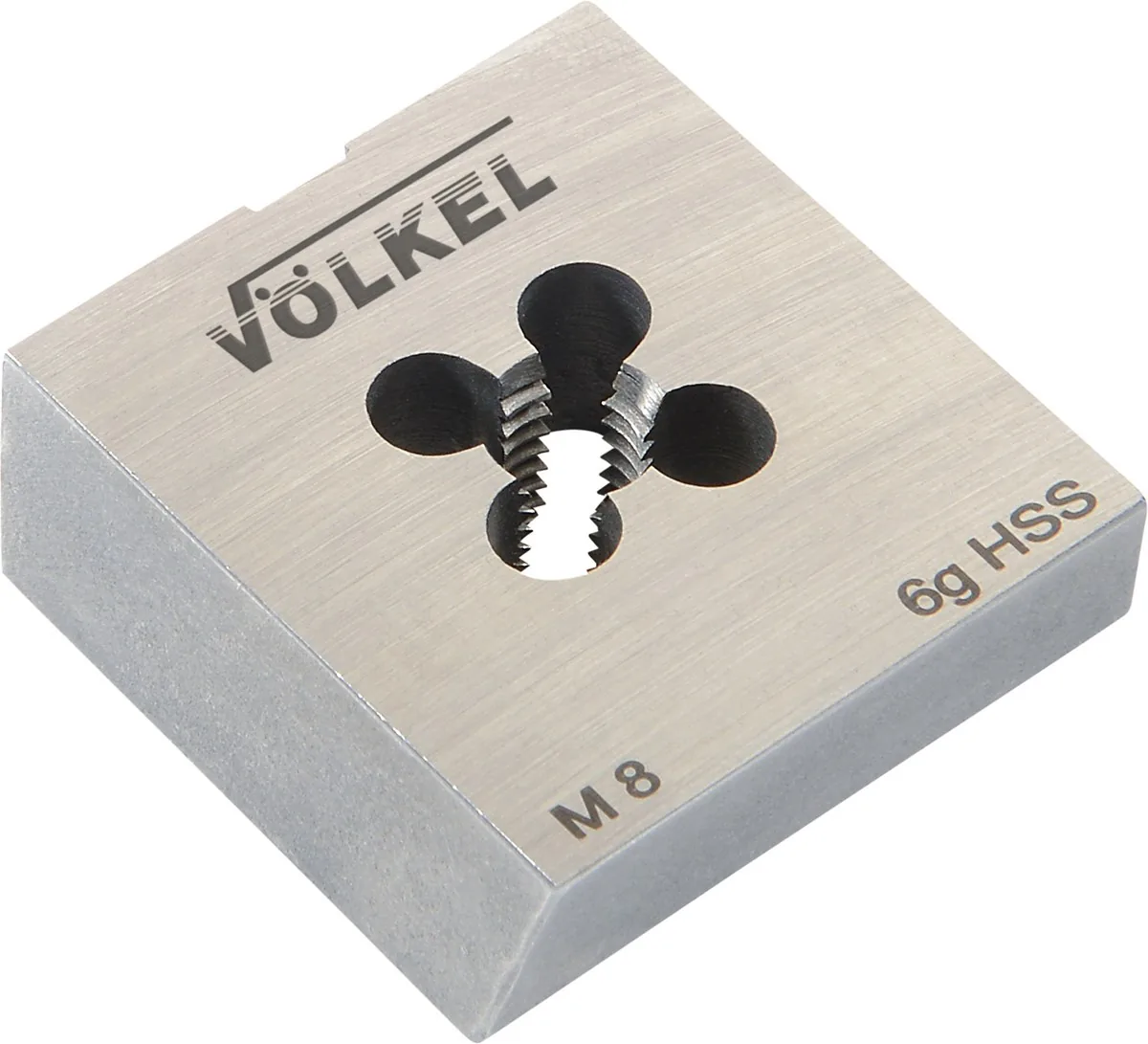

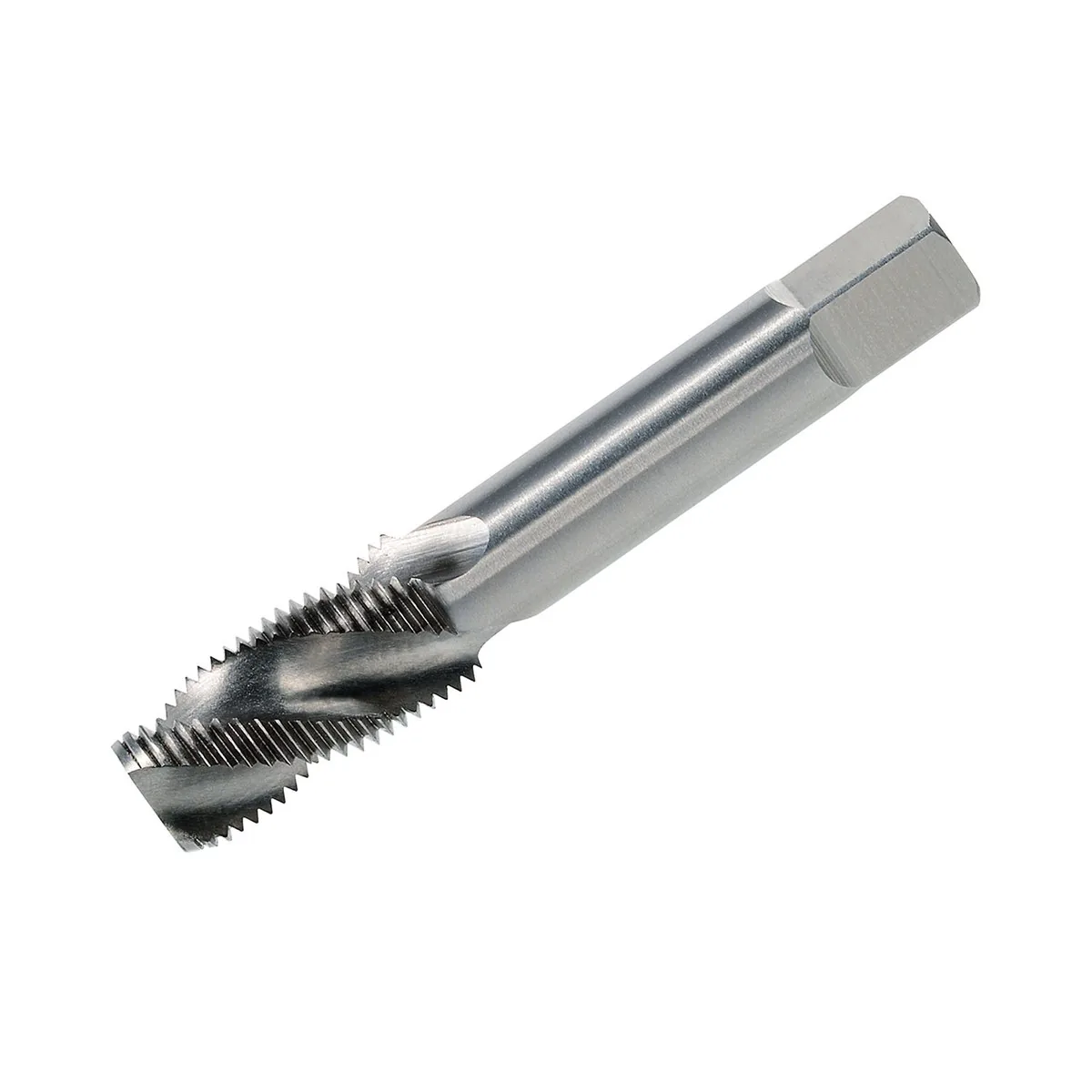
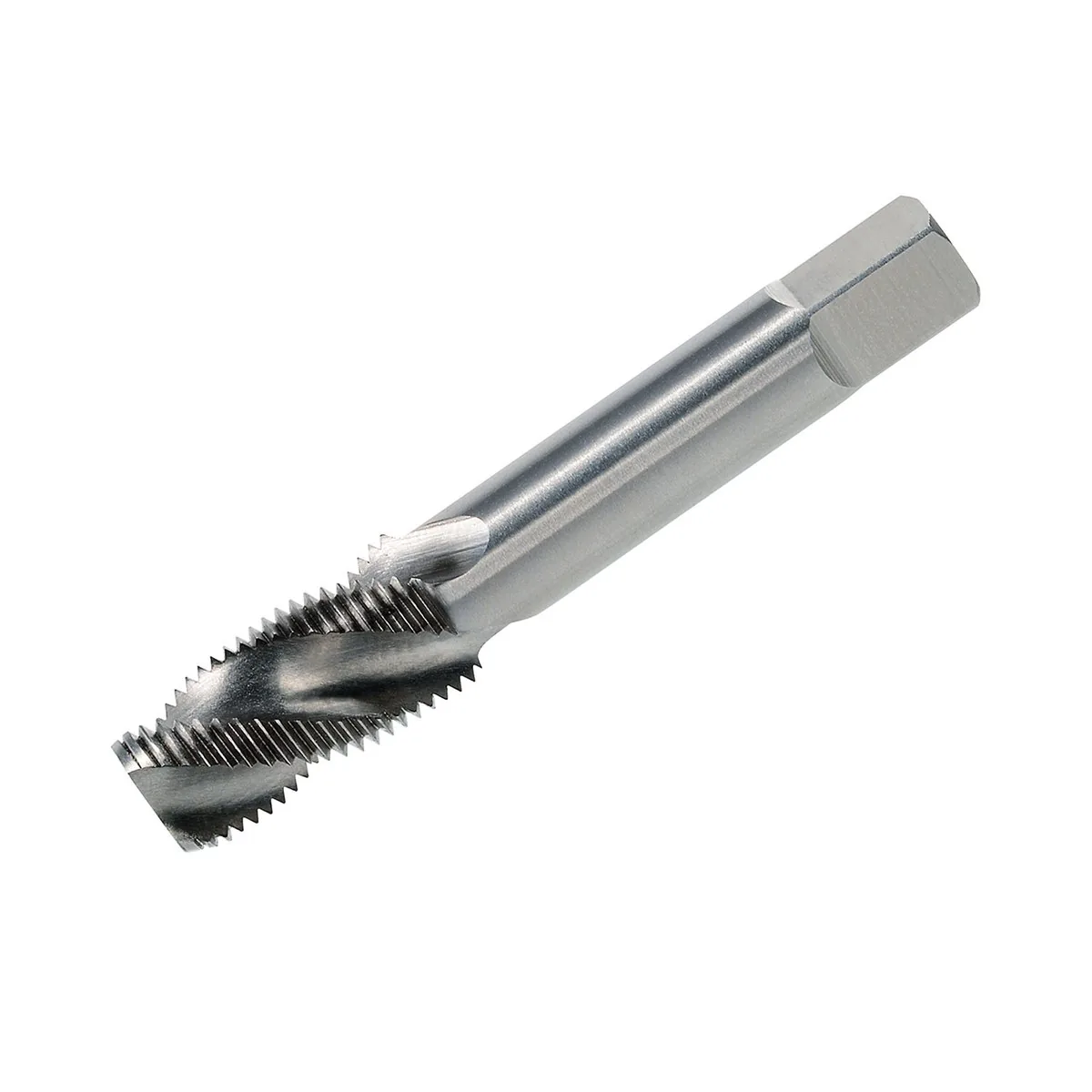
You use Square Die HSS - G (BSP) 3/4 x 14 to generate threads during manufacturing, maintenance, or repair work. Correct results depend on matching the tool to the specified thread designation and keeping the tool aligned to the axis.
BSPP refers to a British Standard Pipe parallel thread, commonly used for pipe connections where sealing is handled by a separate element.
Note Clean threads and tools before use, apply suitable lubrication for cutting operations, and stop if resistance rises sharply.
Do you need help selecting or using the product?
Use the contact form.
| Type of thread | Pipe thread |
|---|---|
| Standard | Works Standard |
| Material | HSS |
| Tolerance | A |
| Size | G (BSP) 3/4 x 14 |
| Outer diameter | 51.5 mm |
| EAN | 4022835293361 |
| Item number | 29336 |
| Thread standard | DIN ISO 228 |
| Rec. Bolt diameter | 26.30 mm |