Áo sơ mi chạy bộ
 Bộ mũi khoan
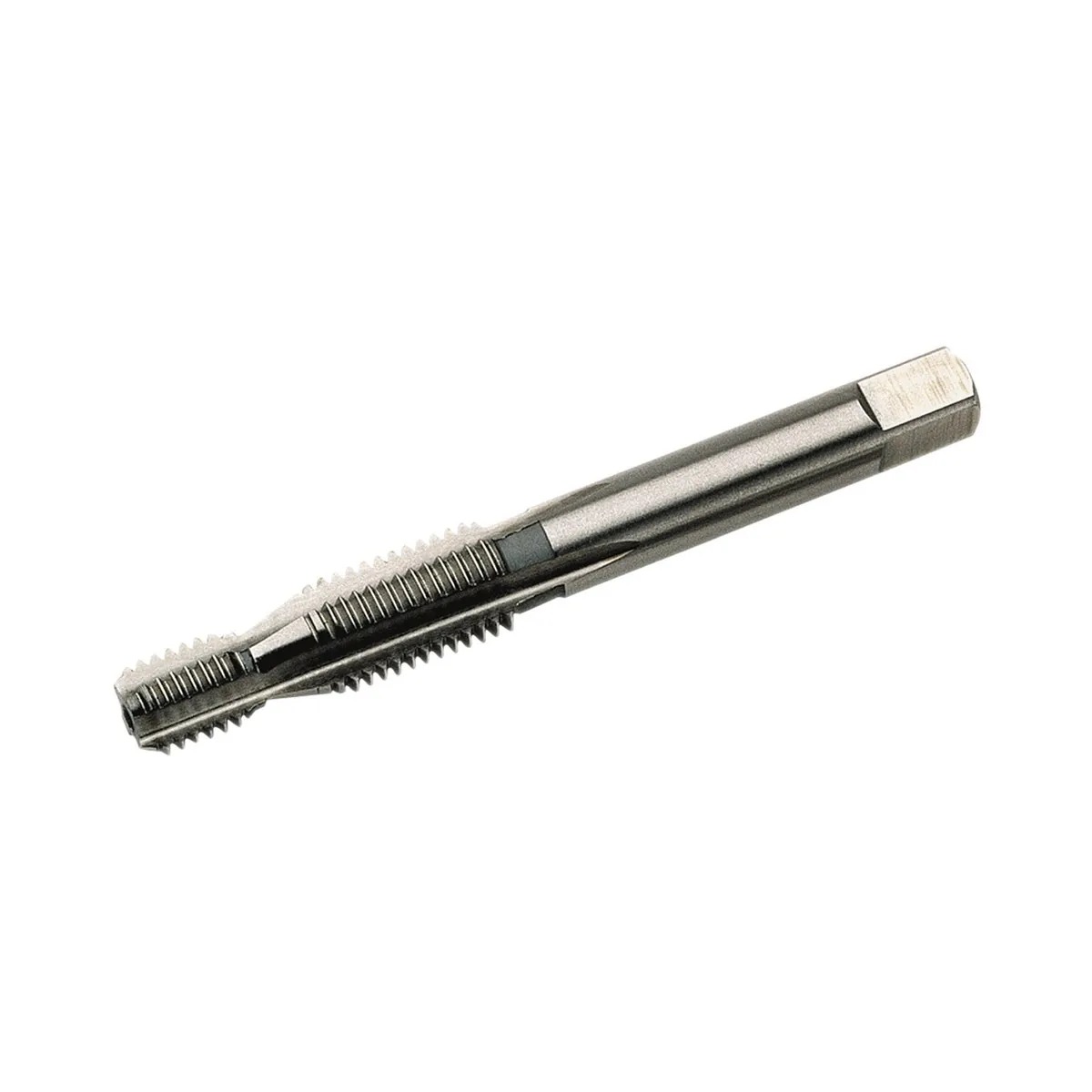
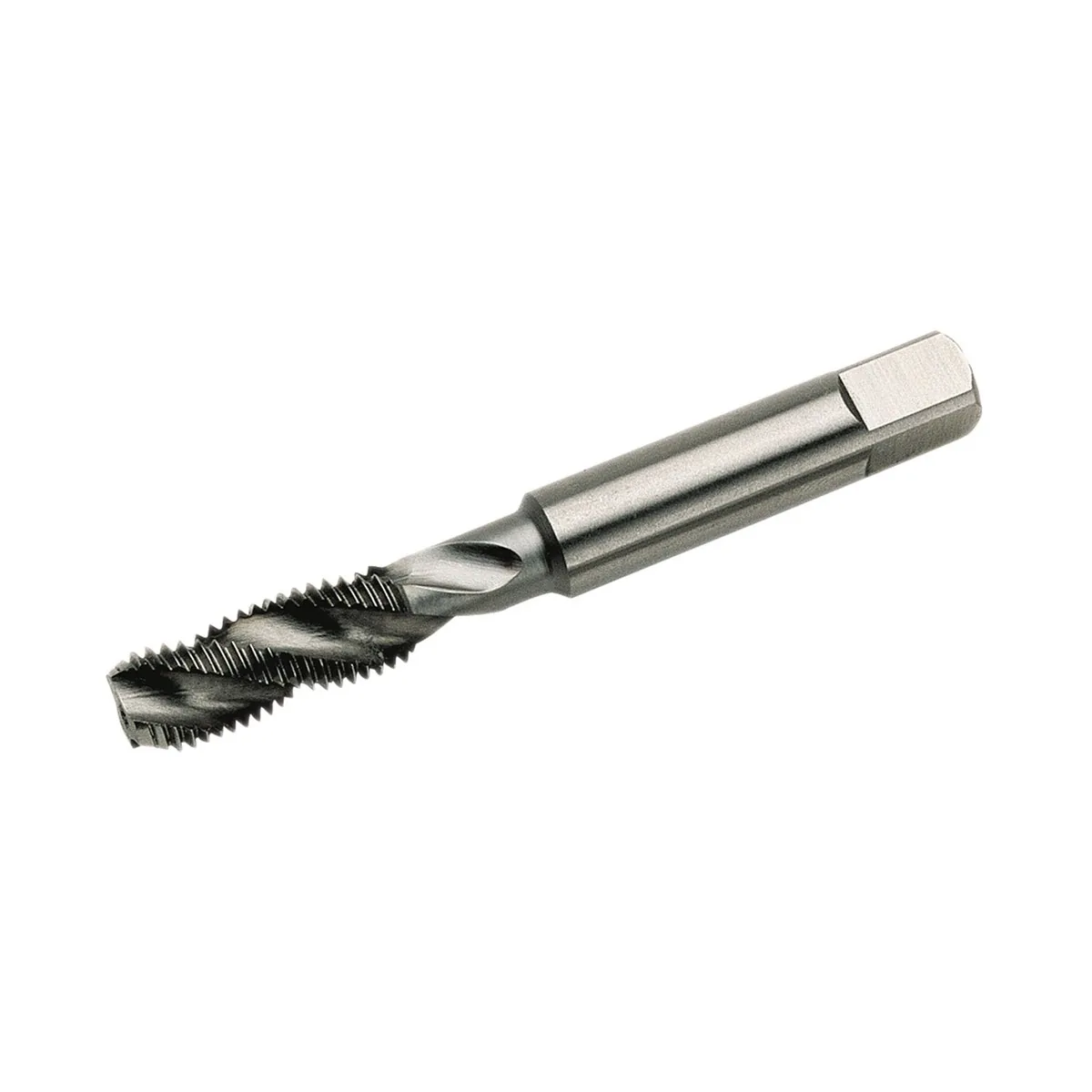
 taro
Bộ mũi khoét
Bộ mũi khoan
Bộ mũi khoan taro
Bộ mũi khoét
 Bộ mũi taro ren trong
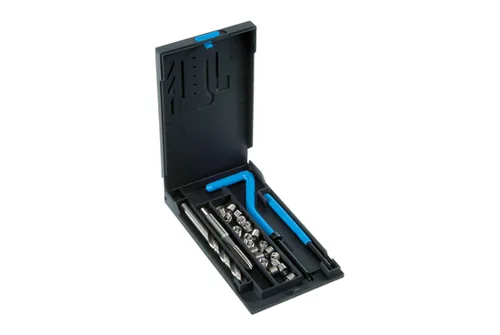
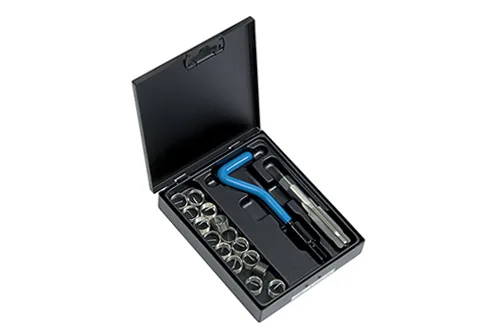
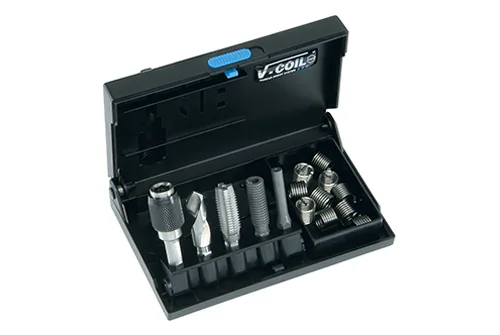
 Bộ sửa ren
 Bôi trơn cắt ren
Cặp taro máy + mũi khoan
Bôi trơn cắt ren
Cặp taro máy + mũi khoan
 Dụng cụ bẻ chân ren
 Dưỡng đo ren ngoai
 Dưỡng đo ren trong
Mũi doa vát mép
Mũi khoan kim loại
Dưỡng đo ren trong
Mũi doa vát mép
Mũi khoan kim loại
 Mũi taro cho ren cấy
Mũi taro ren trong
Mũi taro cho ren cấy
Mũi taro ren trong
 Ren cấy V-coil
 Taro ren máy
Taro ren tay
Tay cấy ren
Tay quay bàn ren
Tay quay taro trong
Taro ren máy
Taro ren tay
Tay cấy ren
Tay quay bàn ren
Tay quay taro trong
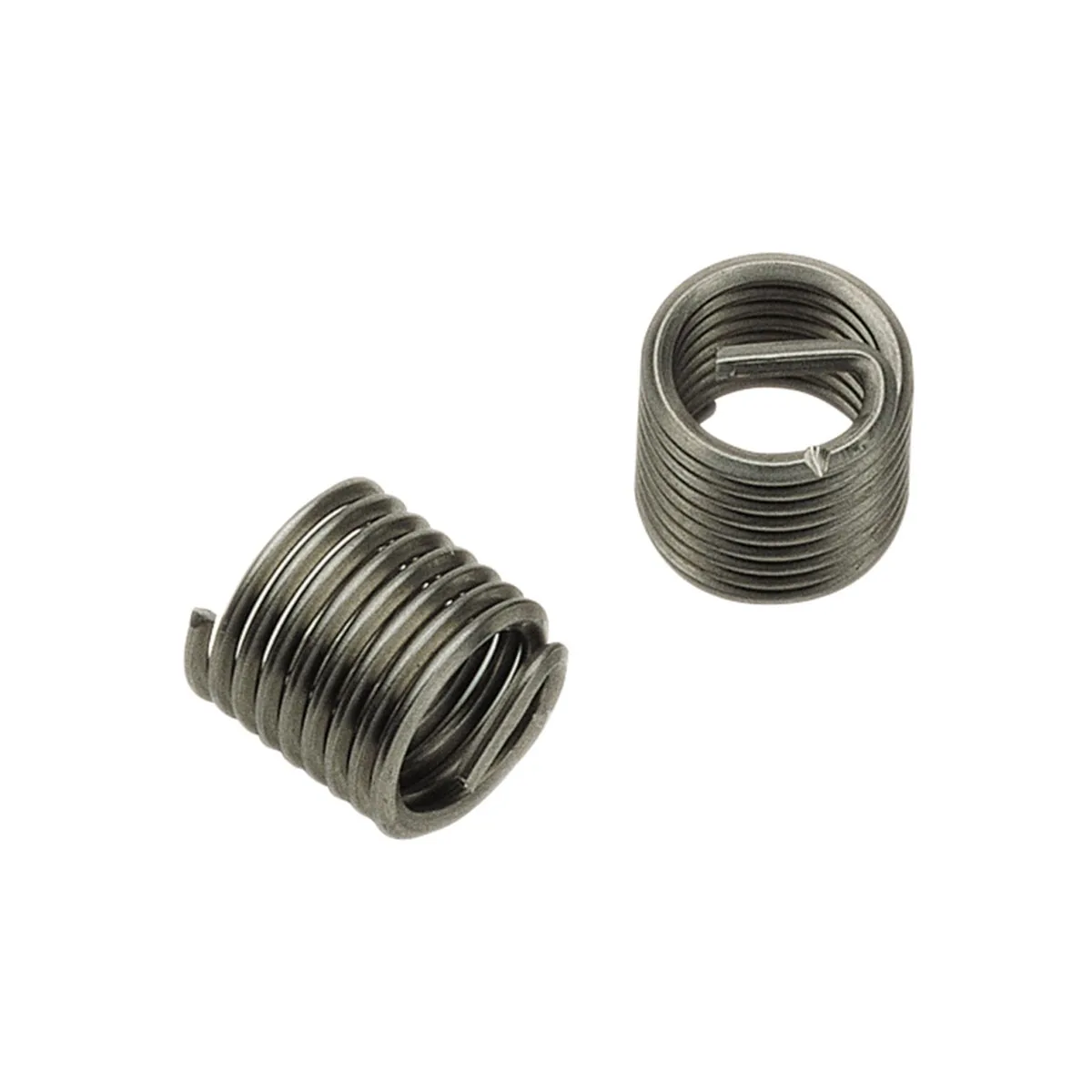
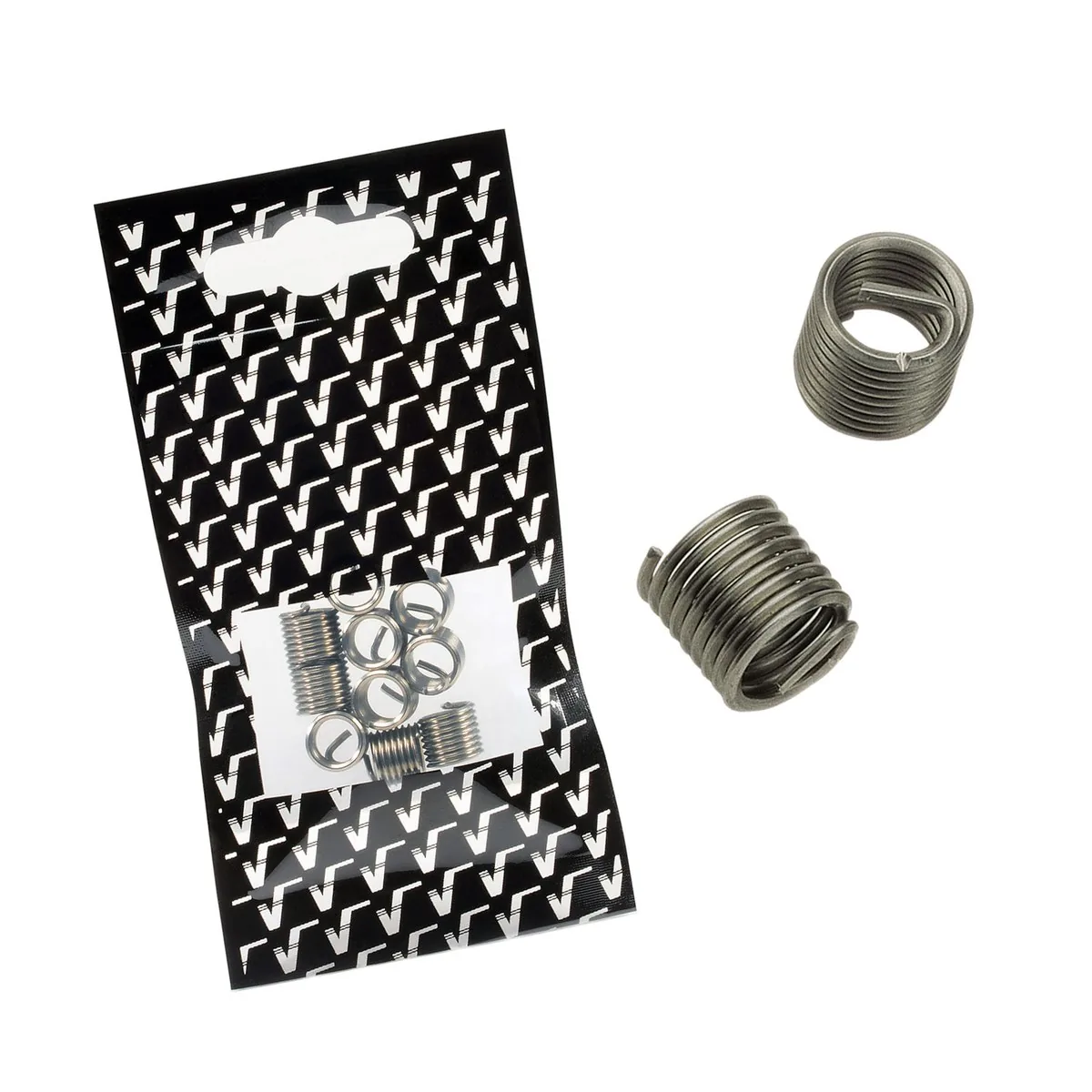
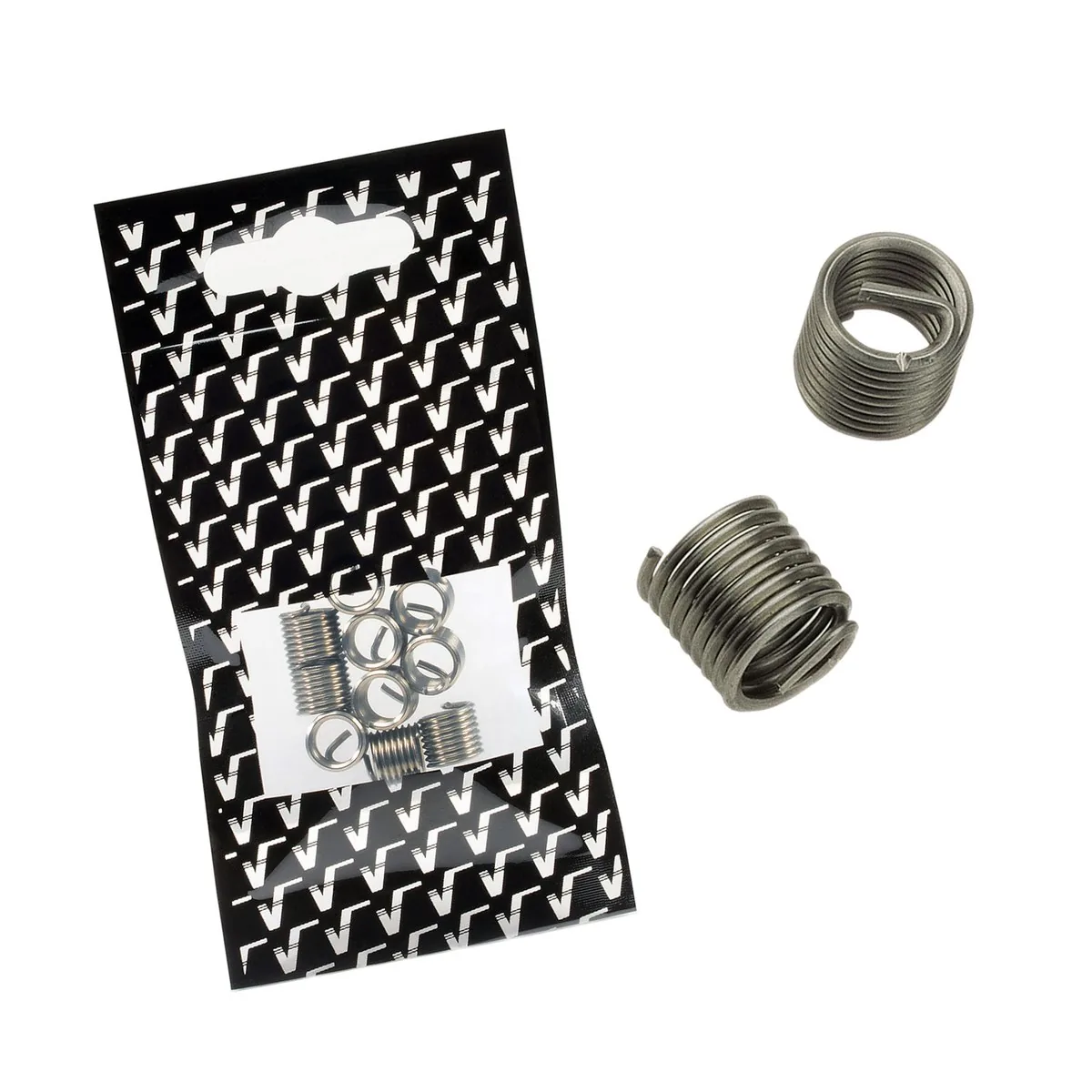
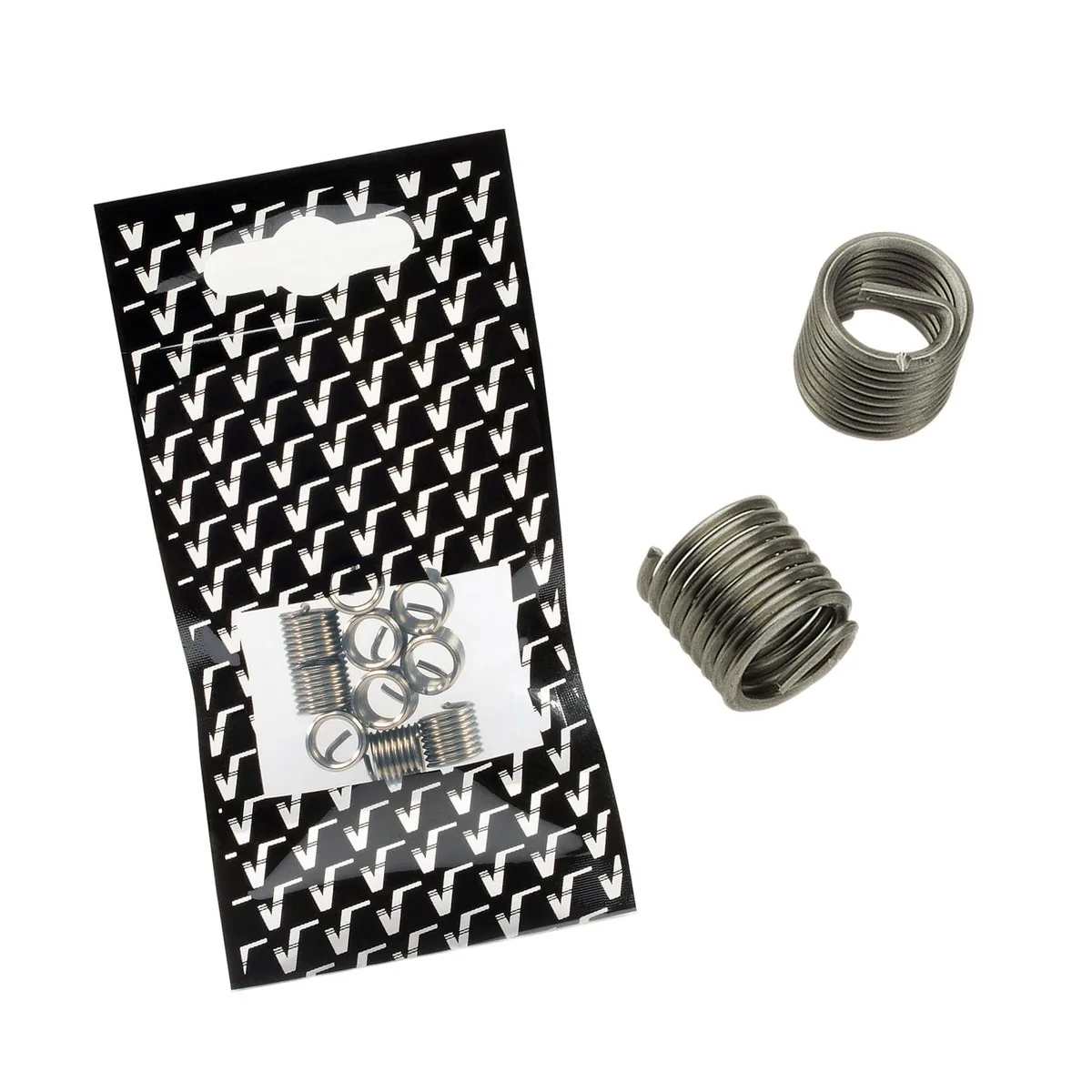
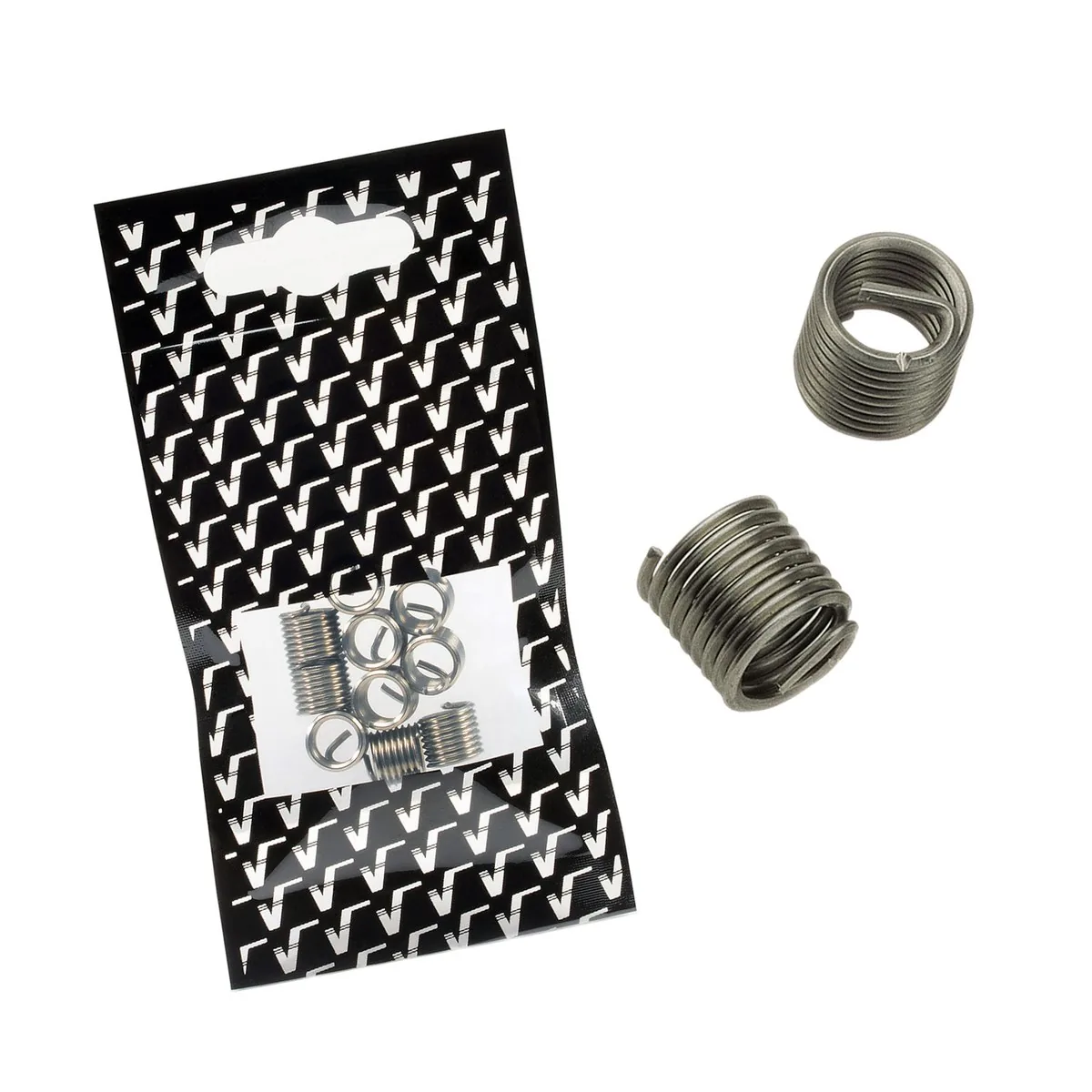
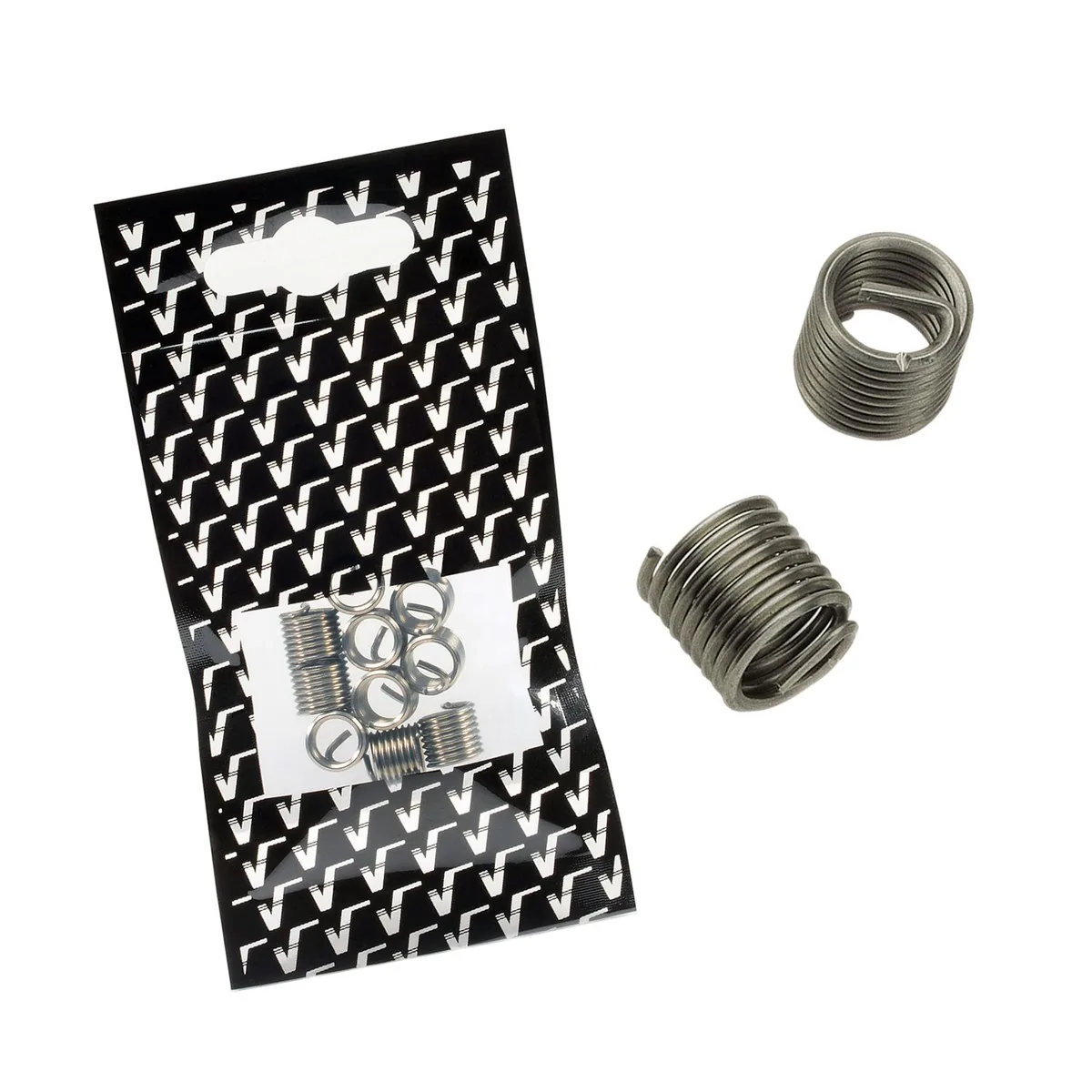
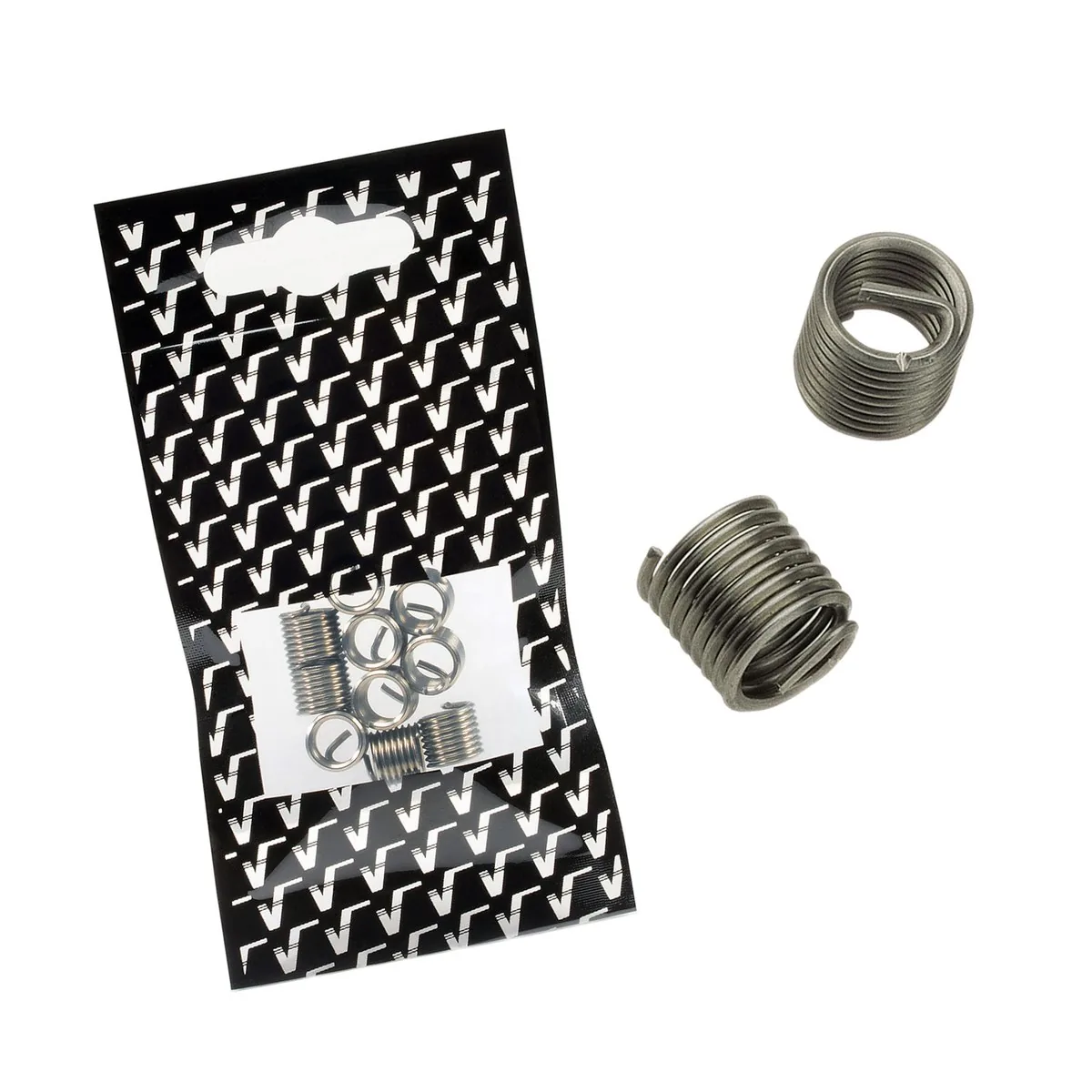
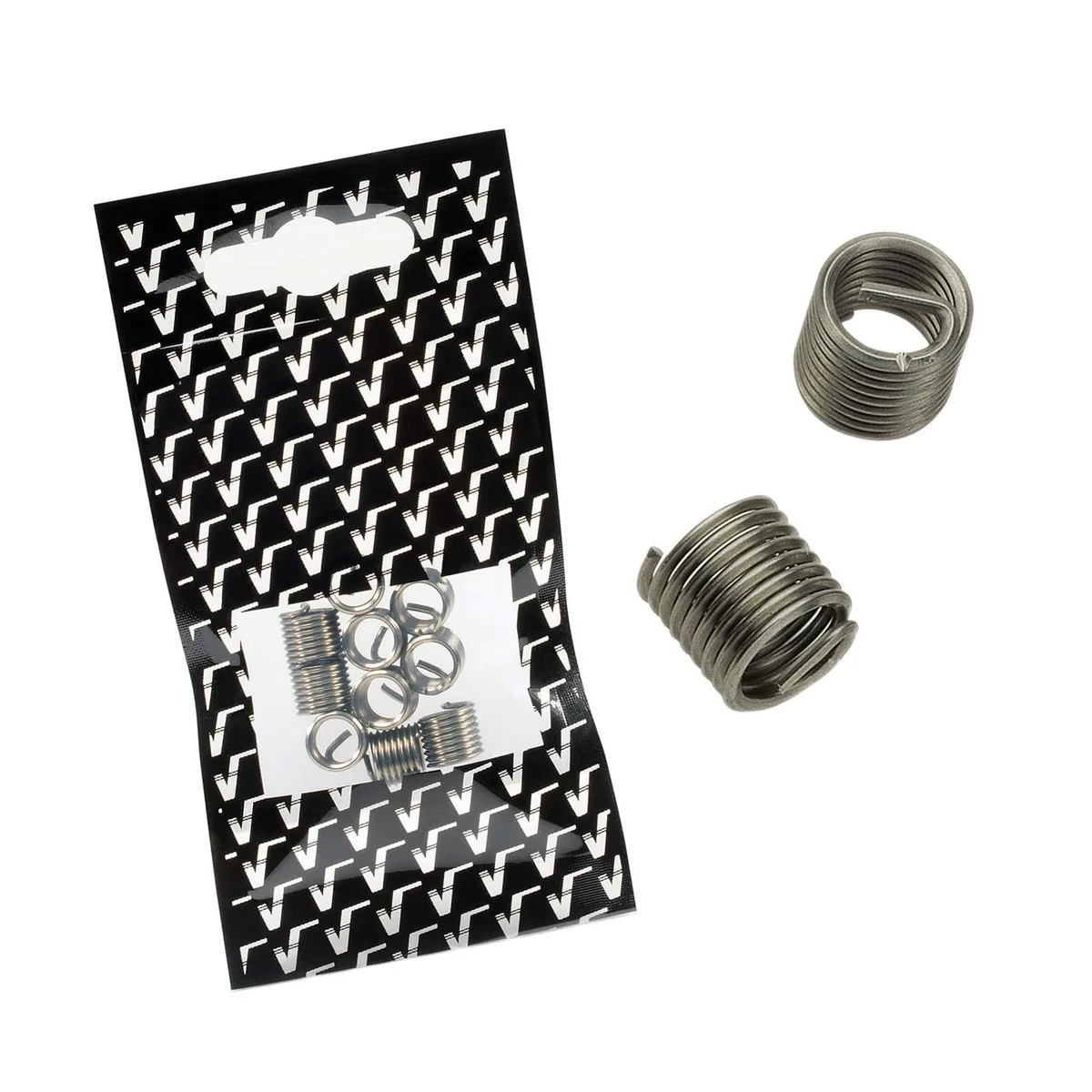
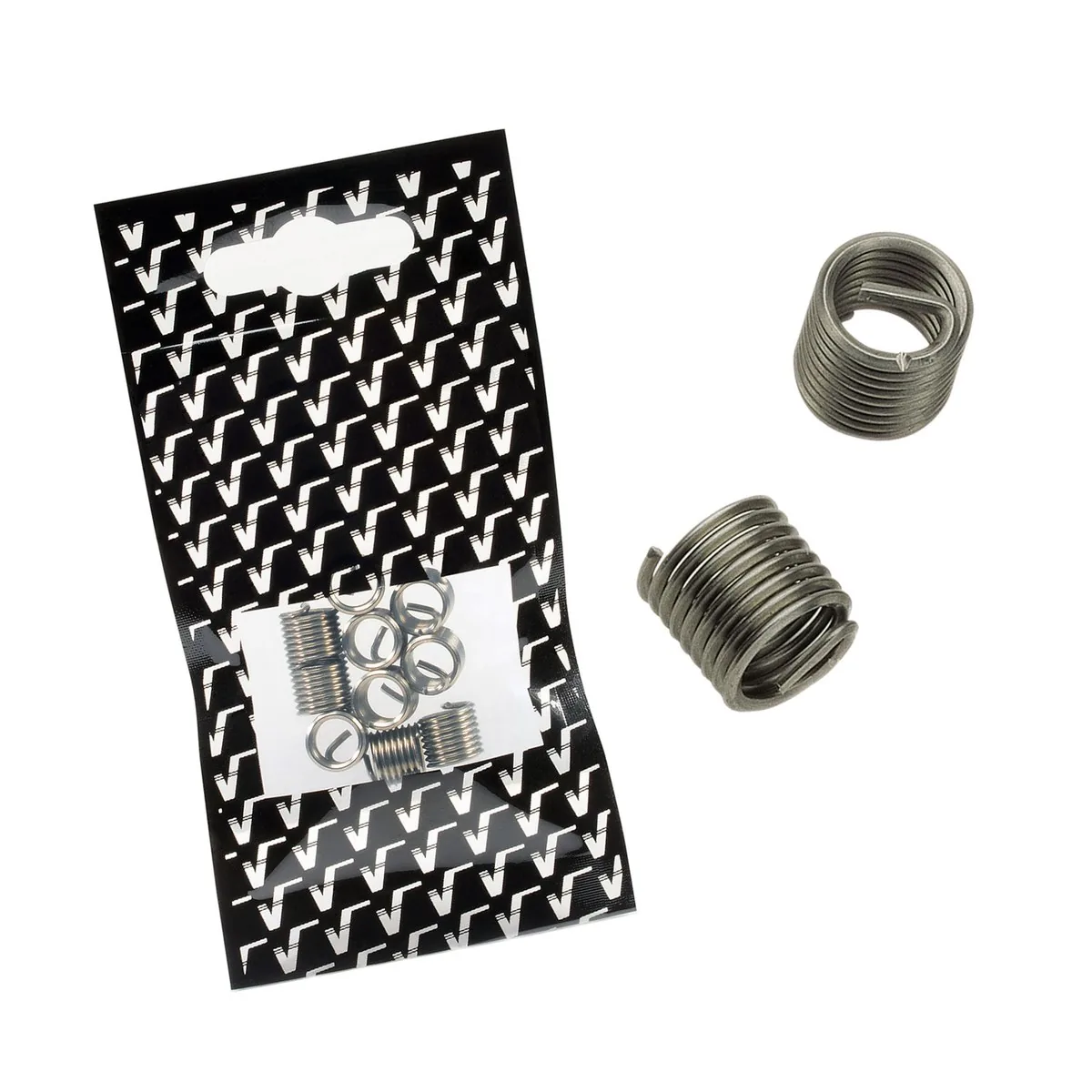
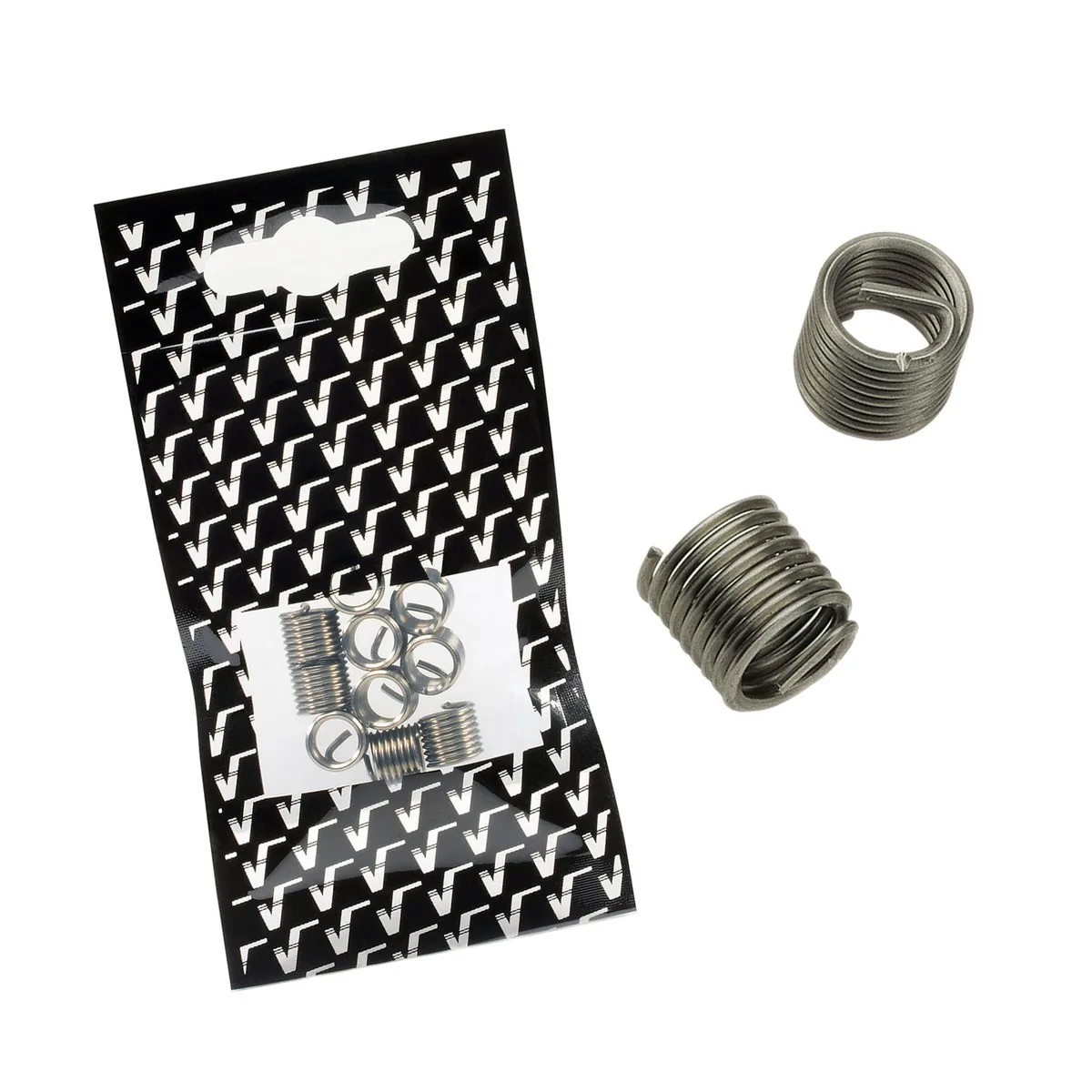
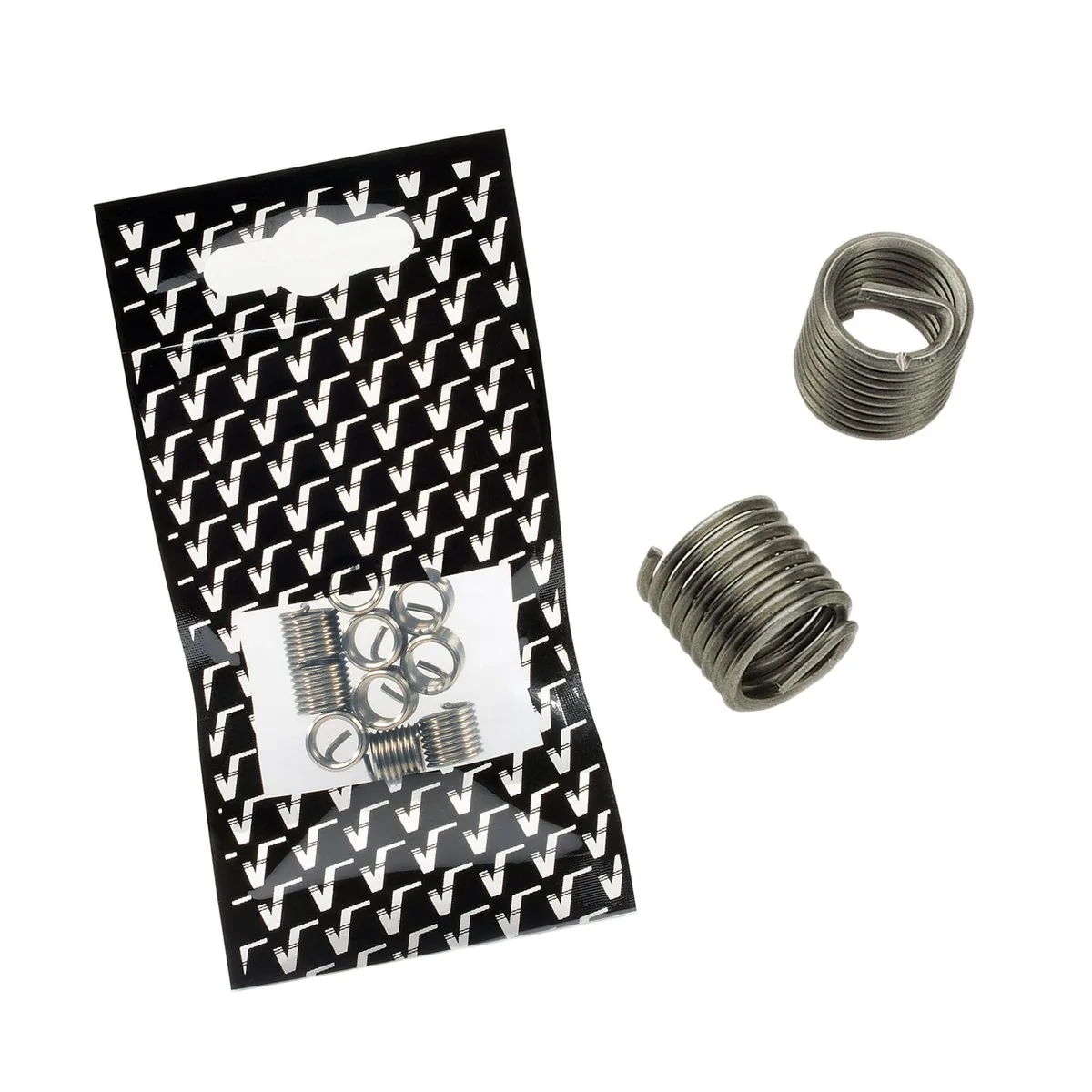
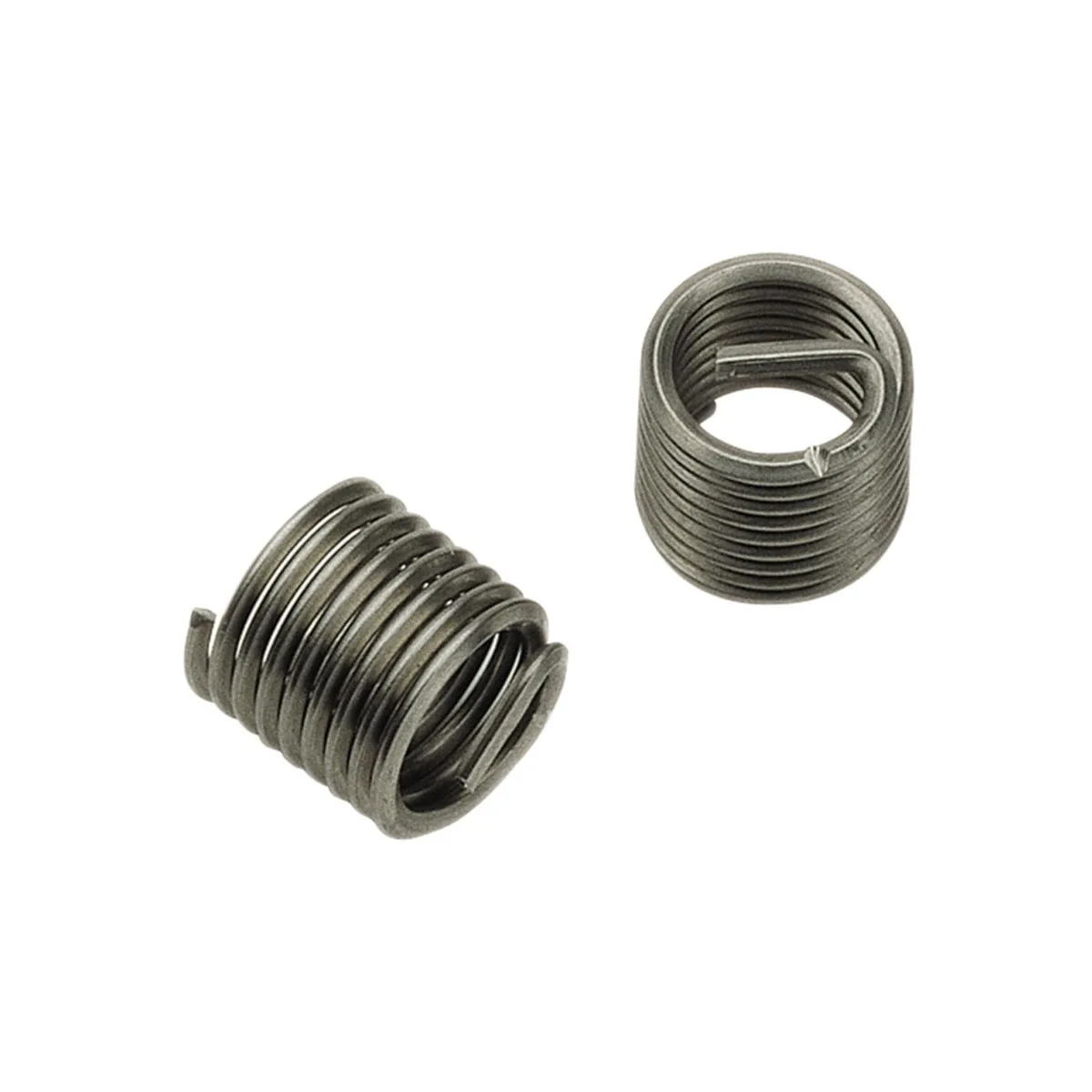
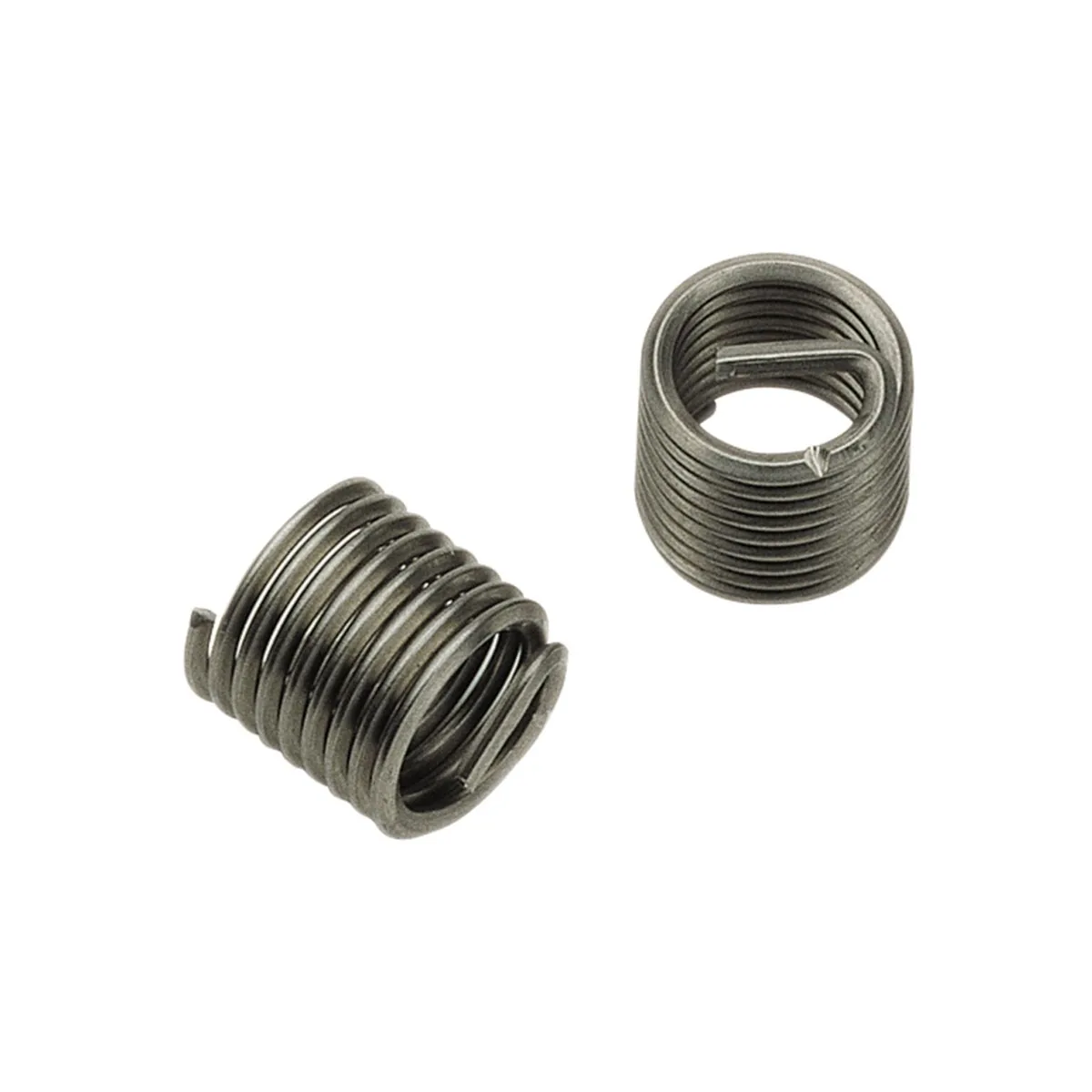
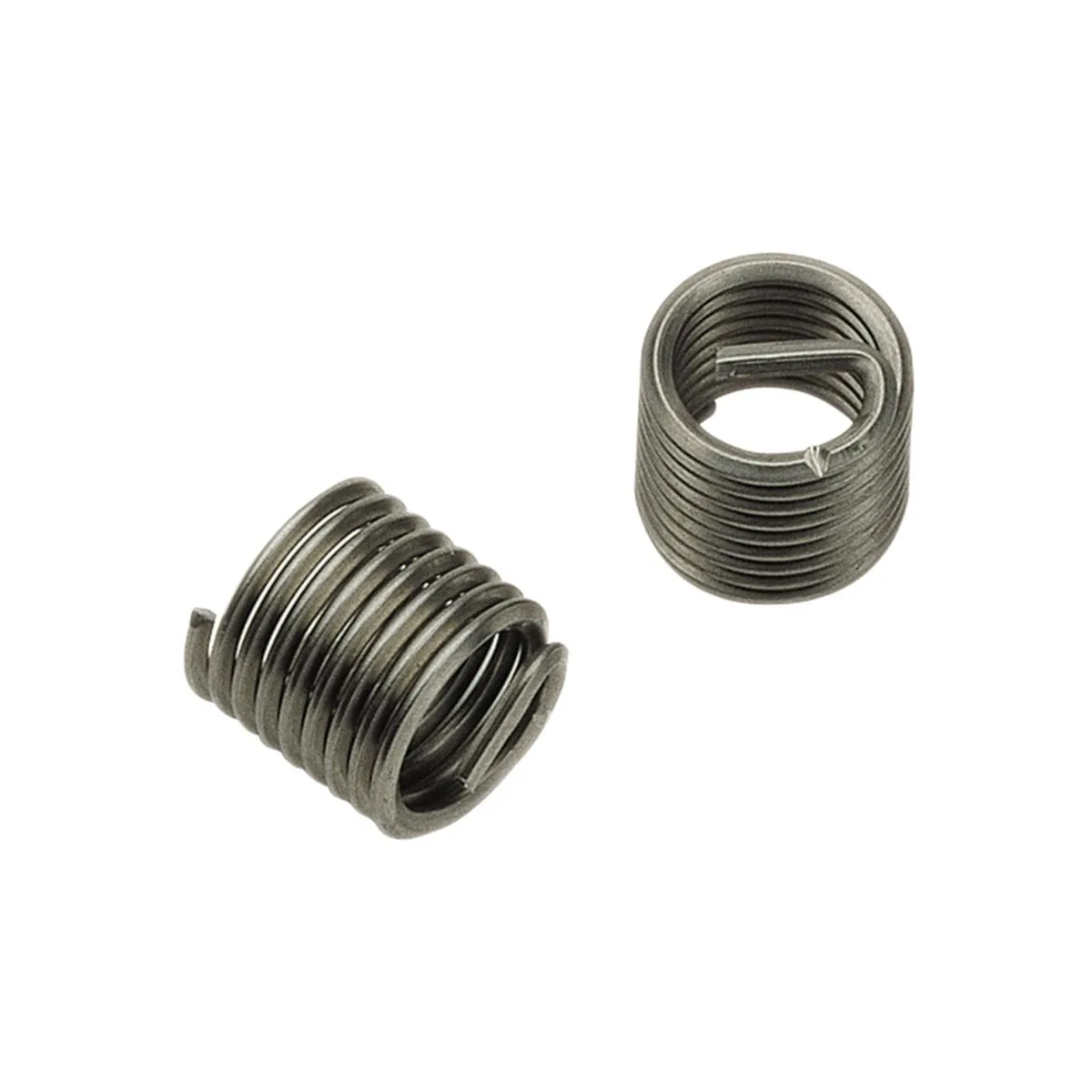
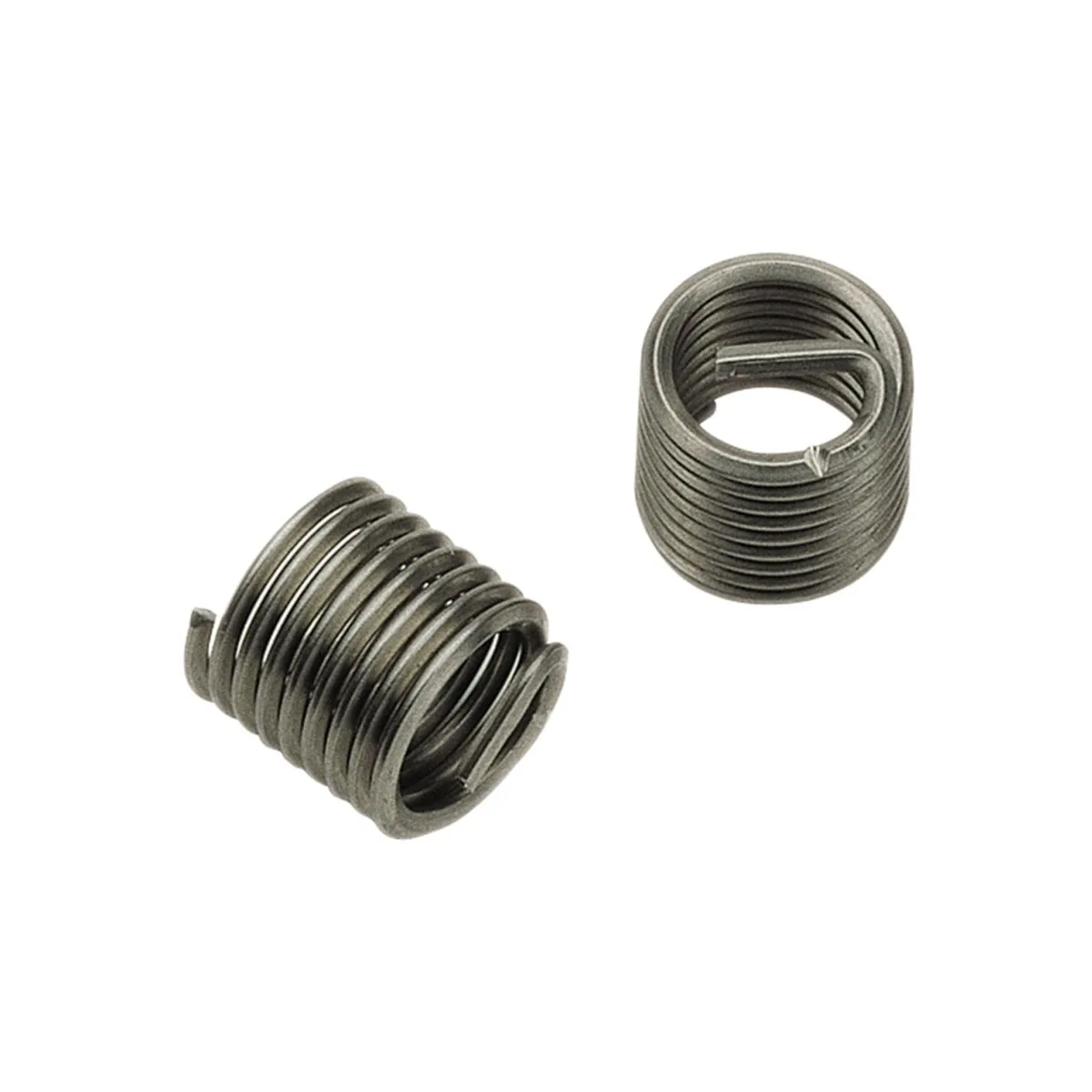
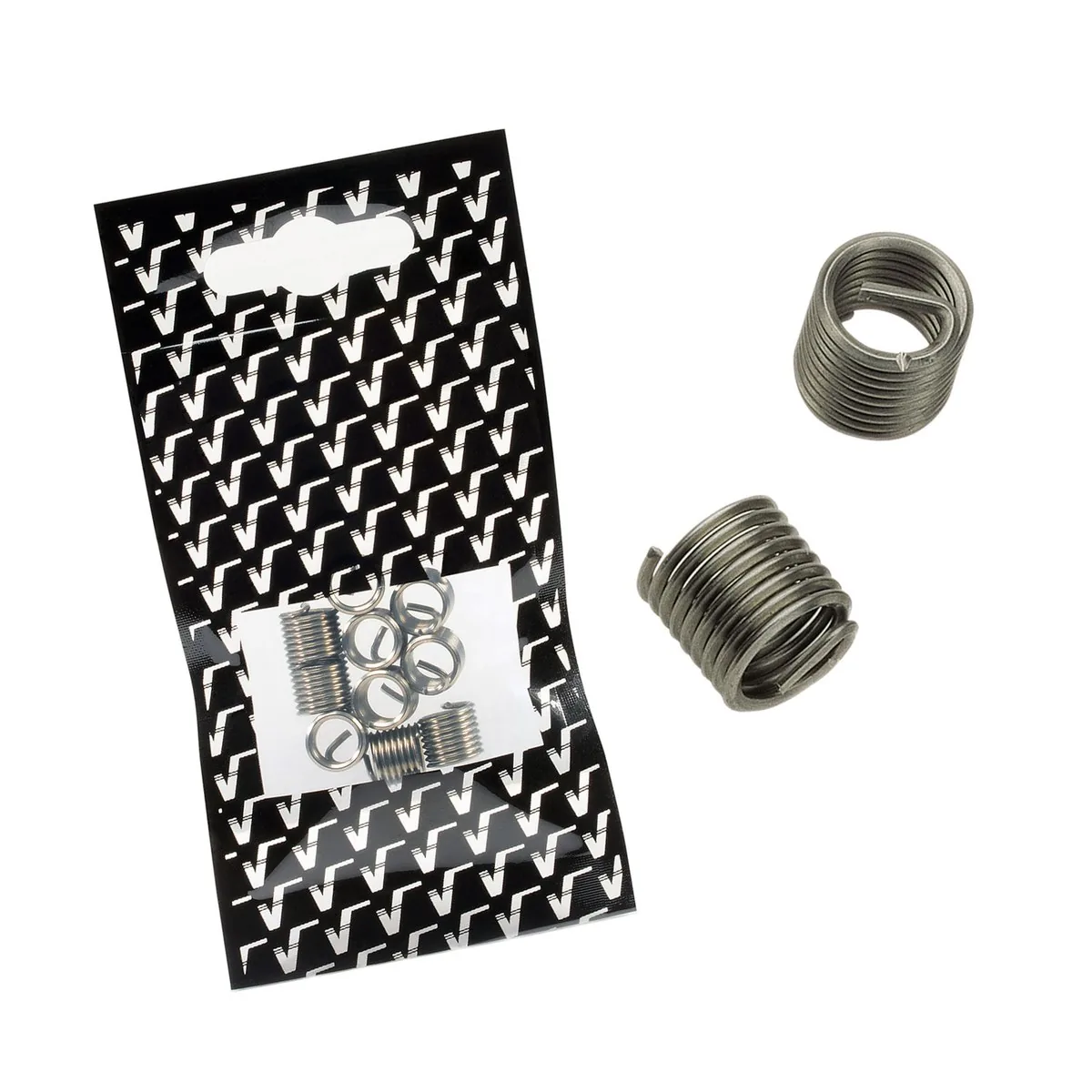
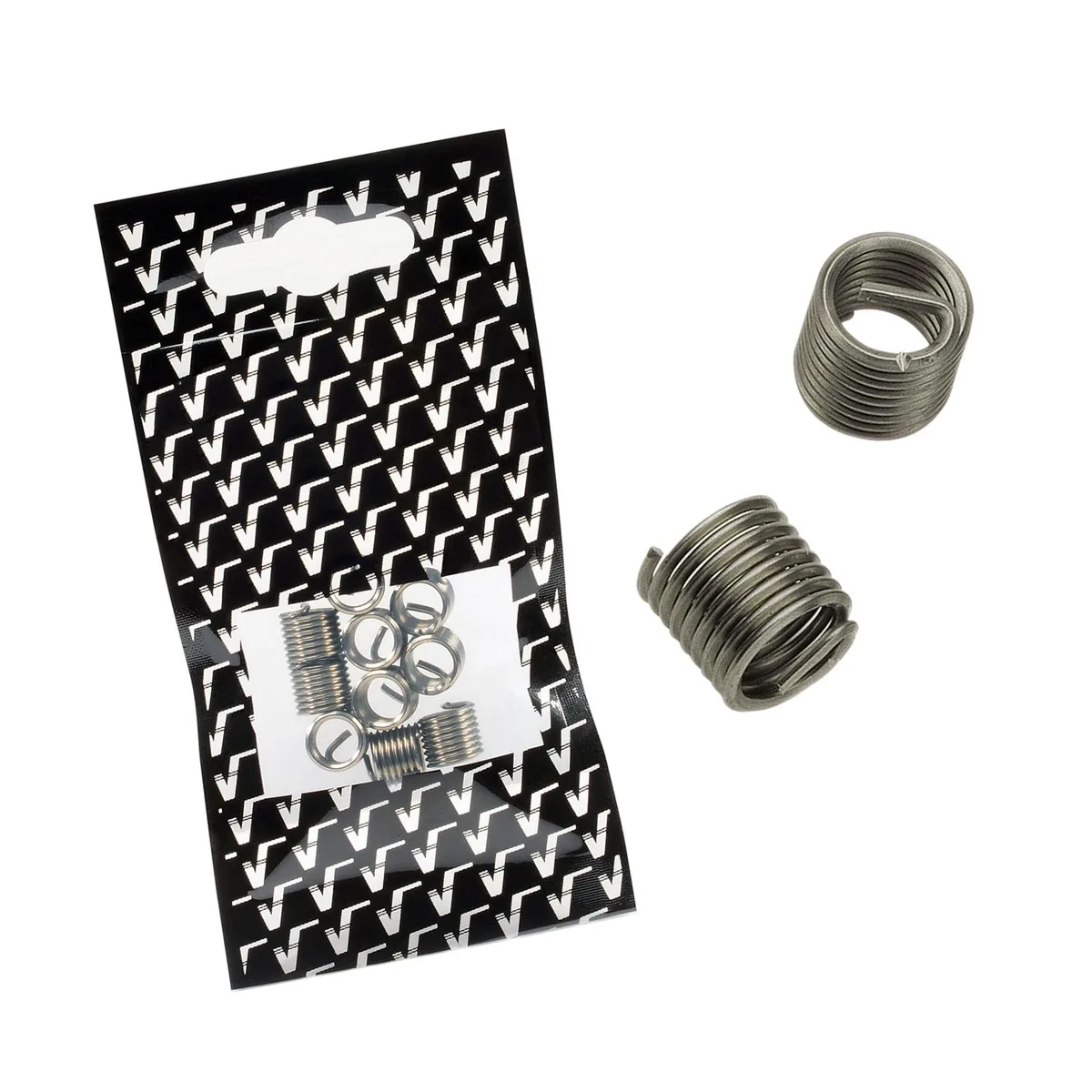
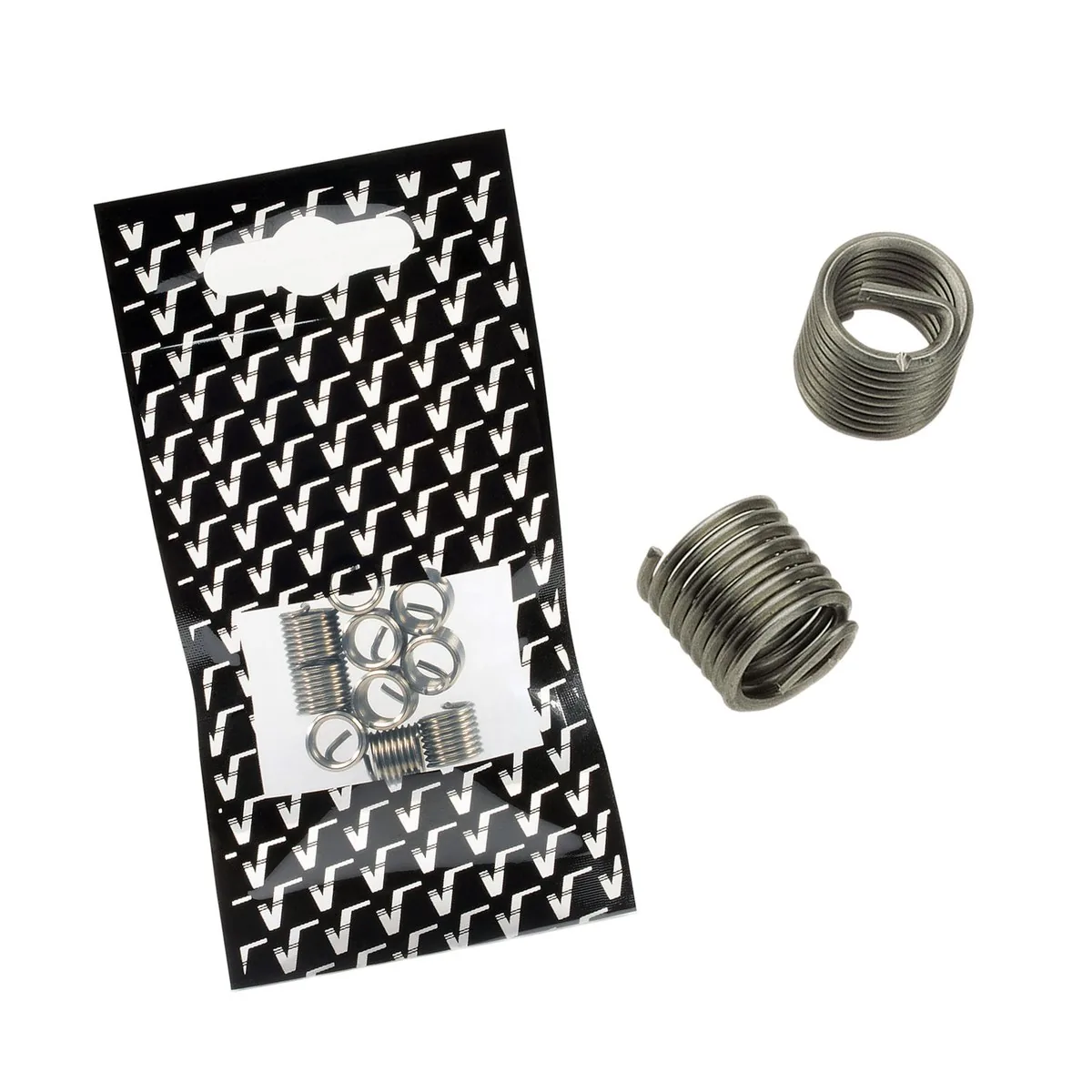
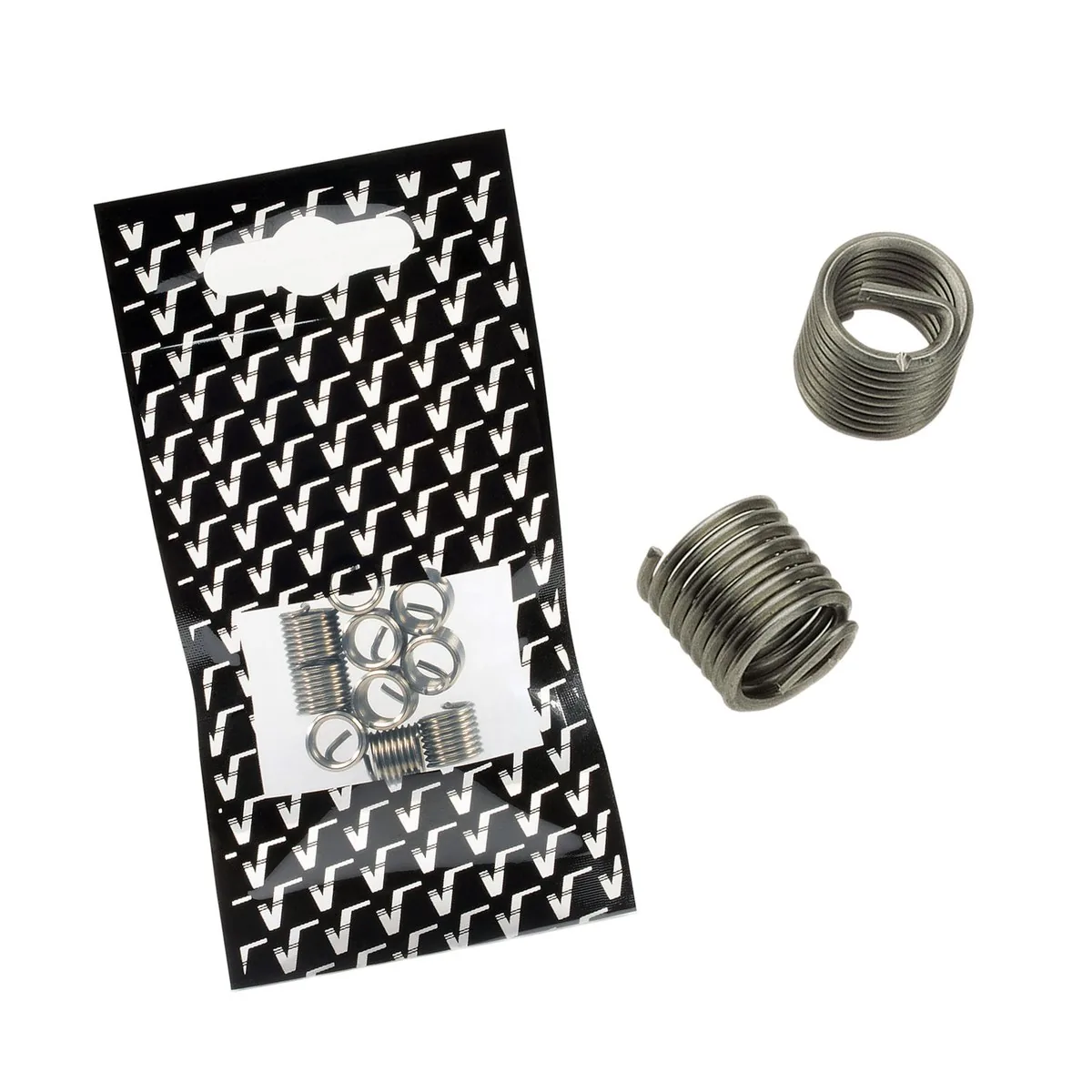
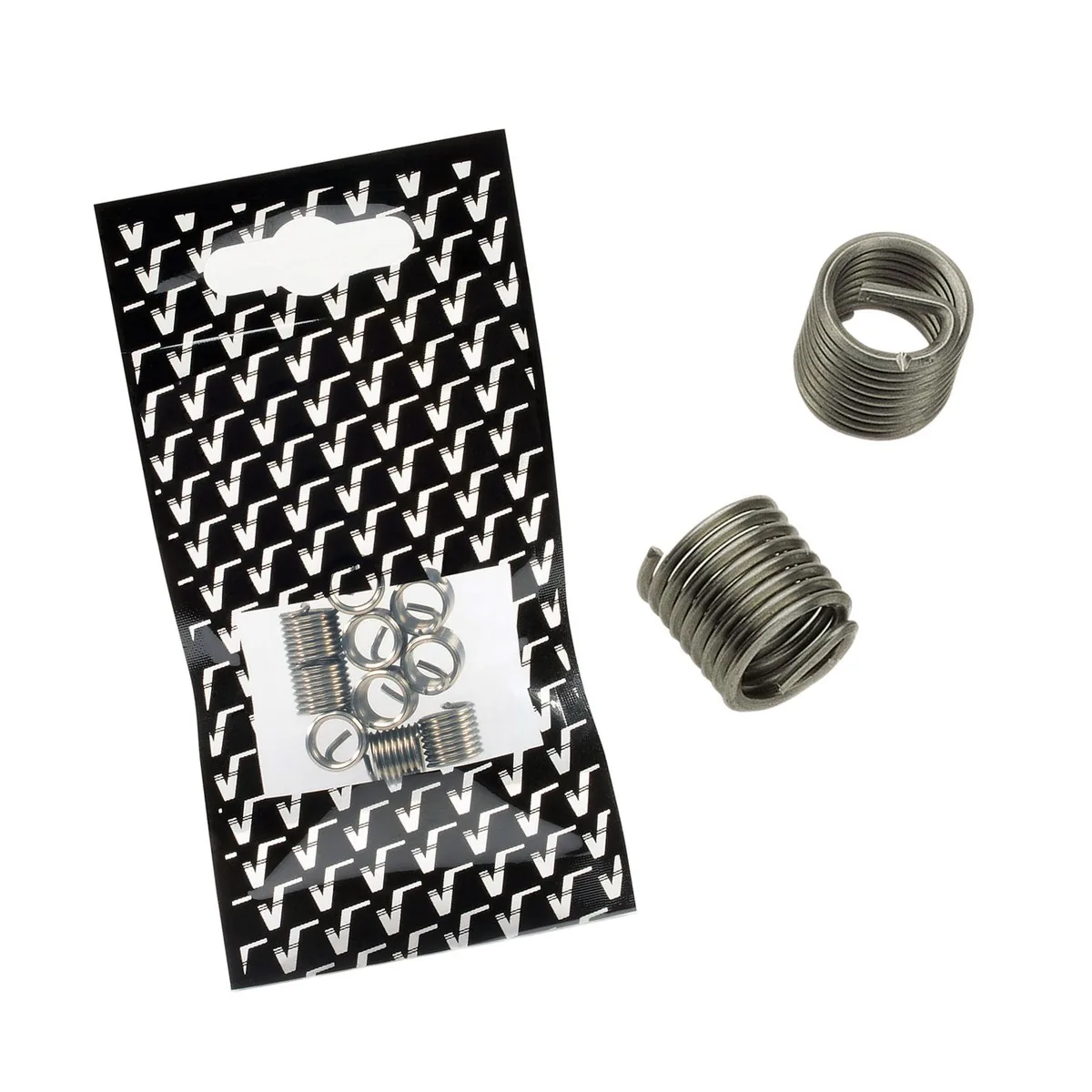
V-COIL Wire thread insert Free running type S M 12 x 1.25 - 1.0 D (100 pcs.) by VÖLKEL, item no. 07223, suitable for thread repair and reinforcement.

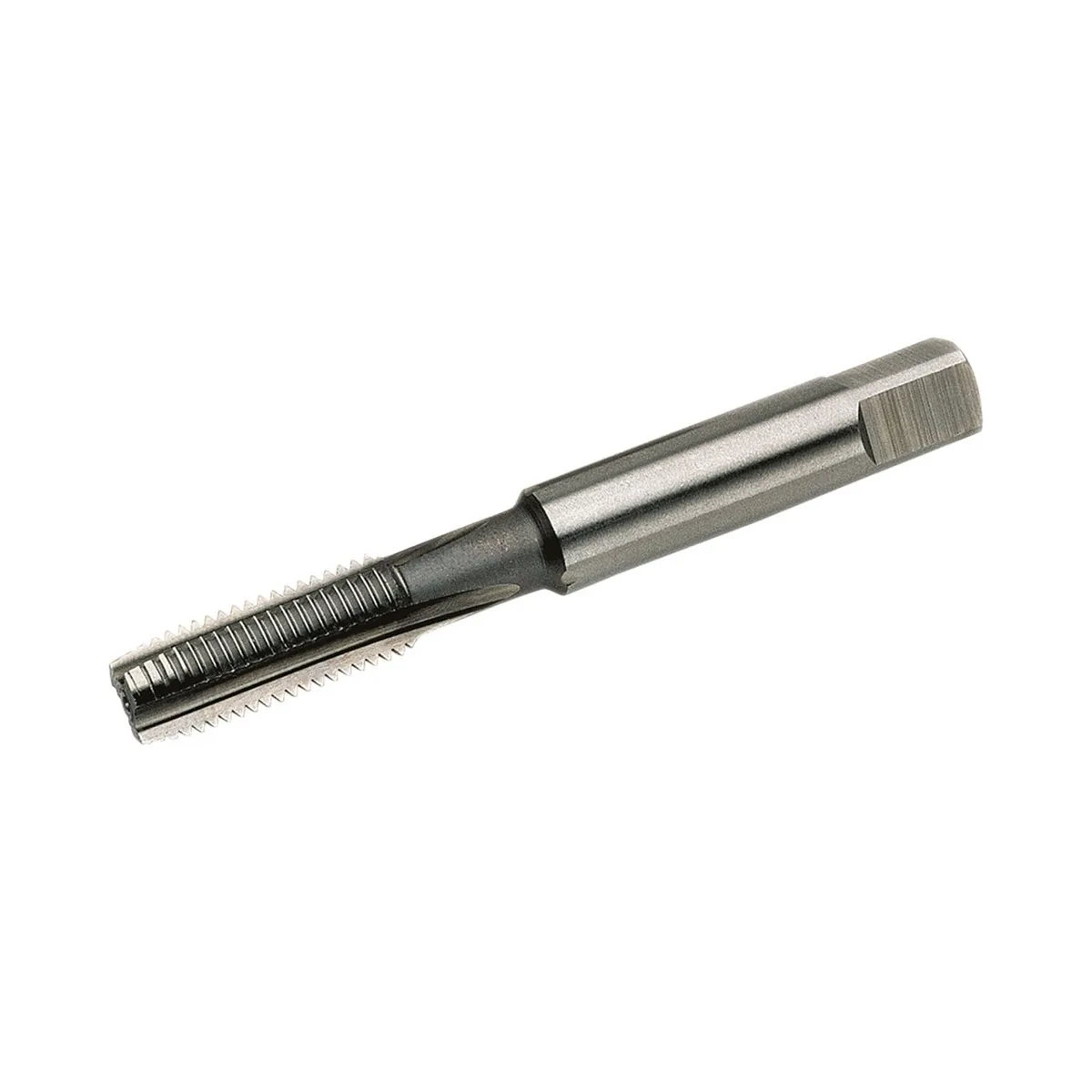
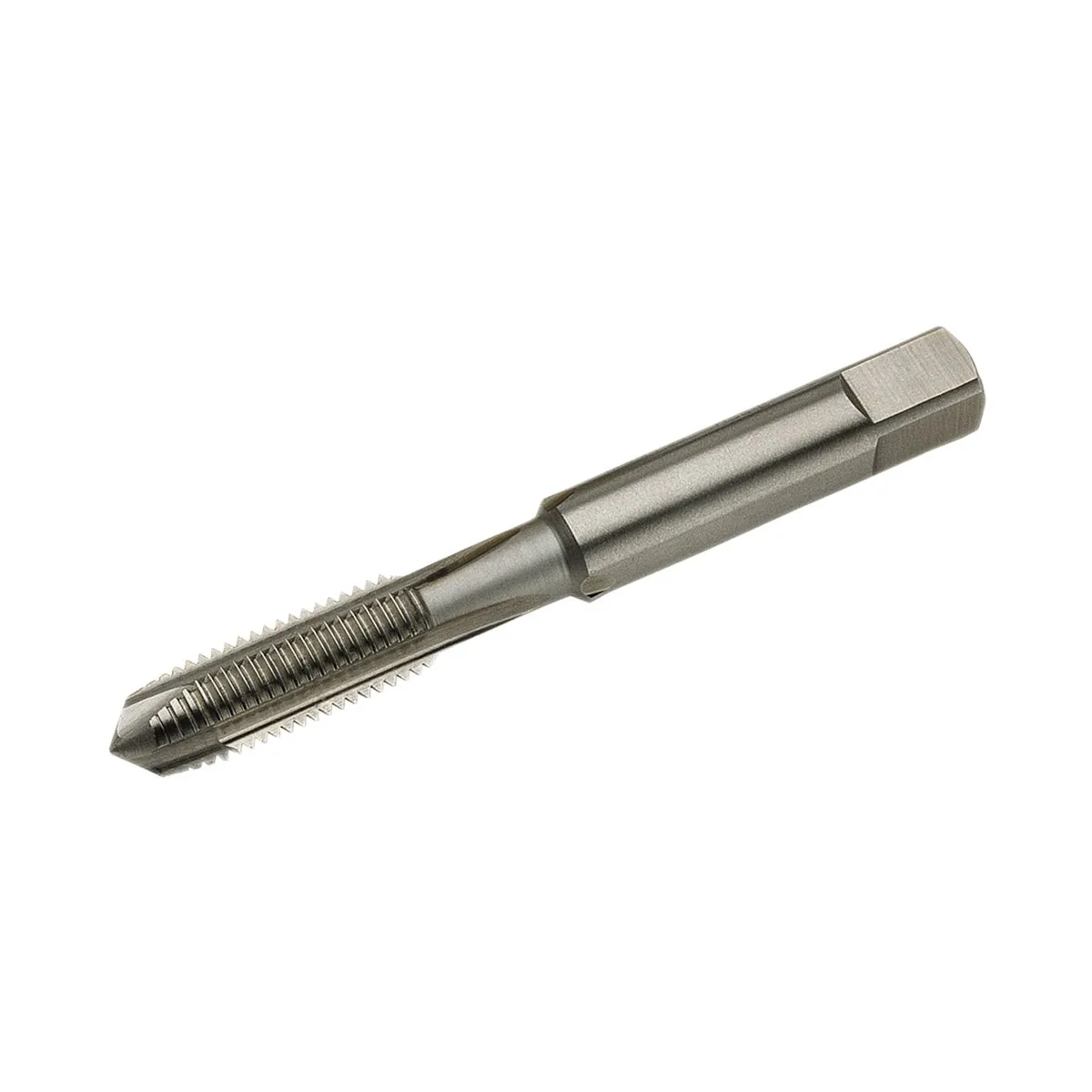
This product supports thread repair with wire thread inserts, which is common in maintenance and rework when an internal thread fails. You prepare the hole, cut the STI thread, then install the insert to restore the thread function.
Metric ISO identifies ISO metric threads defined by the M designation and used across general engineering.
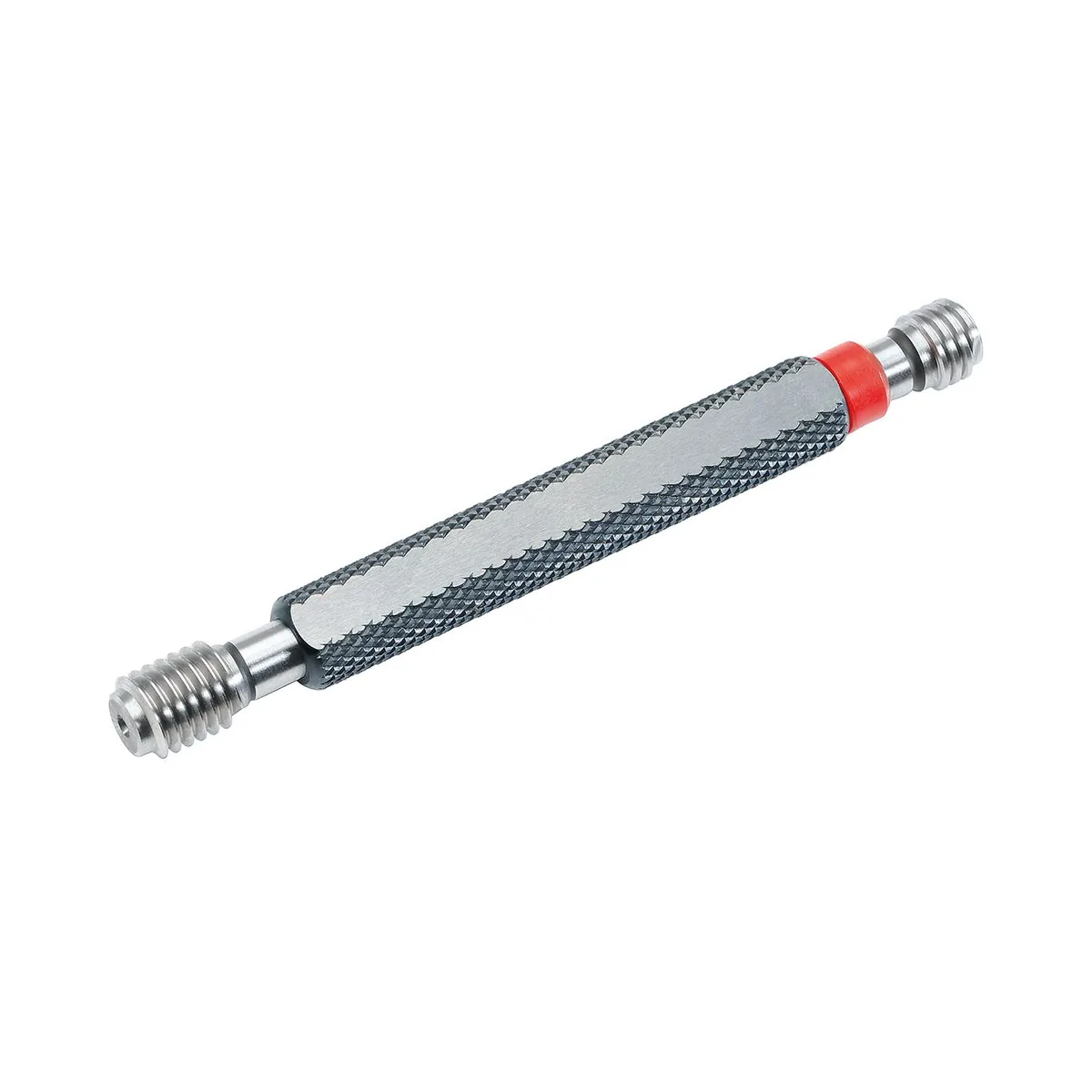
Note Use the correct installation sequence for the insert type named in the product name and keep the prepared thread free of burrs.
Do you need help selecting or using the product?
Use the contact form.
| Type of thread | metric ISO-thread |
|---|---|
| Standard | DIN 8140 |
| Material | from stainless steel |
| Tolerance | ISO2 (6H) |
| Size | M 12 x 1.25 |
| Length | 1.0 x D |
| Packaging unit (piece) | 100 |
| EAN | 4022835072232 |
| Item number | 07223 |
| Thread standard | DIN 13 |
| Packing unit (pcs.) | 100 |