Áo sơ mi chạy bộ
 Bộ mũi khoan
 taro
Bộ mũi khoét
Bộ mũi khoan
Bộ mũi khoan taro
Bộ mũi khoét
 Bộ mũi taro ren trong
 Bộ sửa ren
 Bôi trơn cắt ren
Cặp taro máy + mũi khoan
Bôi trơn cắt ren
Cặp taro máy + mũi khoan
 Dụng cụ bẻ chân ren
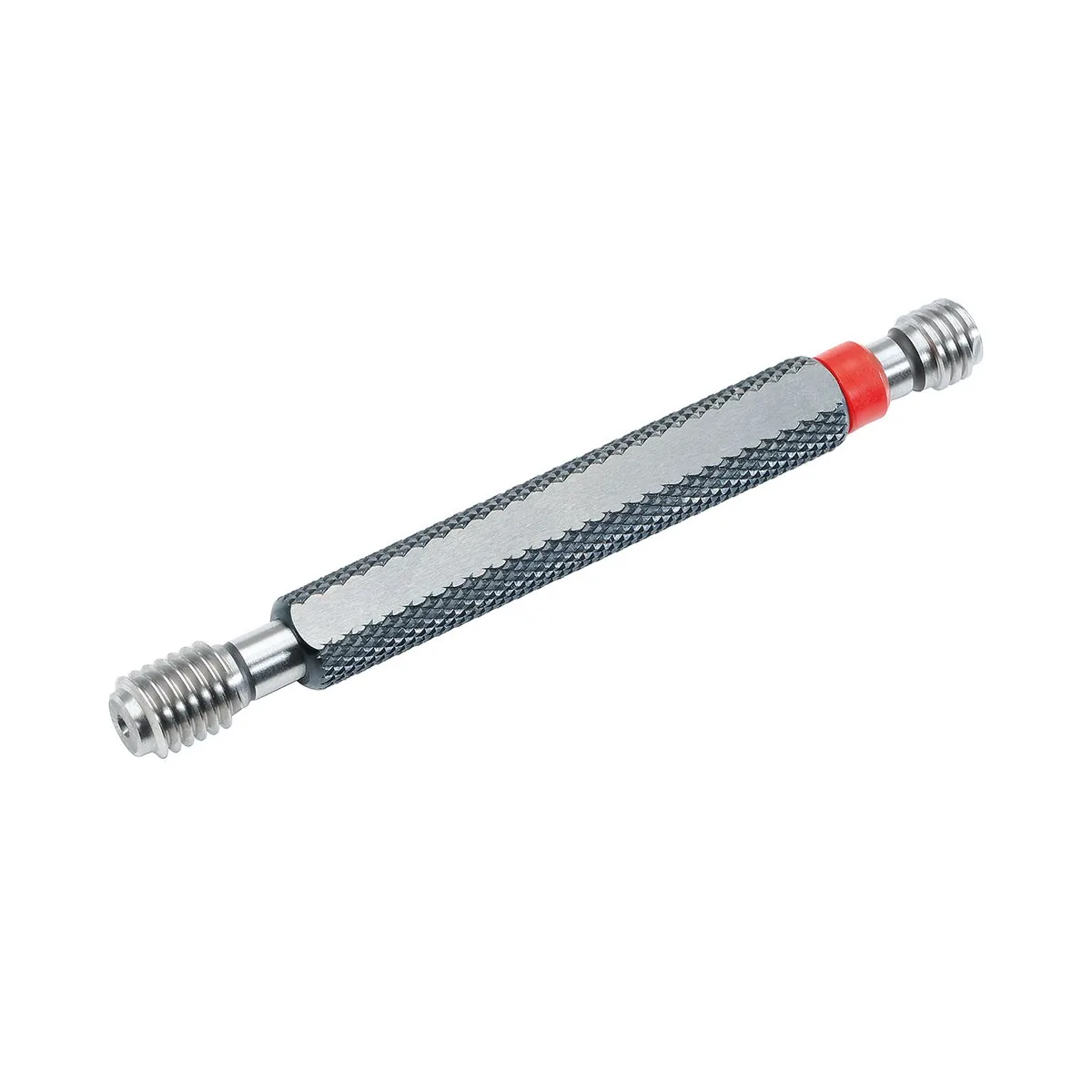
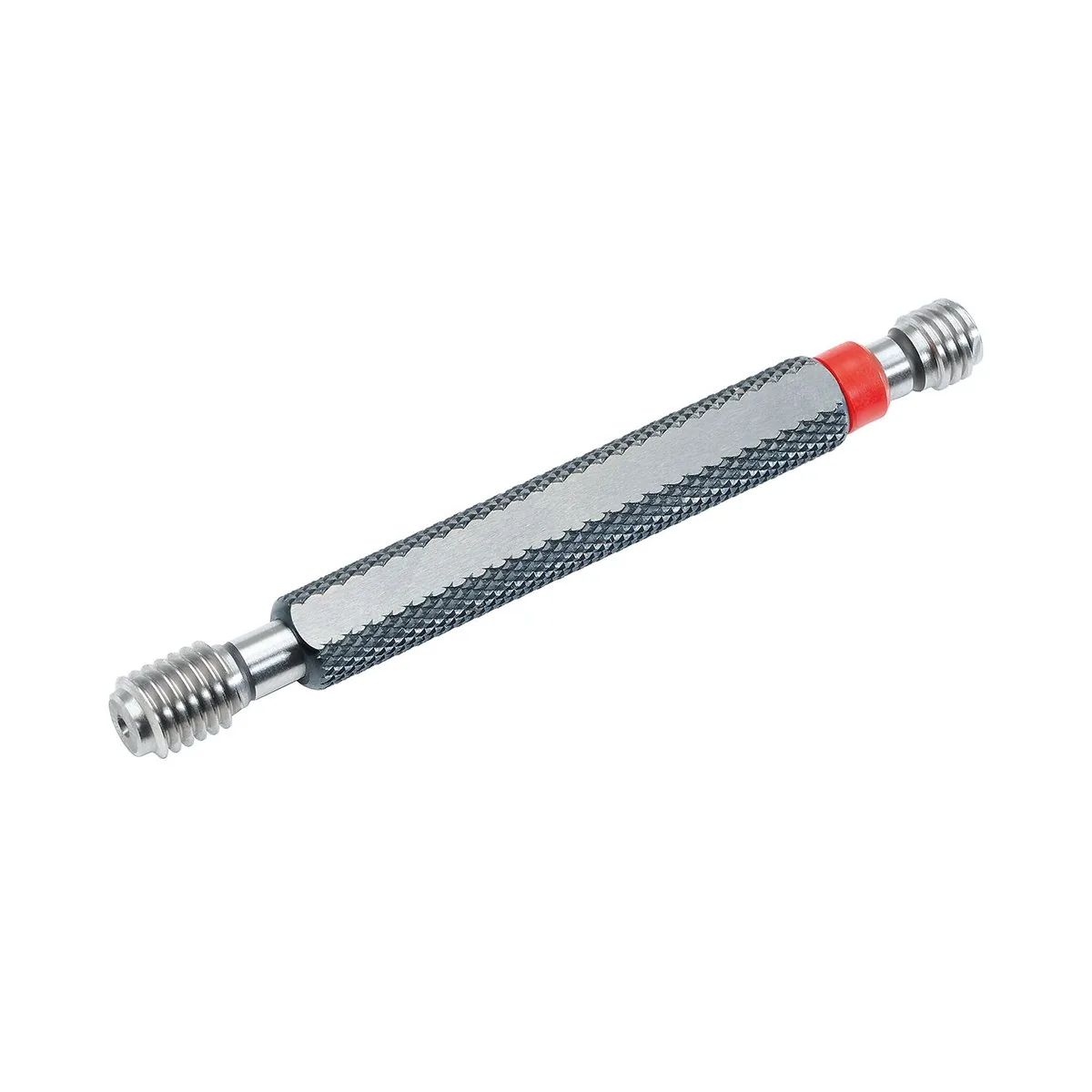
 Dưỡng đo ren ngoai
 Dưỡng đo ren trong
Mũi doa vát mép
Mũi khoan kim loại
Dưỡng đo ren trong
Mũi doa vát mép
Mũi khoan kim loại
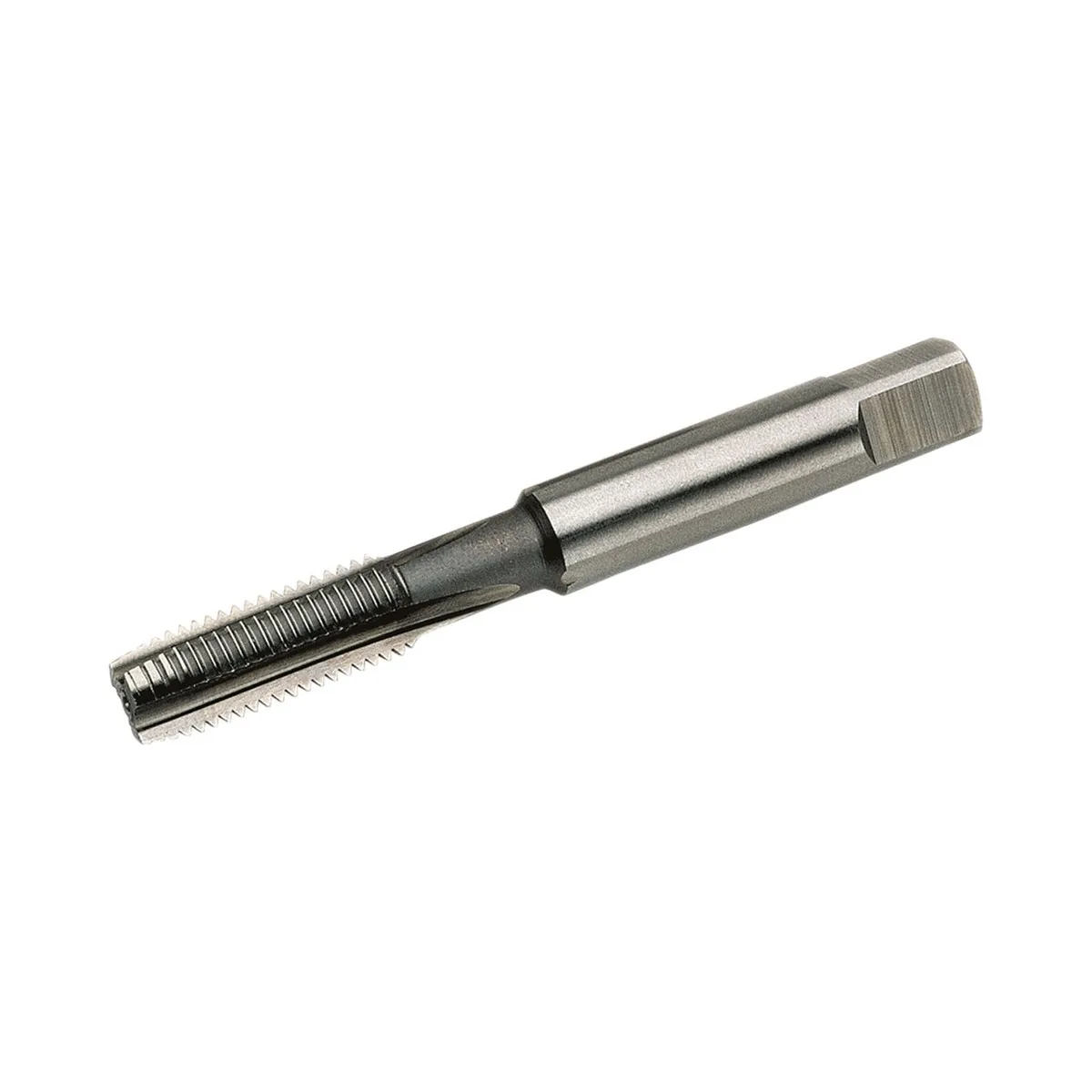
 Mũi taro cho ren cấy
Mũi taro ren trong
Mũi taro cho ren cấy
Mũi taro ren trong
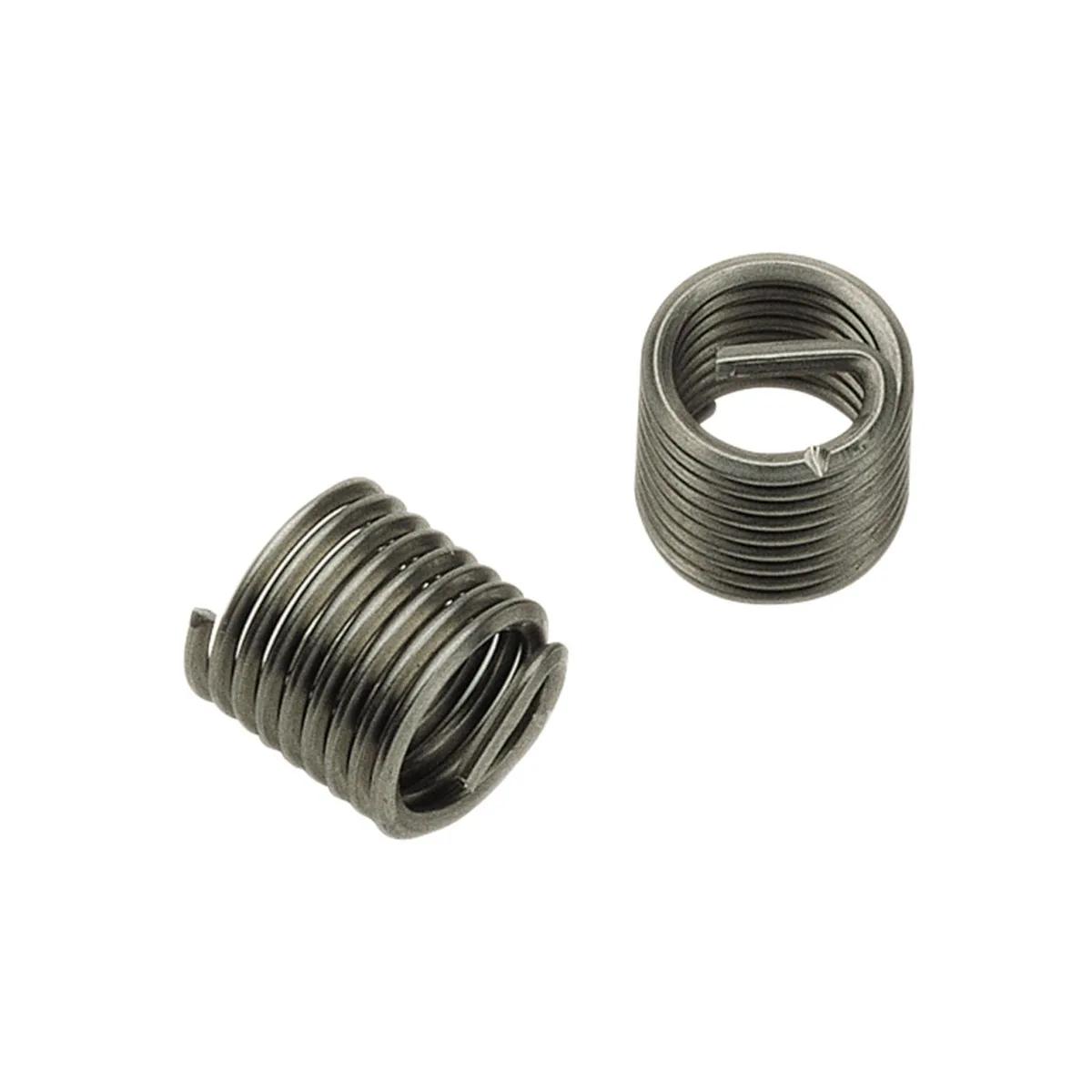
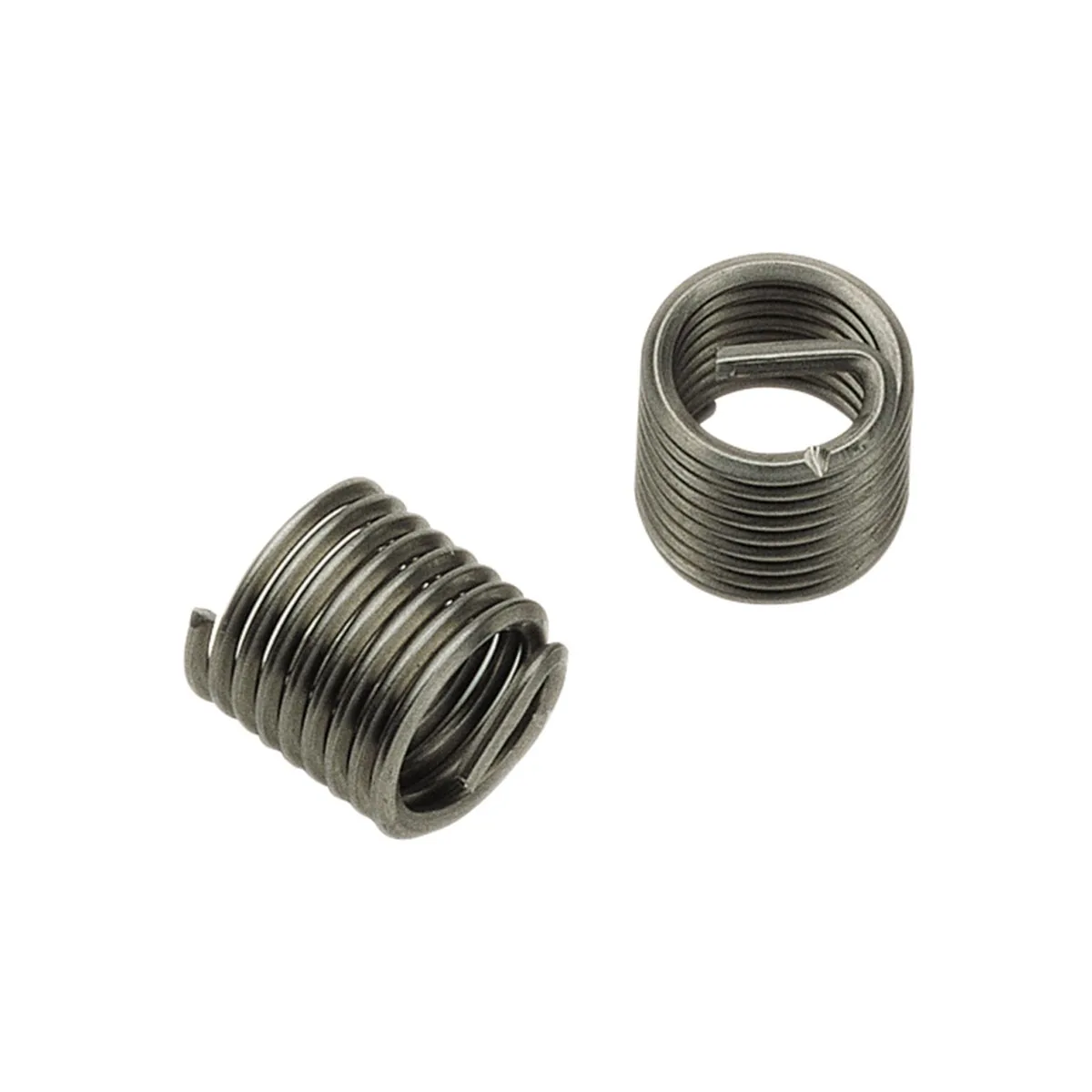
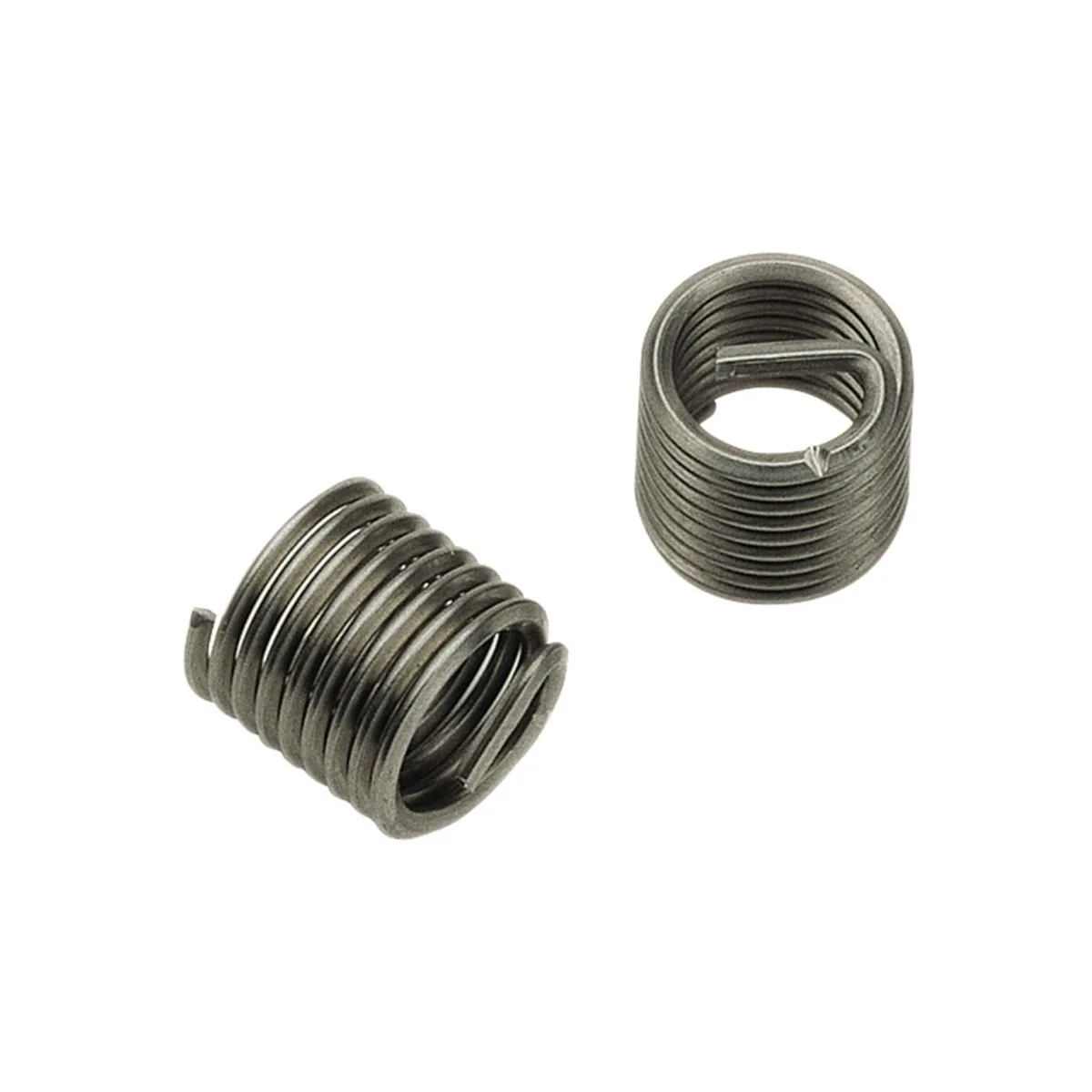
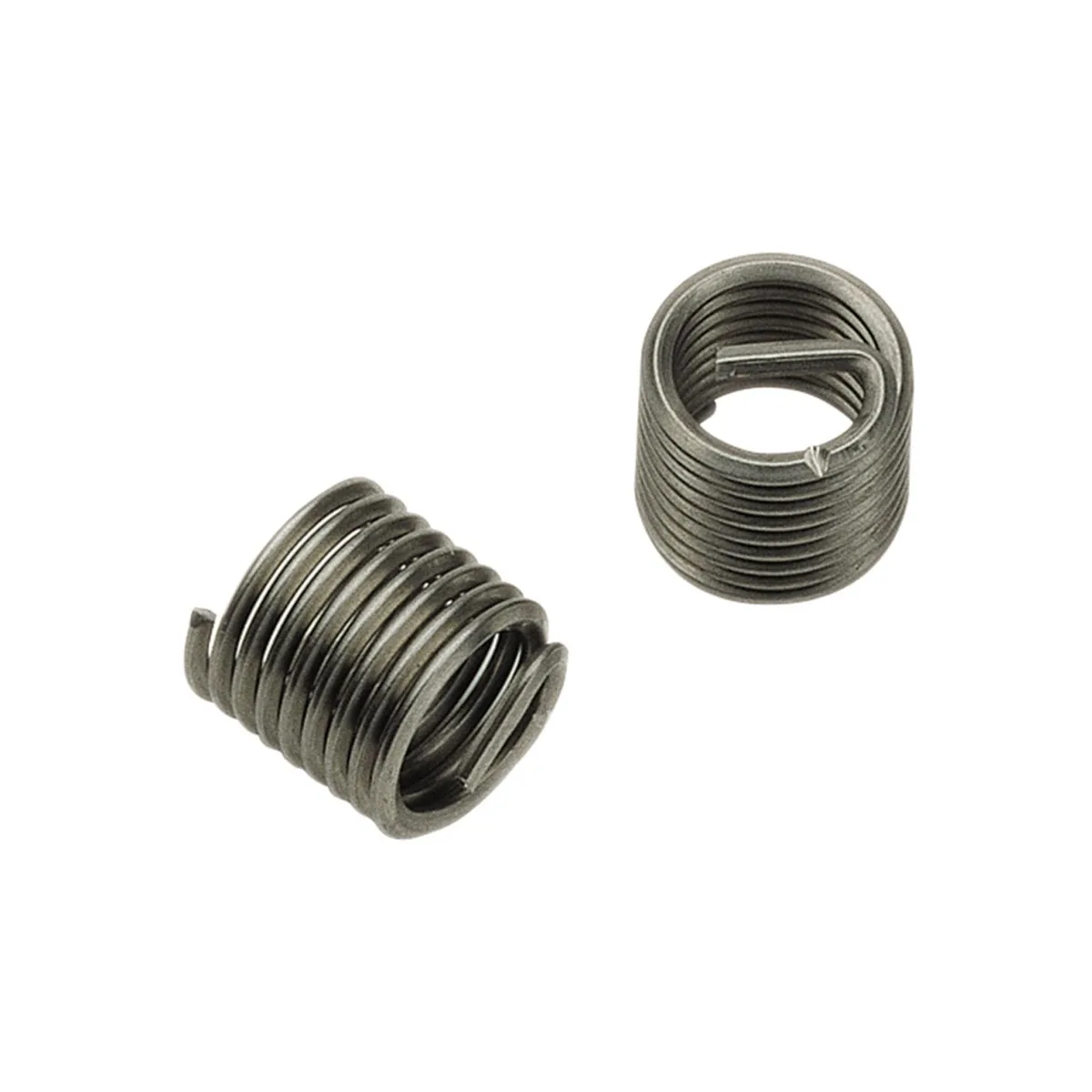
 Ren cấy V-coil
 Taro ren máy
Taro ren tay
Tay cấy ren
Tay quay bàn ren
Tay quay taro trong
Taro ren máy
Taro ren tay
Tay cấy ren
Tay quay bàn ren
Tay quay taro trong
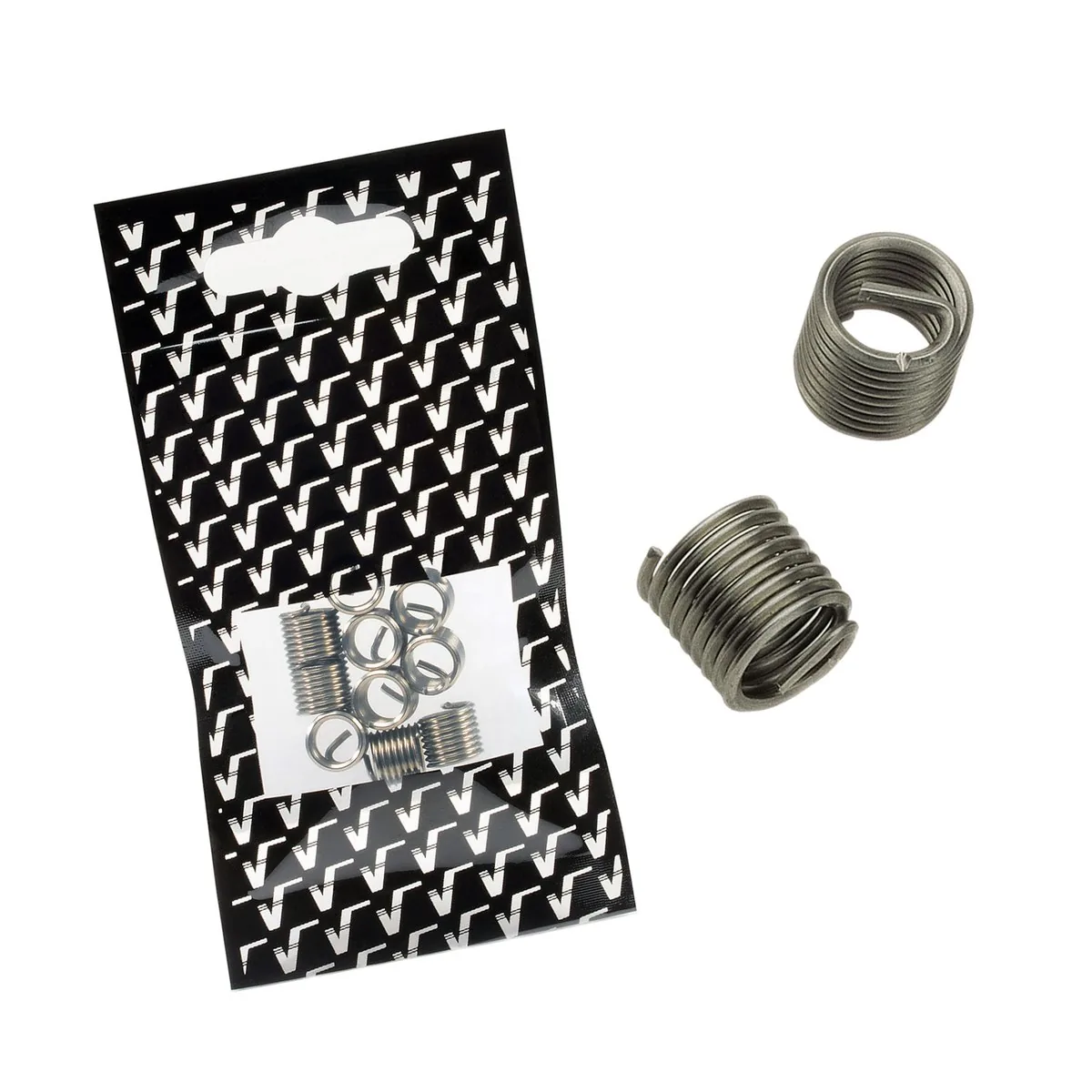

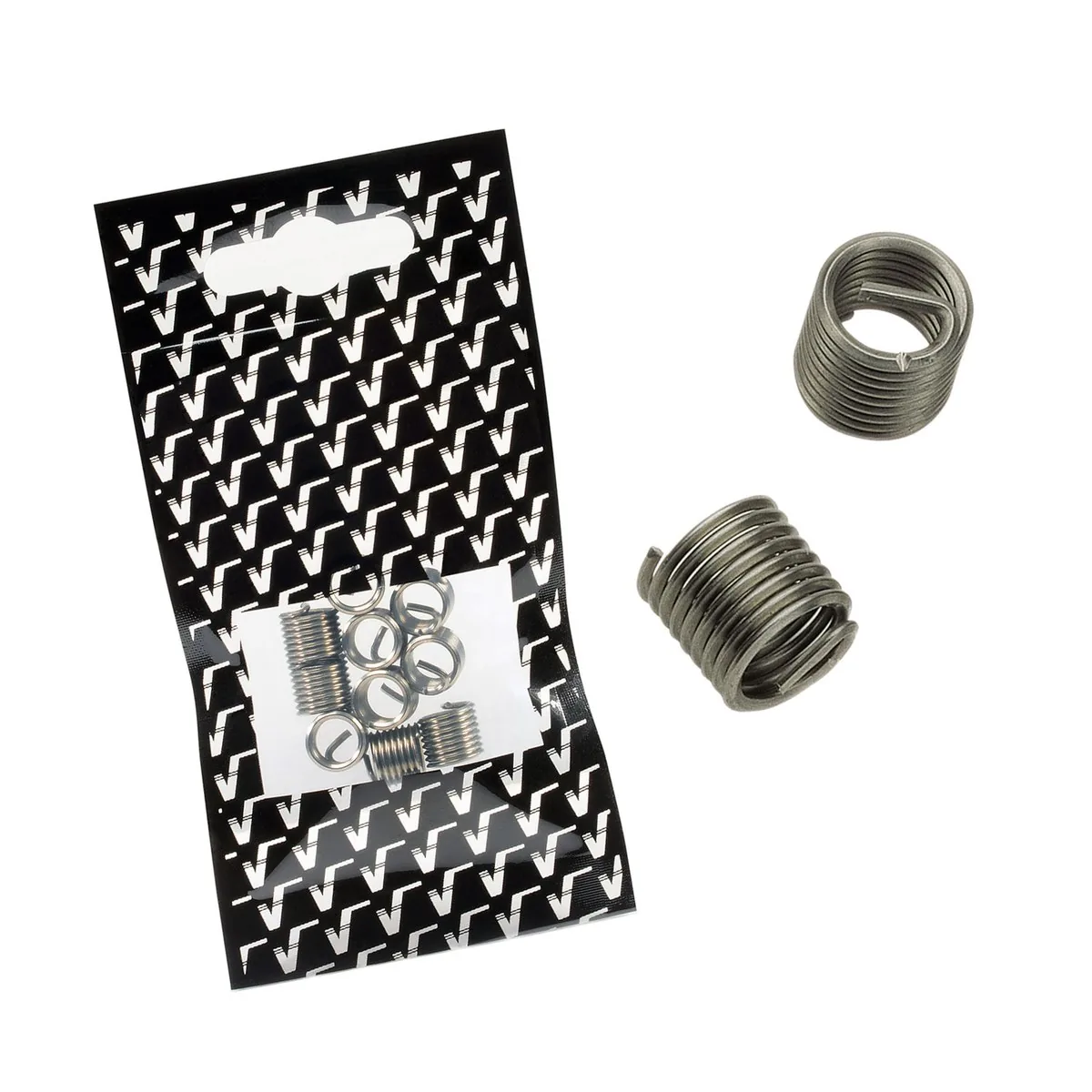
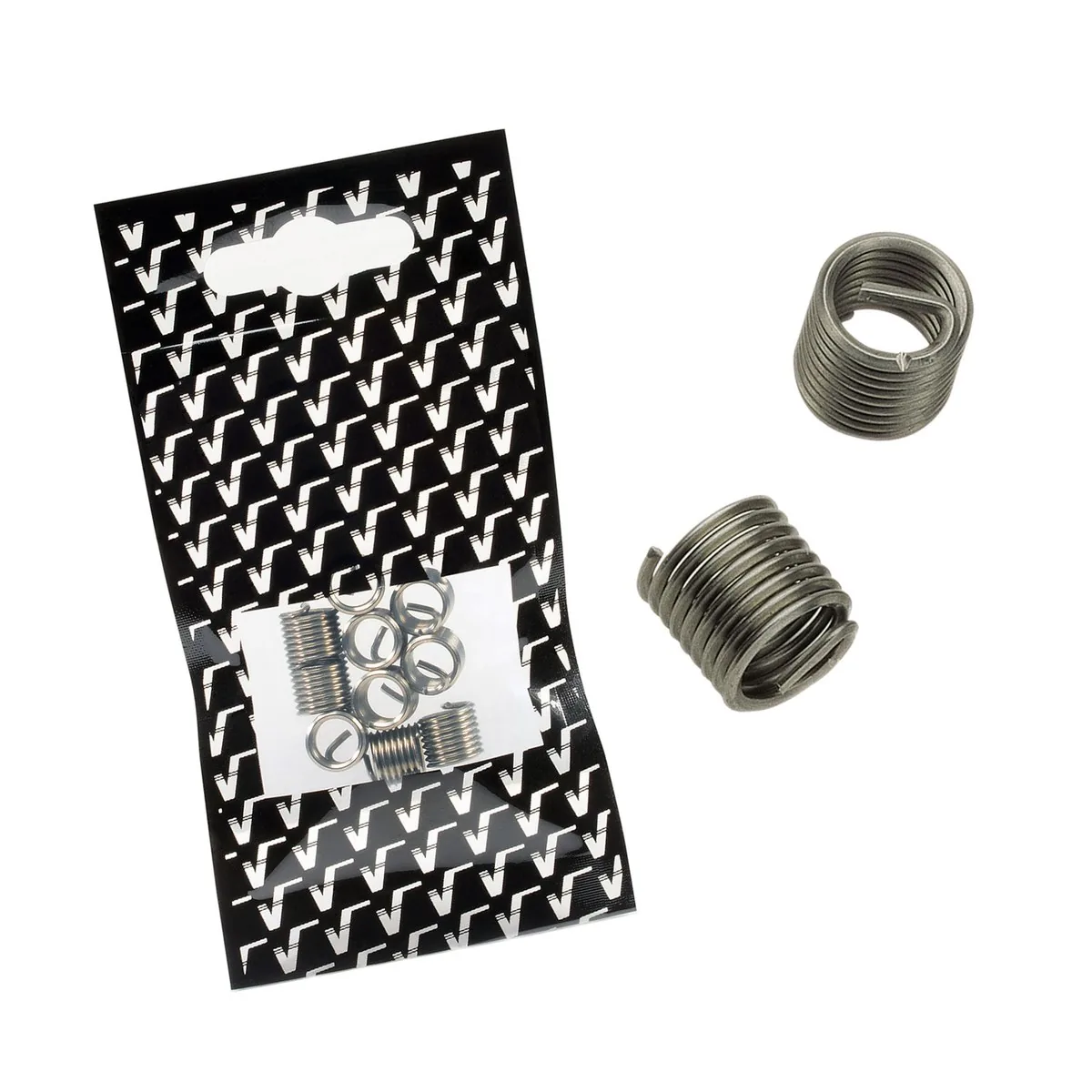
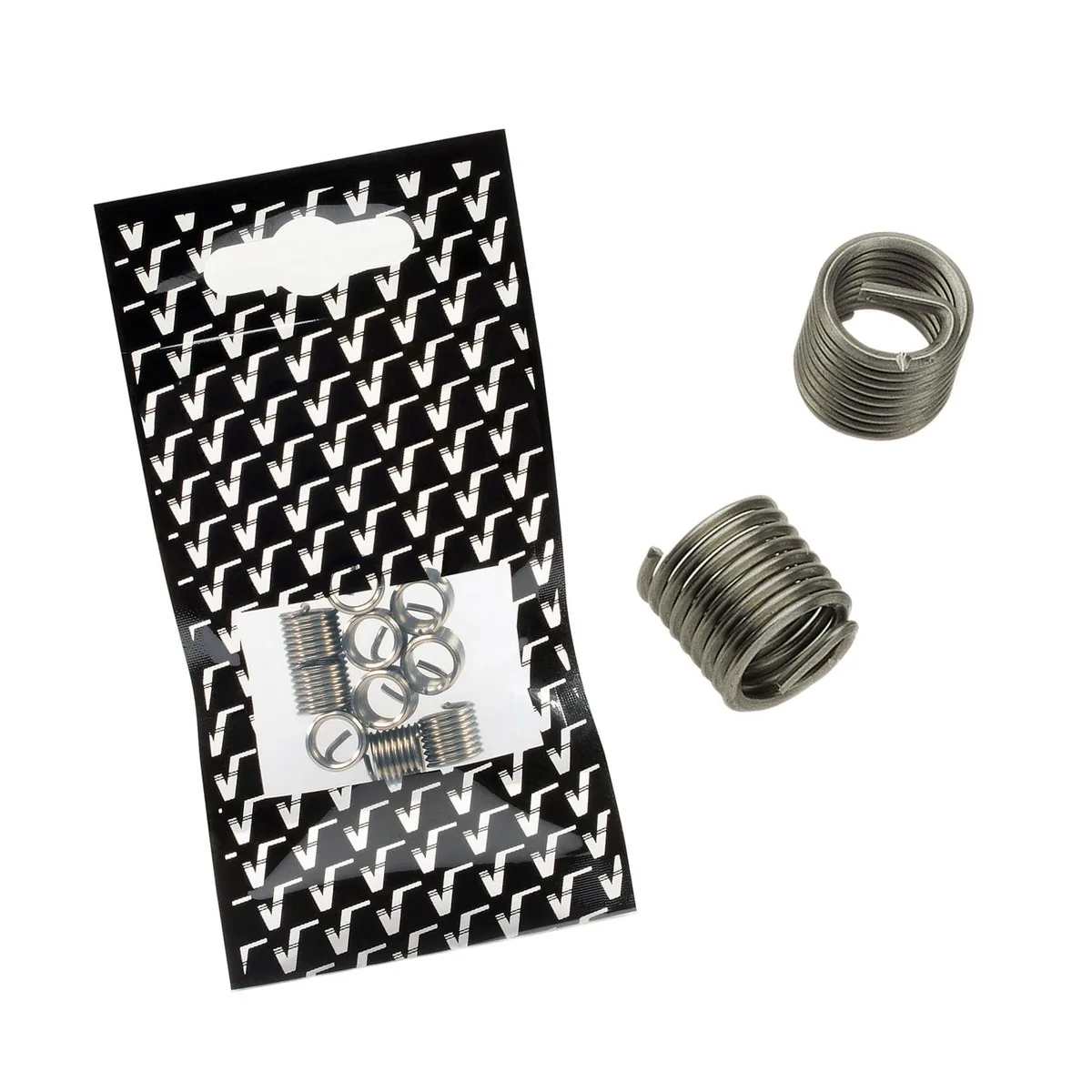
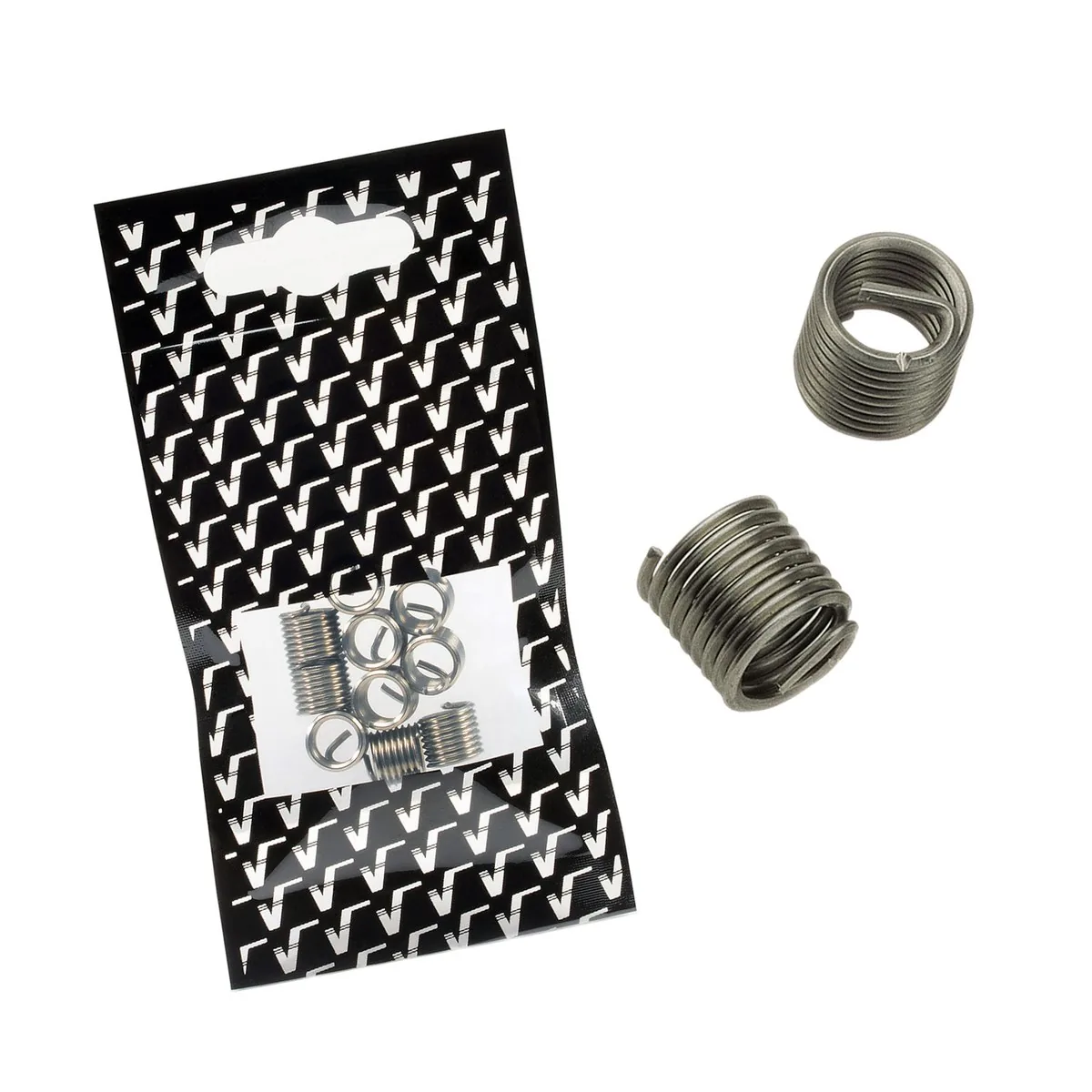
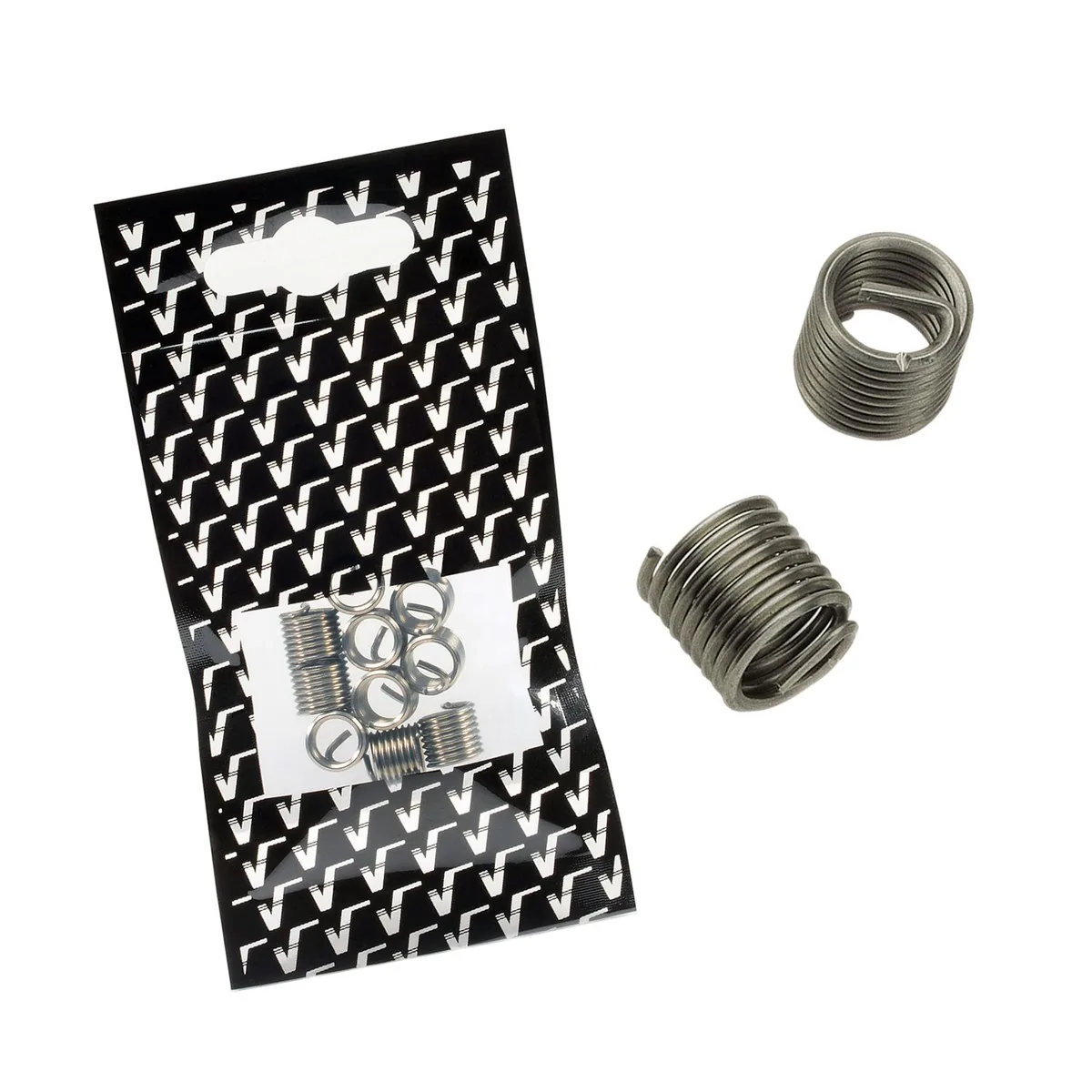
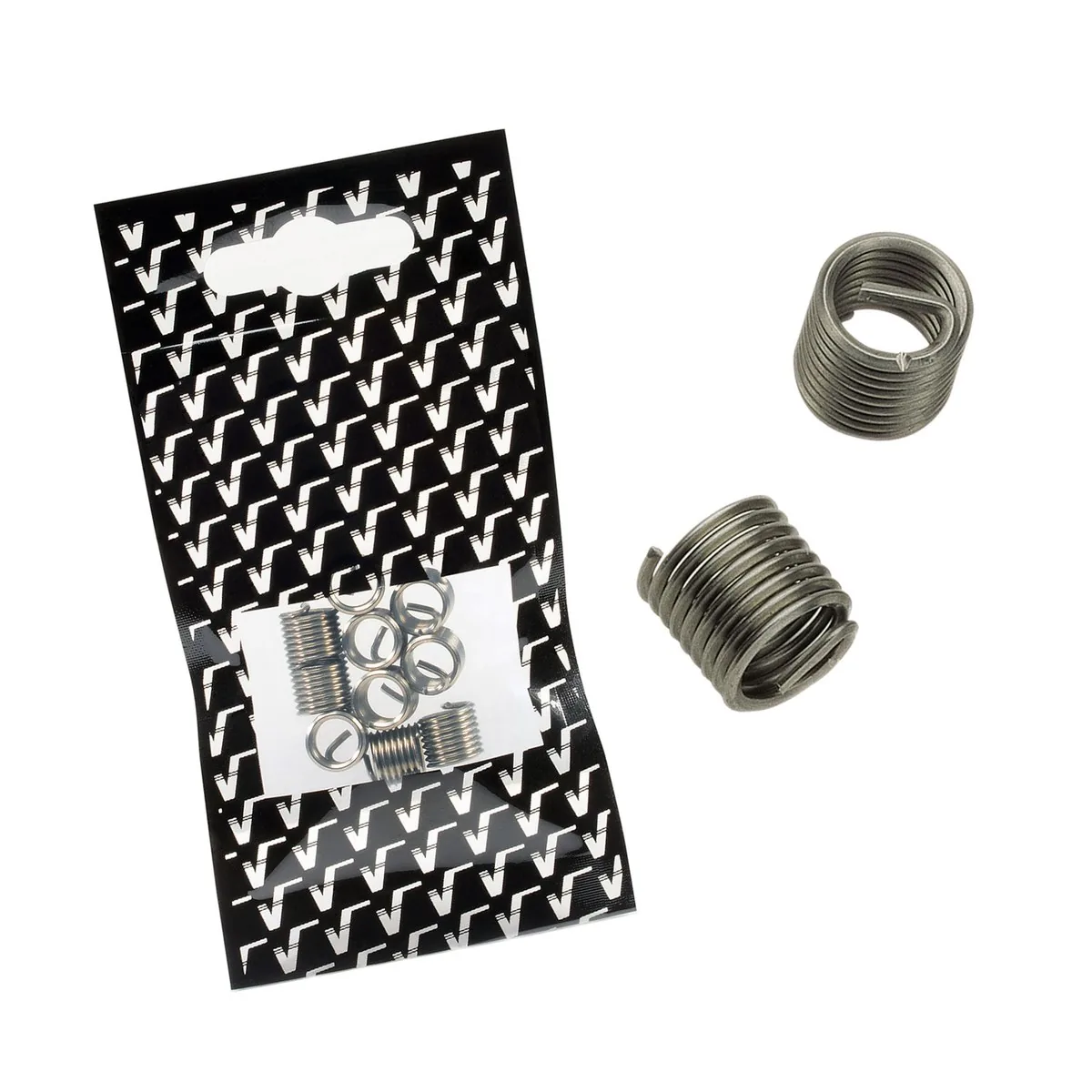
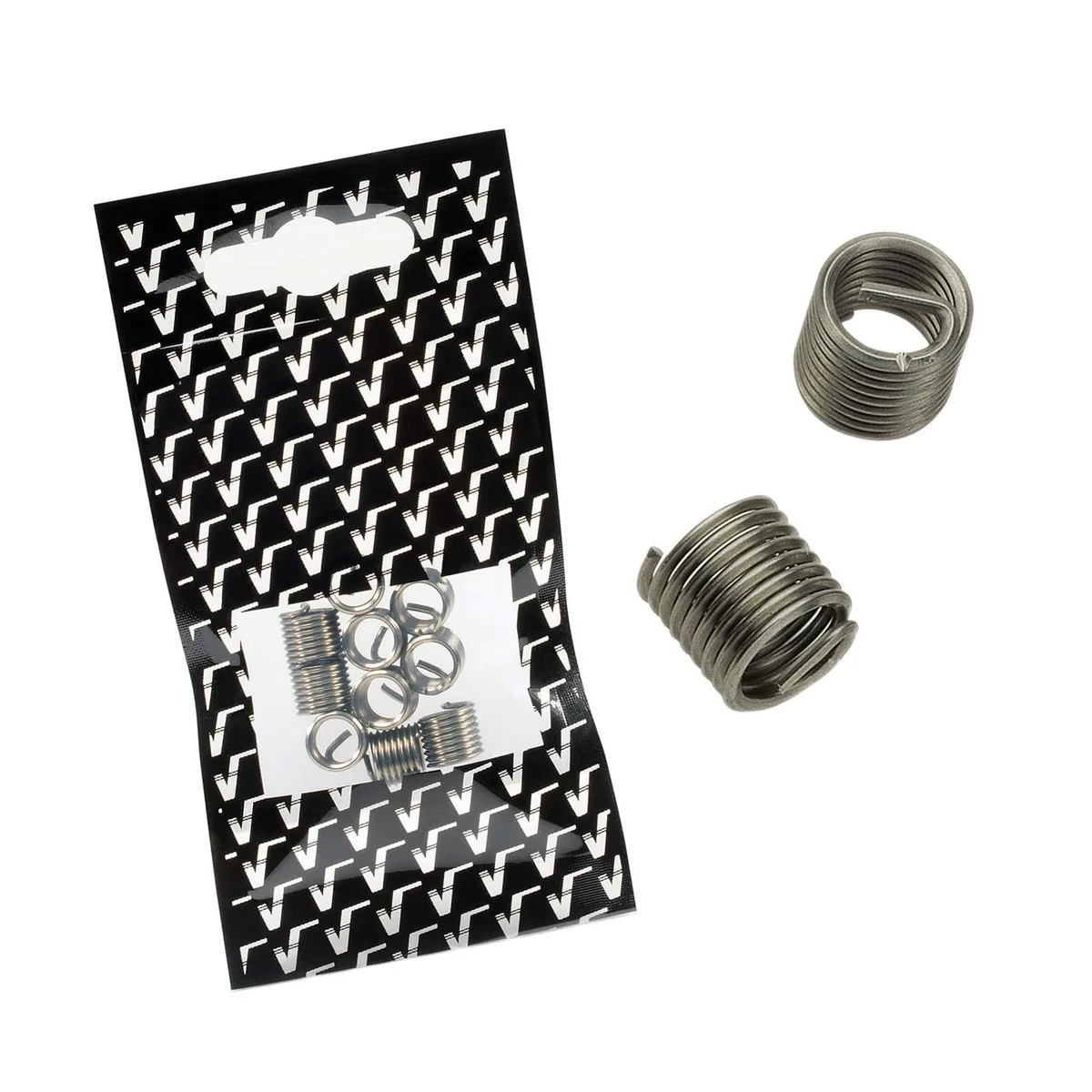
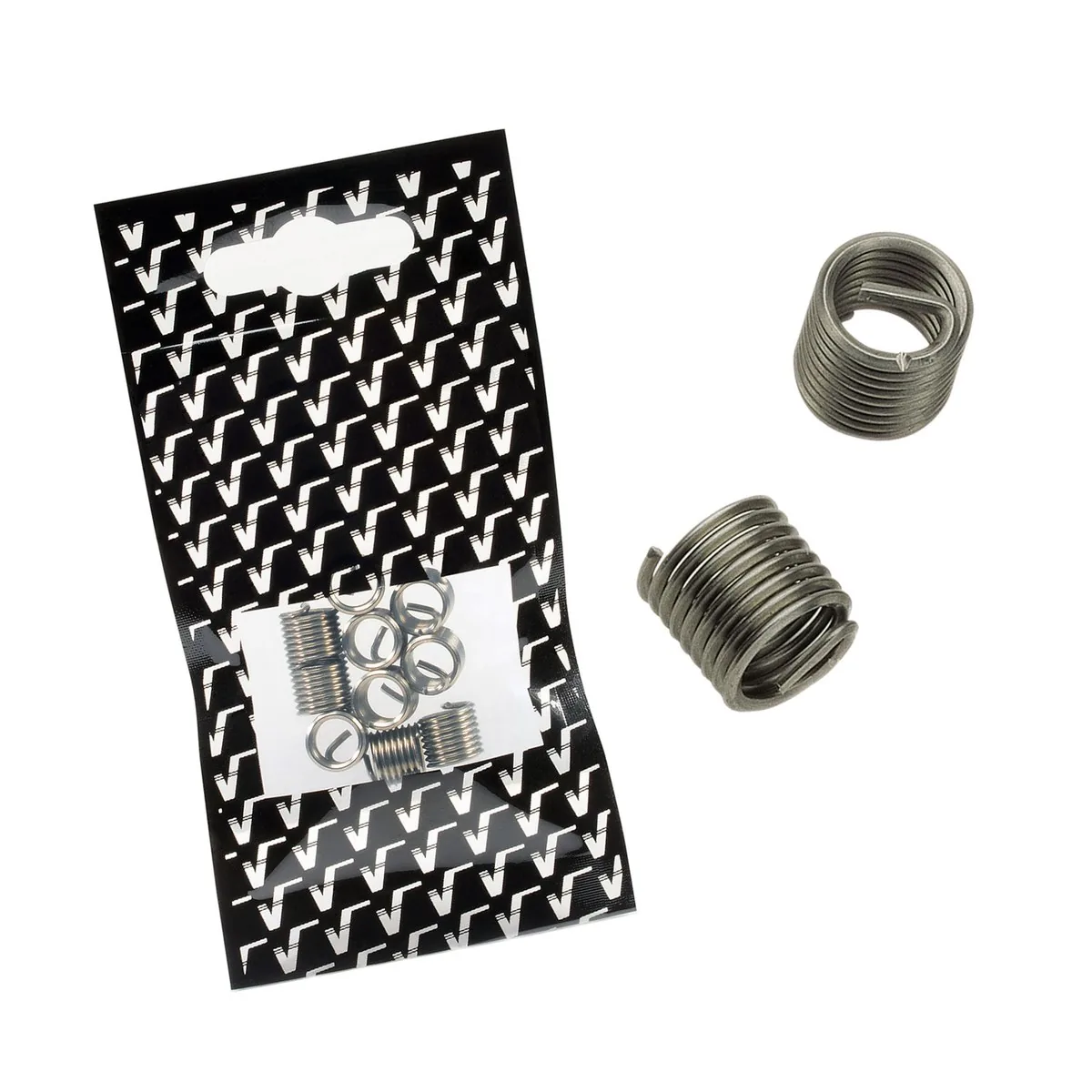
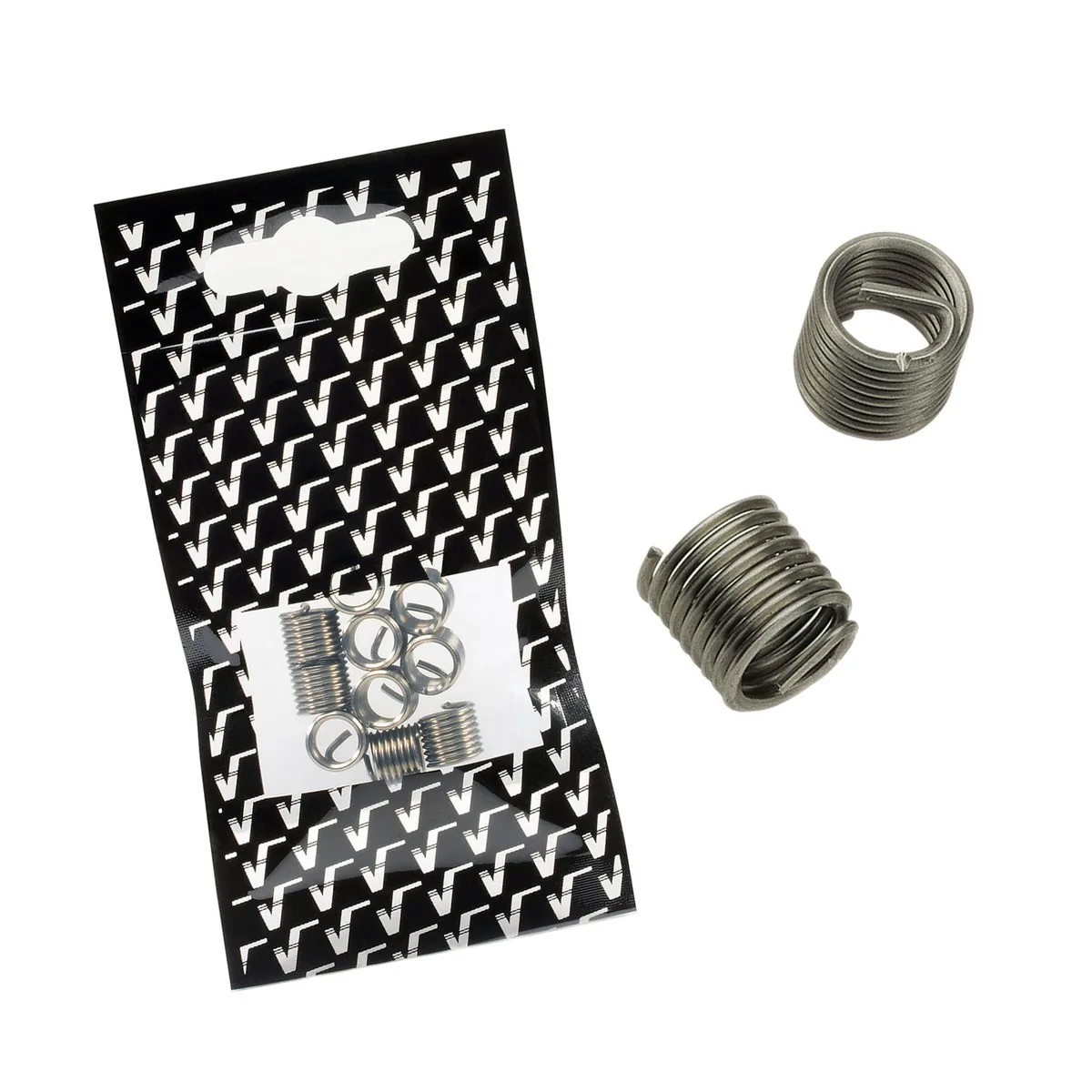
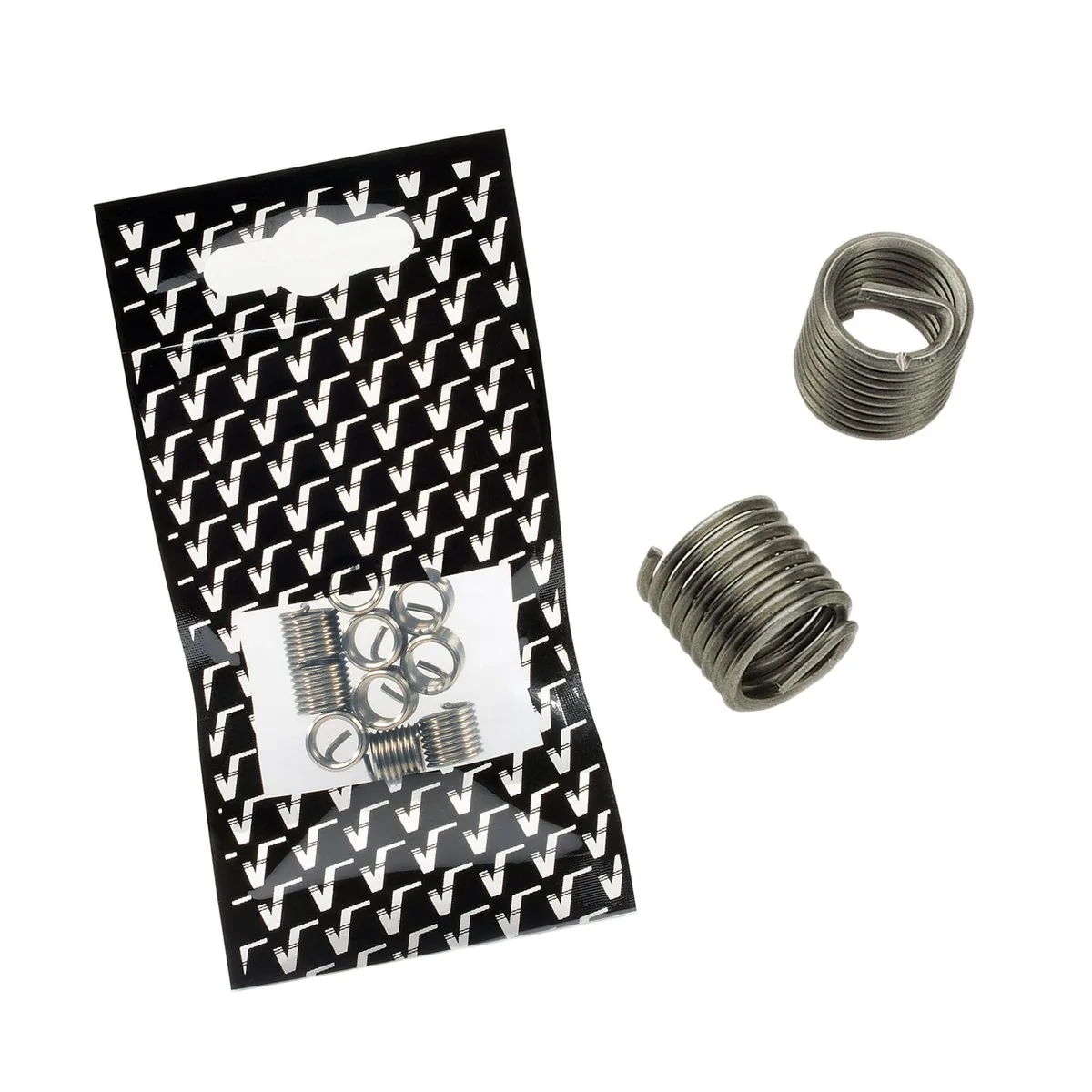
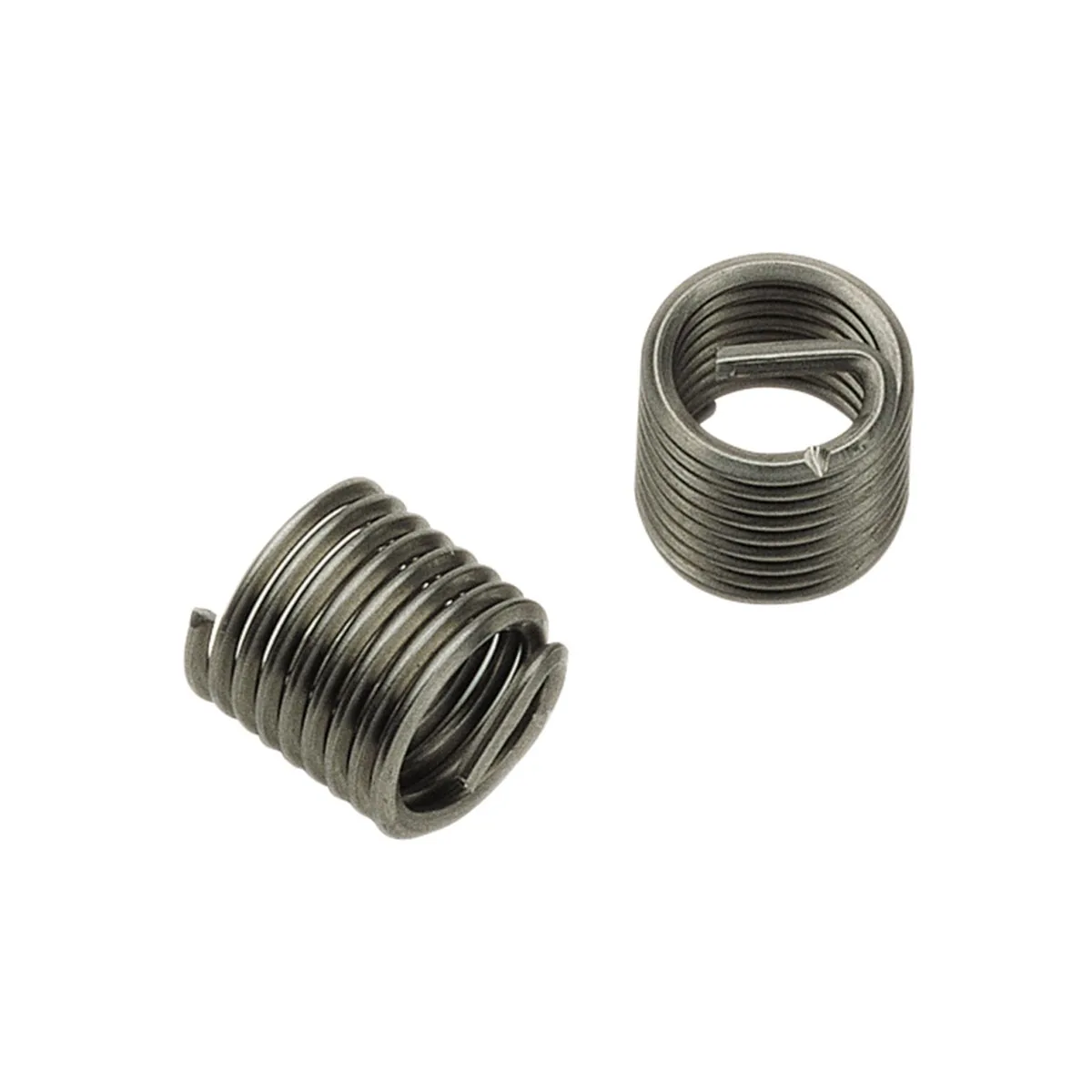
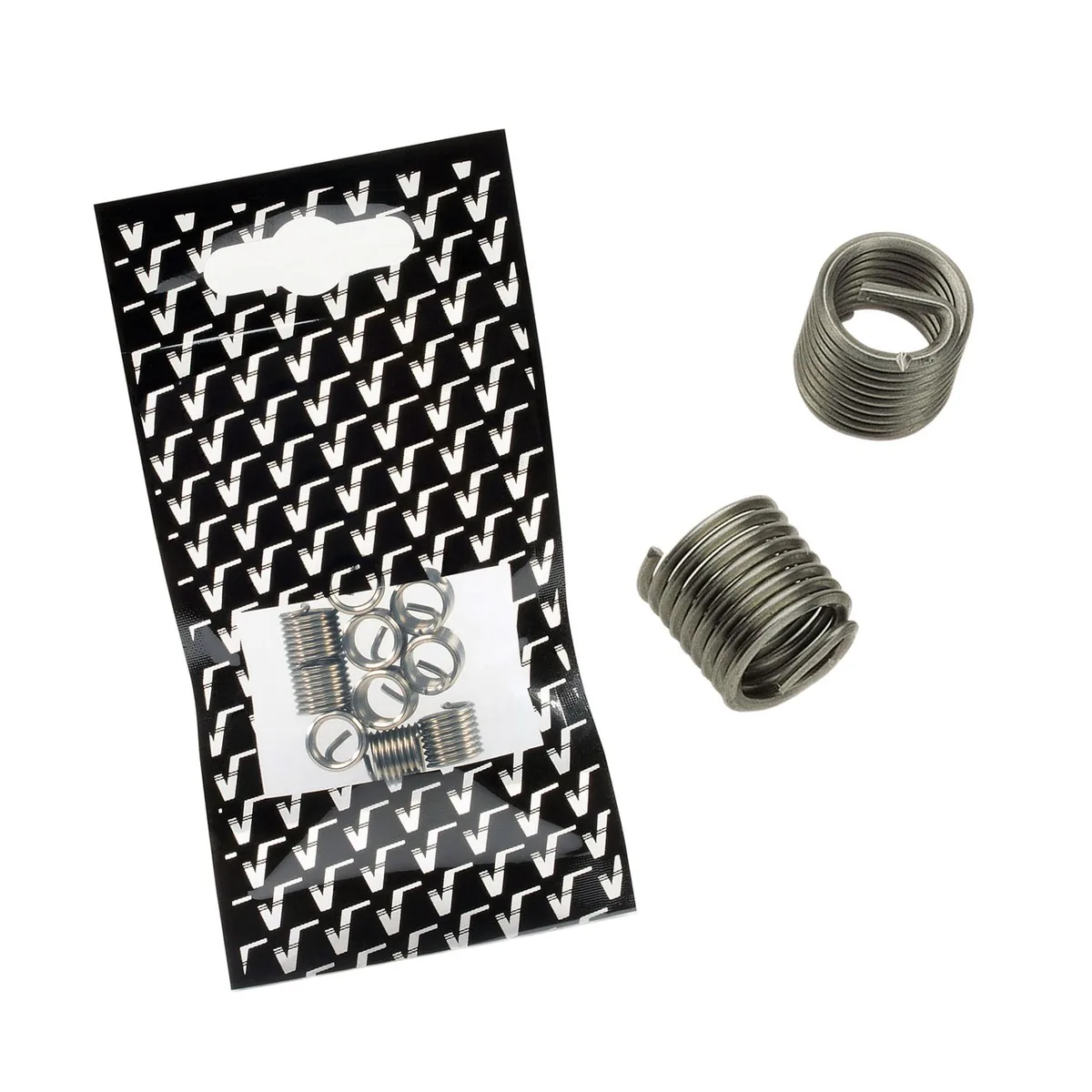
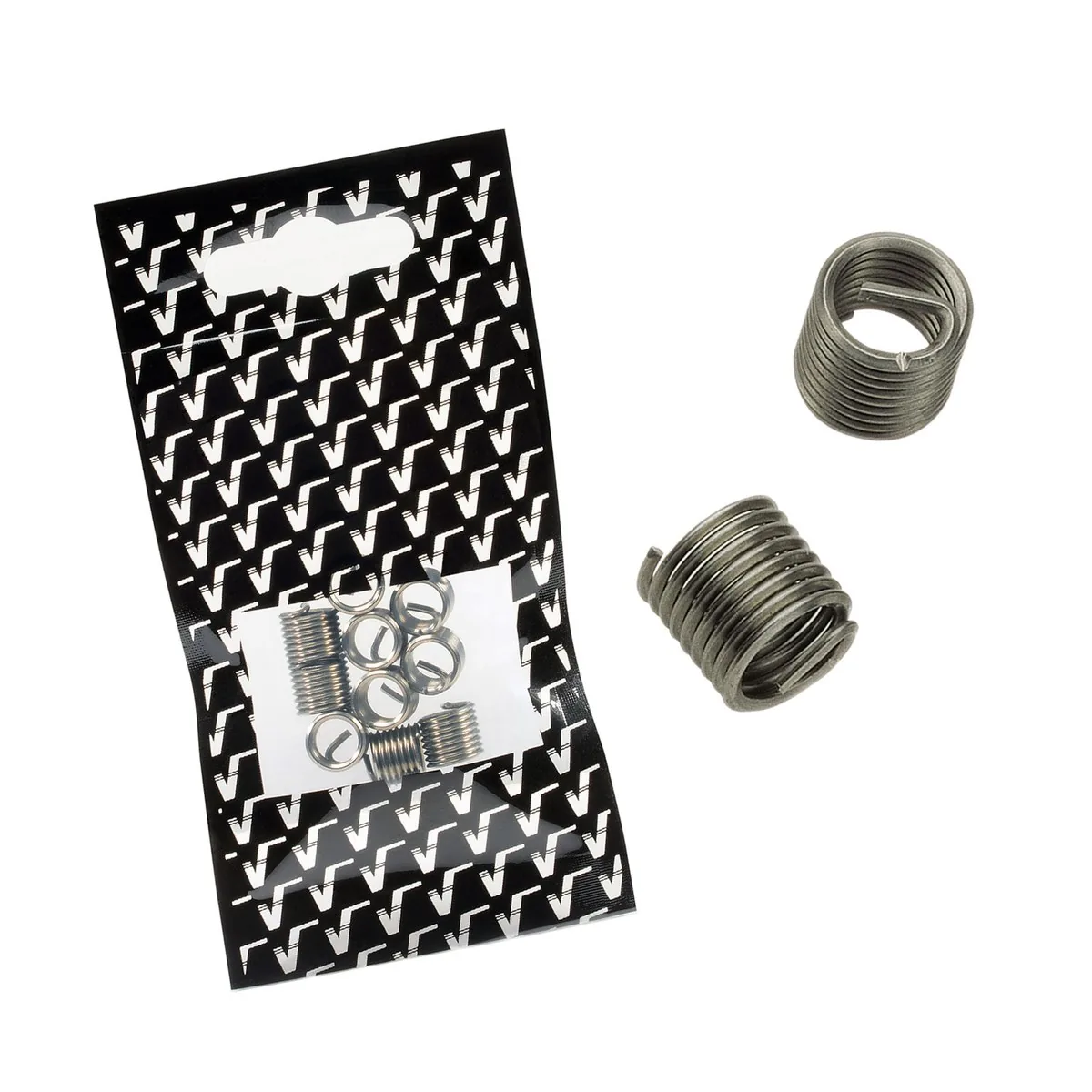
You use this Ren cấy V-COIL gói bổ sung to restore a worn or stripped ren trong and bring the component back to a usable state.
You can plan the repair workflow as a repeatable sequence, which is useful in maintenance programs and field service.
Lưu ý Use preparation tools and installation steps required by your insert system and verify thread engagement after installation.
Do you need help selecting or using the product?
Use the biểu mẫu liên hệ.
| Loại ren | Unified Fine Thread |
|---|---|
| Tiêu chuẩn | DIN 8140 |
| Vật liệu | from stainless steel |
| Tolerance | 2B |
| Kích thước | UNF 1/2 x 20 |
| Chiều dài | 2.5 x D |
| Packaging unit (piece) | 5 |
| EAN | 4022835445296 |
| Mã hàng | 44529 |
| Chuẩn ren | ANSI B 1.1 |
| Quy cách đóng gói | 5 |