Áo sơ mi chạy bộ
 Bộ mũi khoan
 taro
Bộ mũi khoét
Bộ mũi khoan
Bộ mũi khoan taro
Bộ mũi khoét
 Bộ mũi taro ren trong
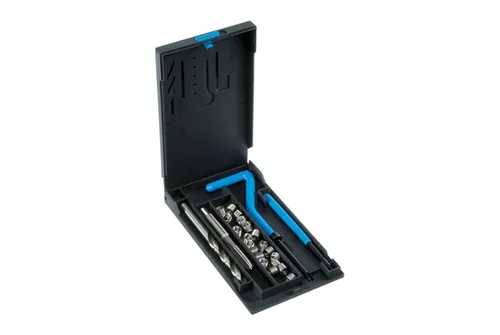
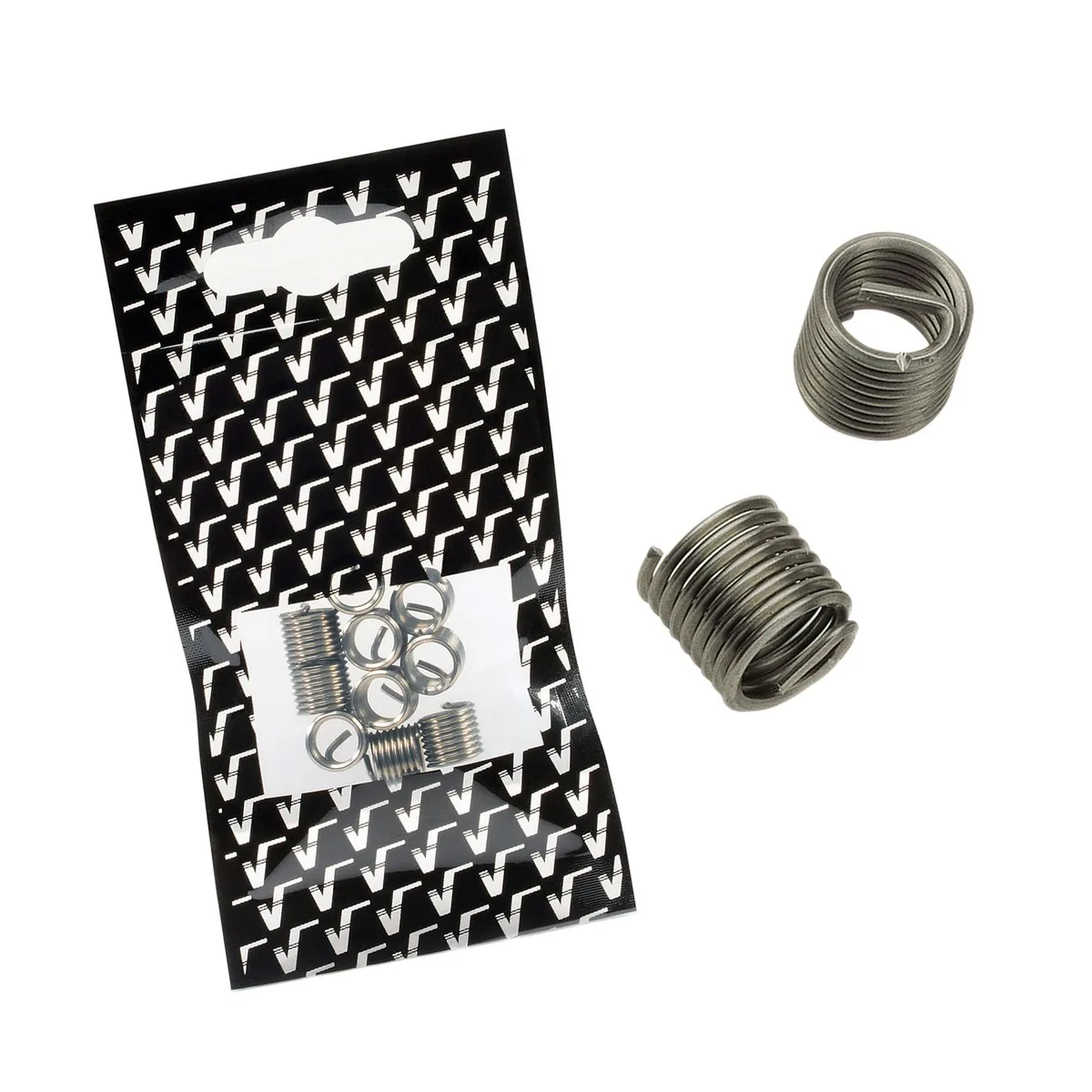
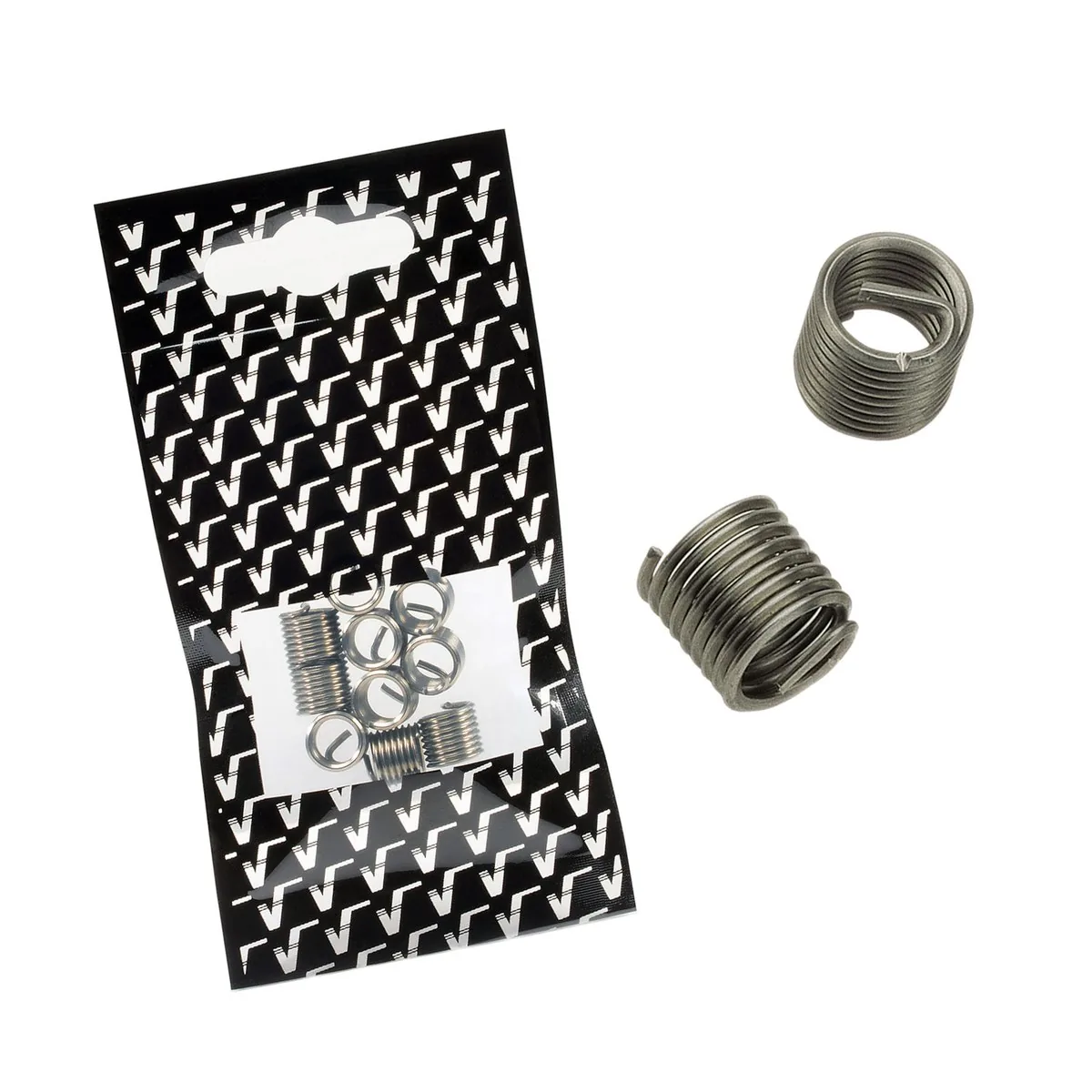
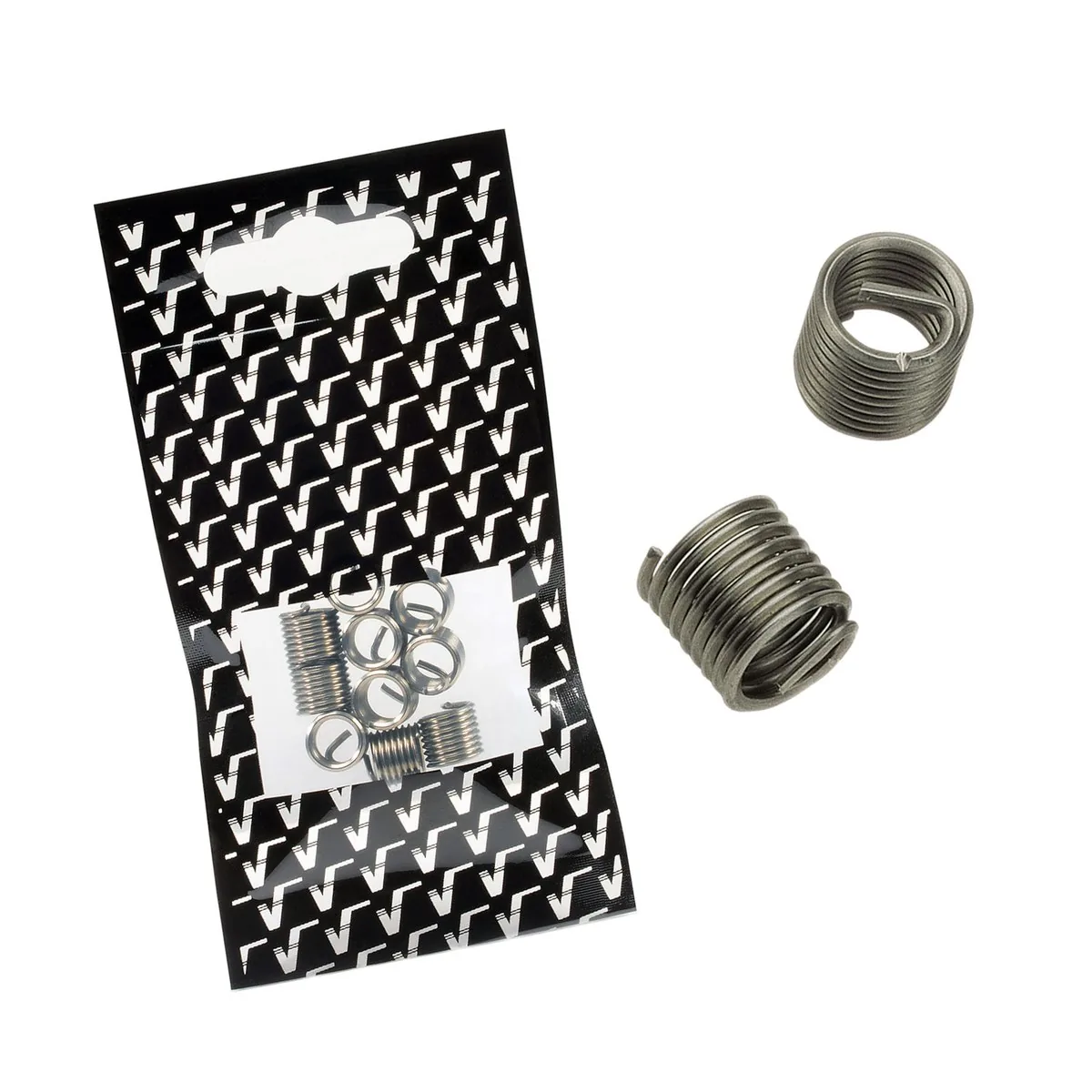
 Bộ sửa ren
 Bôi trơn cắt ren
Cặp taro máy + mũi khoan
Bôi trơn cắt ren
Cặp taro máy + mũi khoan
 Dụng cụ bẻ chân ren
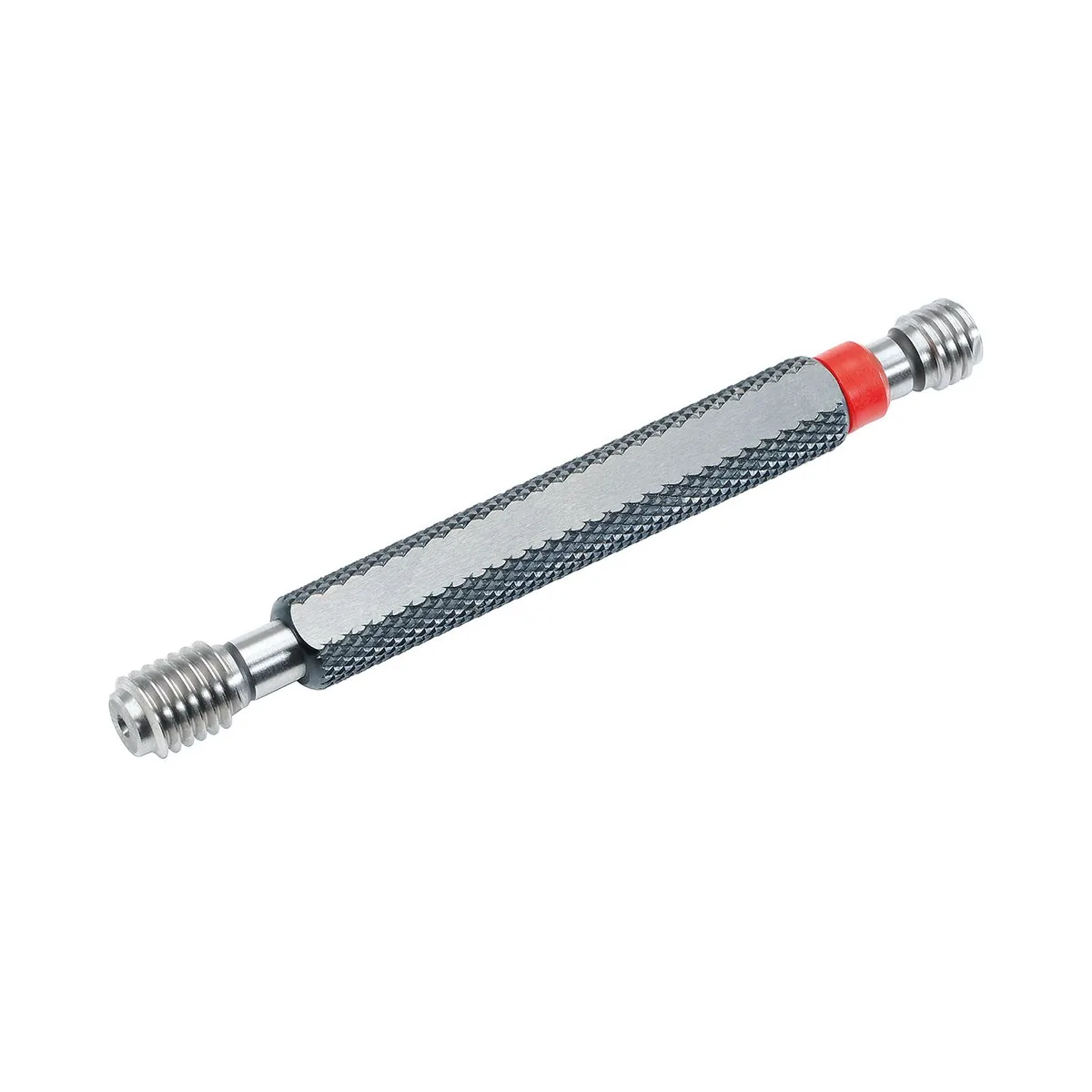
 Dưỡng đo ren ngoai
 Dưỡng đo ren trong
Mũi doa vát mép
Mũi khoan kim loại
Dưỡng đo ren trong
Mũi doa vát mép
Mũi khoan kim loại
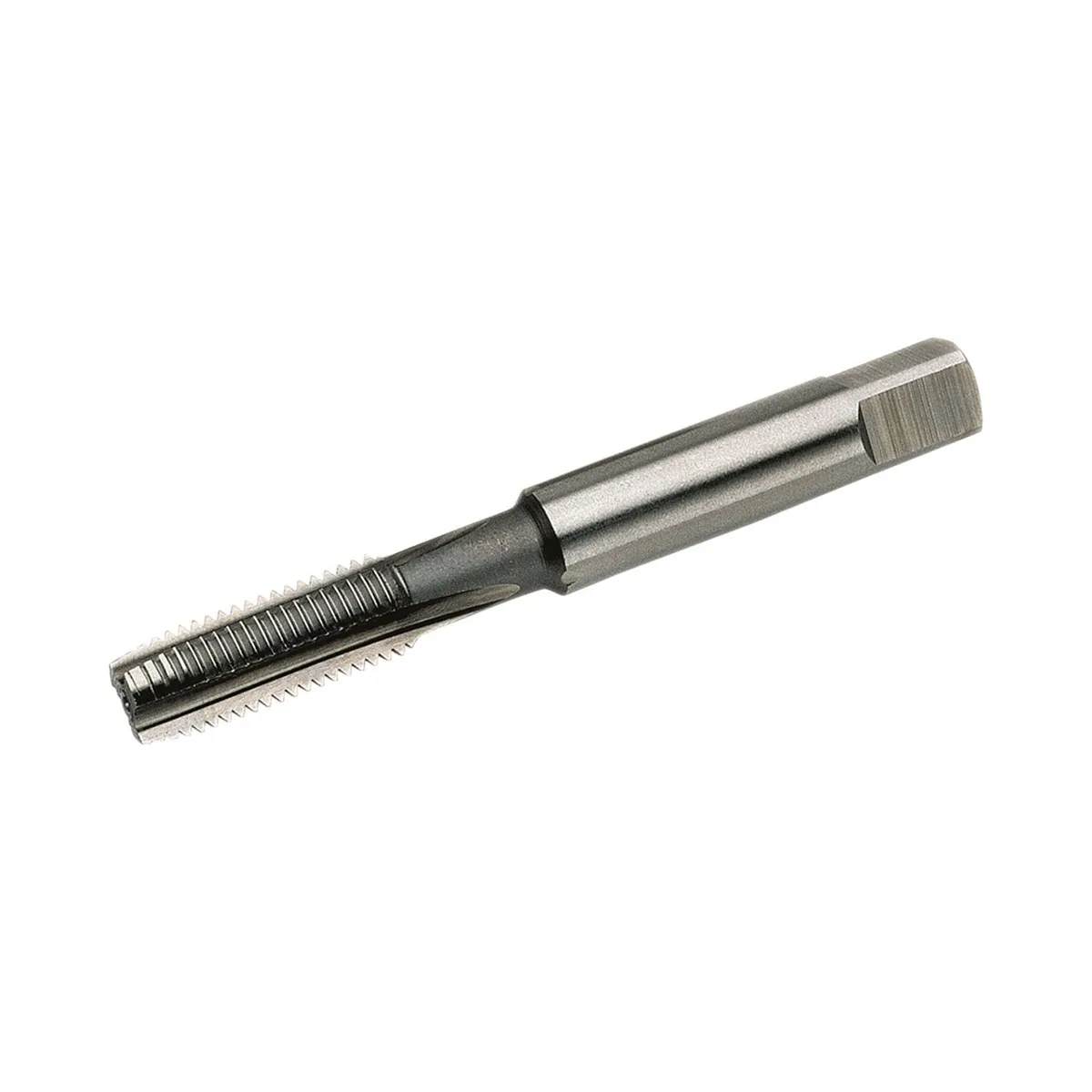
 Mũi taro cho ren cấy
Mũi taro ren trong
Mũi taro cho ren cấy
Mũi taro ren trong
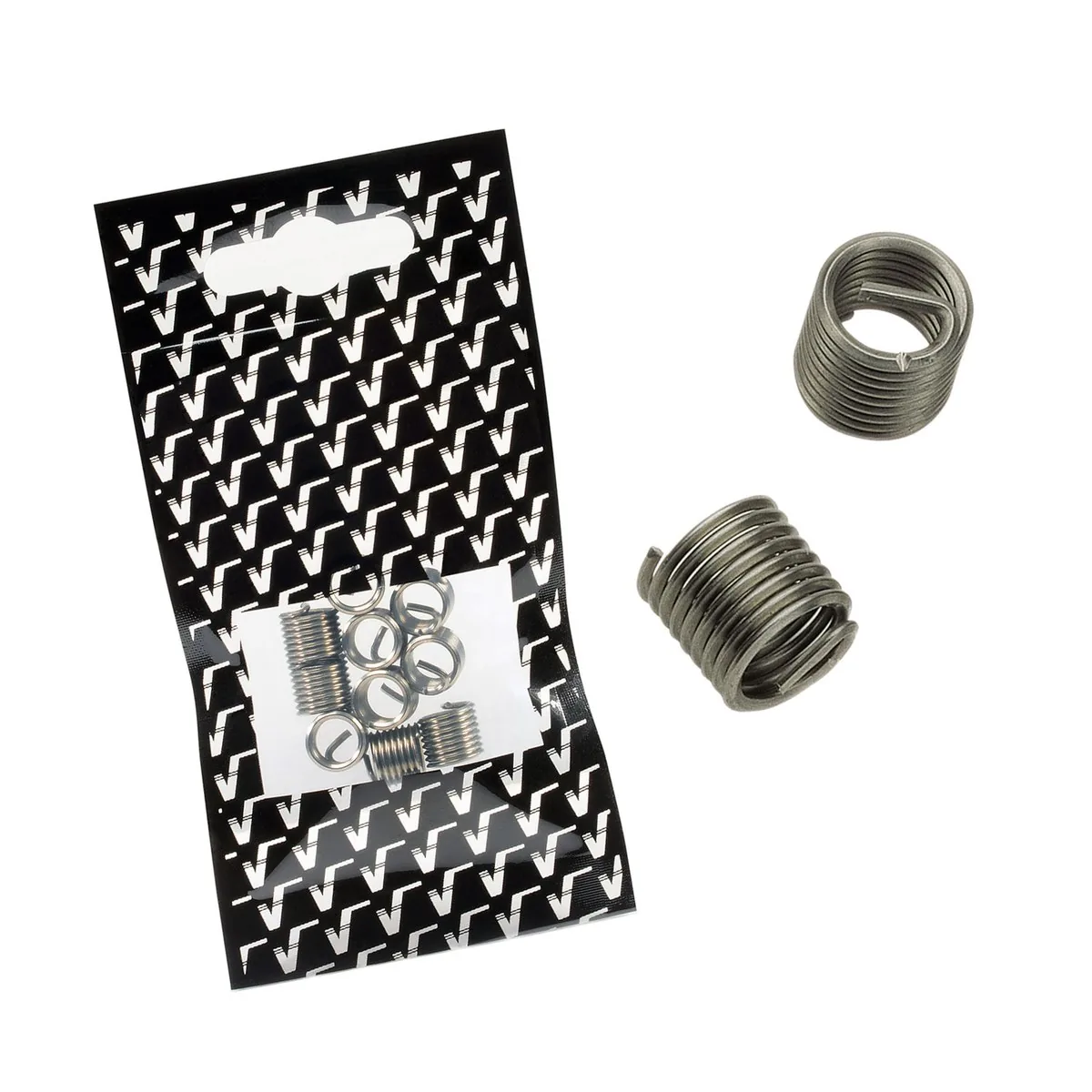
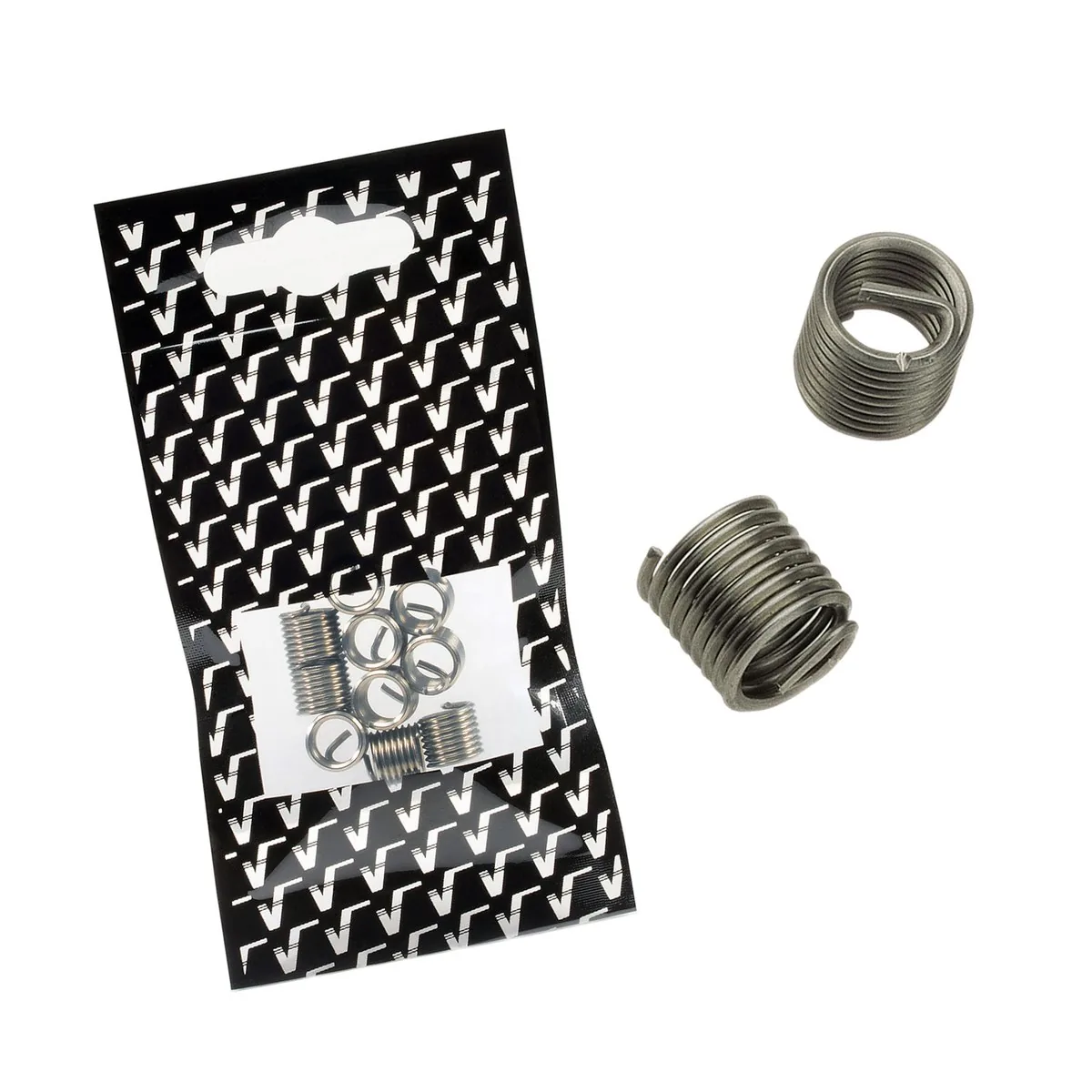
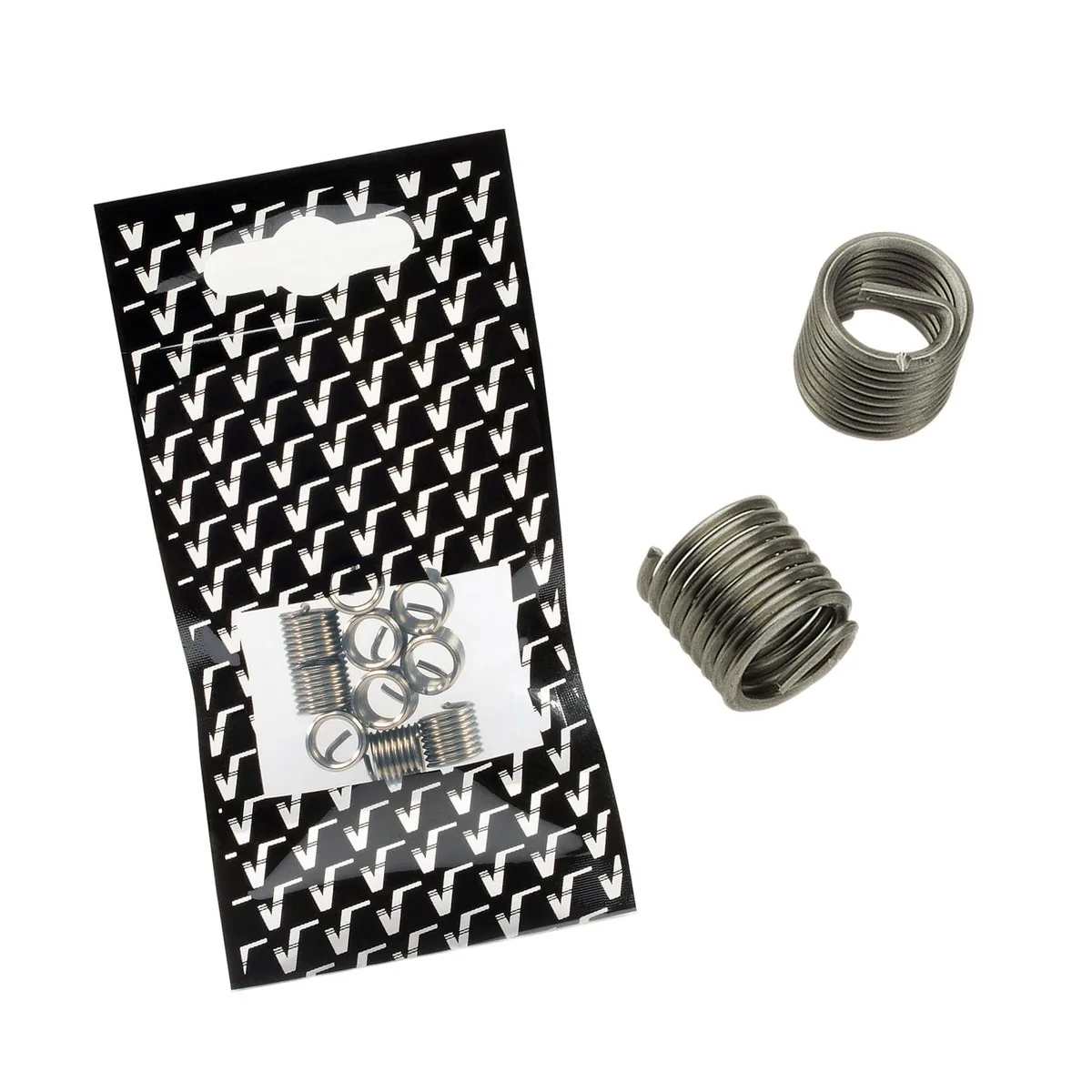
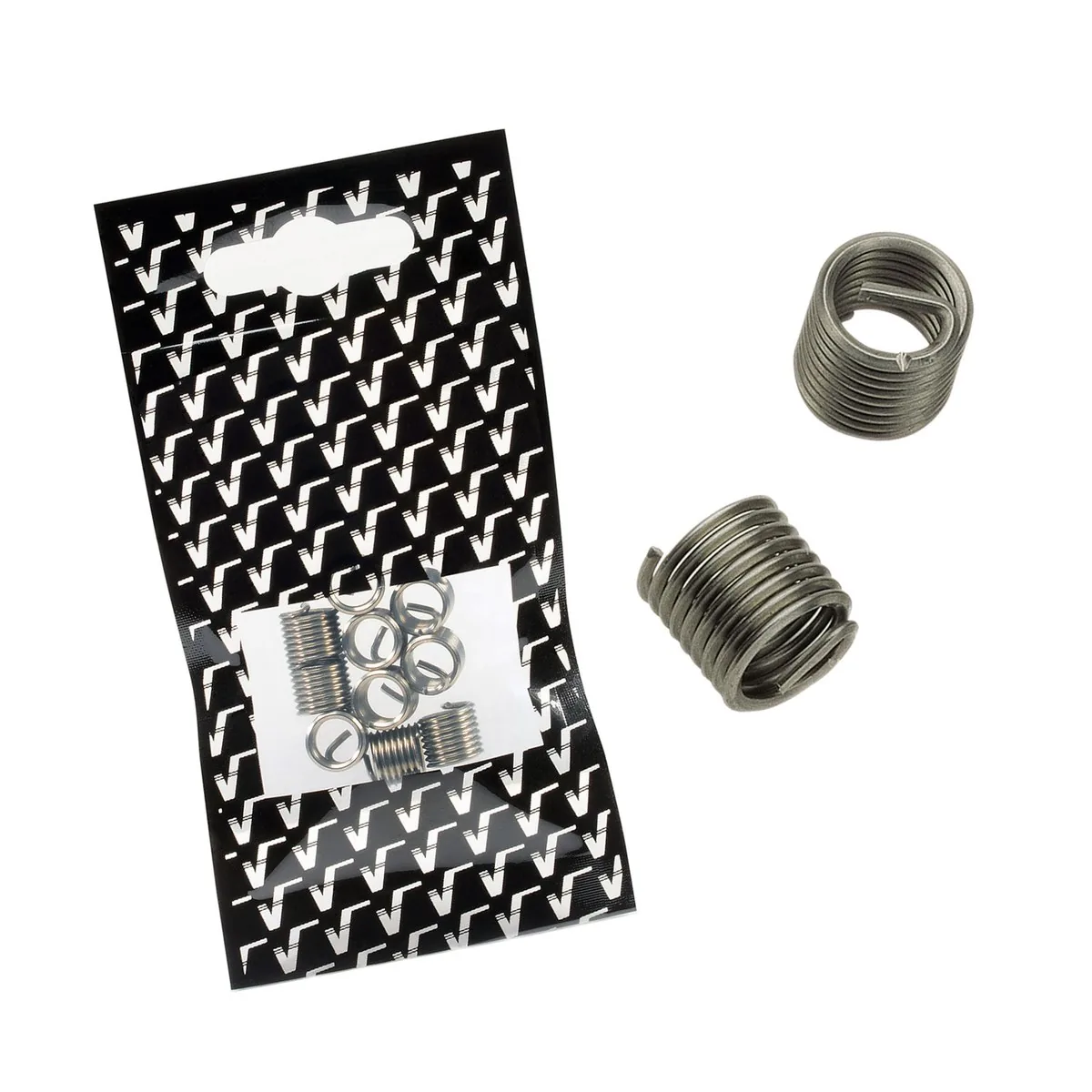
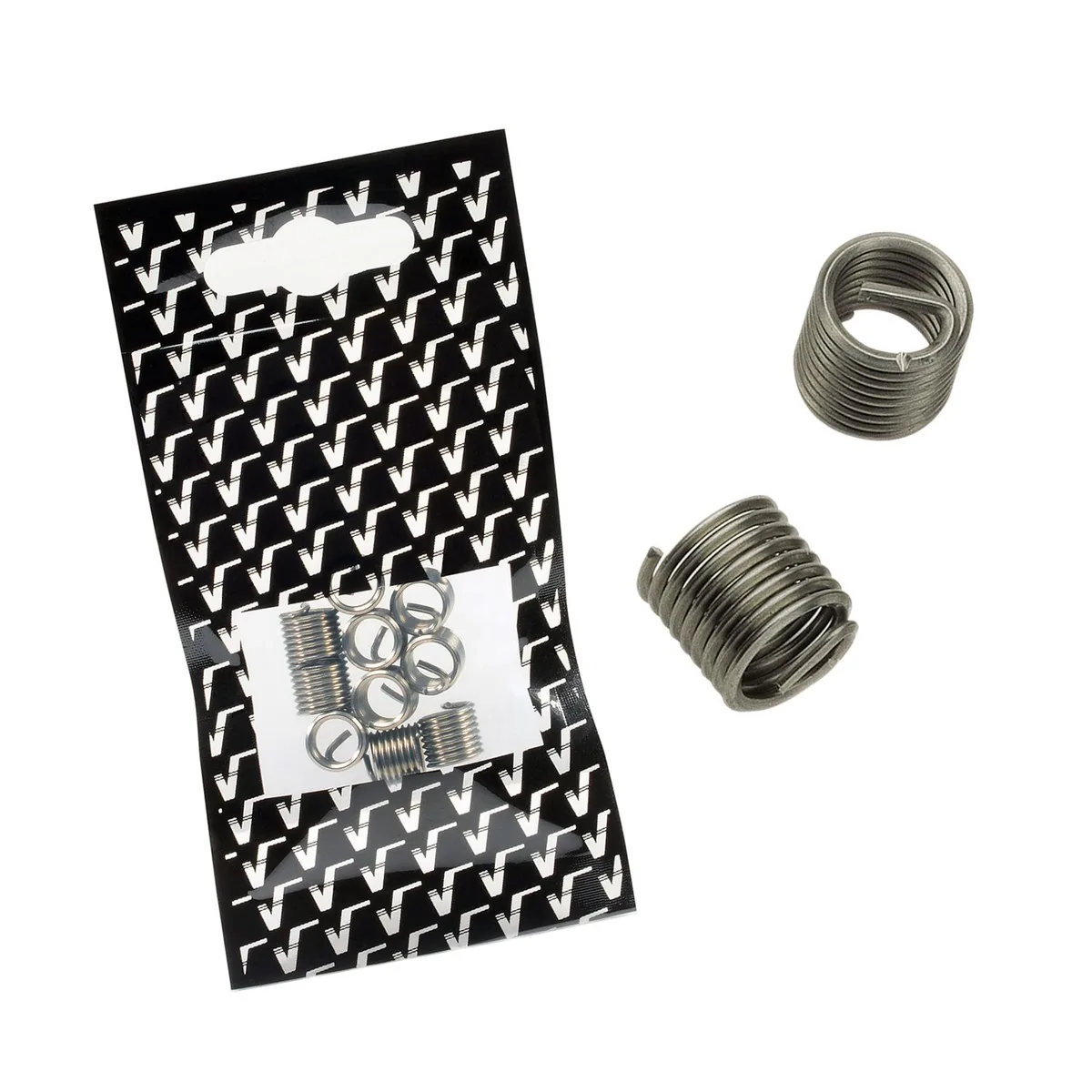
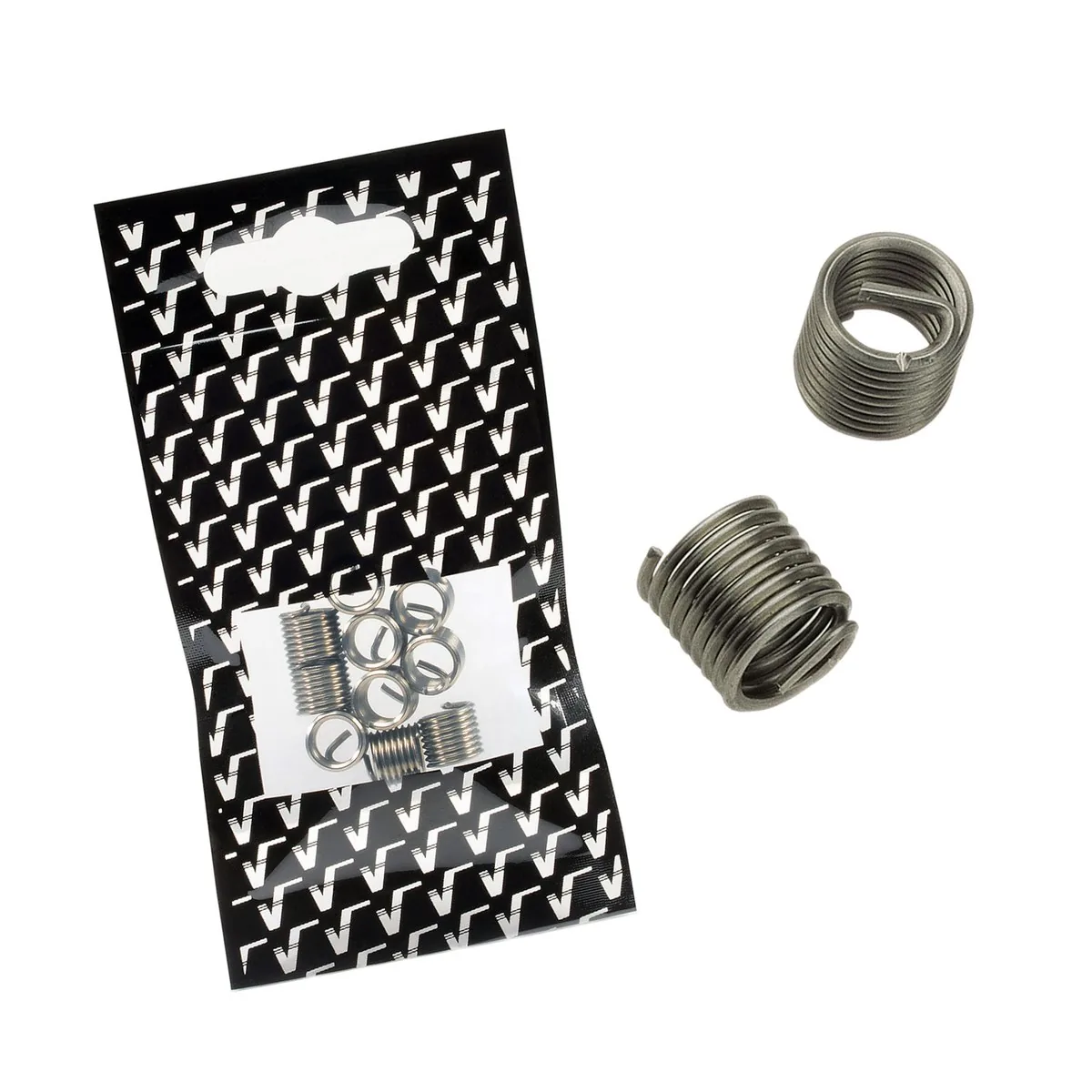
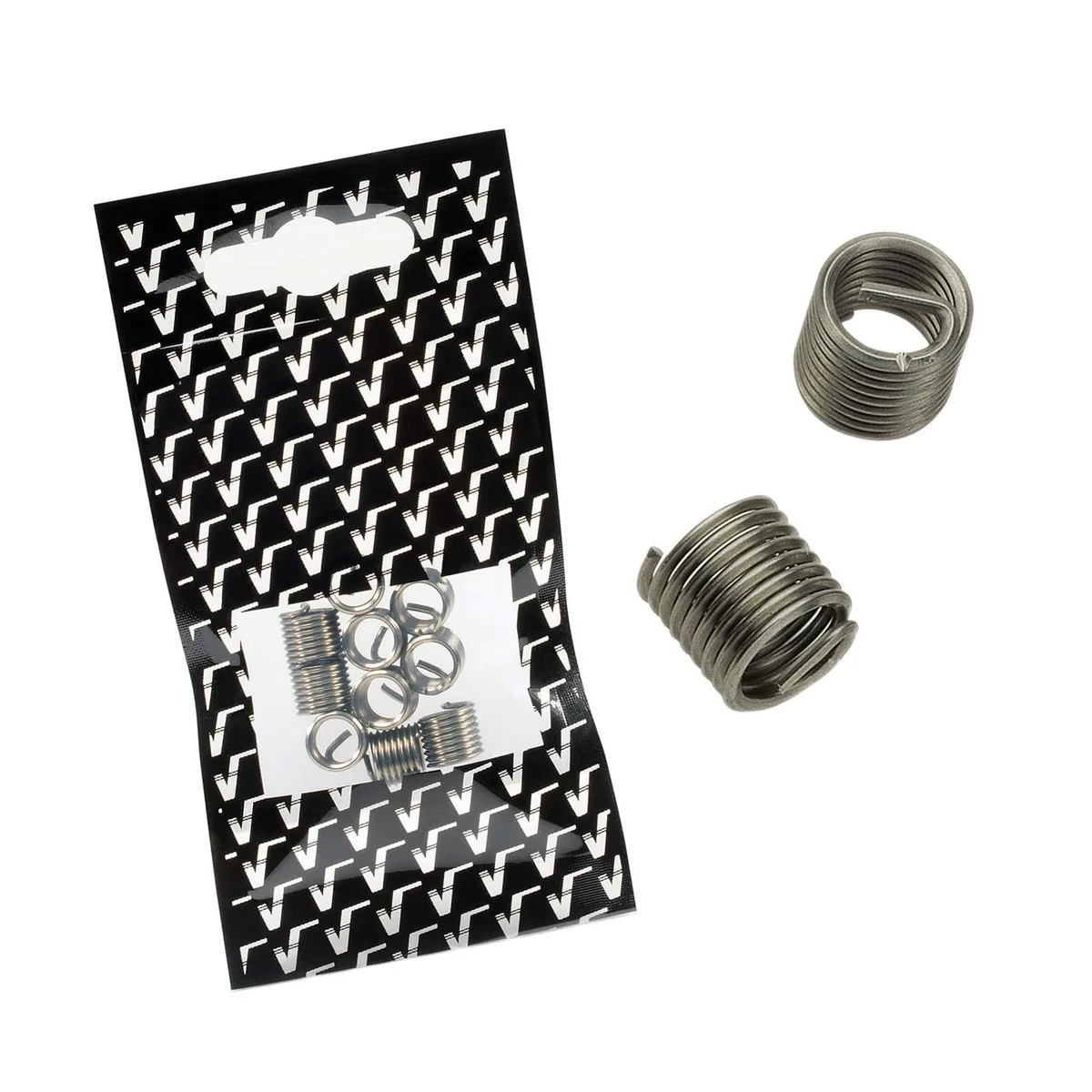
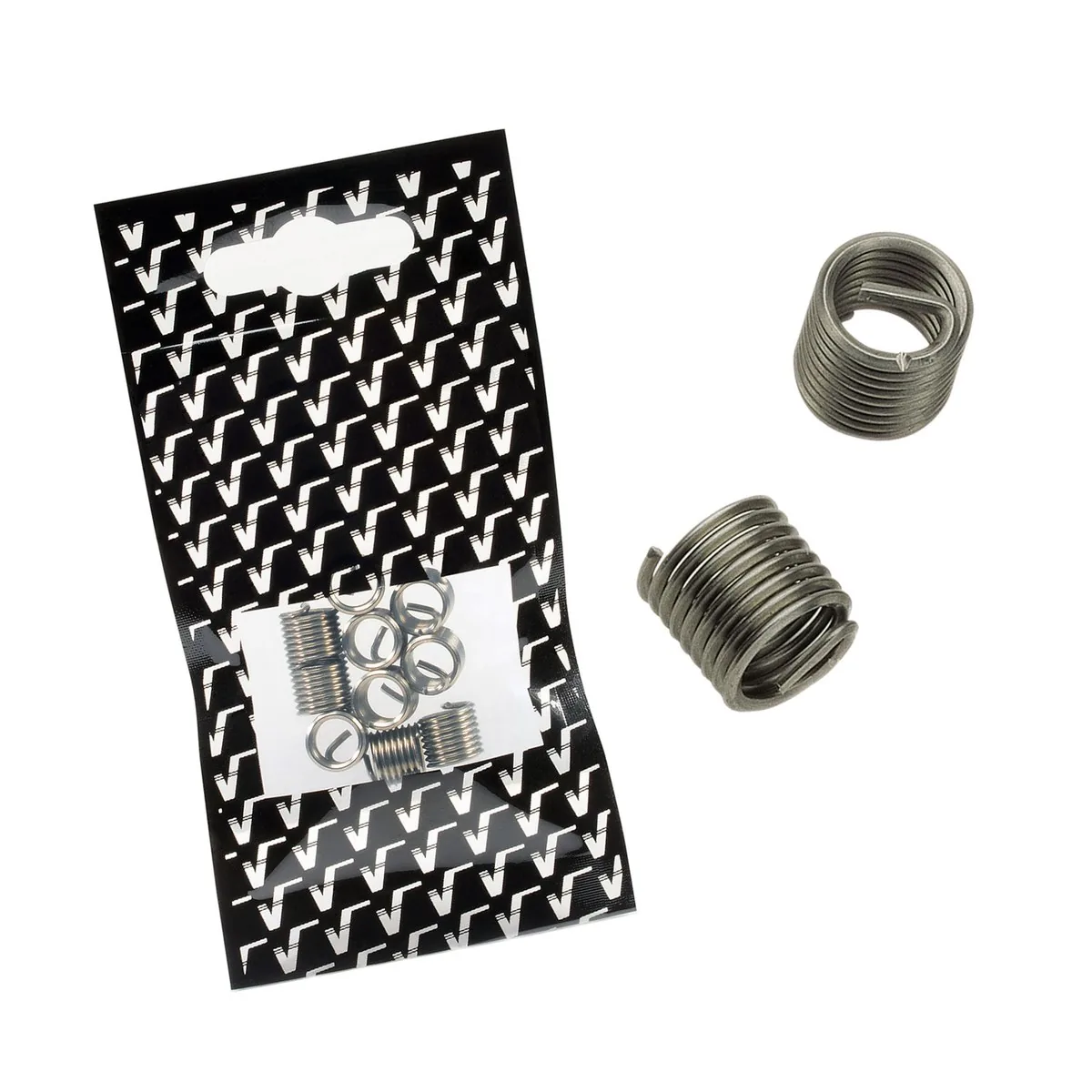
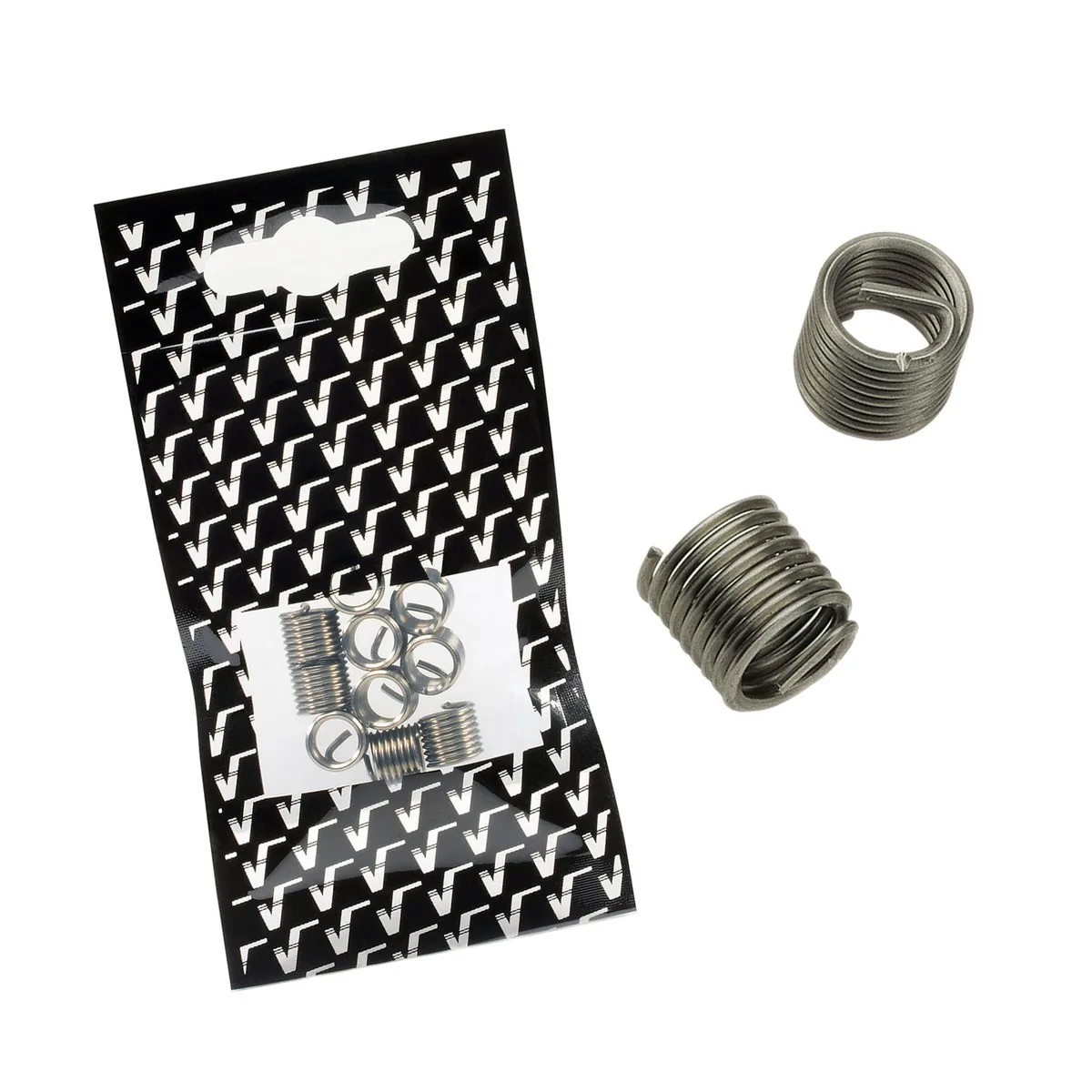
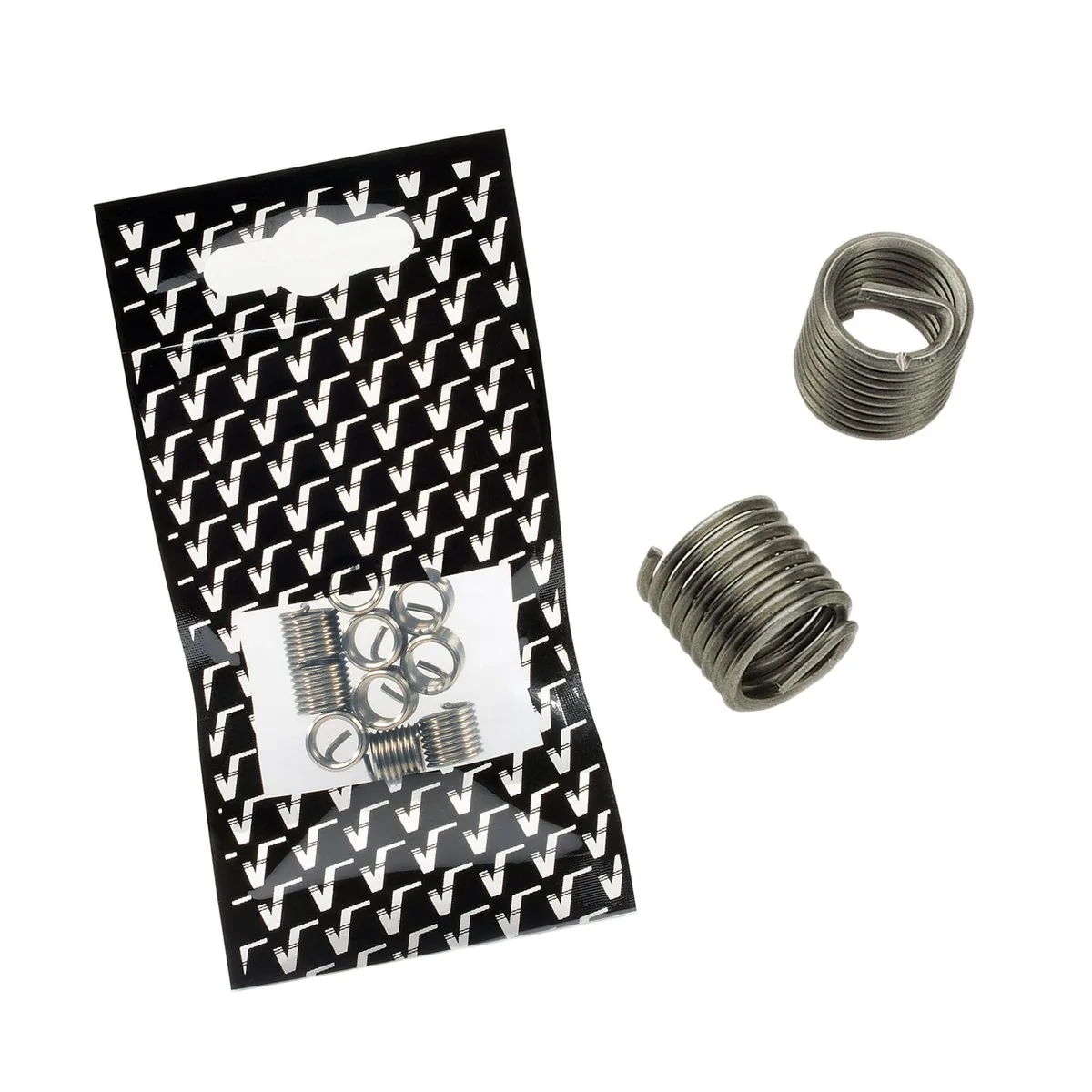
 Ren cấy V-coil
 Taro ren máy
Taro ren tay
Tay cấy ren
Tay quay bàn ren
Tay quay taro trong
Taro ren máy
Taro ren tay
Tay cấy ren
Tay quay bàn ren
Tay quay taro trong
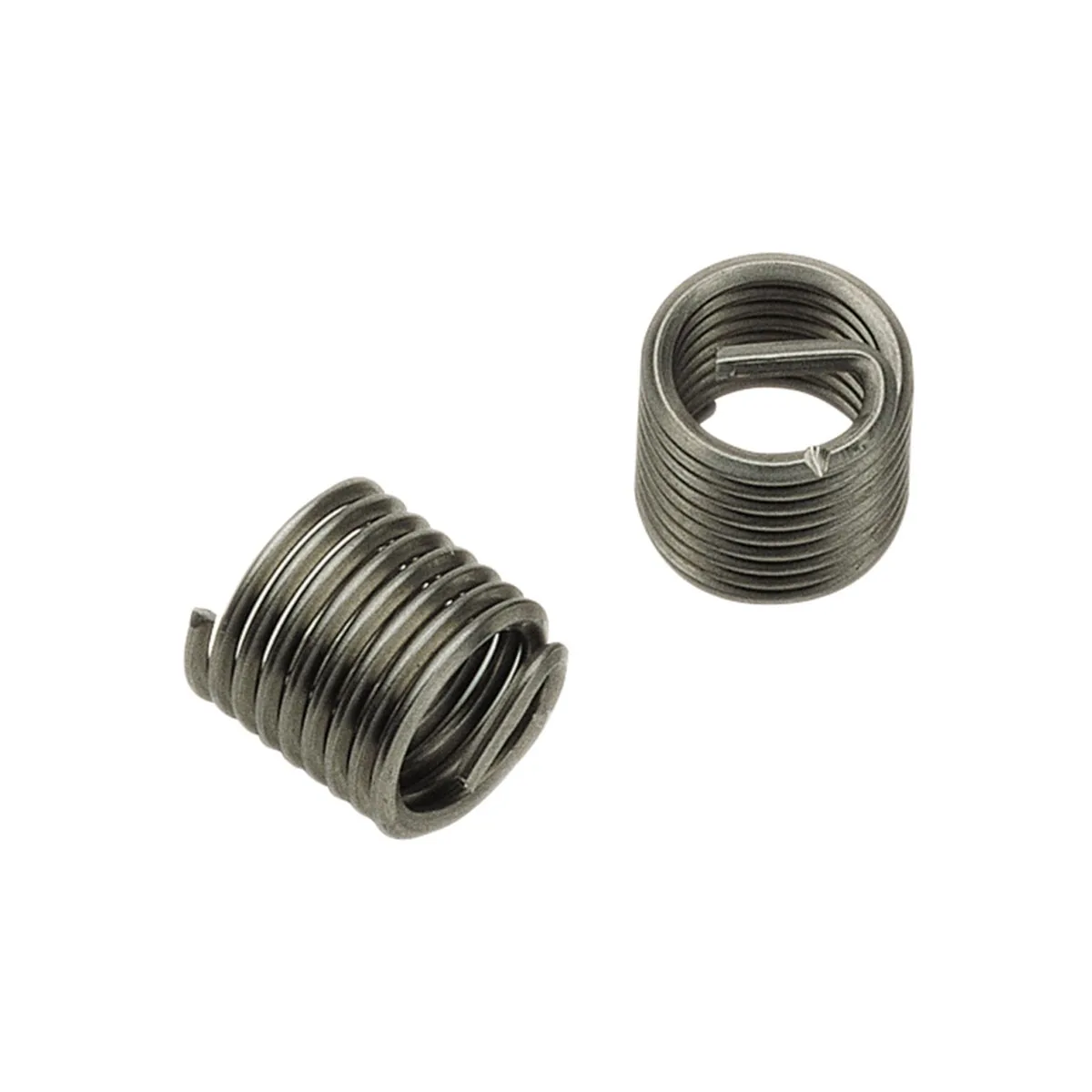

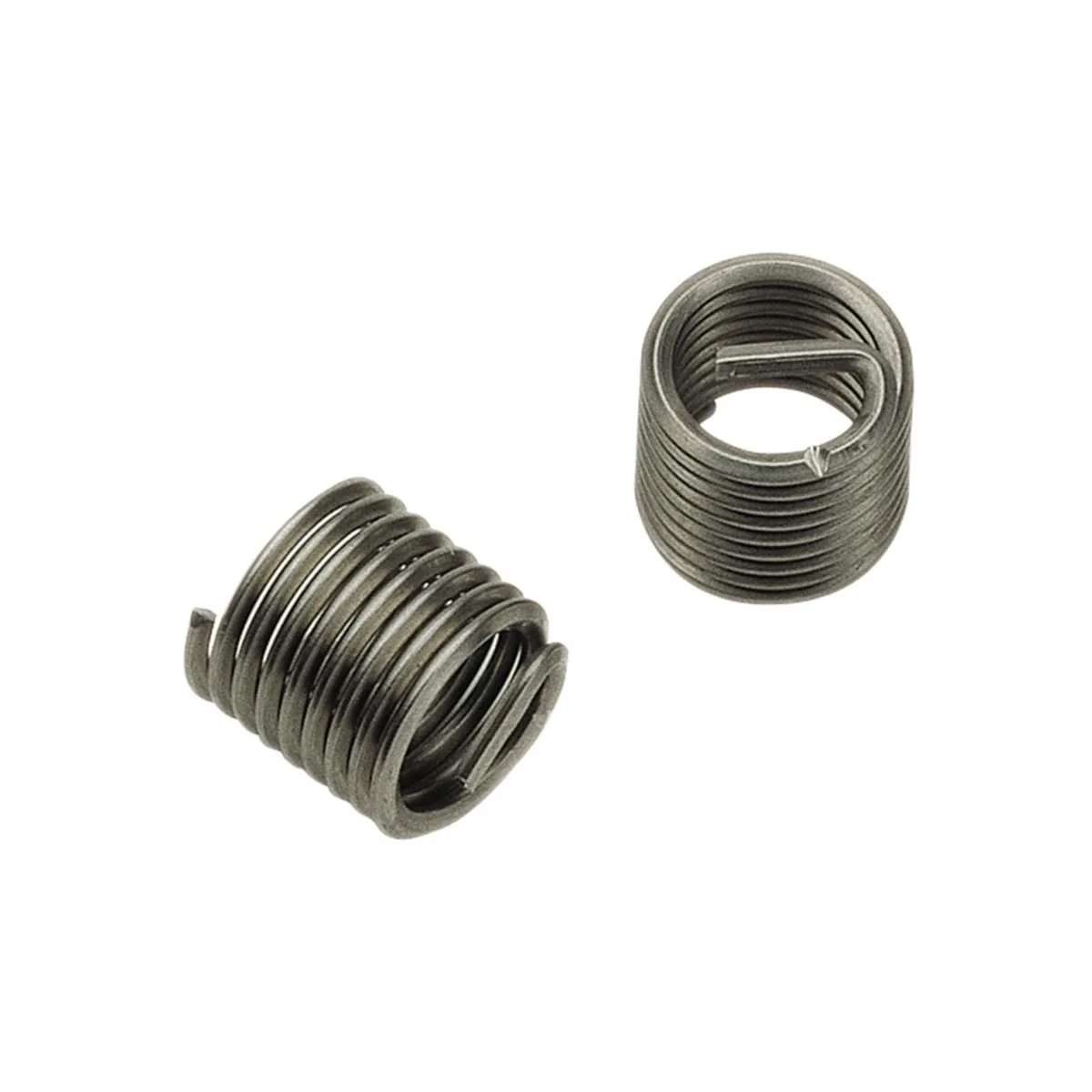
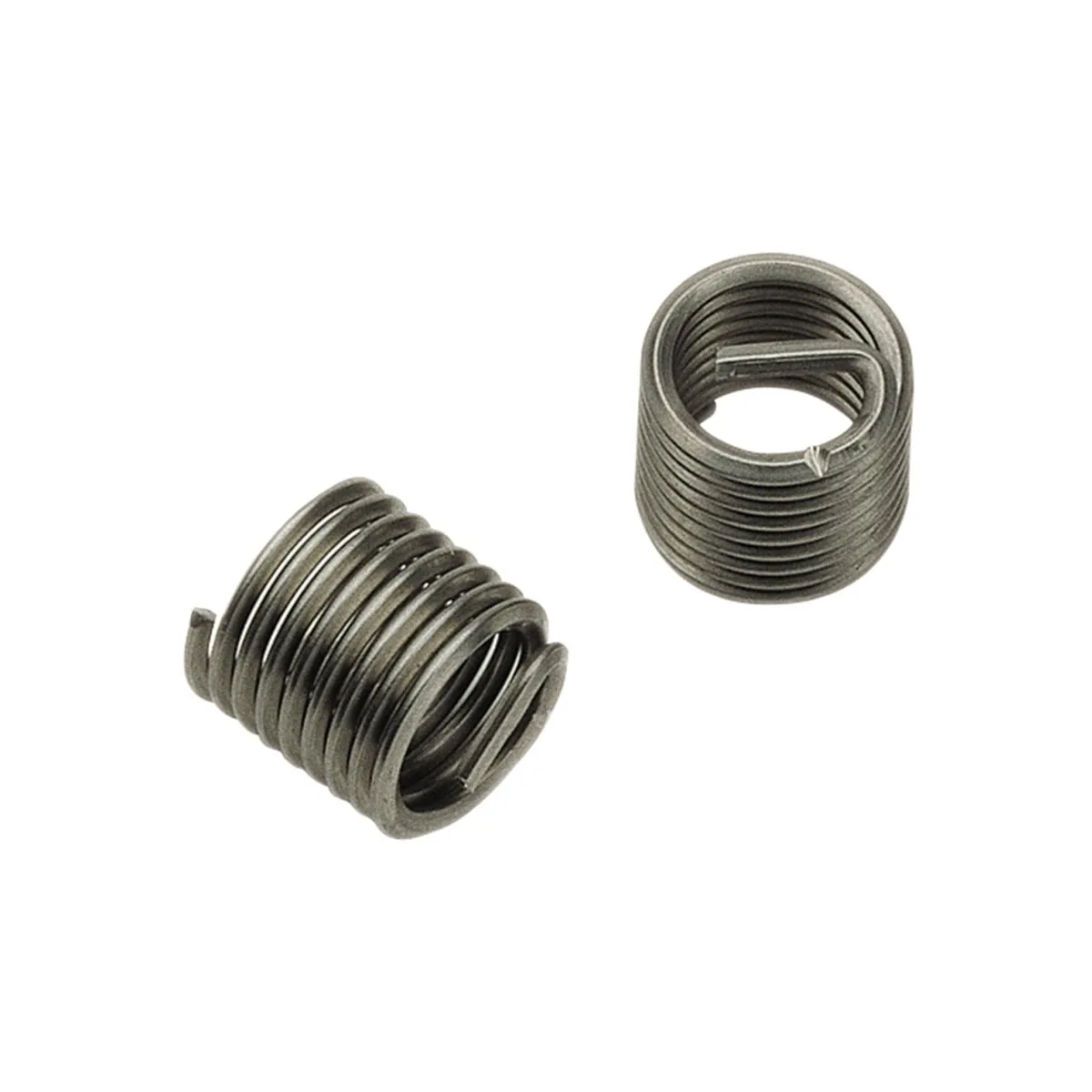
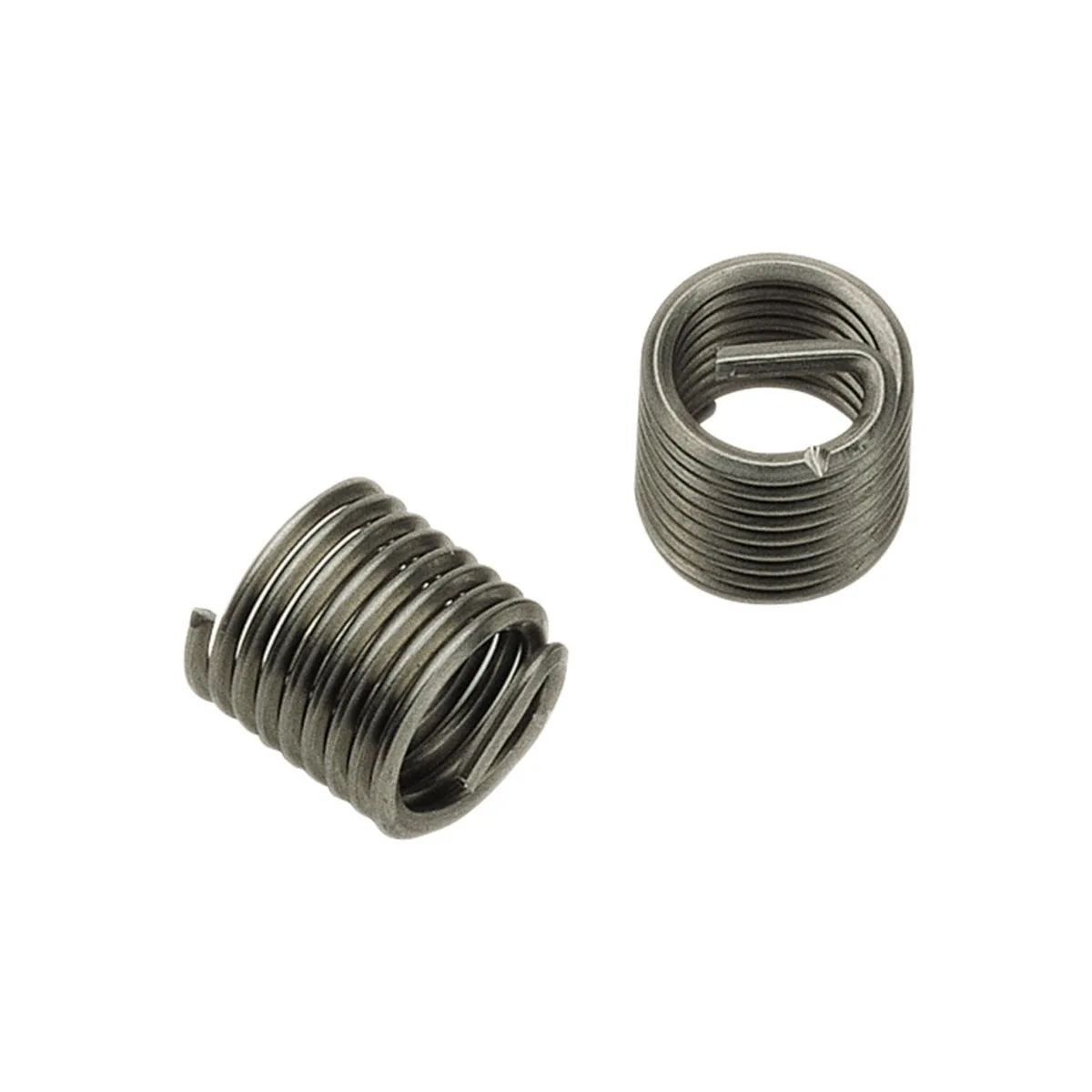
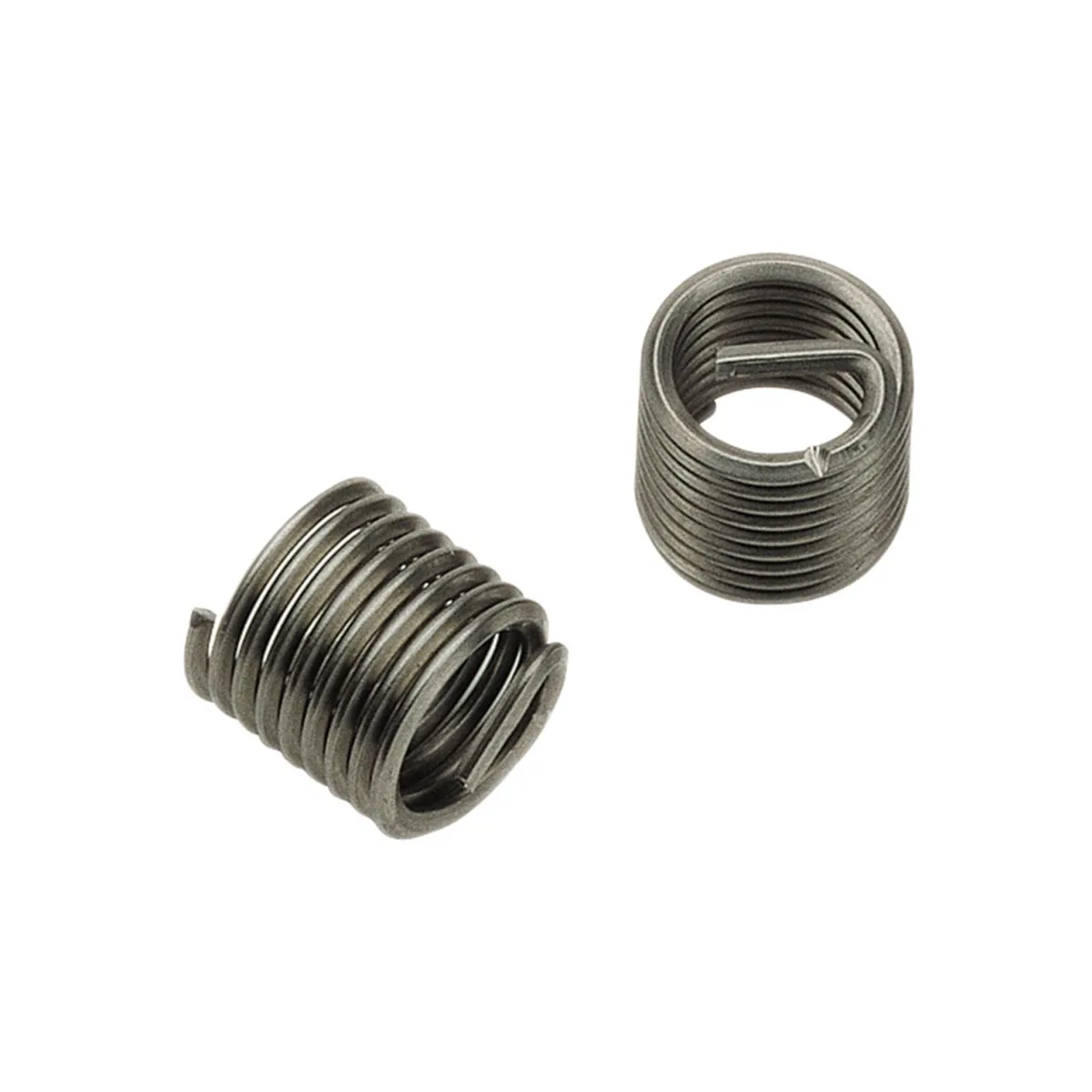
You apply this sửa ren solution when thread engagement must be reliable after damage or wear. It is suitable for service environments where you need a repeatable repair process.
Metric ISO identifies ISO metric threads defined by the M designation and used across general engineering.
Lưu ý Use the correct installation sequence for the insert type named in the product name and keep the prepared thread free of burrs.
Do you need help selecting or using the product?
Use the biểu mẫu liên hệ.
| Loại ren | metric ISO-thread |
|---|---|
| Tiêu chuẩn | DIN 8140 |
| Vật liệu | from stainless steel |
| Tolerance | ISO2 (6H) |
| Kích thước | M 2 x 0.4 |
| Chiều dài | 1.0 x D |
| Packaging unit (piece) | 100 |
| EAN | 4022835072027 |
| Mã hàng | 07202 |
| Chuẩn ren | DIN 13 |
| Quy cách đóng gói | 100 |