Áo sơ mi chạy bộ
 Bộ mũi khoan
 taro
Bộ mũi khoét
Bộ mũi khoan
Bộ mũi khoan taro
Bộ mũi khoét
 Bộ mũi taro ren trong
 Bộ sửa ren
 Bôi trơn cắt ren
Cặp taro máy + mũi khoan
Bôi trơn cắt ren
Cặp taro máy + mũi khoan
 Dụng cụ bẻ chân ren
 Dưỡng đo ren ngoai
 Dưỡng đo ren trong
Mũi doa vát mép
Mũi khoan kim loại
Dưỡng đo ren trong
Mũi doa vát mép
Mũi khoan kim loại
 Mũi taro cho ren cấy
Mũi taro ren trong
Mũi taro cho ren cấy
Mũi taro ren trong
 Ren cấy V-coil
 Taro ren máy
Taro ren tay
Tay cấy ren
Tay quay bàn ren
Tay quay taro trong
Taro ren máy
Taro ren tay
Tay cấy ren
Tay quay bàn ren
Tay quay taro trong
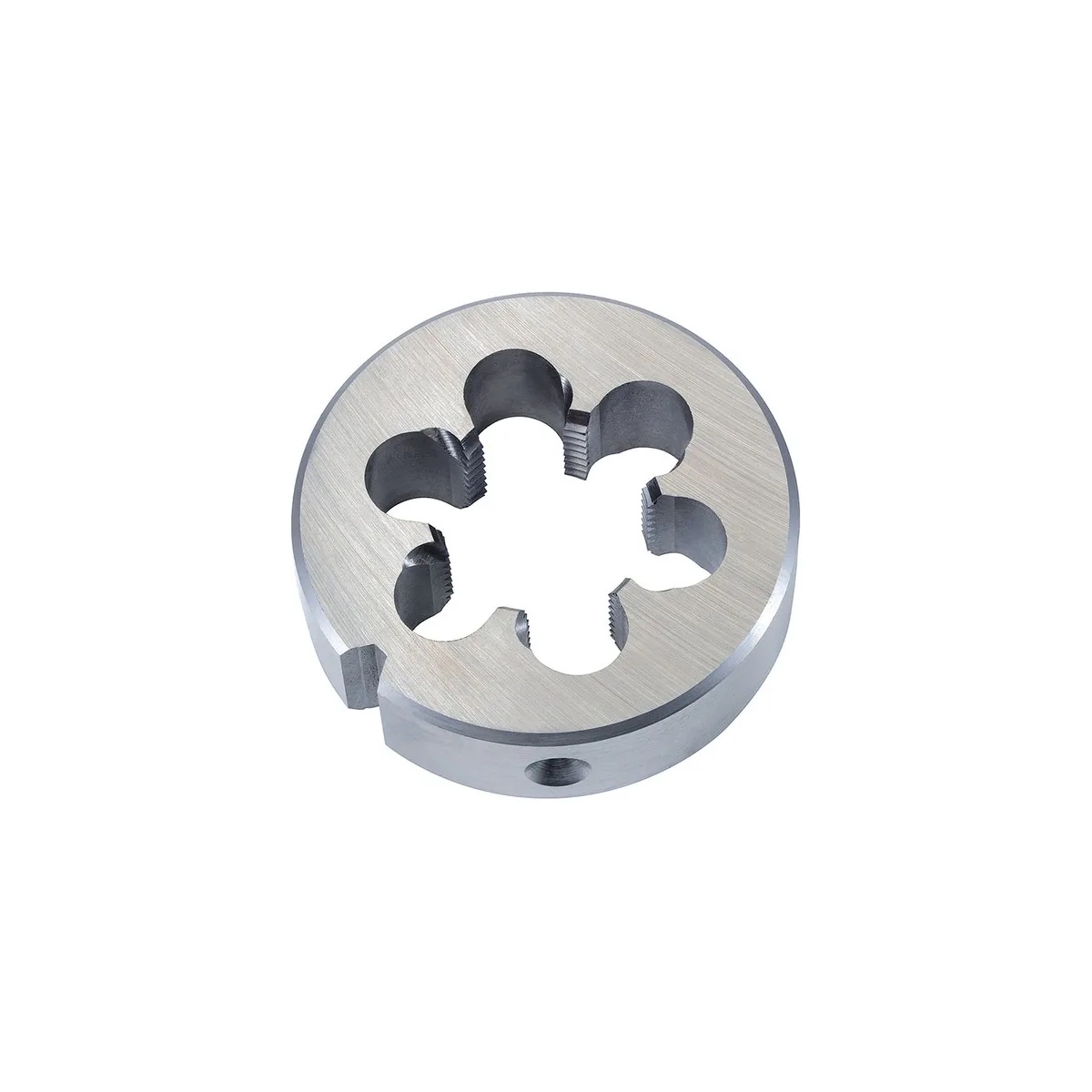
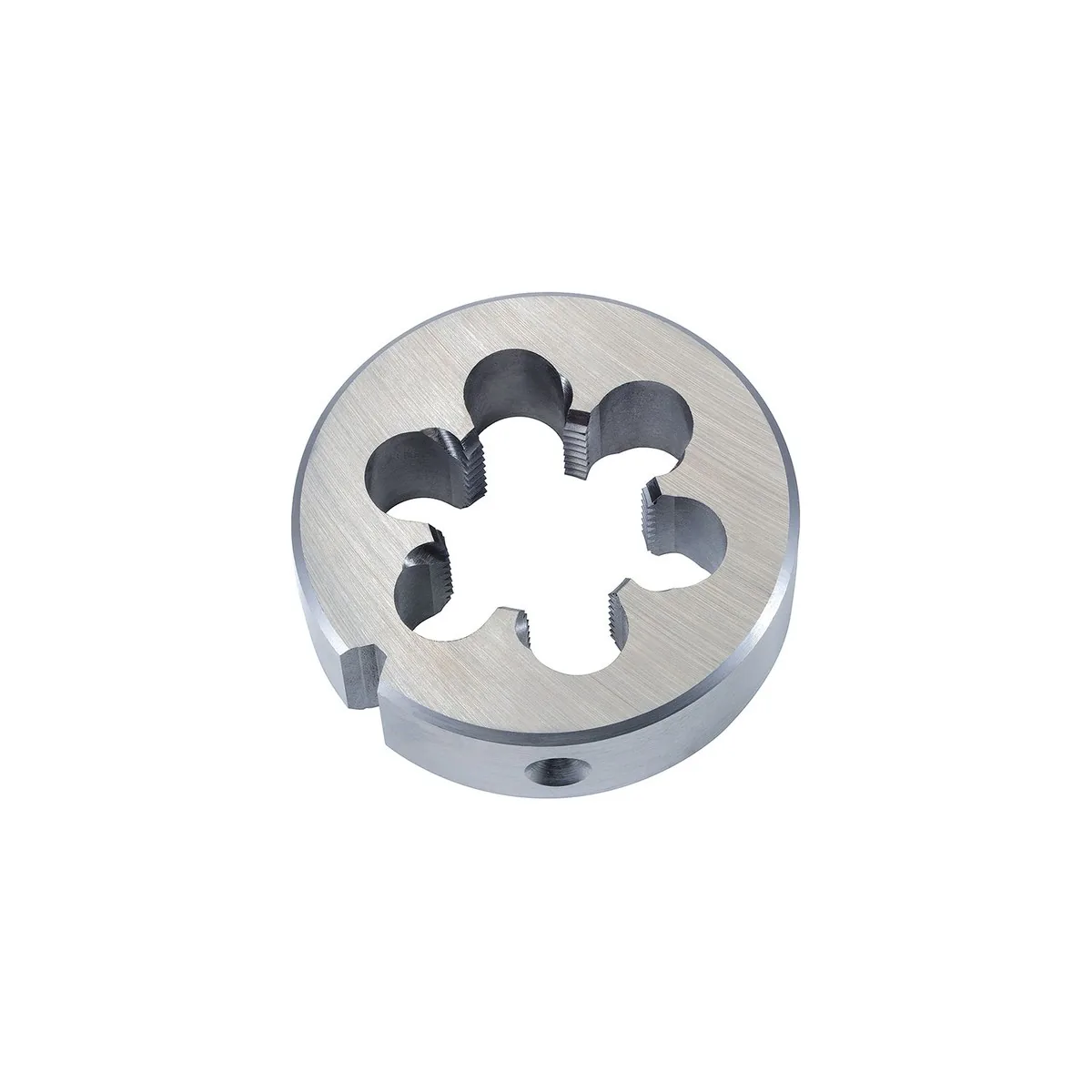
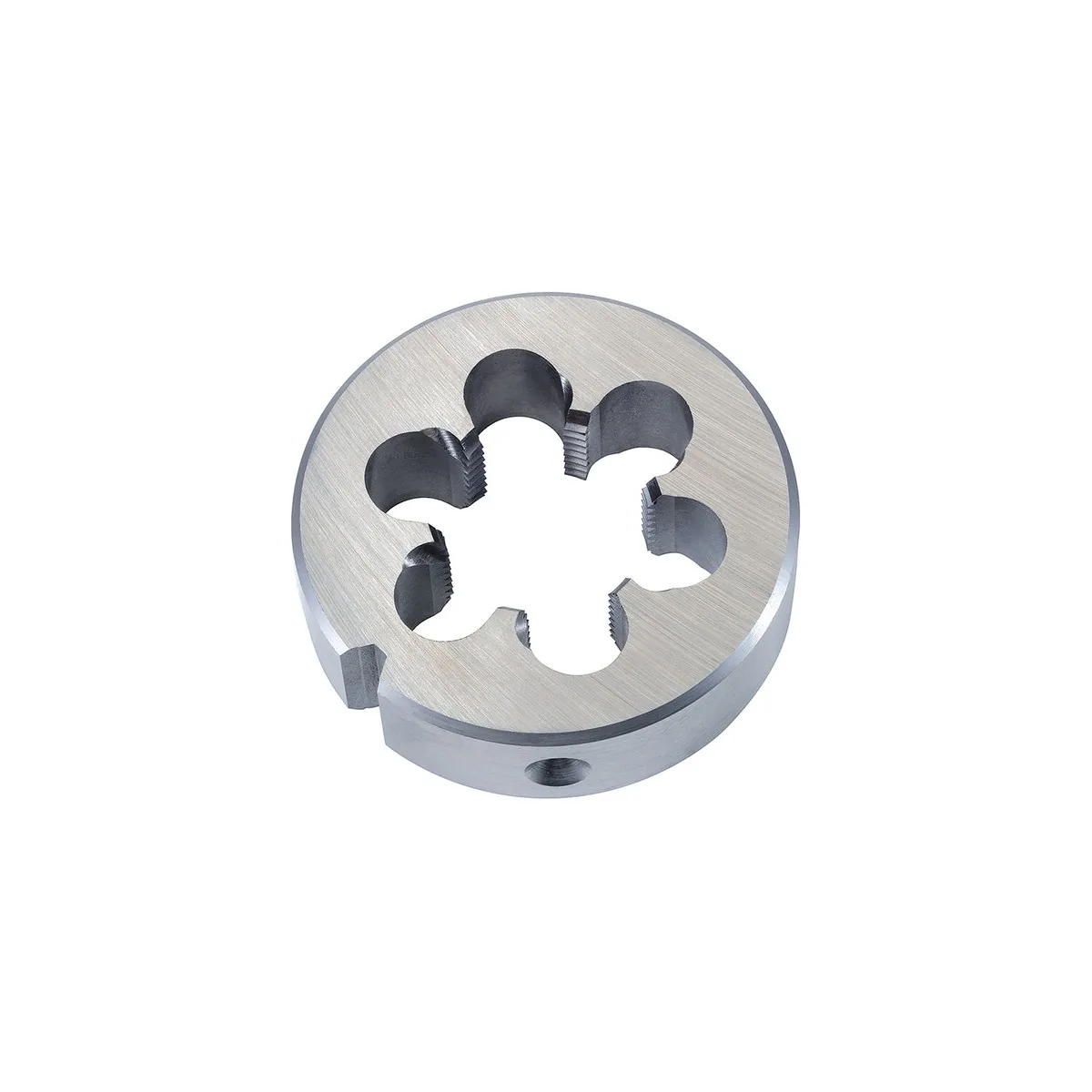
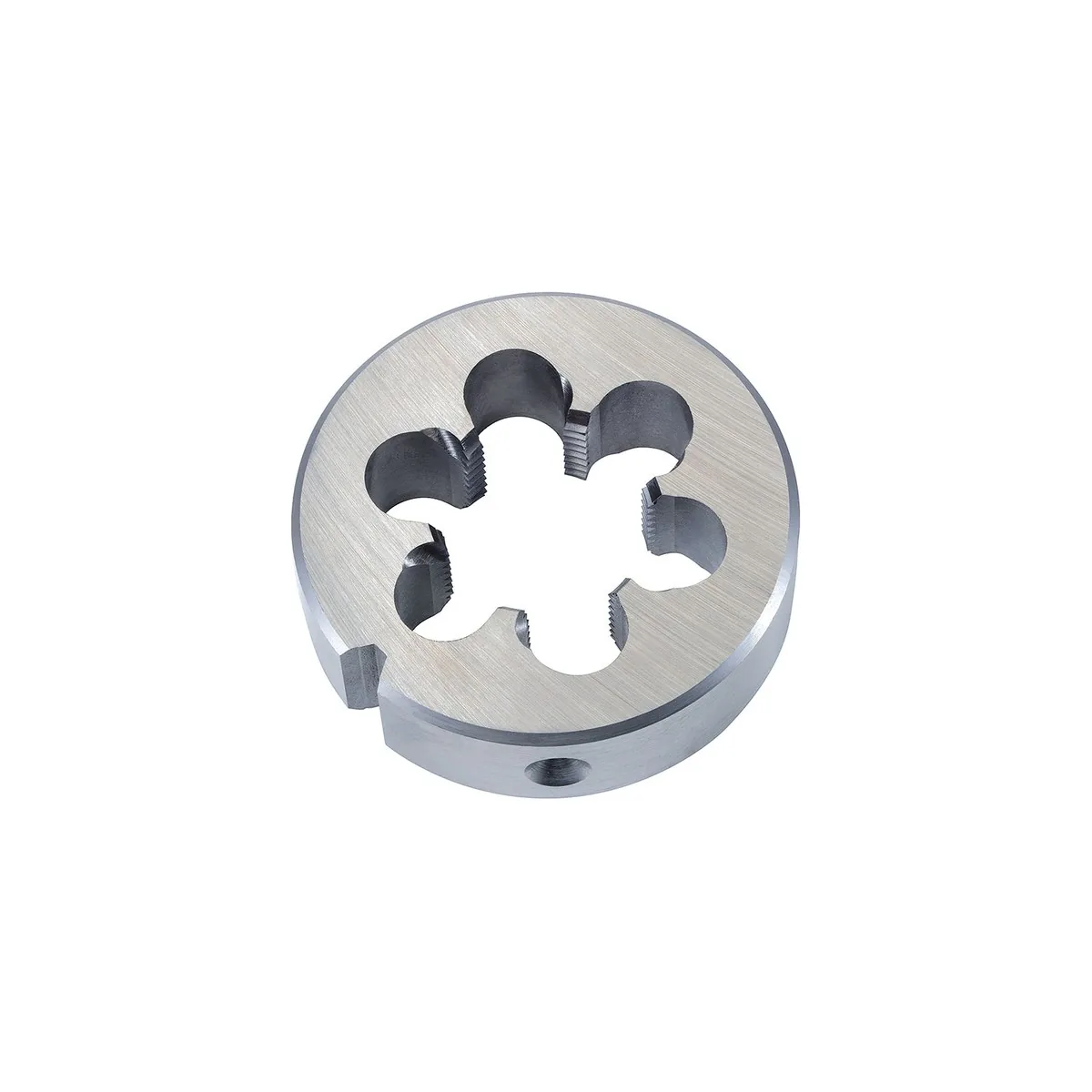
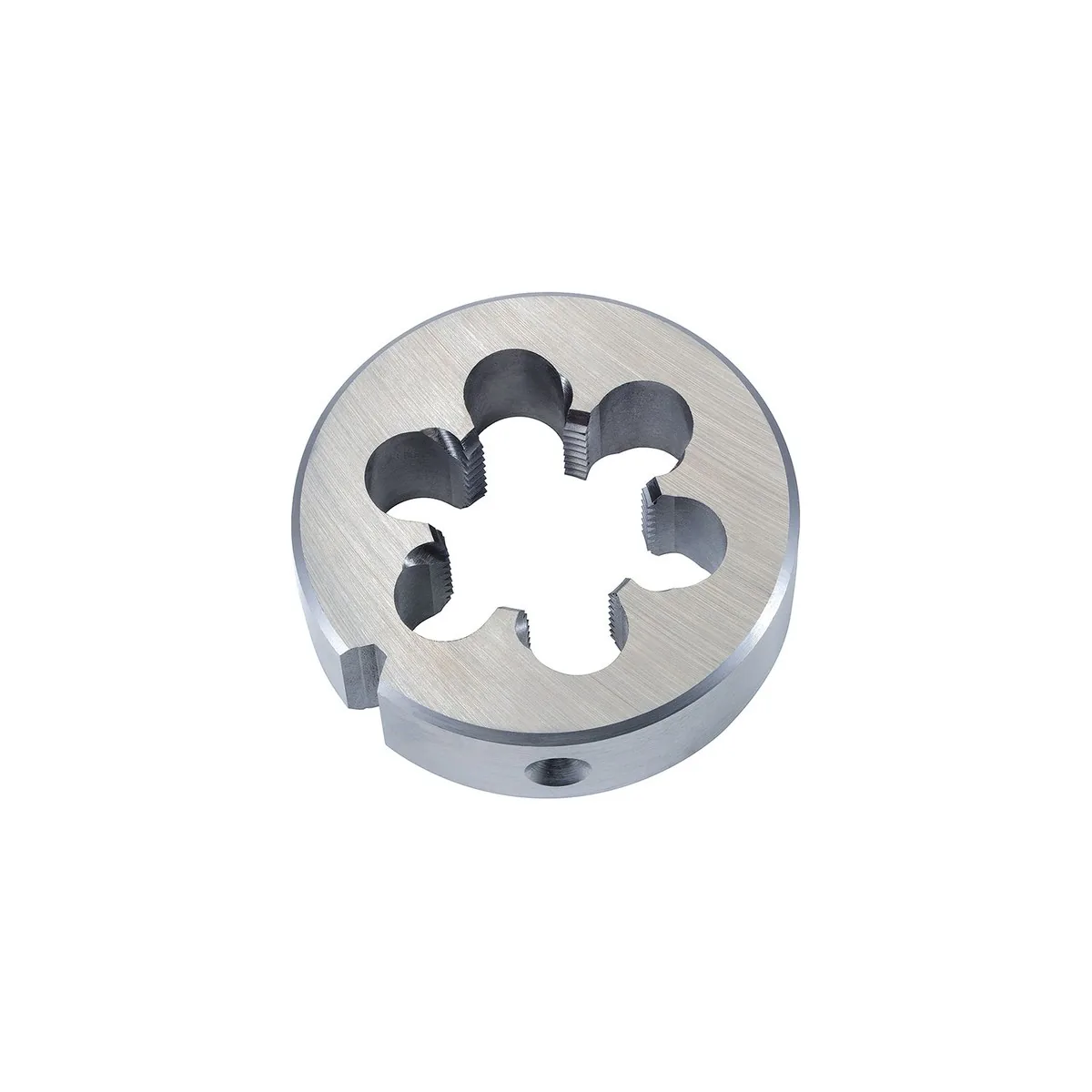
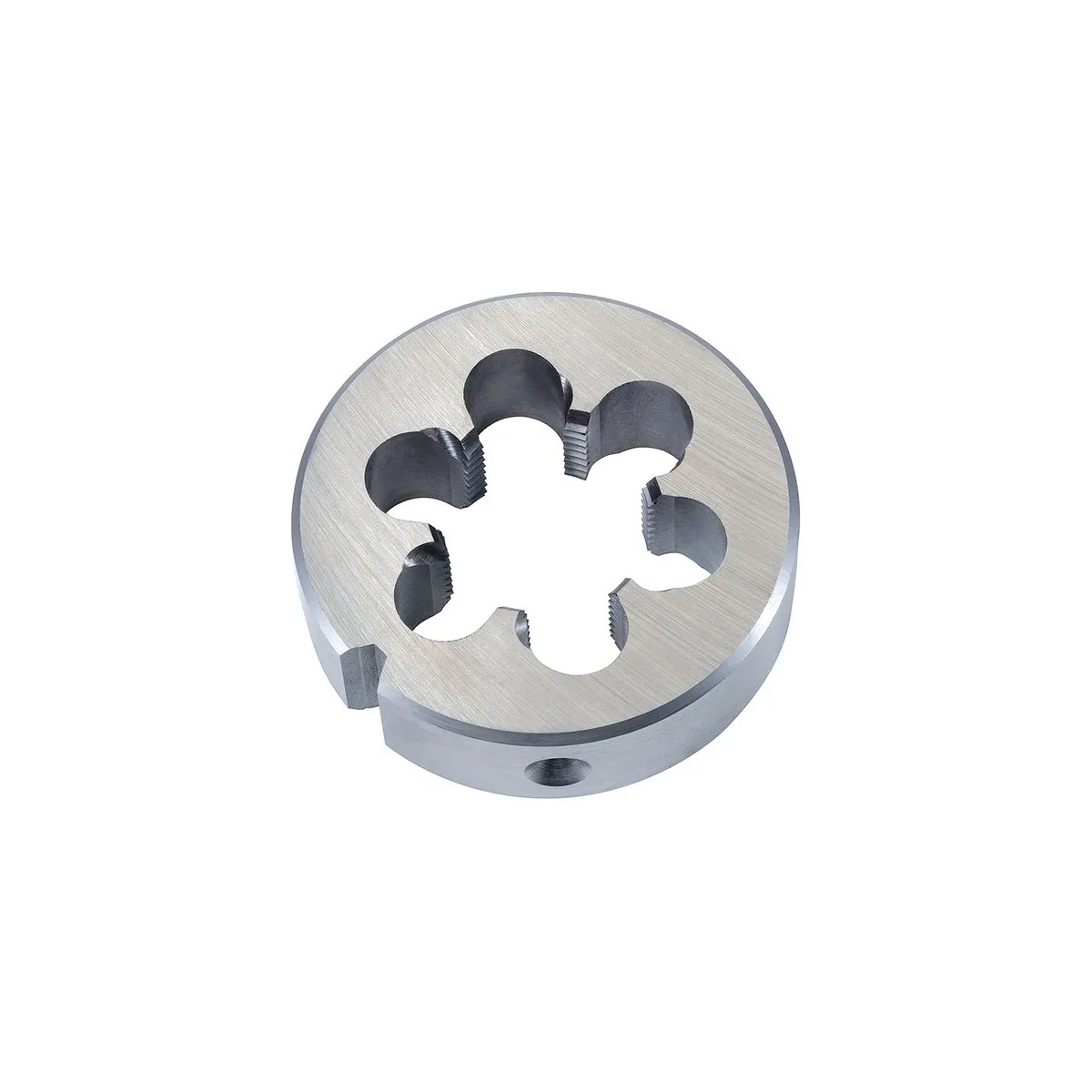
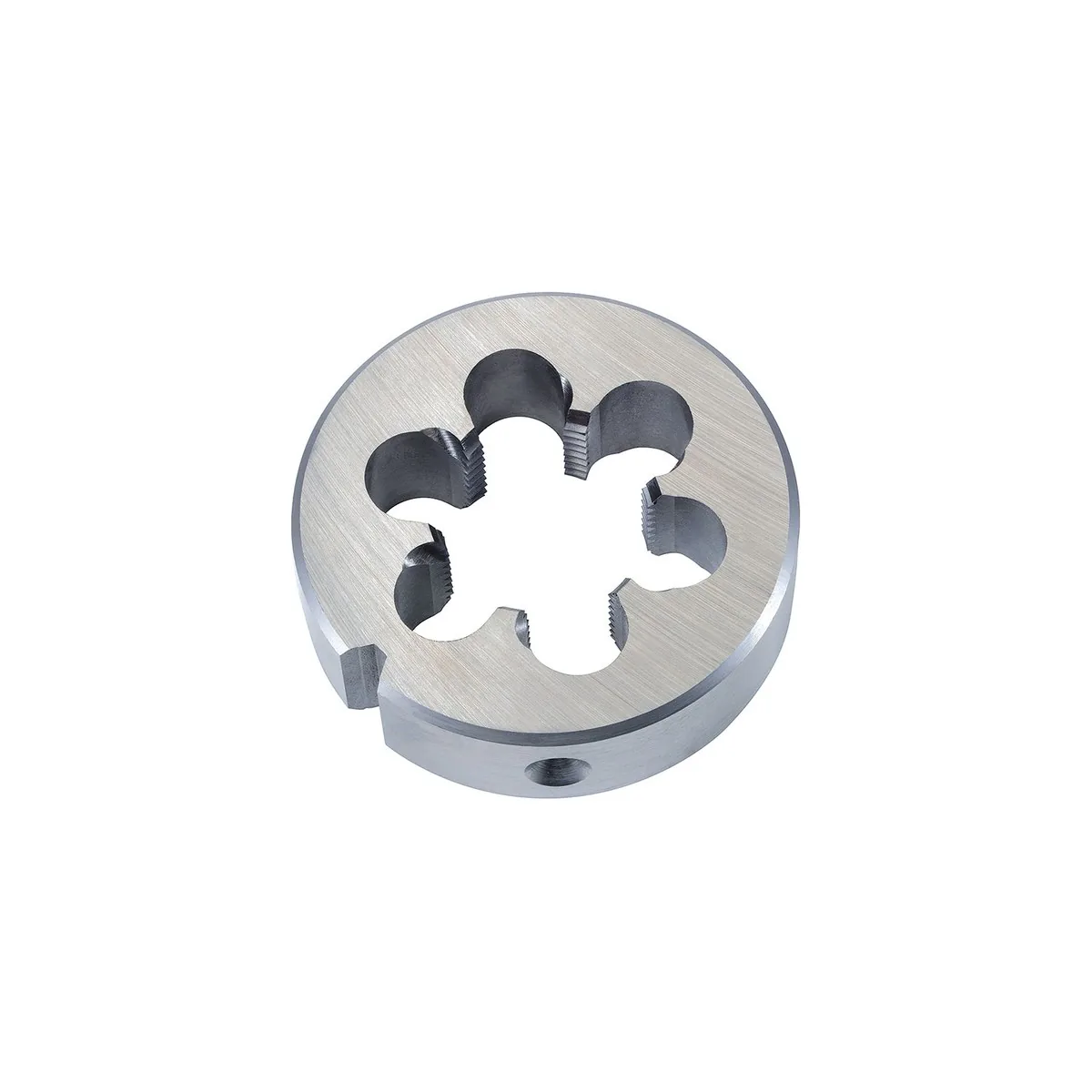
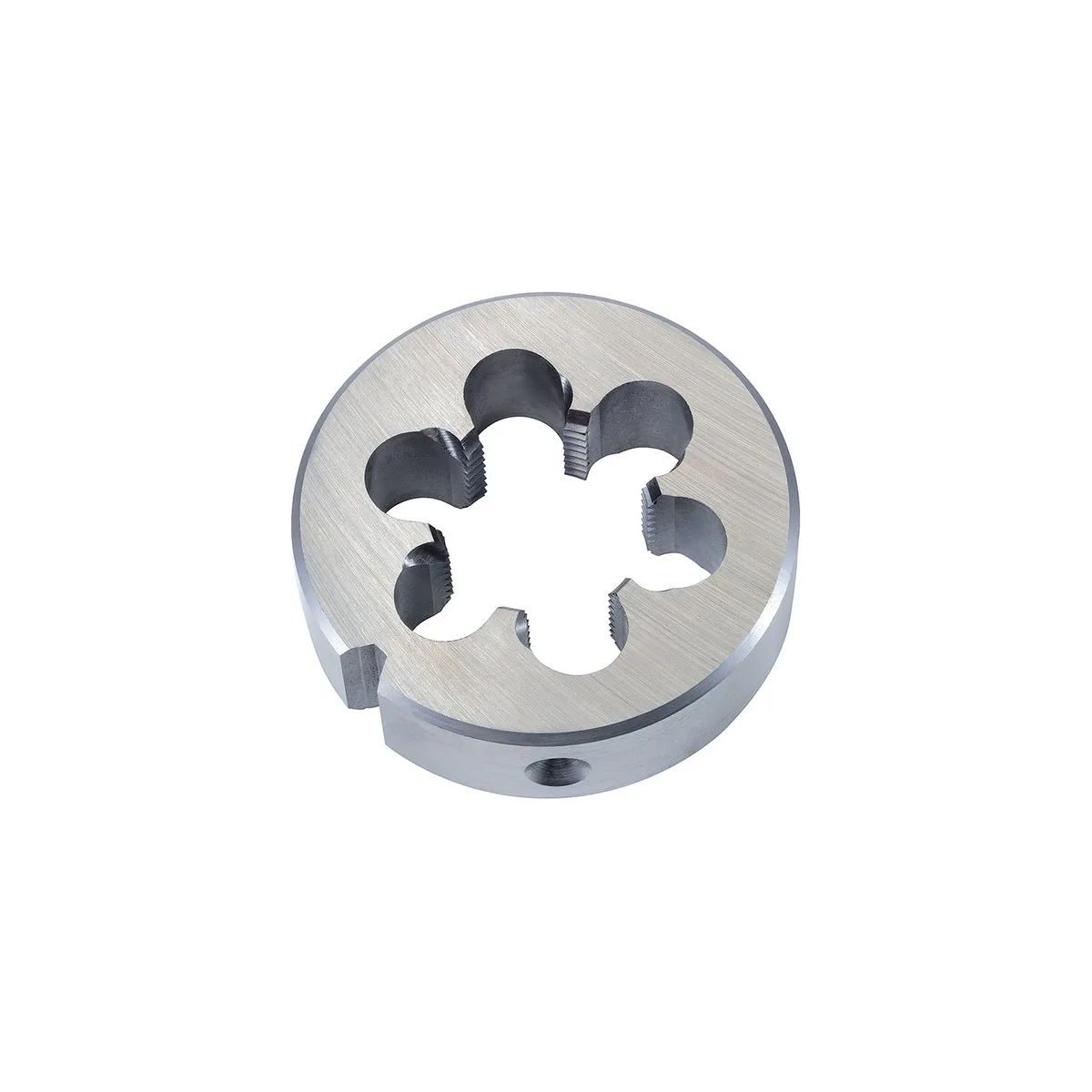
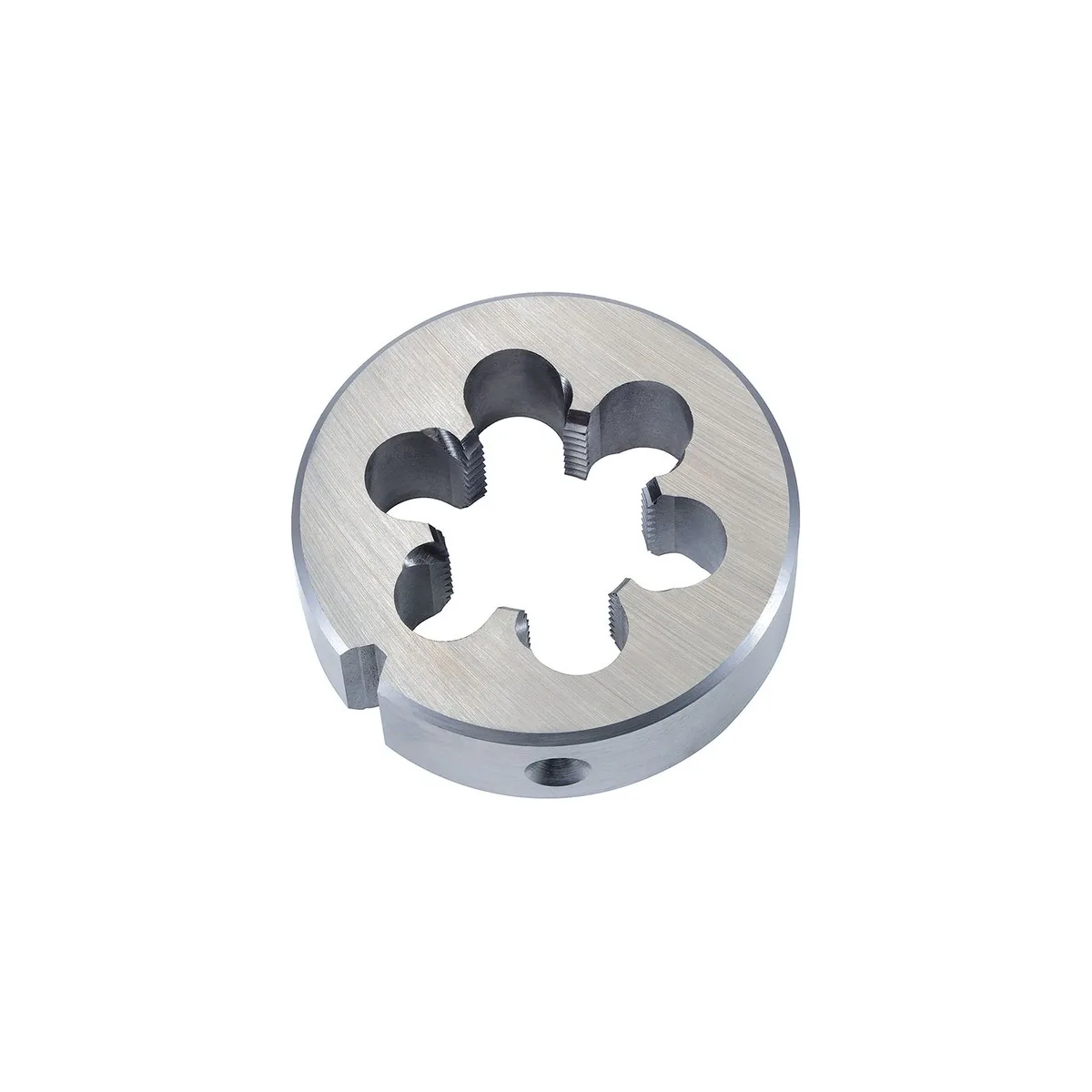
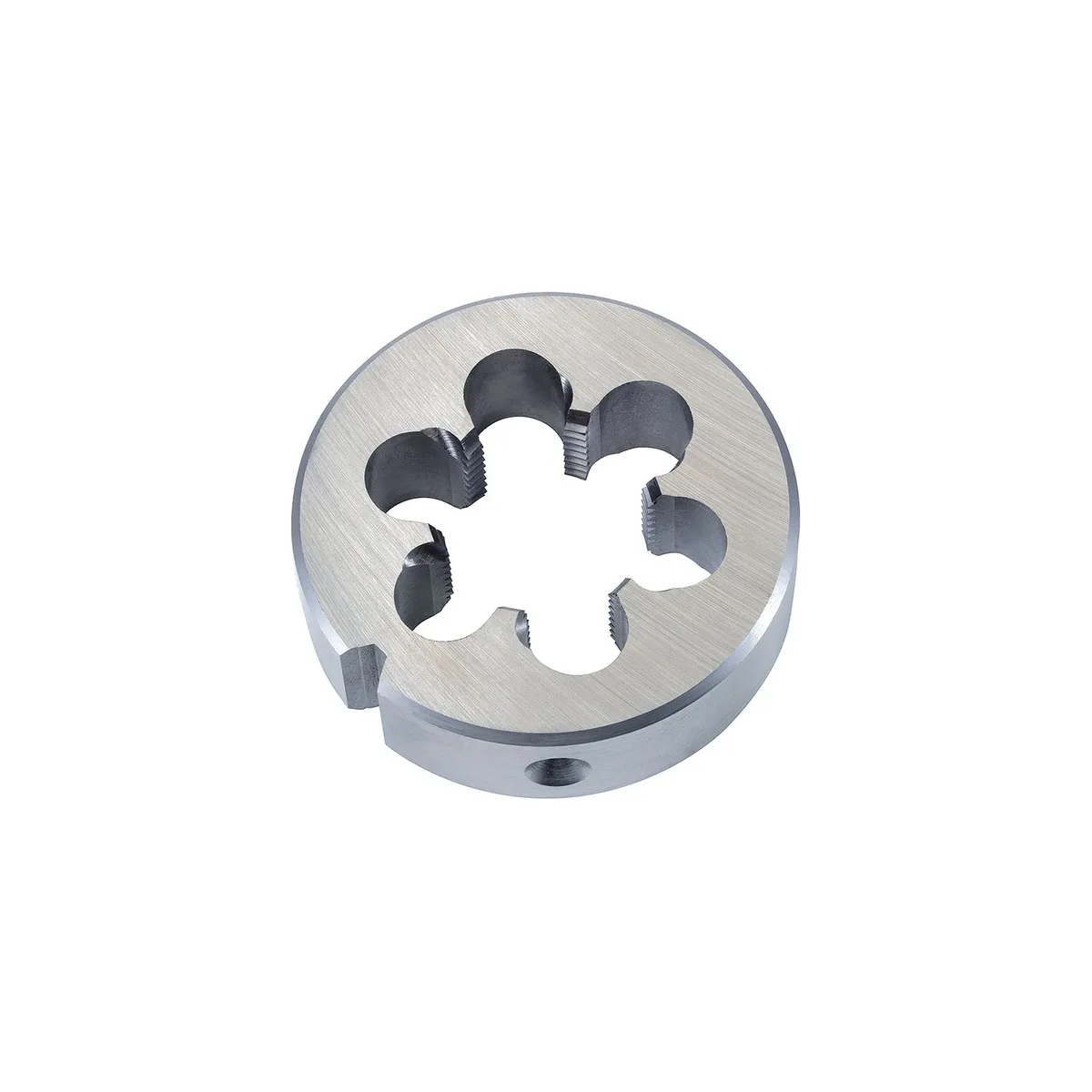
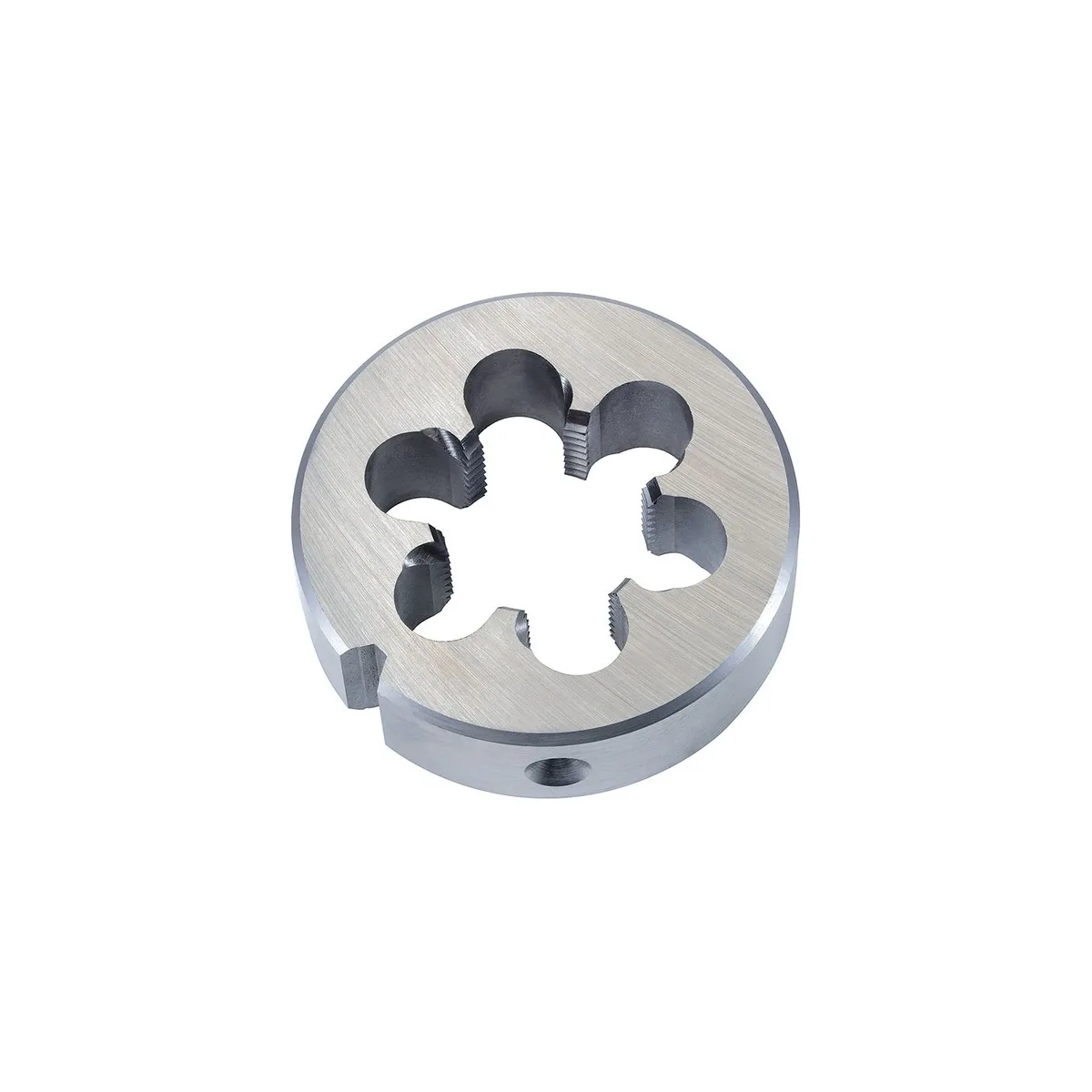
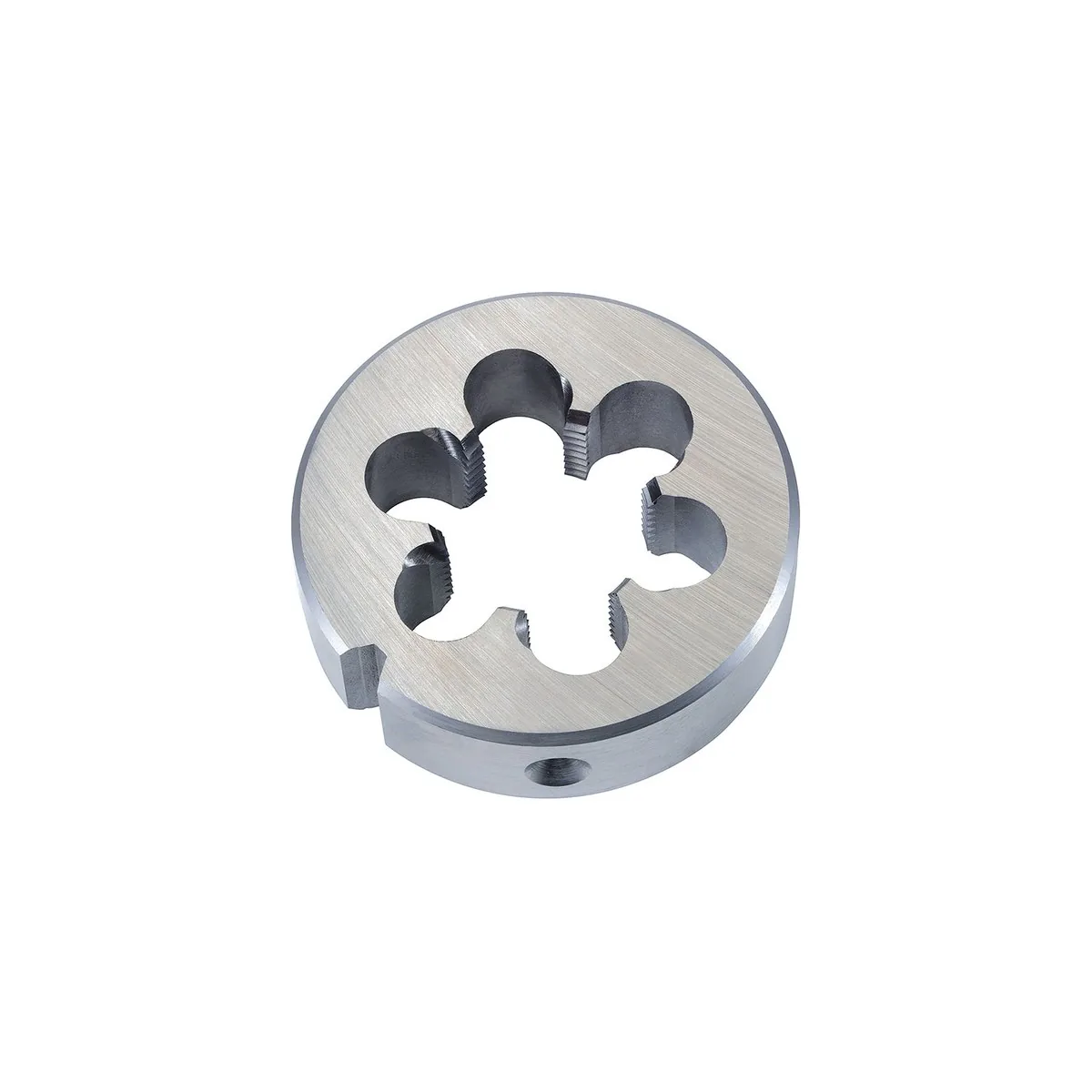
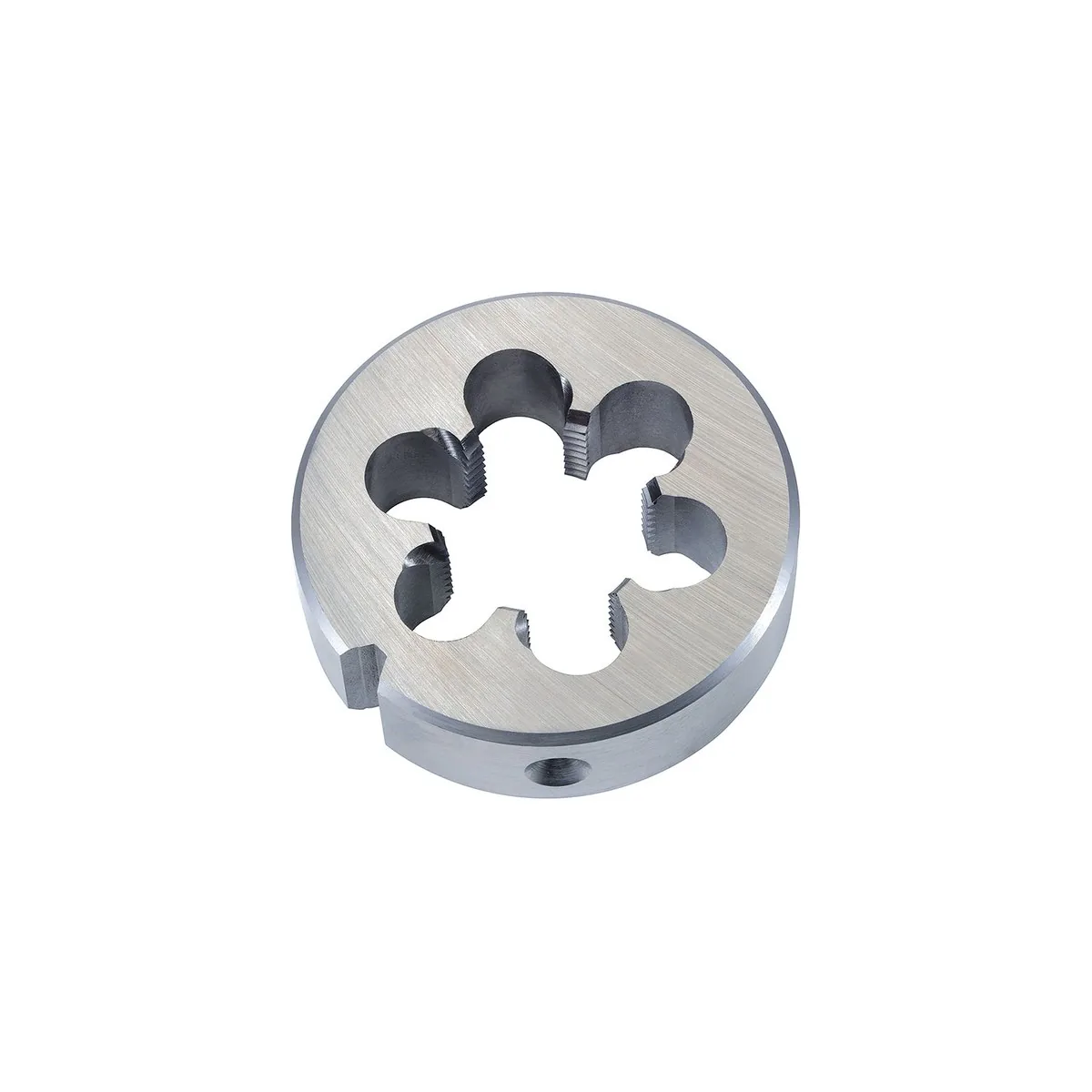
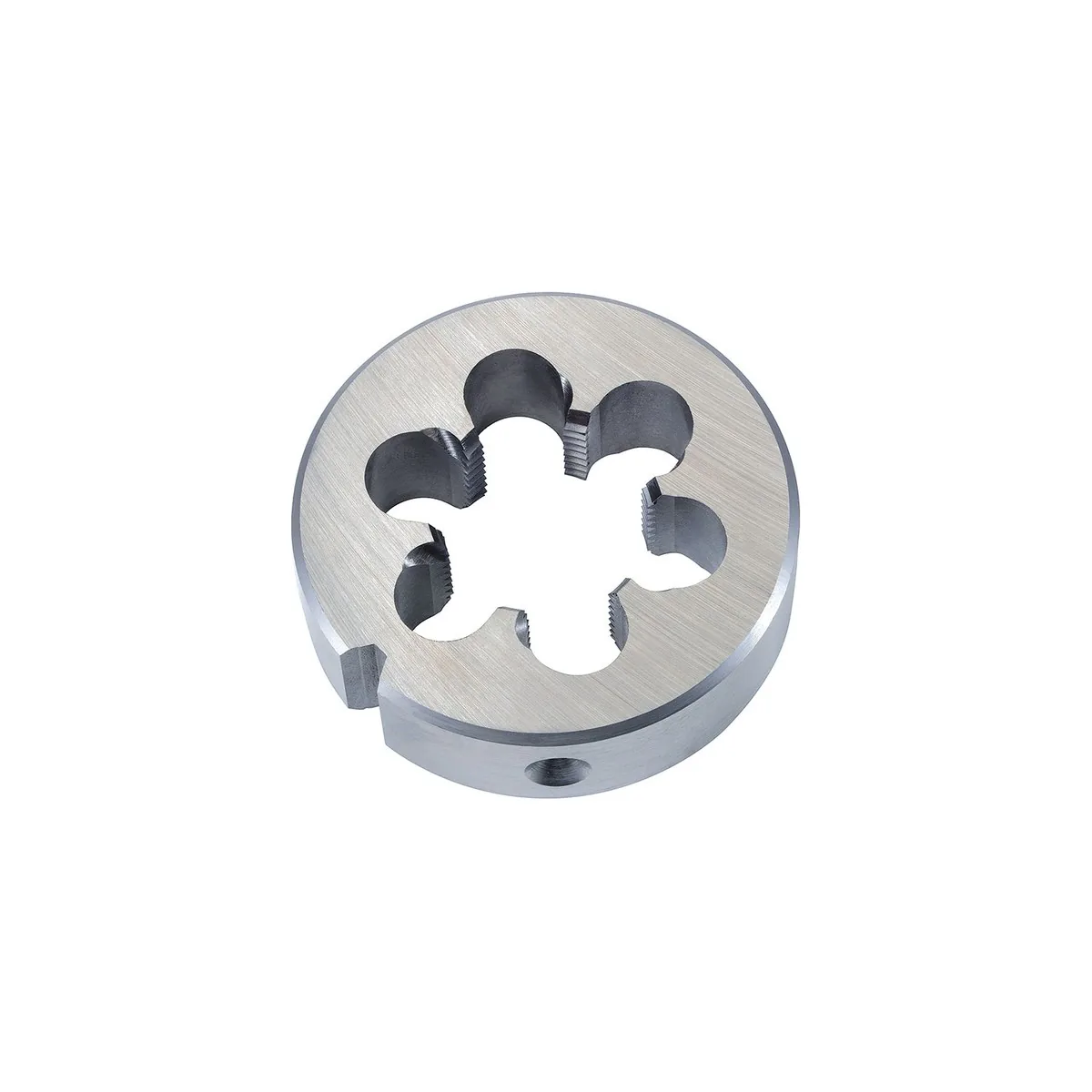
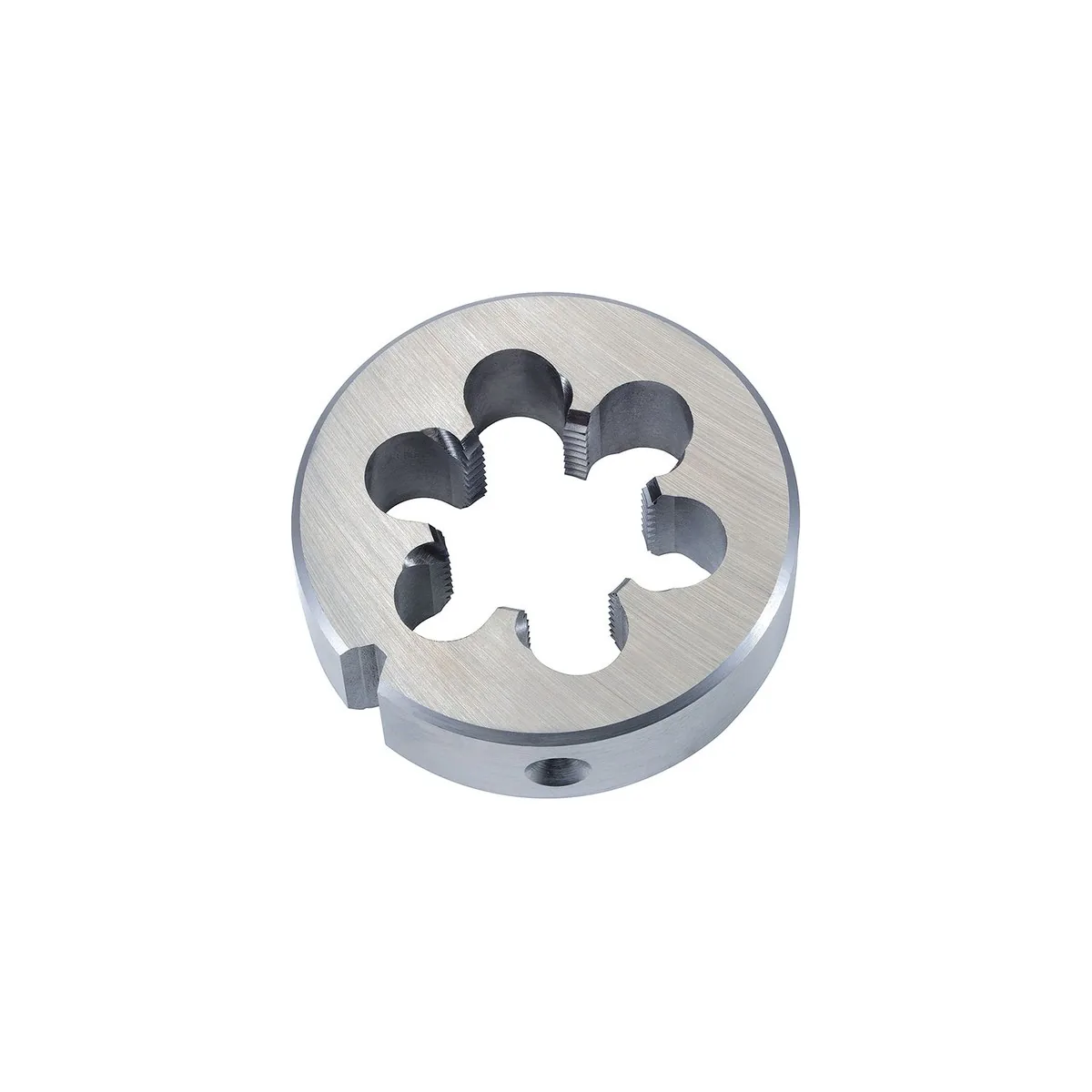
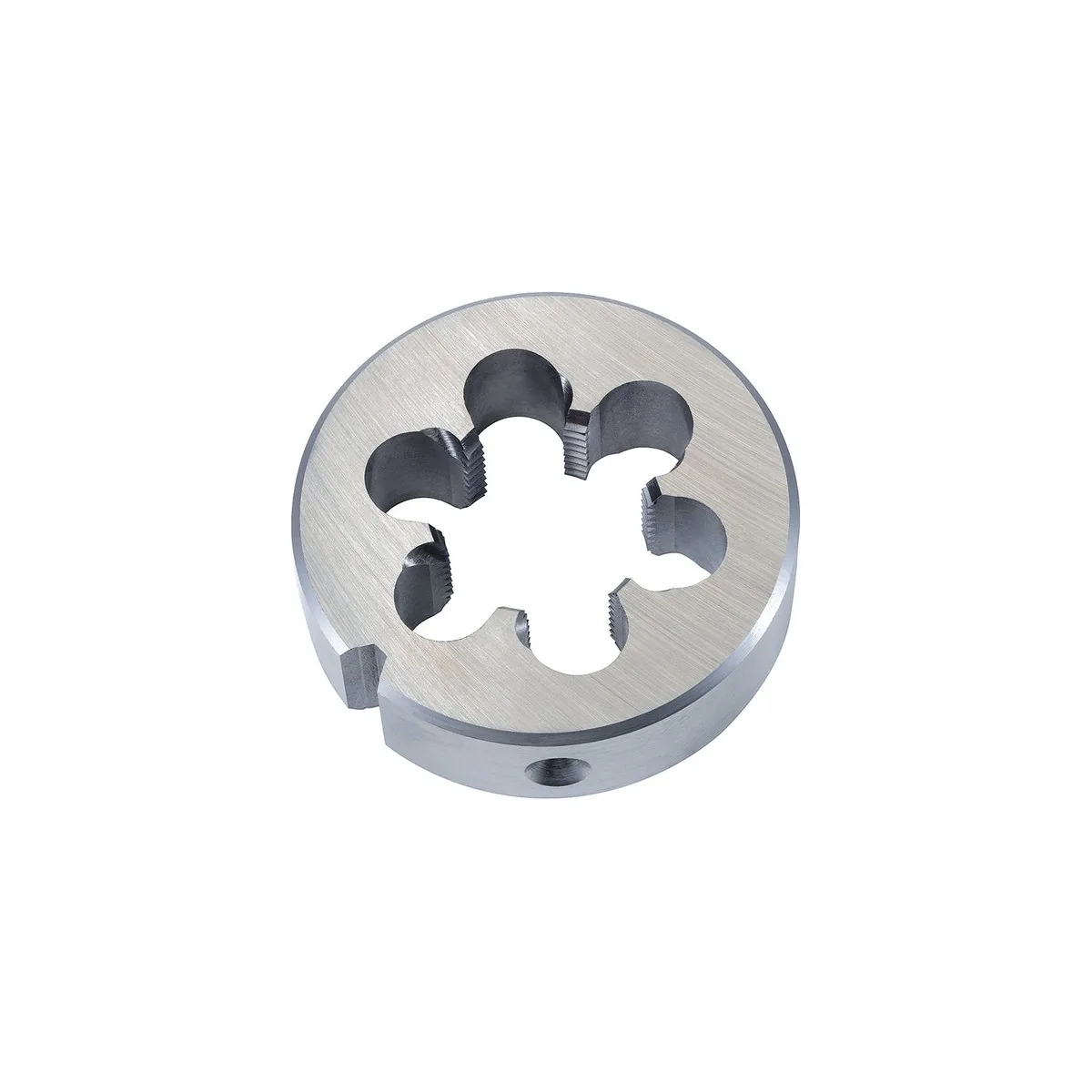
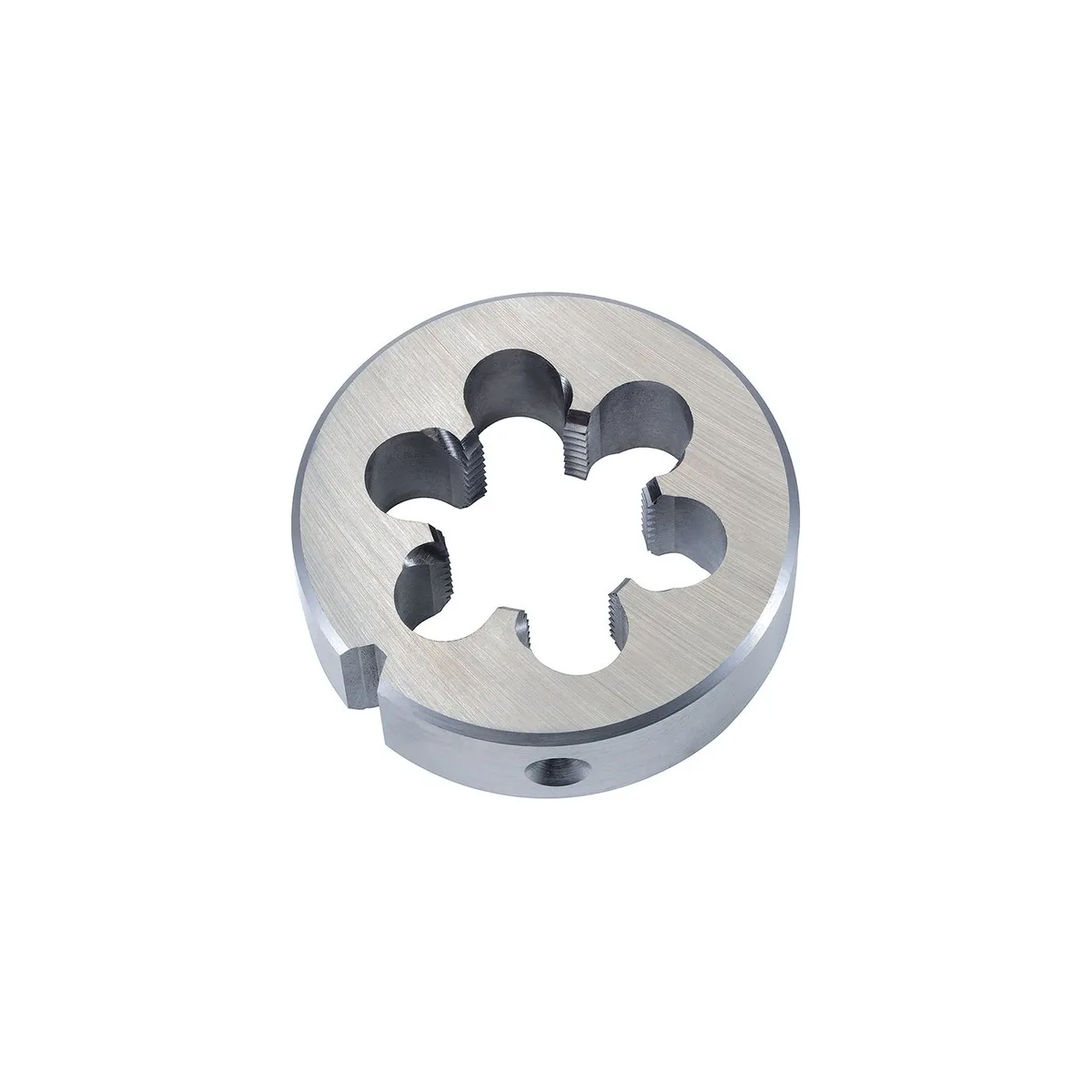
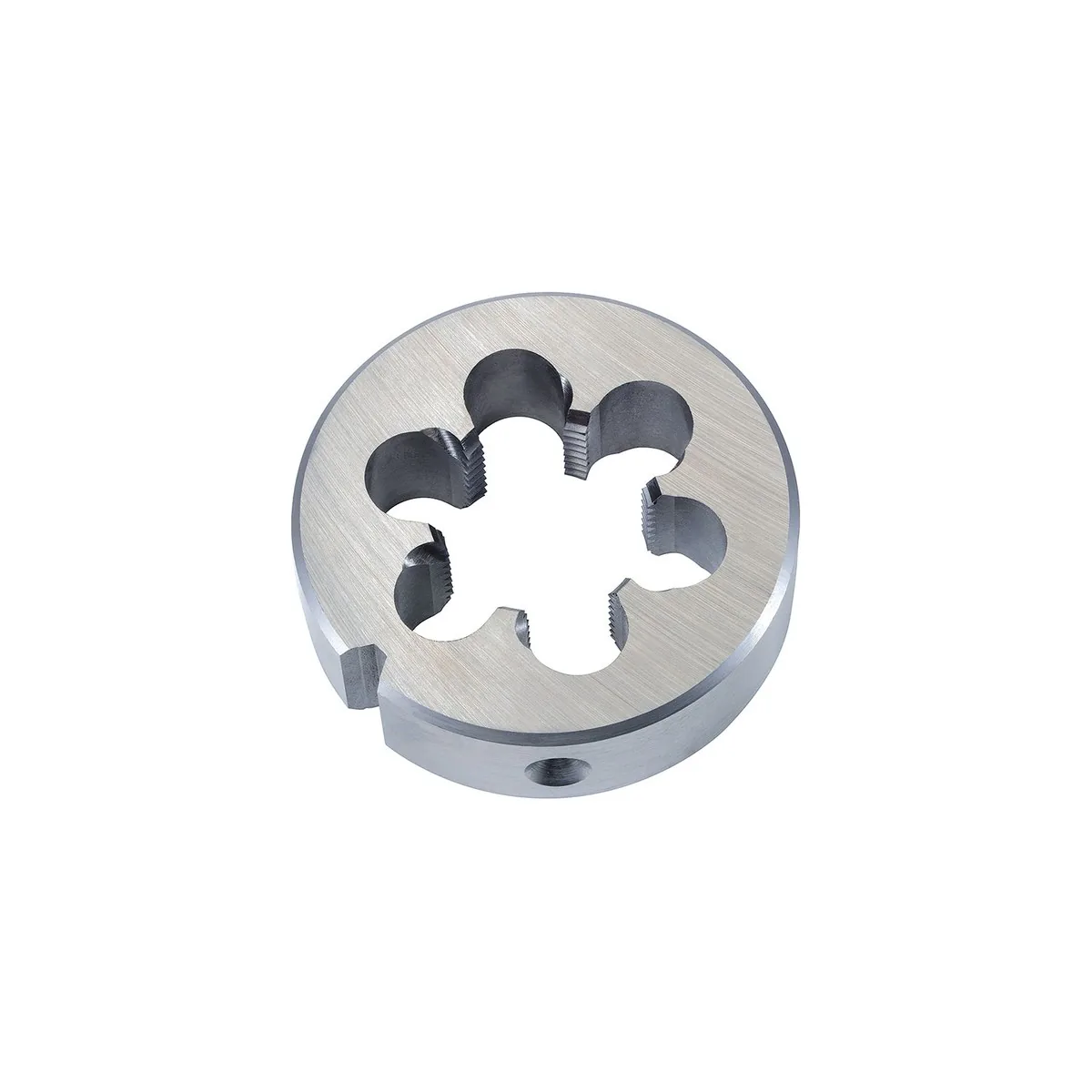
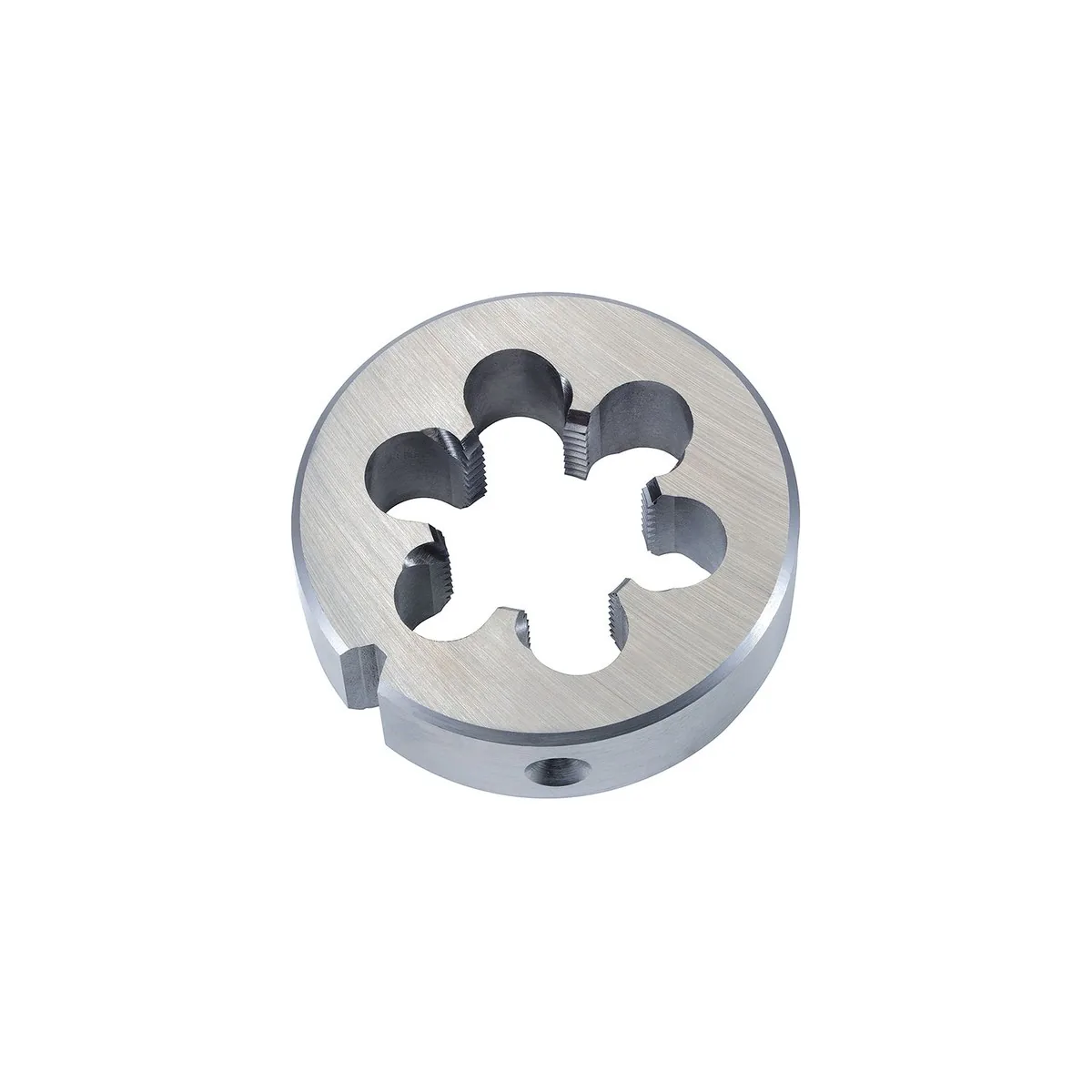
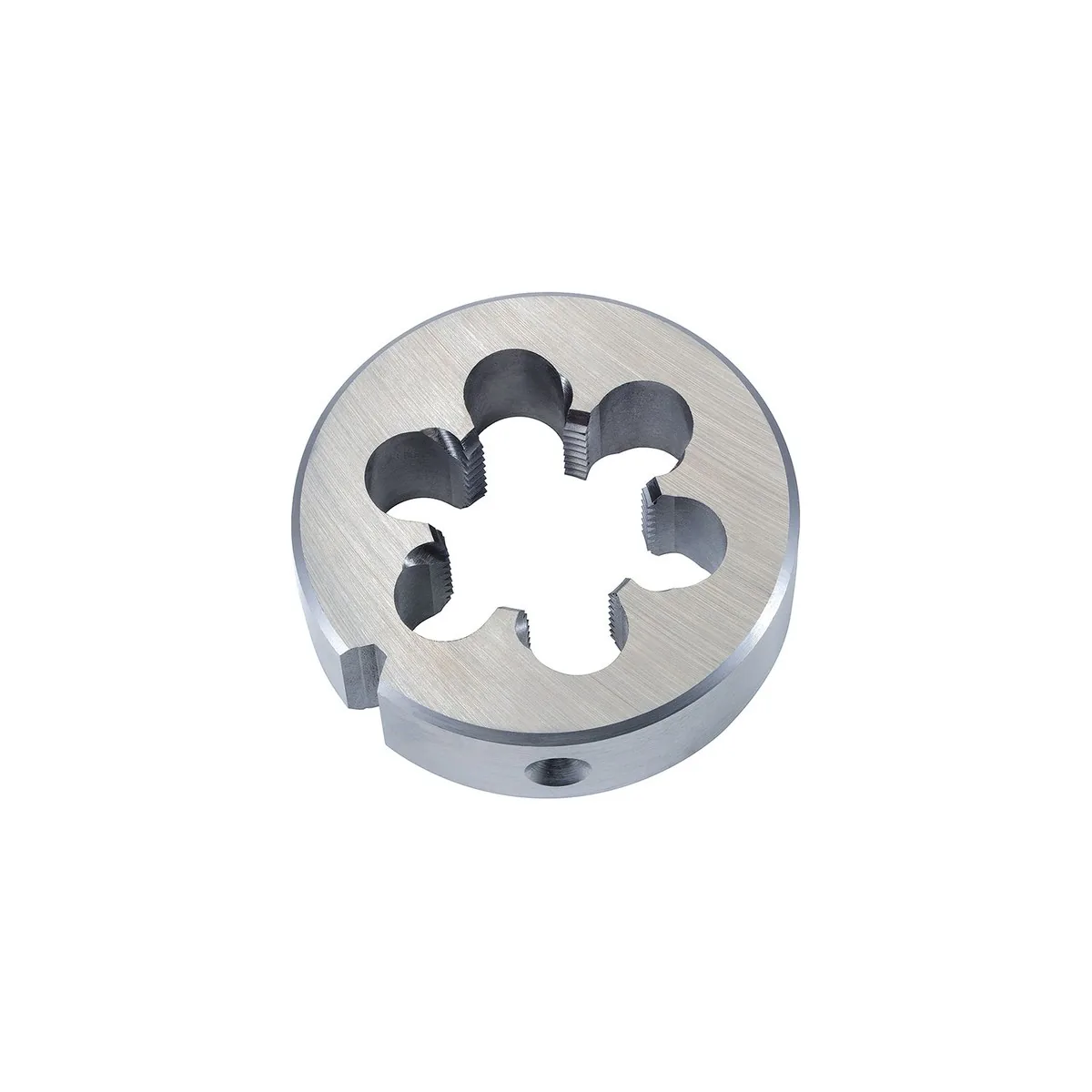
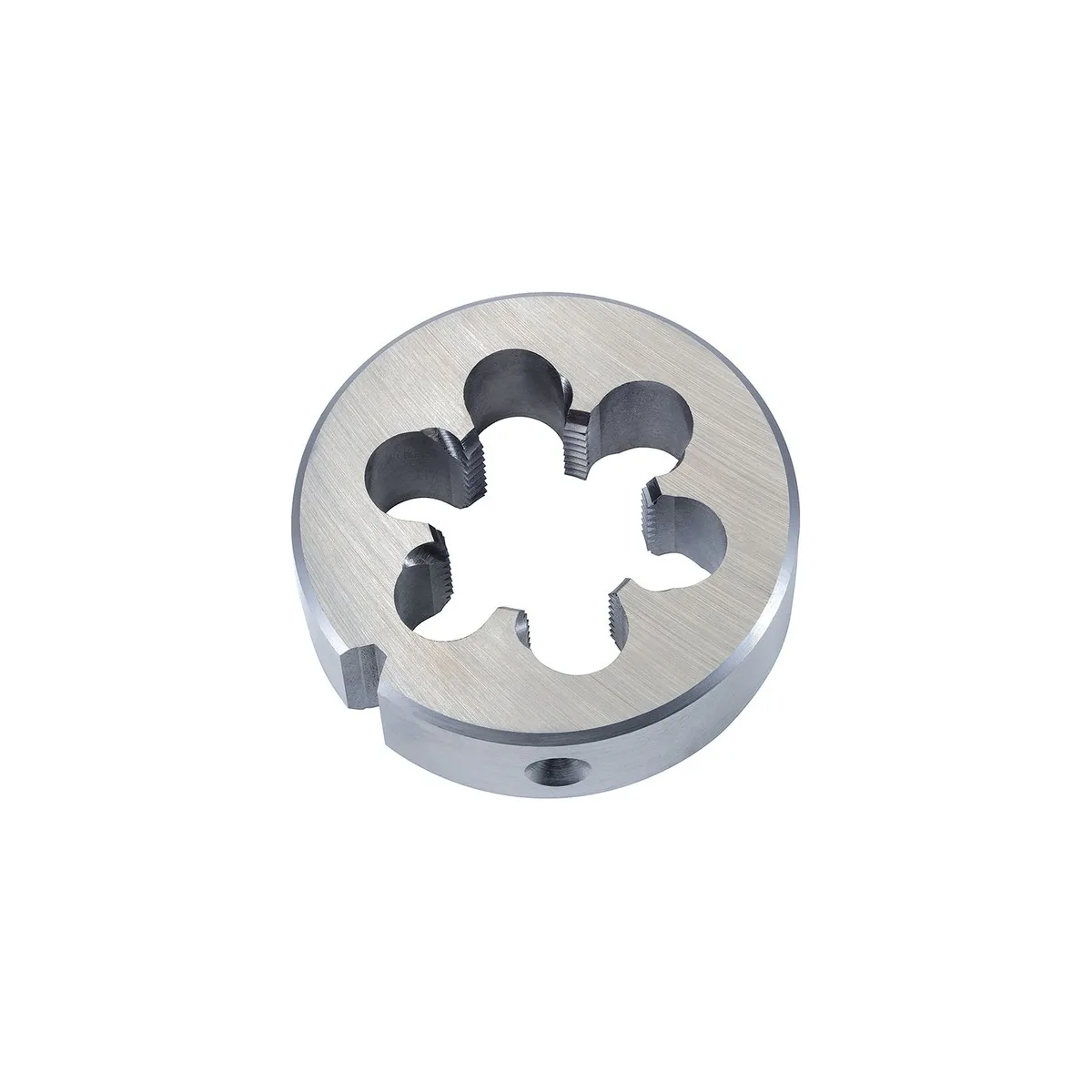
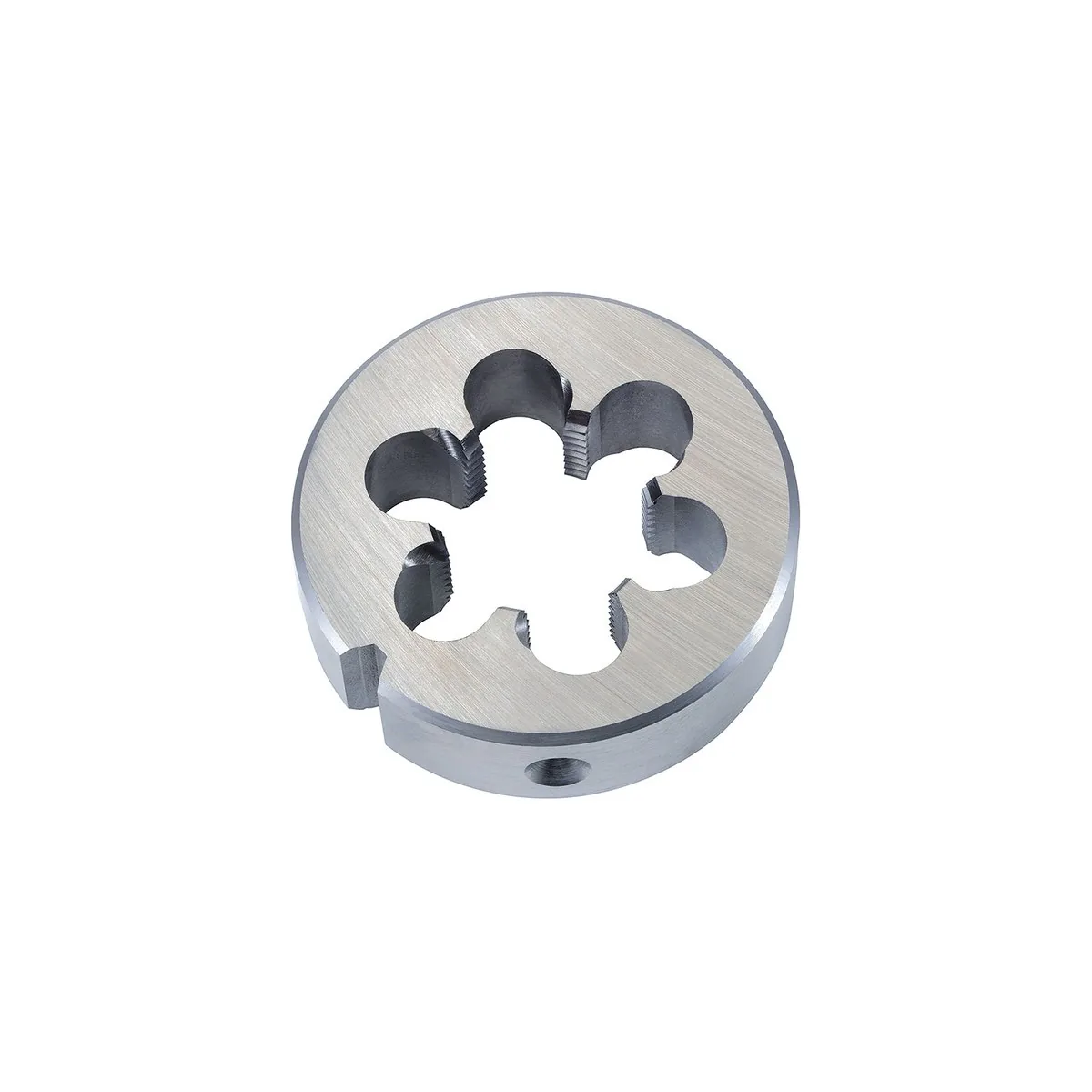
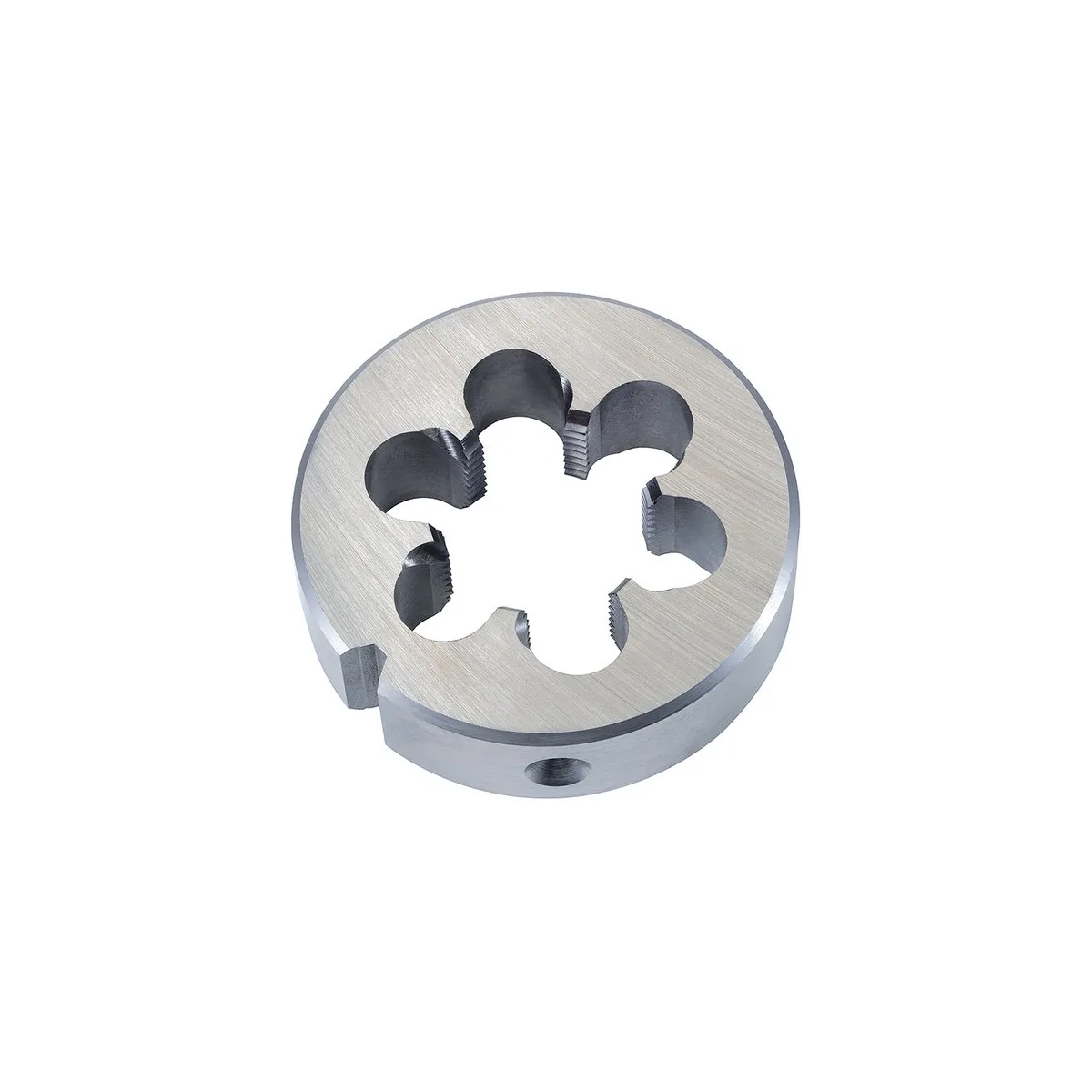
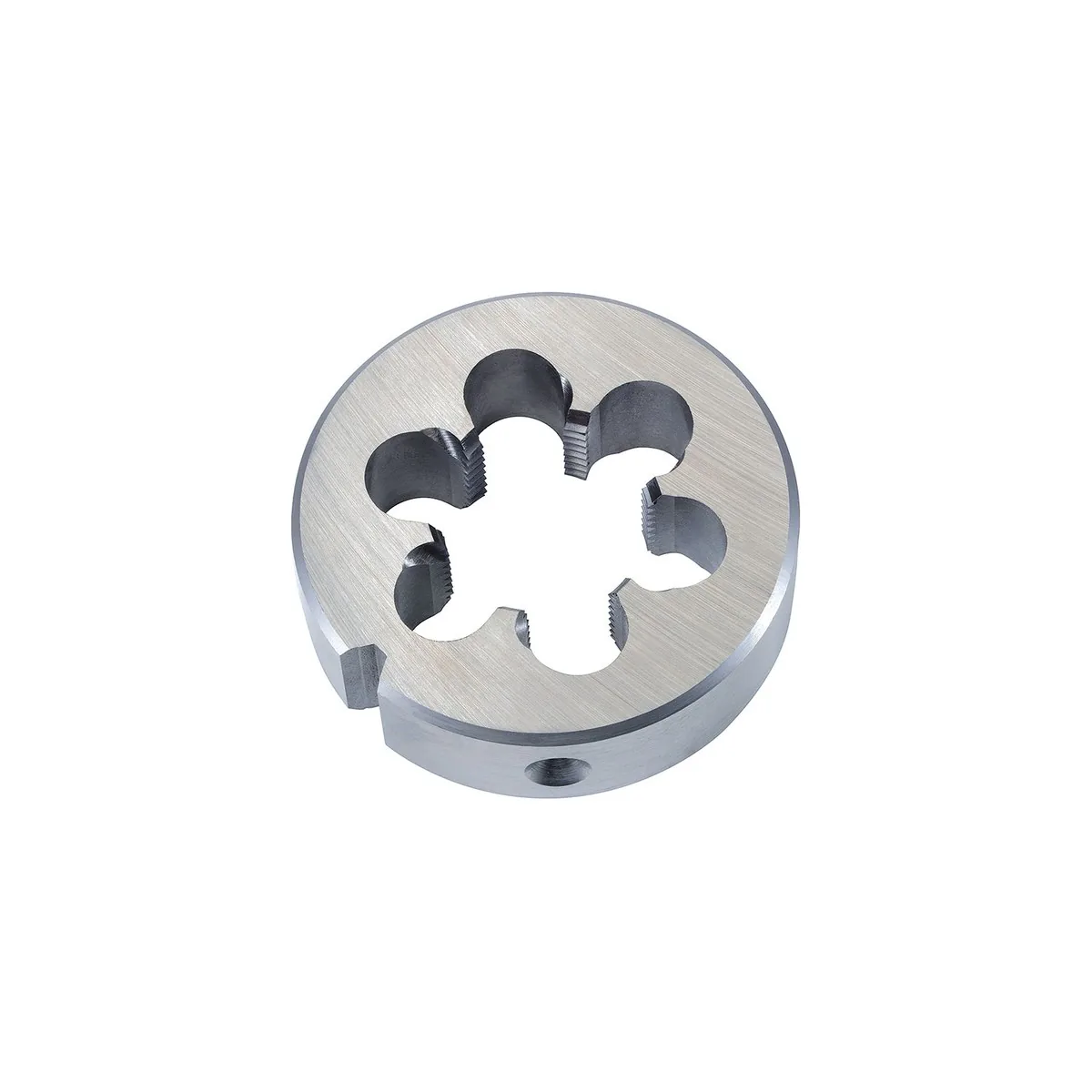
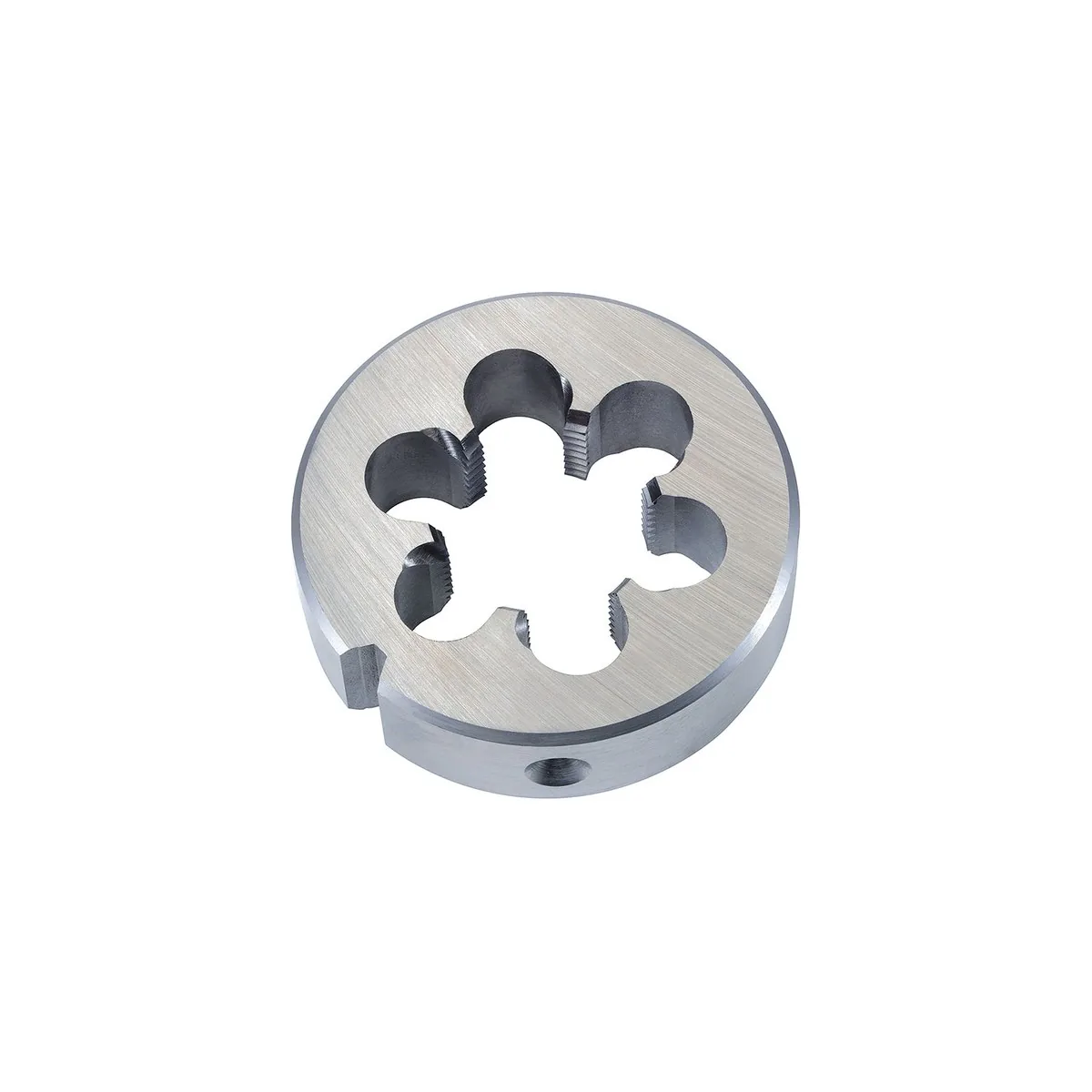
Bàn ren ngoài (tạo ren ngoài) cho đồng DIN 223 (DIN EN 22568) HSS - M 9 x 0.5 VÖLKEL, mã 56218, phù hợp cho gia công ren ngoài.

Bàn ren ngoài (tạo ren ngoài) cho đồng DIN 223 (DIN EN 22568) HSS - M 9 x 0.5 supports controlled cắt ren when you select it by thread system and apply it in a stable, guided setup. It fits typical shop workflows in machine building, service, and metal fabrication.
M denotes an ISO metric thread, common in mechanical engineering where metric drawings and tolerances are used. DIN 223 / DIN EN 22568 indicates the referenced standard family or tool standard named in the product designation.
Lưu ý Clean threads and tools before use, apply suitable lubrication for cutting operations, and stop if resistance rises sharply.
Do you need help selecting or using the product?
Use the biểu mẫu liên hệ.
| Loại ren | metric-fine ISO-thread |
|---|---|
| Tiêu chuẩn | DIN 223 (DIN EN 22568) |
| Form | solid version (Form B) for brass |
| Vật liệu | HSS |
| Tolerance | 6g |
| Kích thước | M 9 x 0.5 |
| Outer diameter | 25.0 mm |
| EAN | 4022835562184 |
| Mã hàng | 56218 |
| Chuẩn ren | DIN 13 |
| Rec. Bolt diameter | 8.93 mm |