Áo sơ mi chạy bộ
 Bộ mũi khoan
 taro
Bộ mũi khoét
Bộ mũi khoan
Bộ mũi khoan taro
Bộ mũi khoét
 Bộ mũi taro ren trong
 Bộ sửa ren
 Bôi trơn cắt ren
Cặp taro máy + mũi khoan
Bôi trơn cắt ren
Cặp taro máy + mũi khoan
 Dụng cụ bẻ chân ren
 Dưỡng đo ren ngoai
 Dưỡng đo ren trong
Mũi doa vát mép
Mũi khoan kim loại
Dưỡng đo ren trong
Mũi doa vát mép
Mũi khoan kim loại
 Mũi taro cho ren cấy
Mũi taro ren trong
Mũi taro cho ren cấy
Mũi taro ren trong
 Ren cấy V-coil
 Taro ren máy
Taro ren tay
Tay cấy ren
Tay quay bàn ren
Tay quay taro trong
Taro ren máy
Taro ren tay
Tay cấy ren
Tay quay bàn ren
Tay quay taro trong
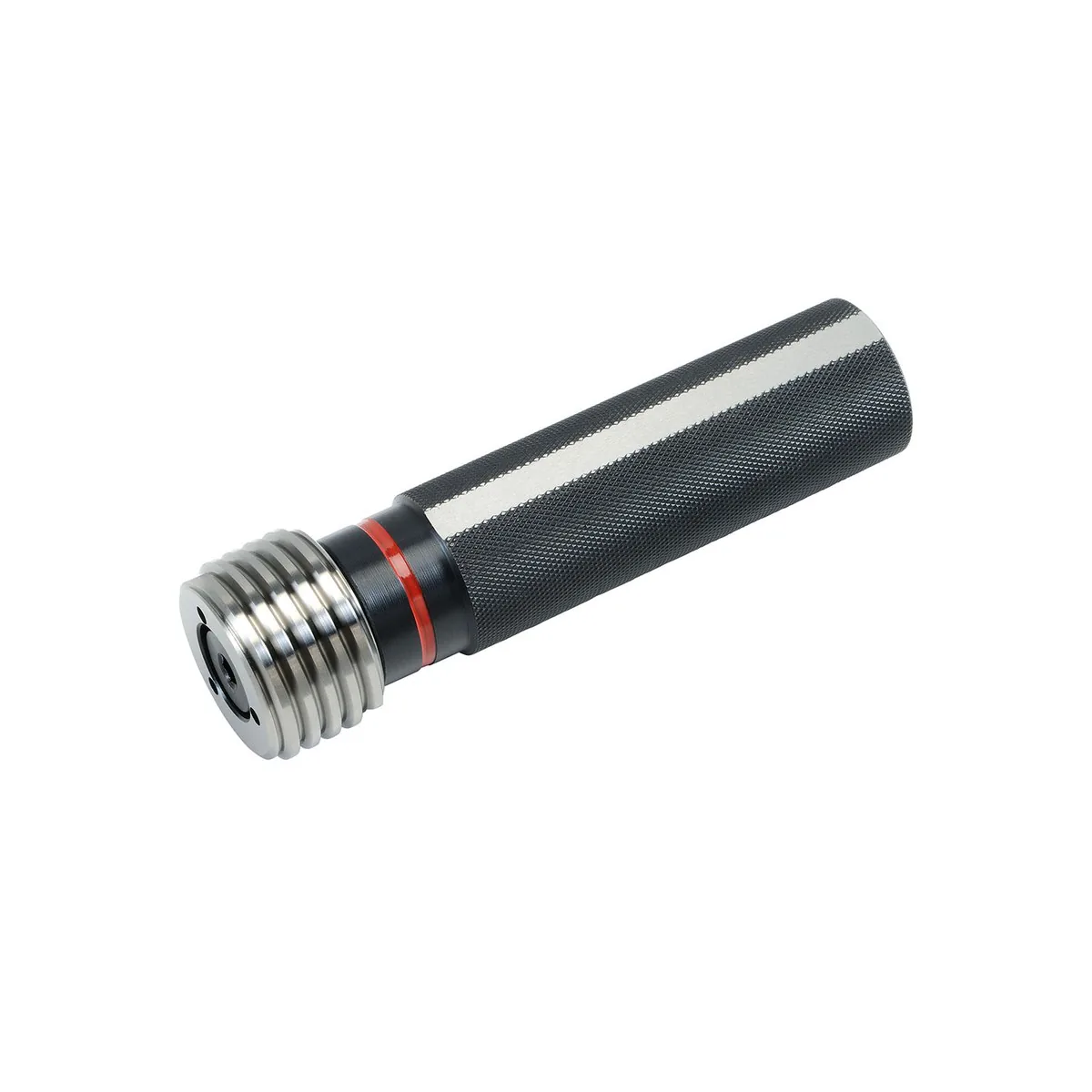
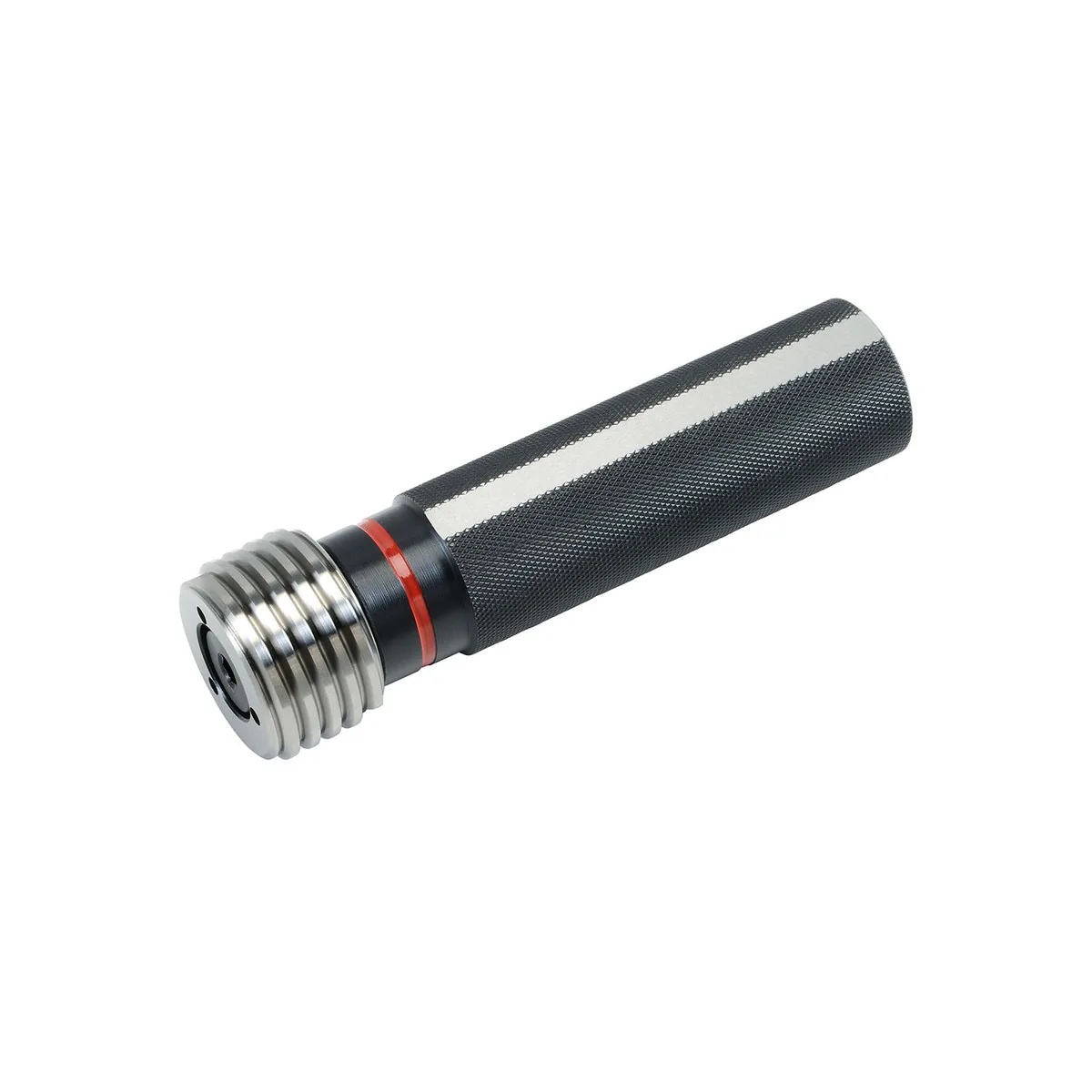
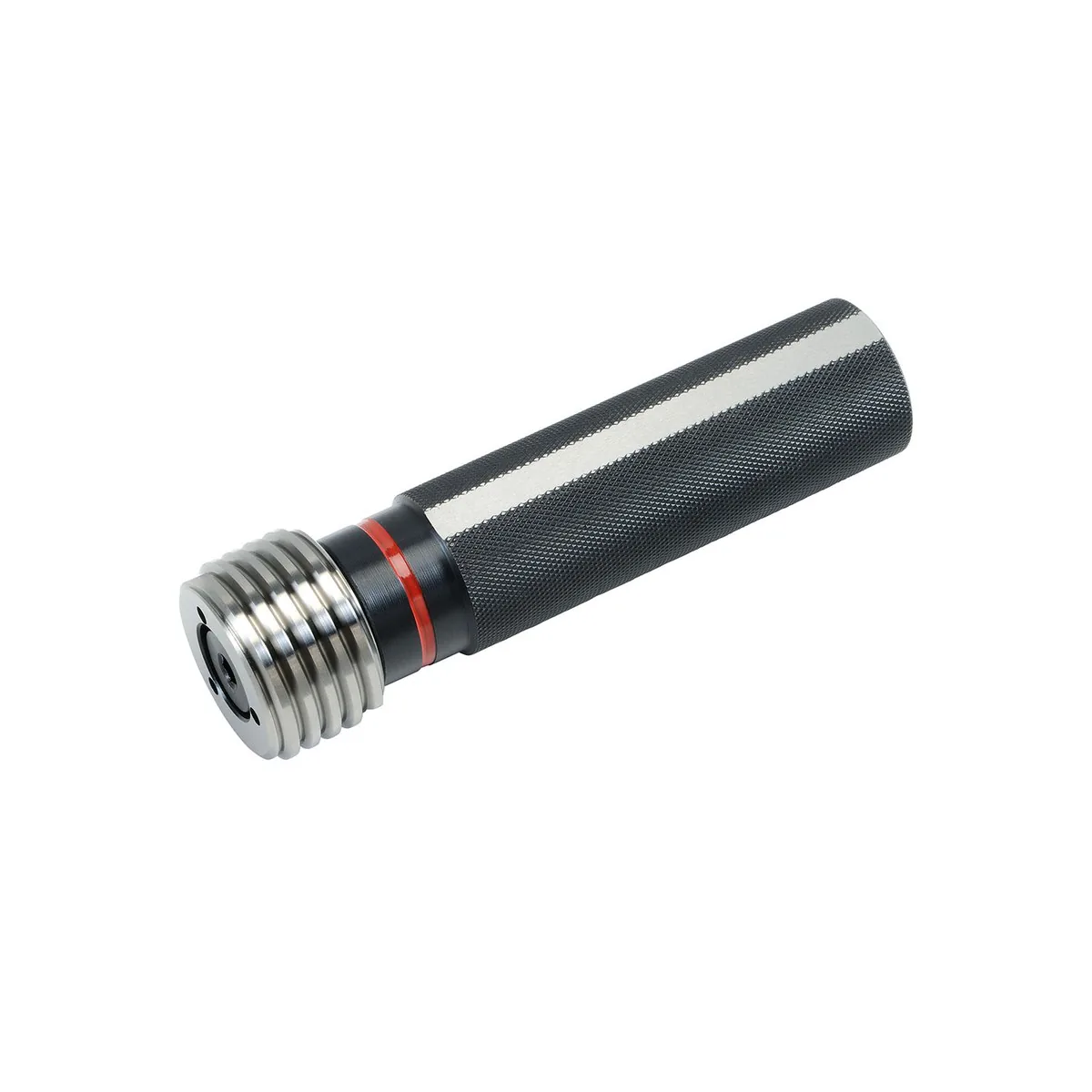
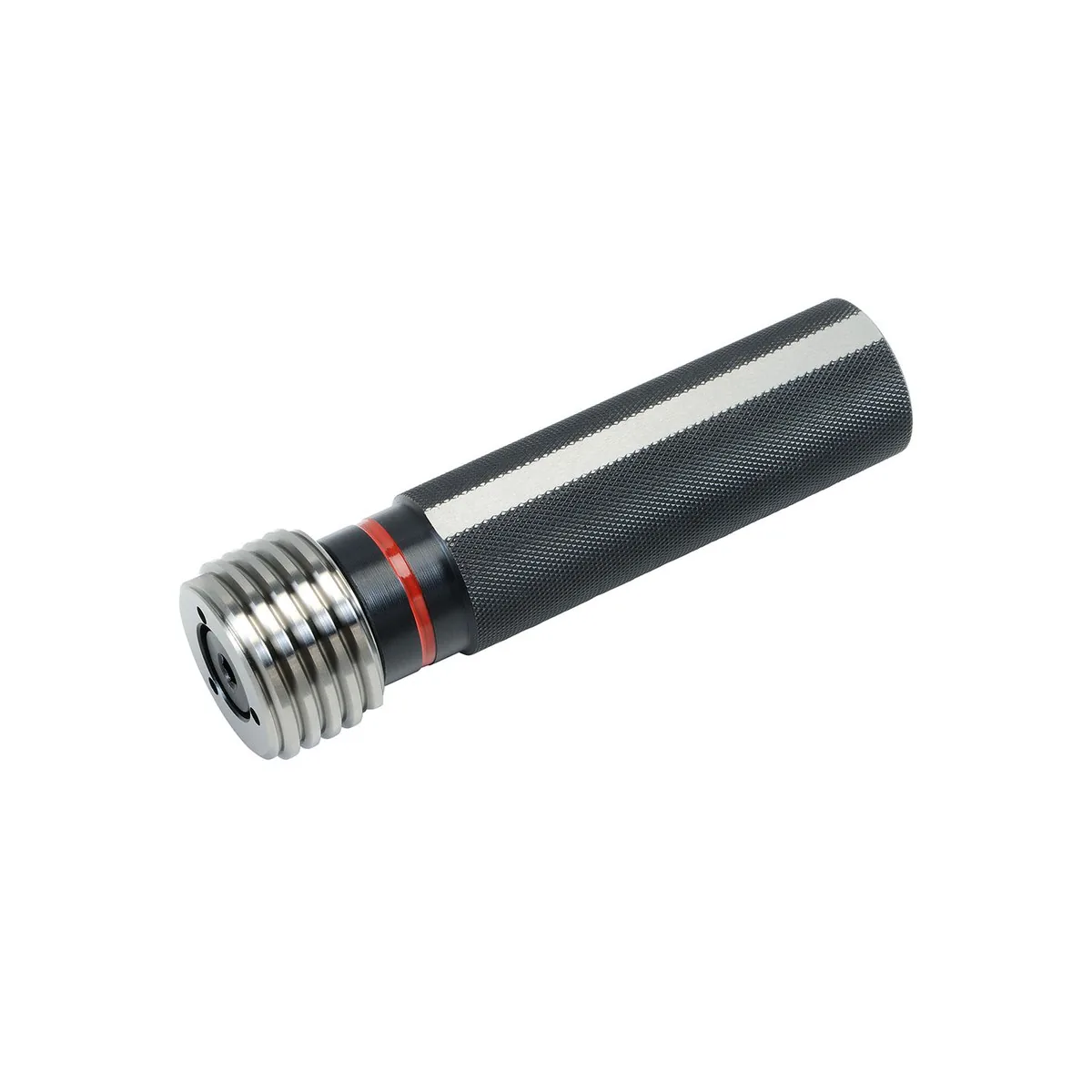
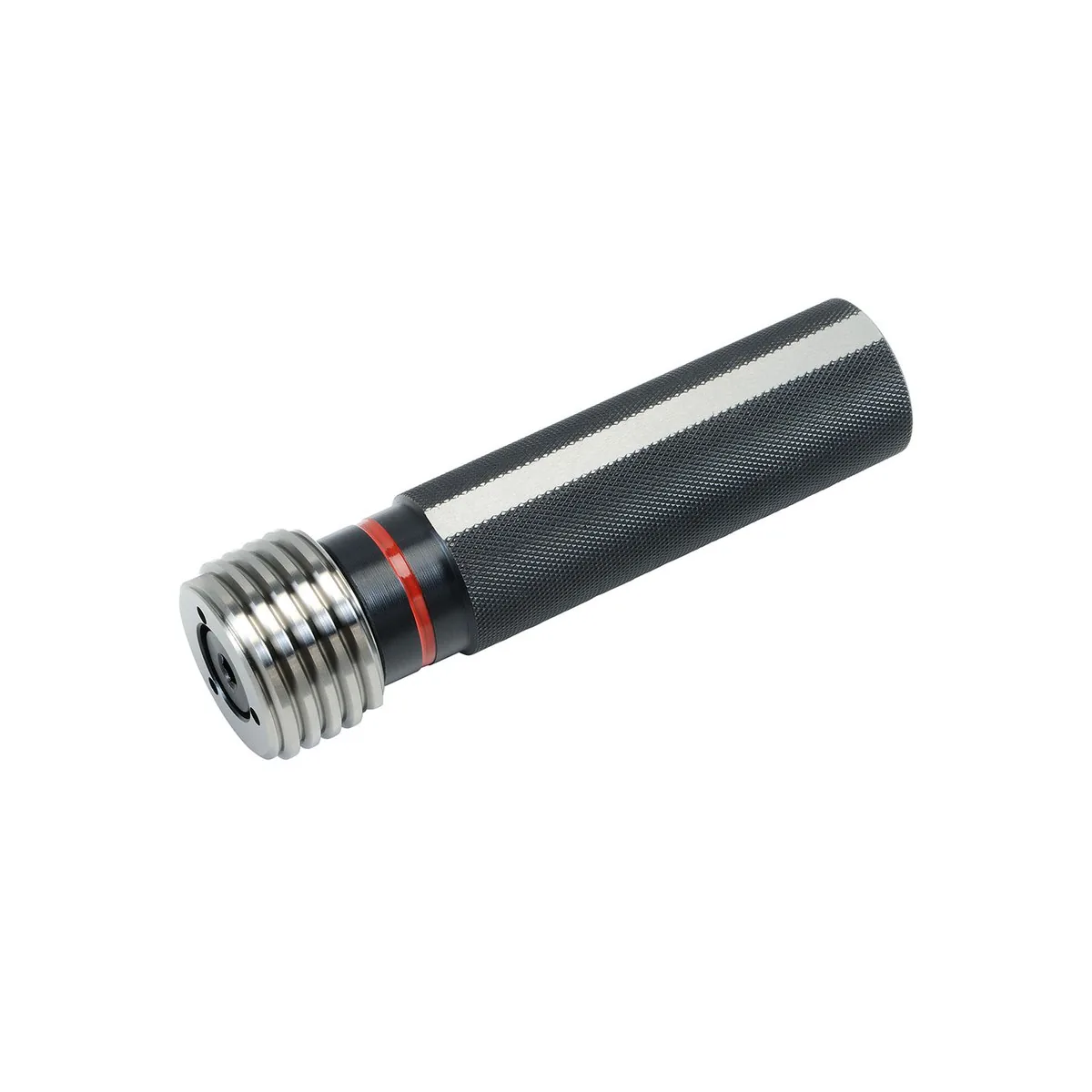
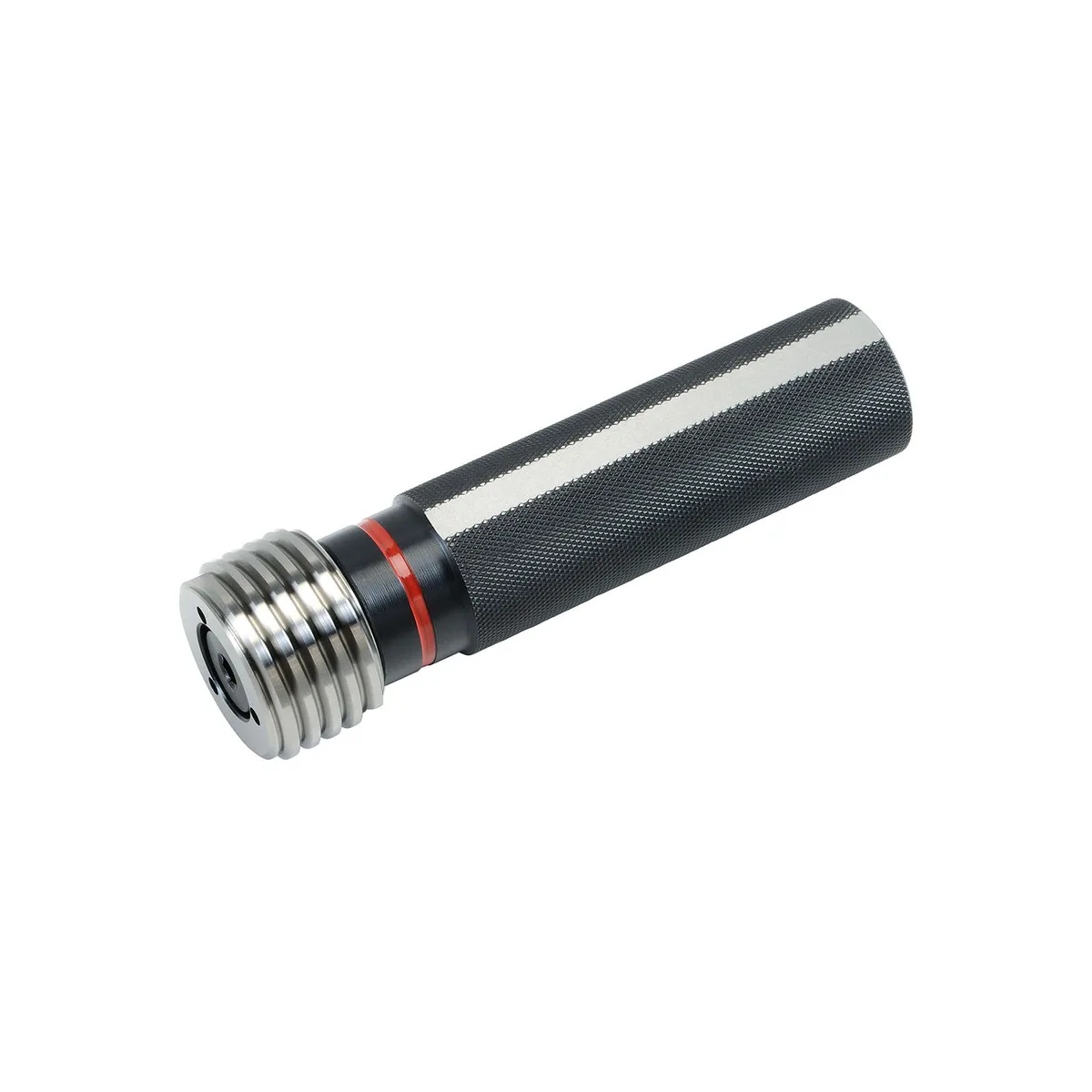
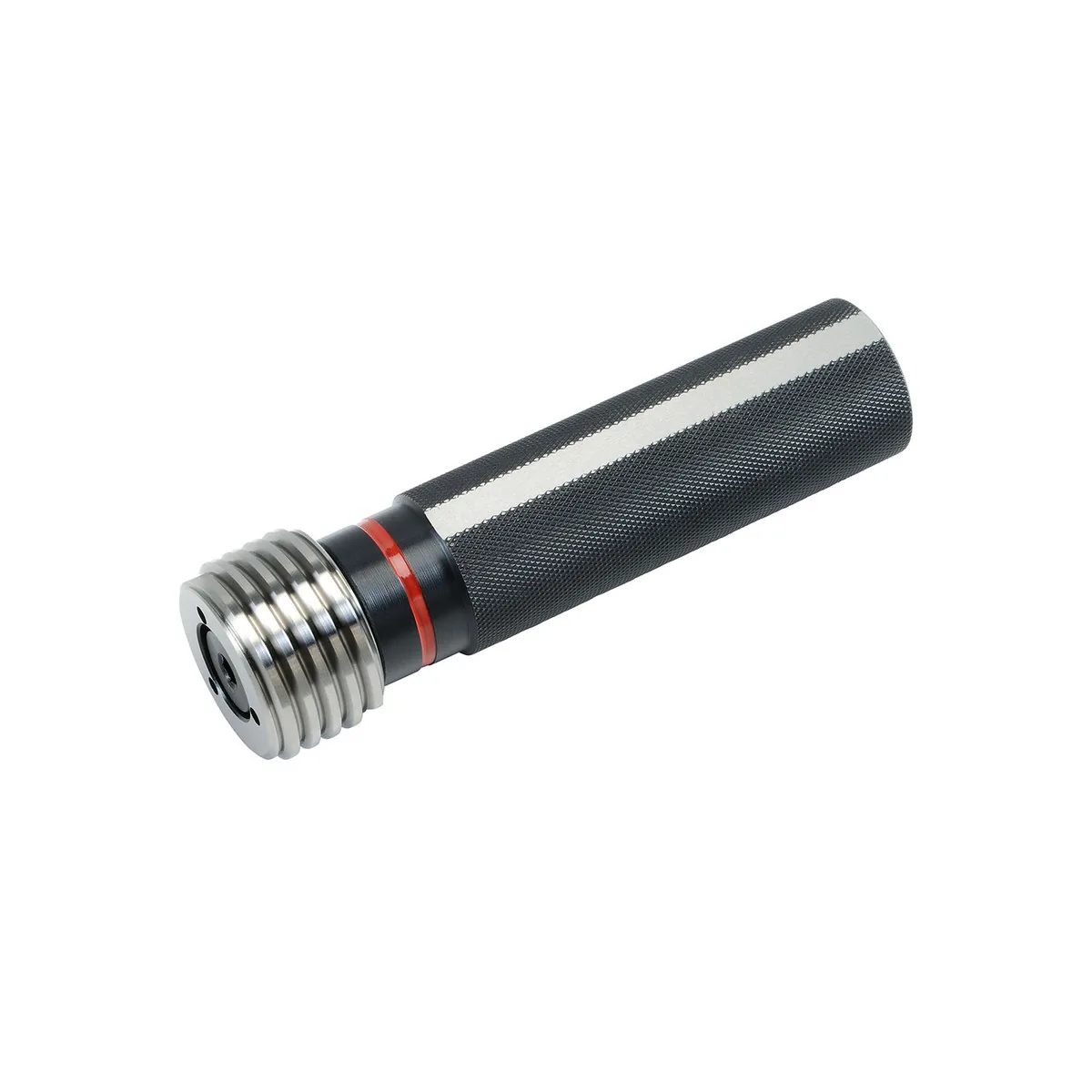
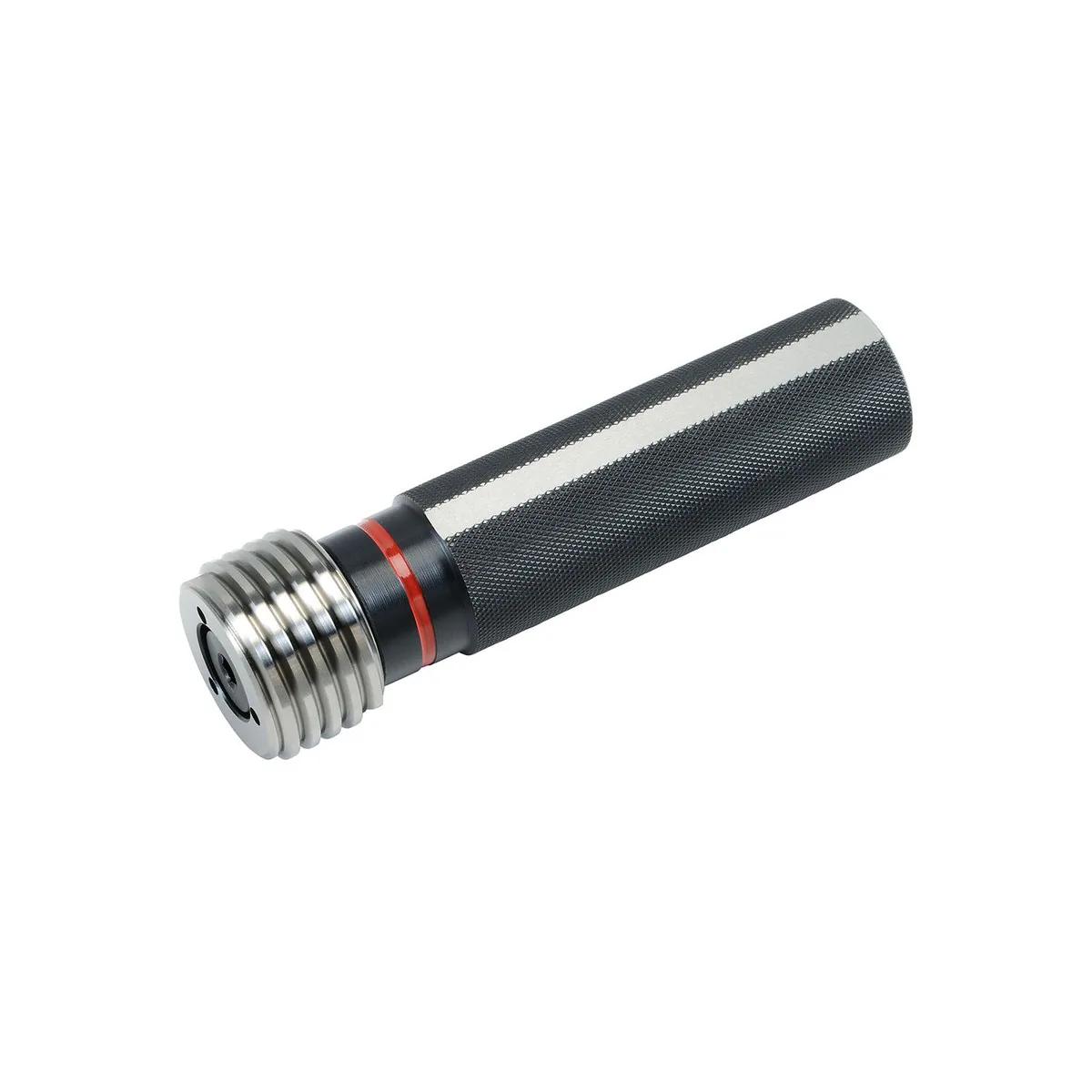
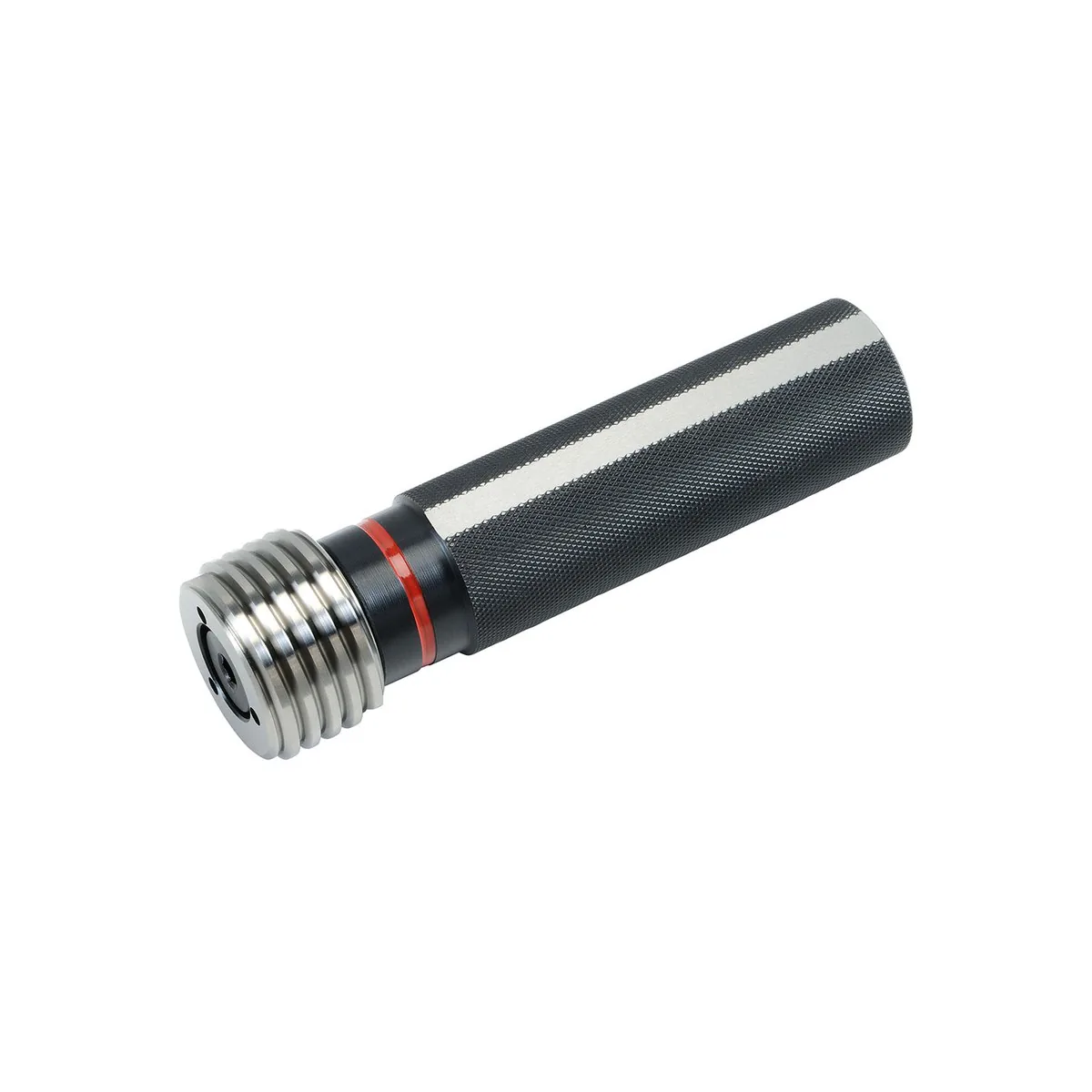
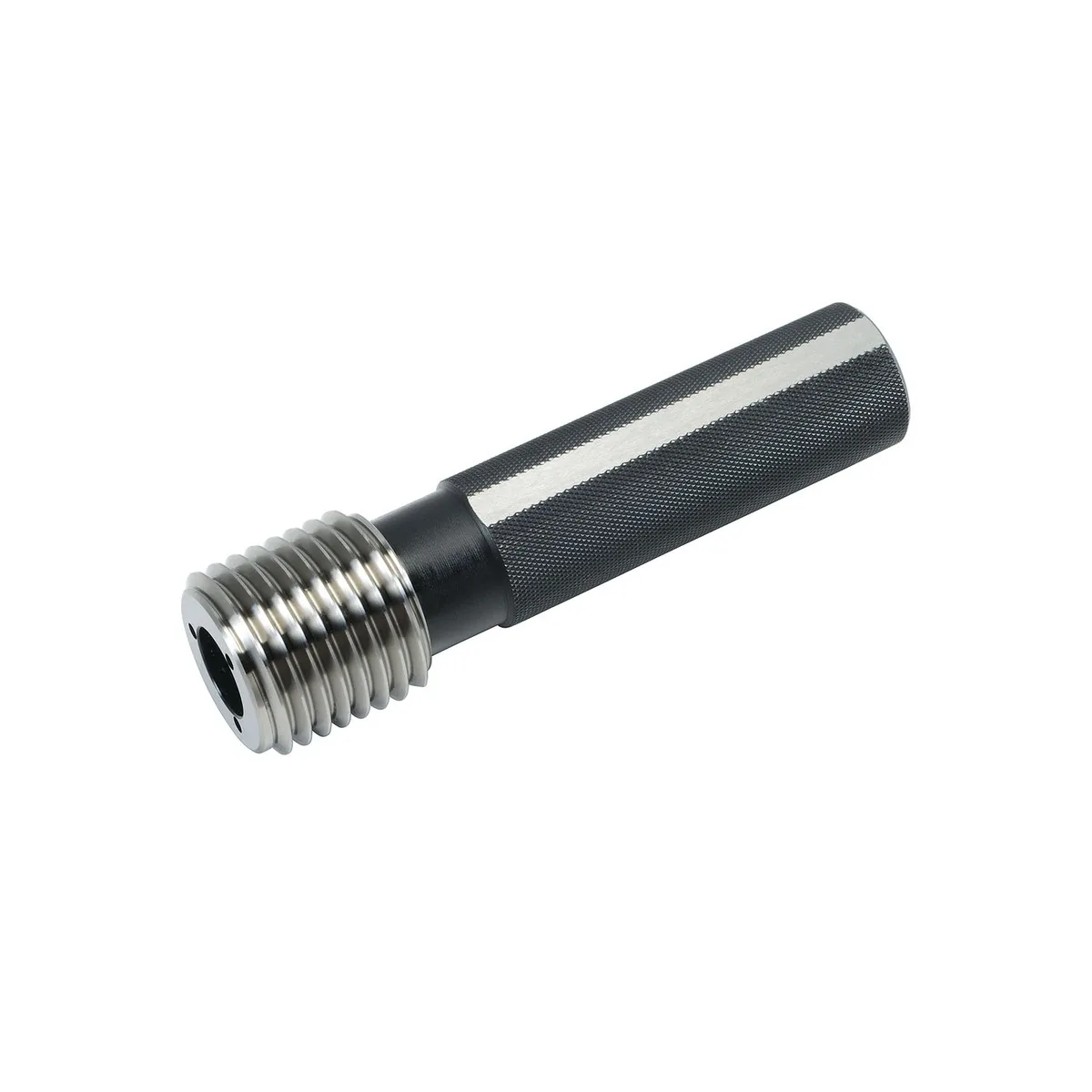
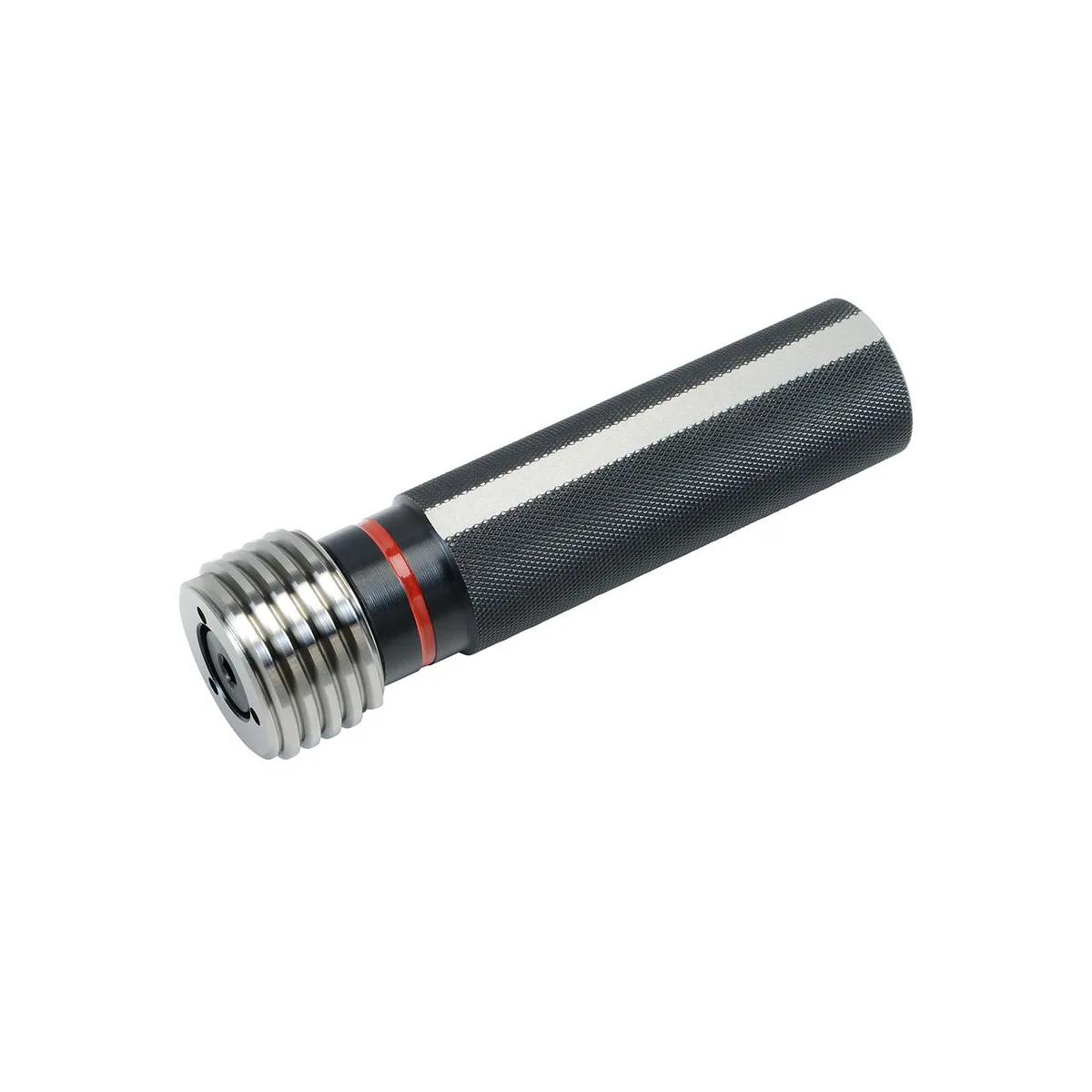
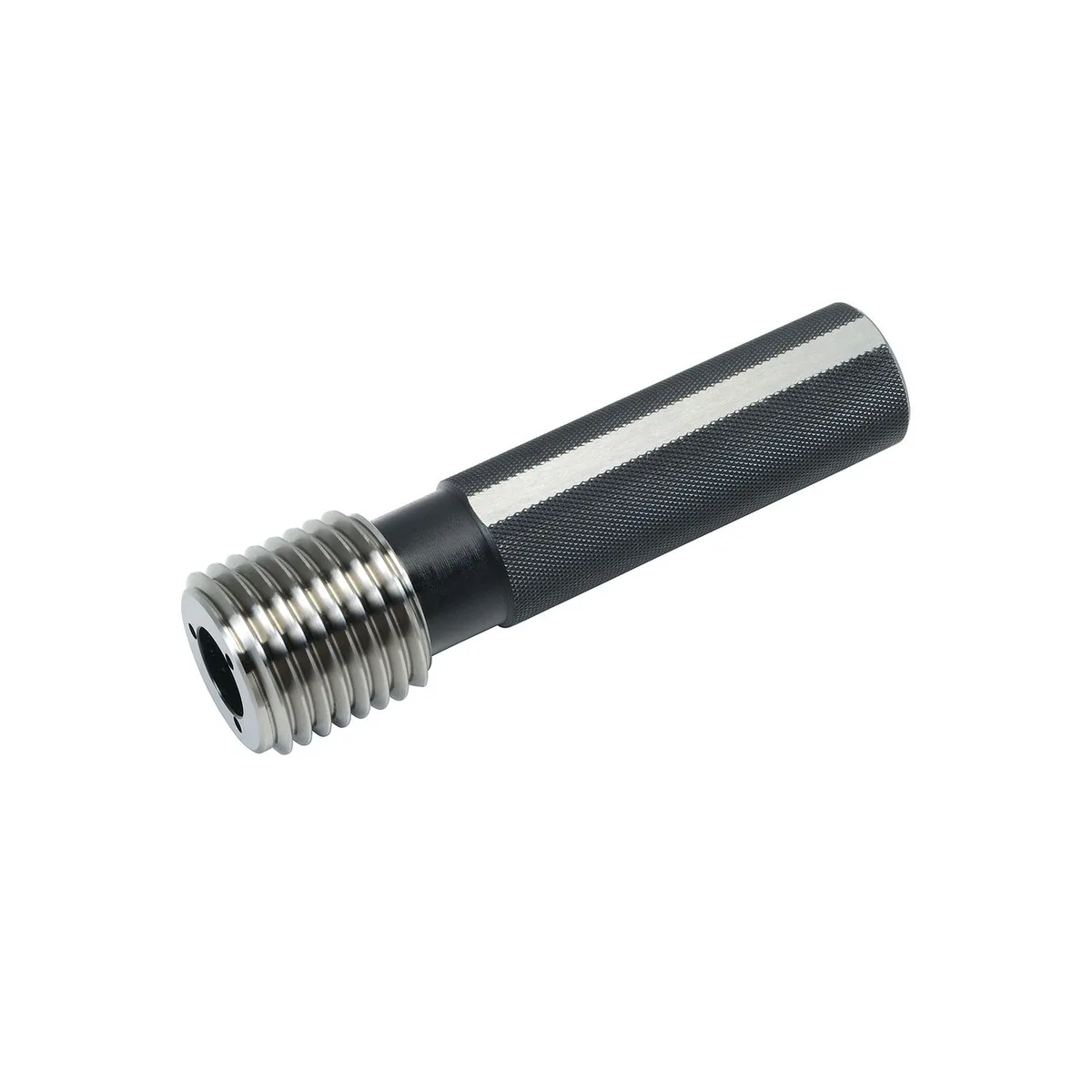
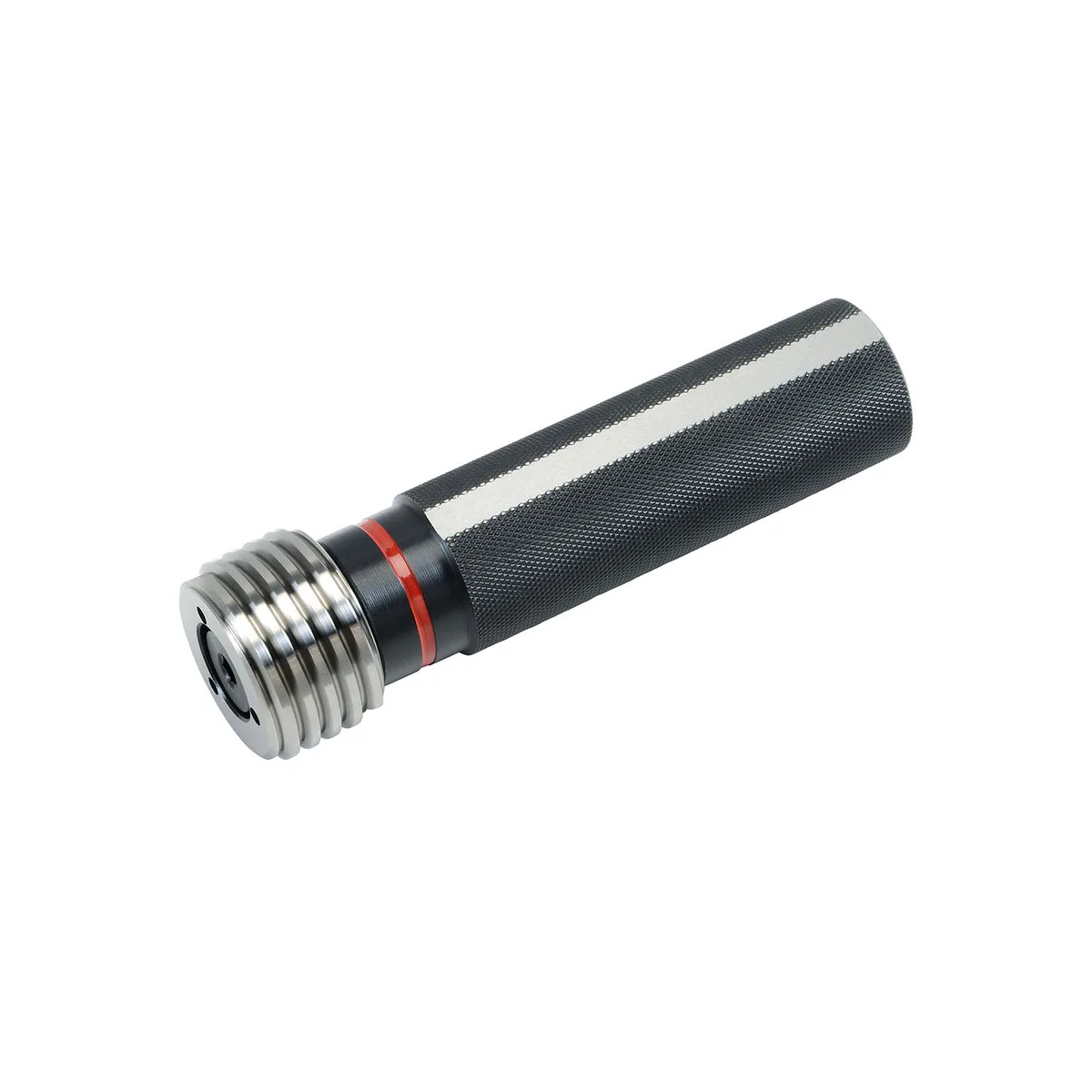
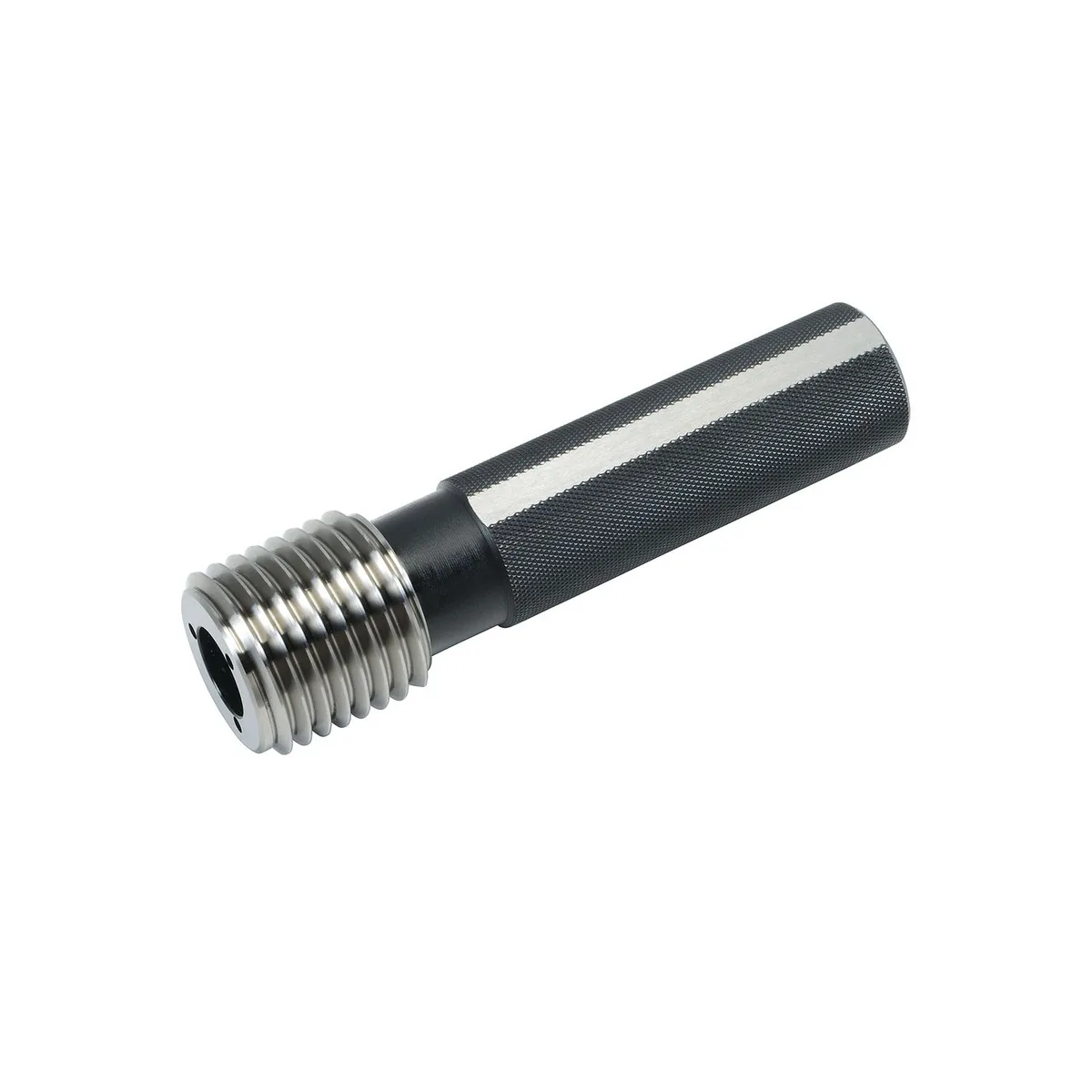
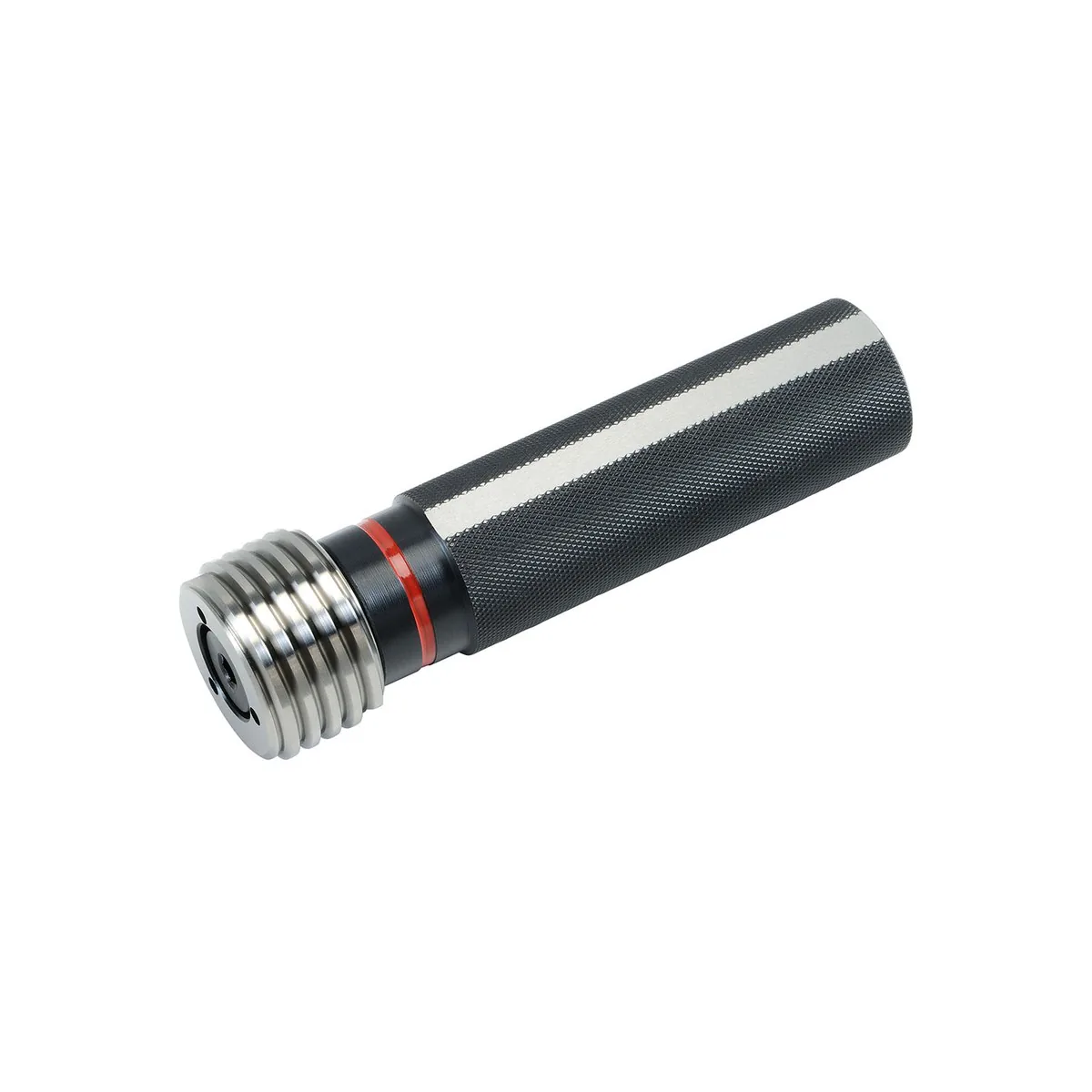
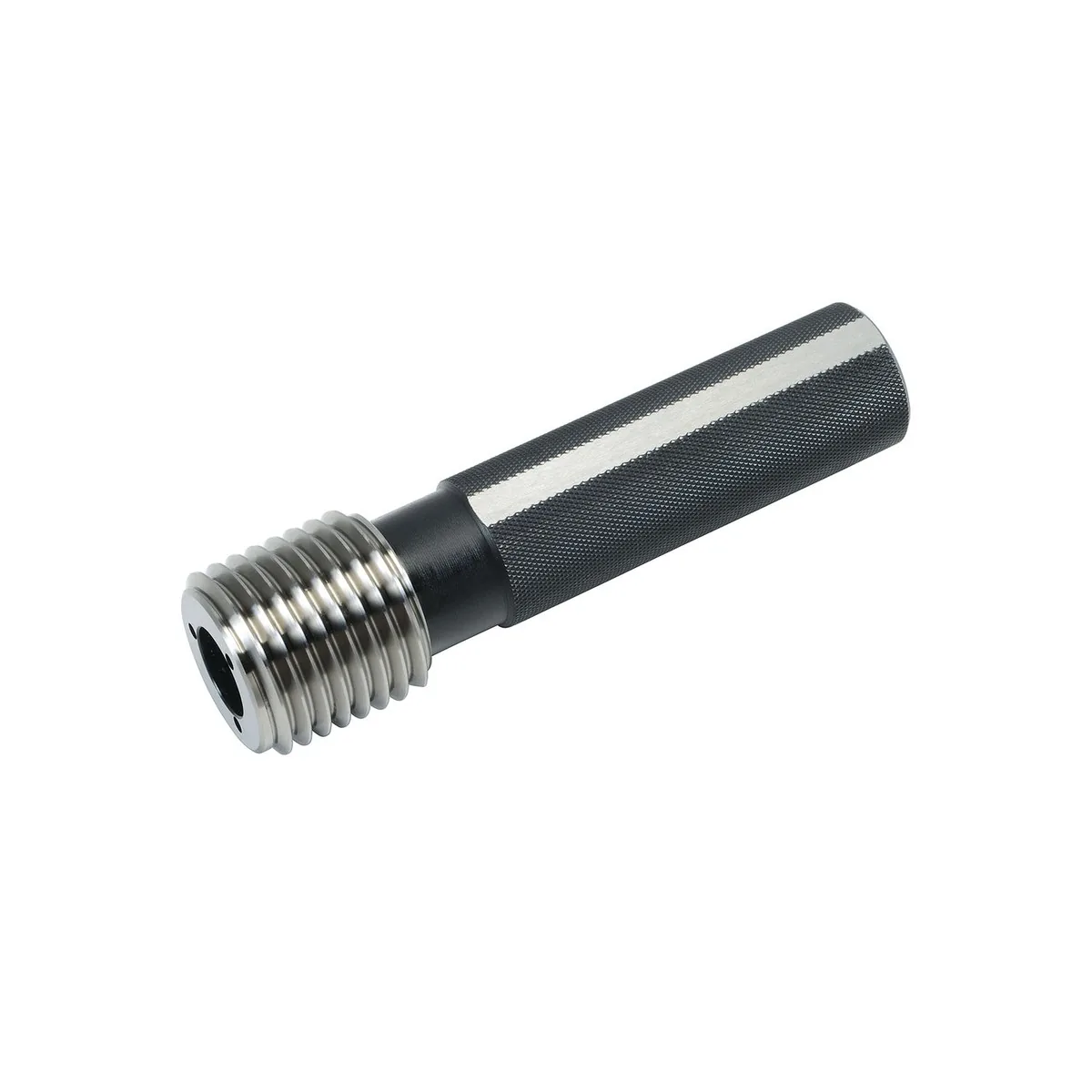
With Precision NOGO Thread Plug Gauge (Tol. 2B) - UNC 3 inch x 4, you verify whether an internal thread is within tolerance using a GO and NO GO check.
Gauging works reliably when the thread is clean, burr free, and the gauge is protected from impact and dirt.
Note Apply the gauge without force and keep the gauging surfaces clean to avoid false results.
Scope of supply is defined by your order confirmation and delivery note.
Do you need help selecting or using the product?
Use the contact form.
| Type of thread | Unified coarse thread |
|---|---|
| Tolerance | 2B |
| Size | UNC 3" x 4 |
| EAN | 4022835168942 |
| Item number | 16894 |
| Thread standard | ANSI B 1.1 |