Áo sơ mi chạy bộ
 Bộ mũi khoan
 taro
Bộ mũi khoét
Bộ mũi khoan
Bộ mũi khoan taro
Bộ mũi khoét
 Bộ mũi taro ren trong
 Bộ sửa ren
 Bôi trơn cắt ren
Cặp taro máy + mũi khoan
Bôi trơn cắt ren
Cặp taro máy + mũi khoan
 Dụng cụ bẻ chân ren
 Dưỡng đo ren ngoai
 Dưỡng đo ren trong
Mũi doa vát mép
Mũi khoan kim loại
Dưỡng đo ren trong
Mũi doa vát mép
Mũi khoan kim loại
 Mũi taro cho ren cấy
Mũi taro ren trong
Mũi taro cho ren cấy
Mũi taro ren trong
 Ren cấy V-coil
 Taro ren máy
Taro ren tay
Tay cấy ren
Tay quay bàn ren
Tay quay taro trong
Taro ren máy
Taro ren tay
Tay cấy ren
Tay quay bàn ren
Tay quay taro trong
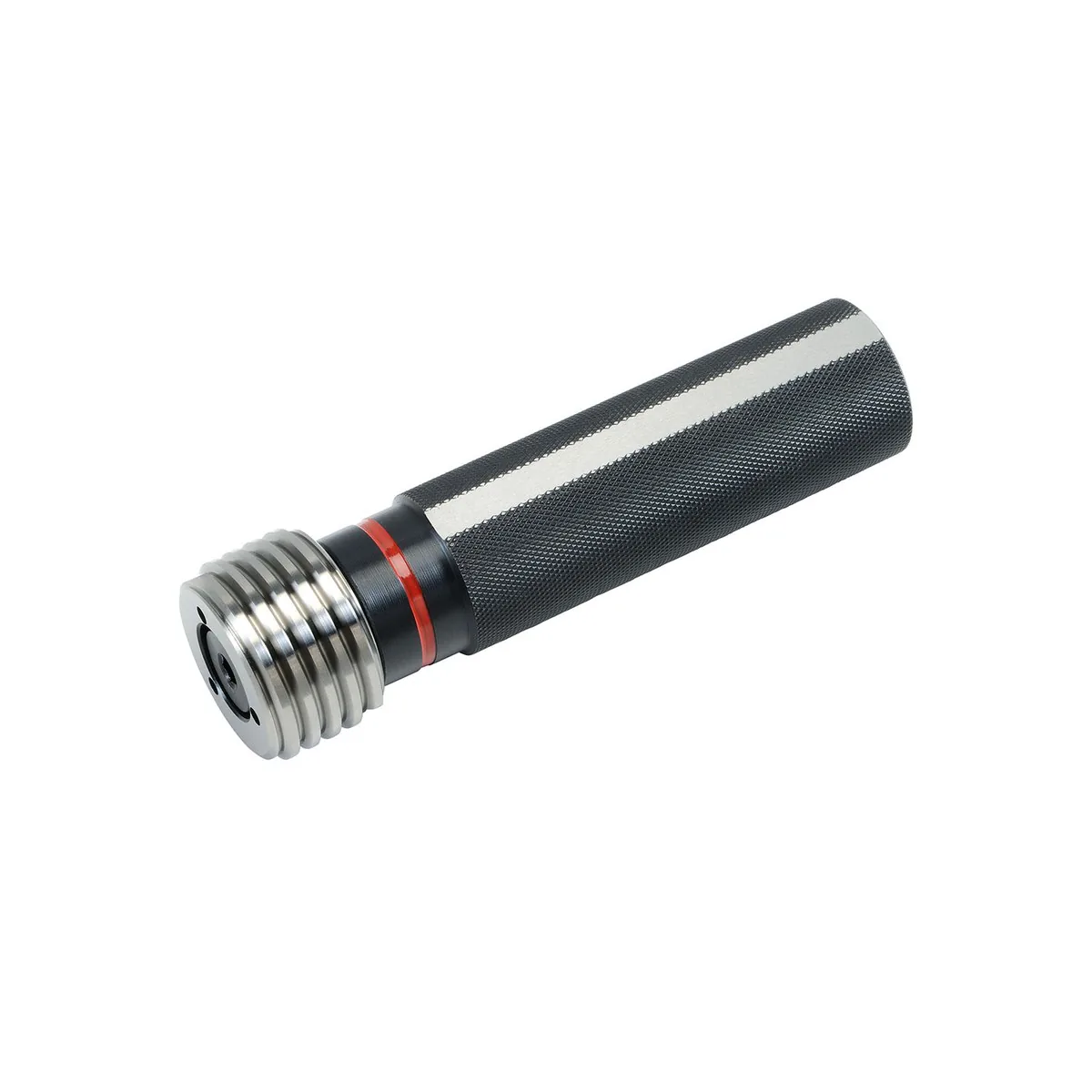

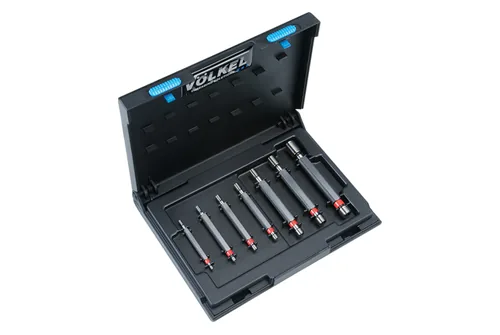
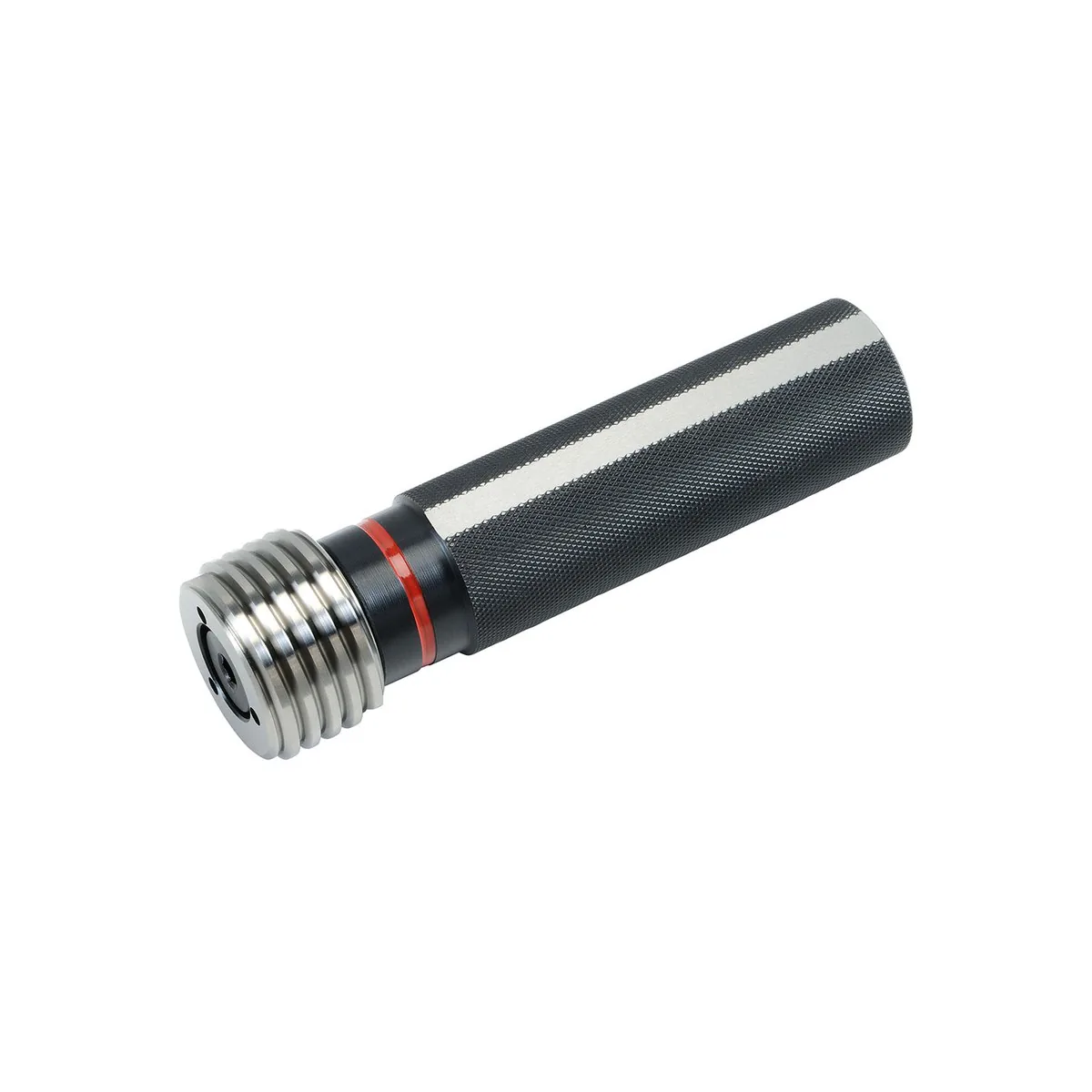
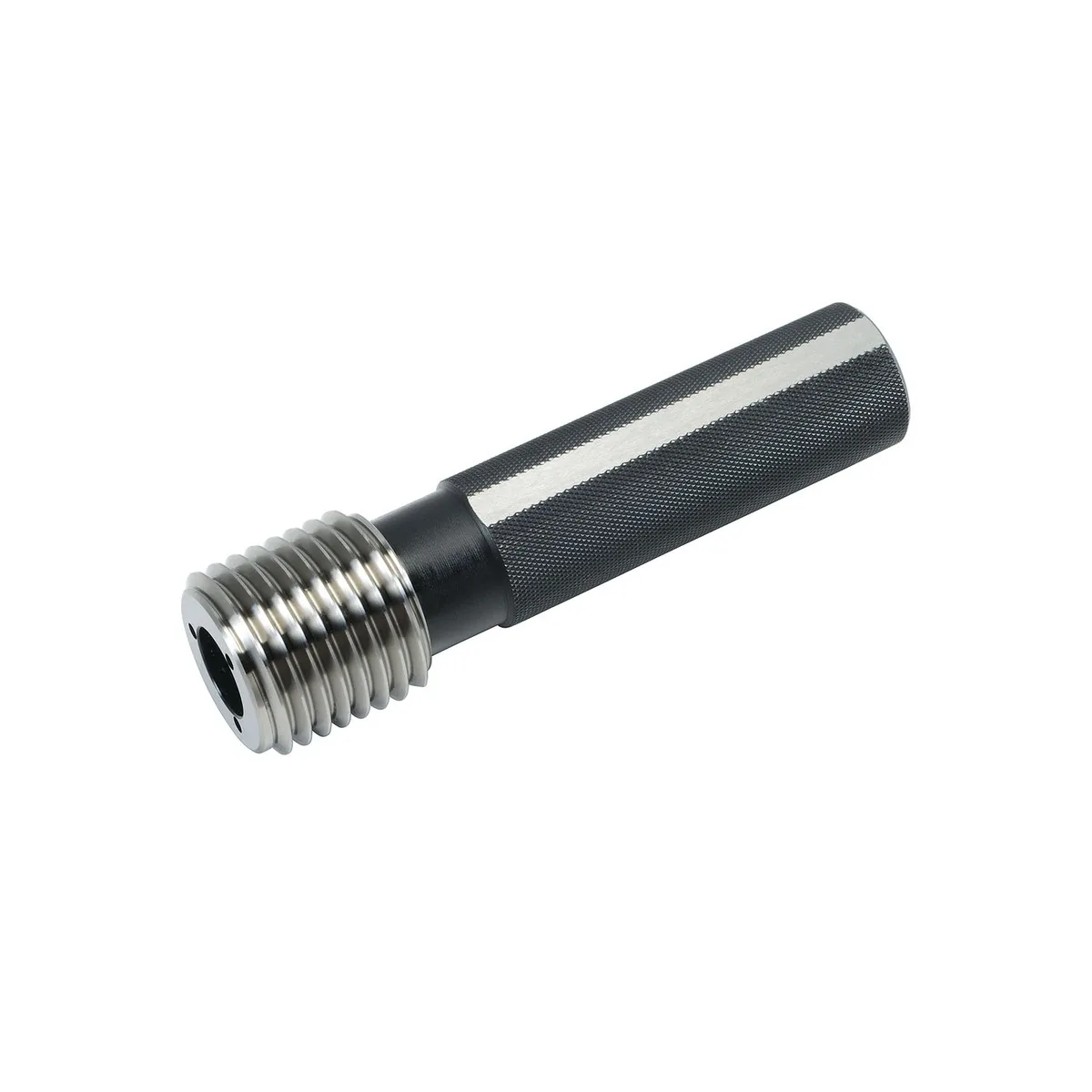
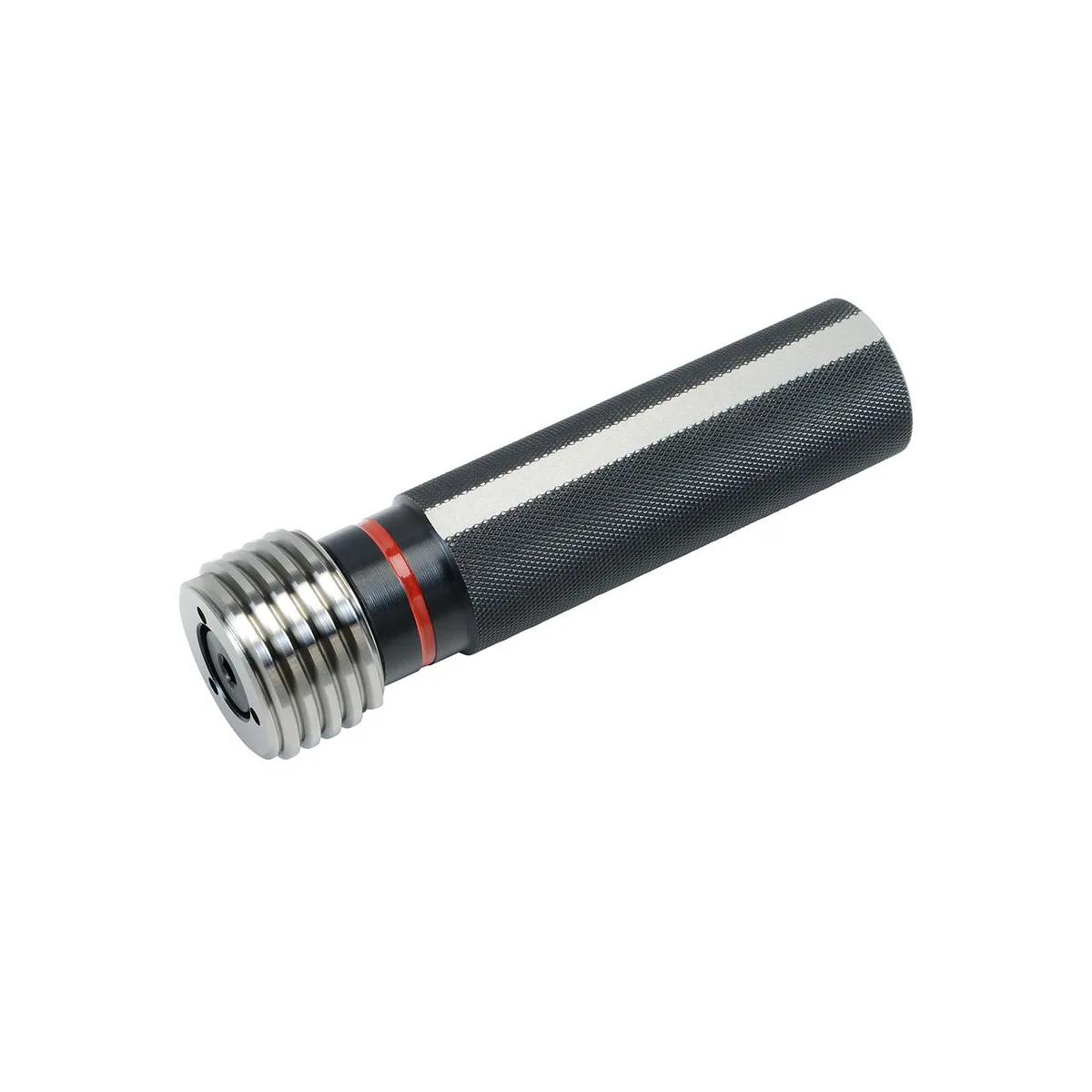
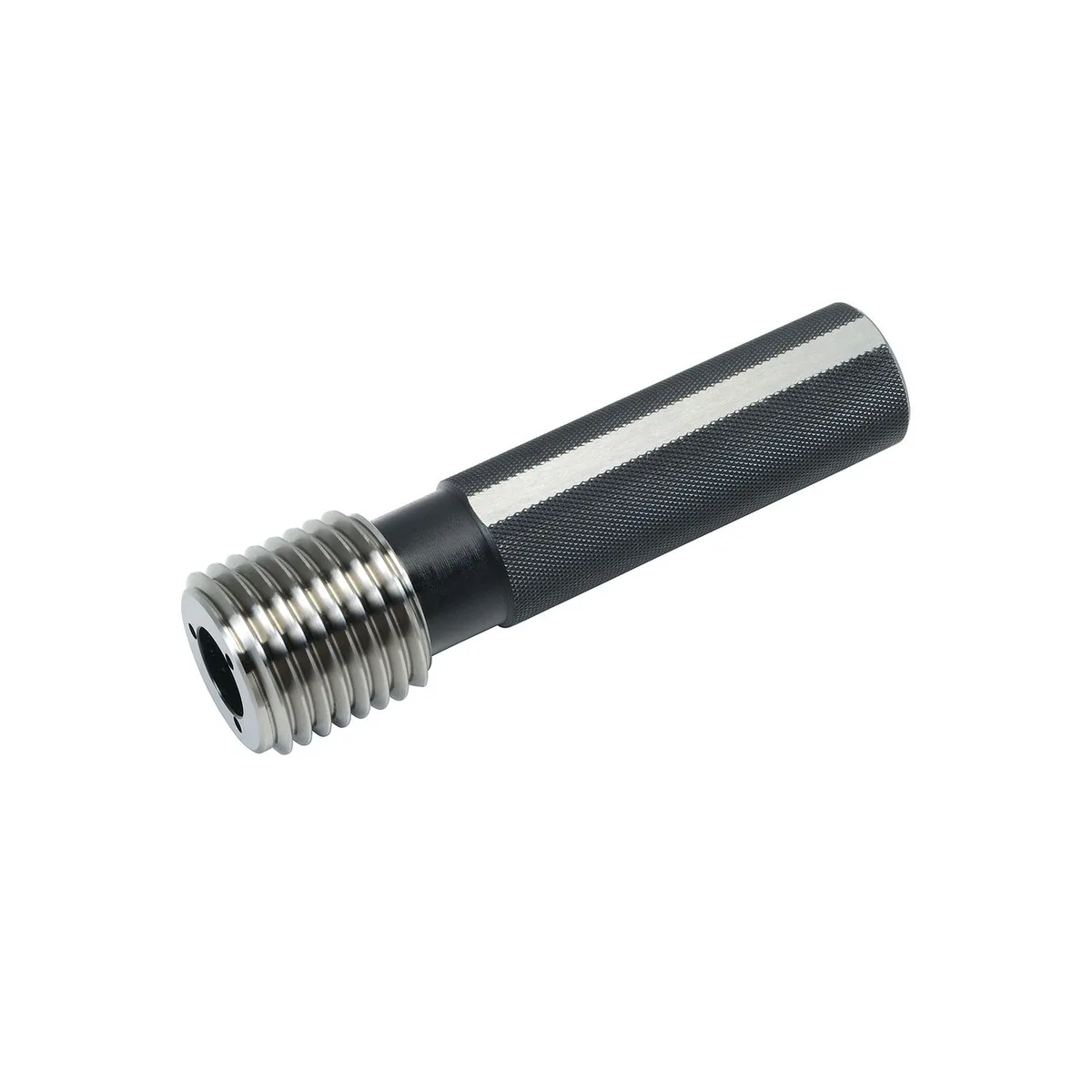
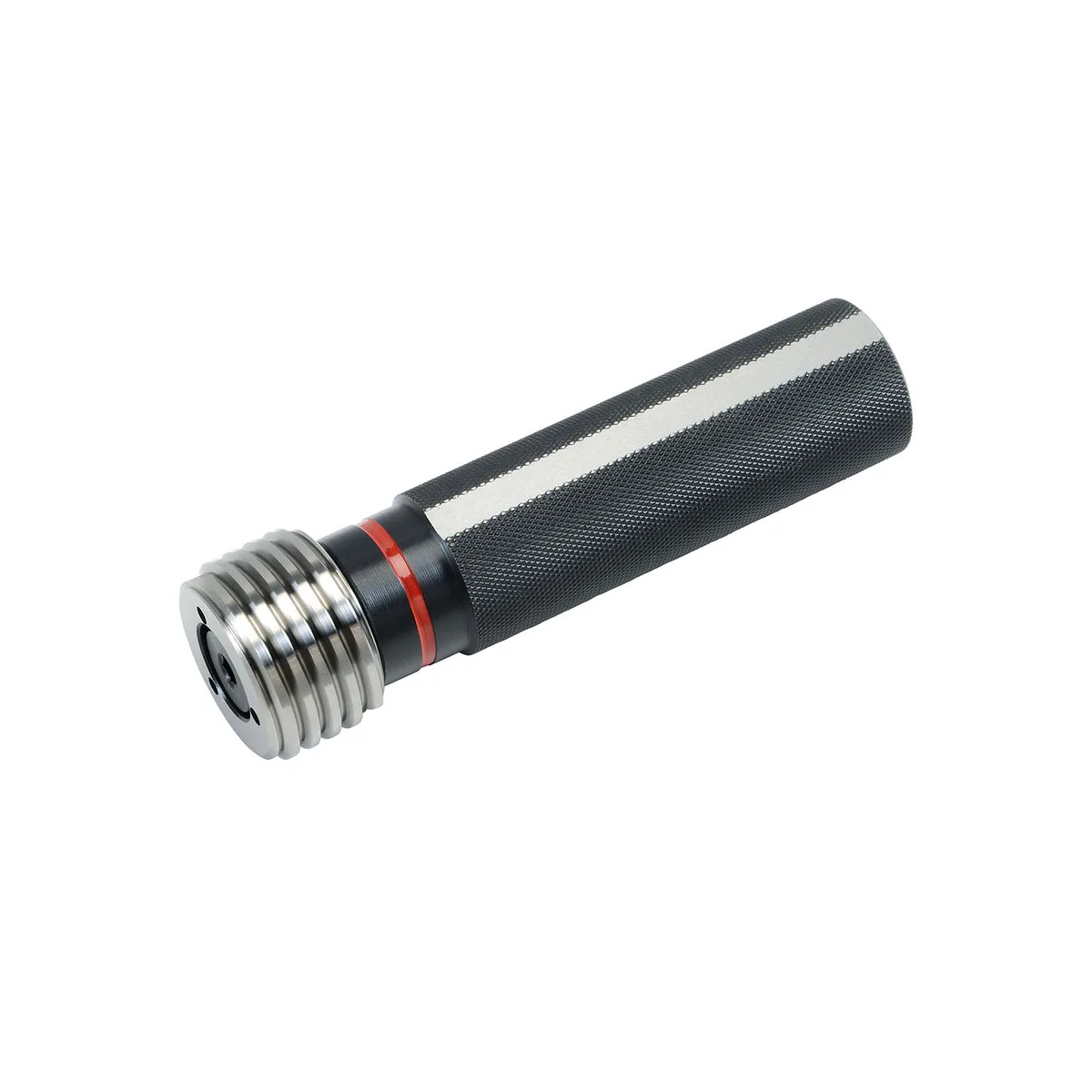
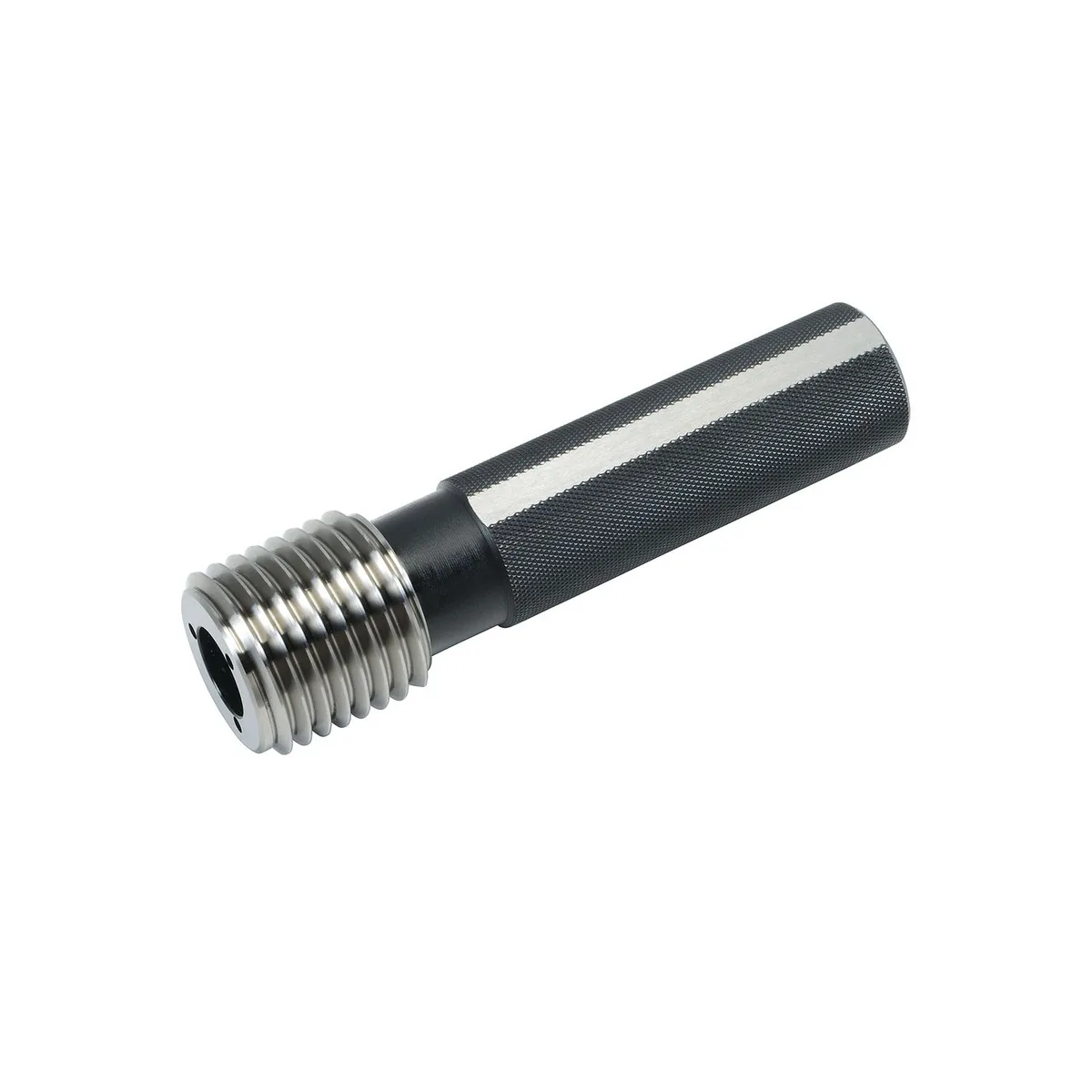
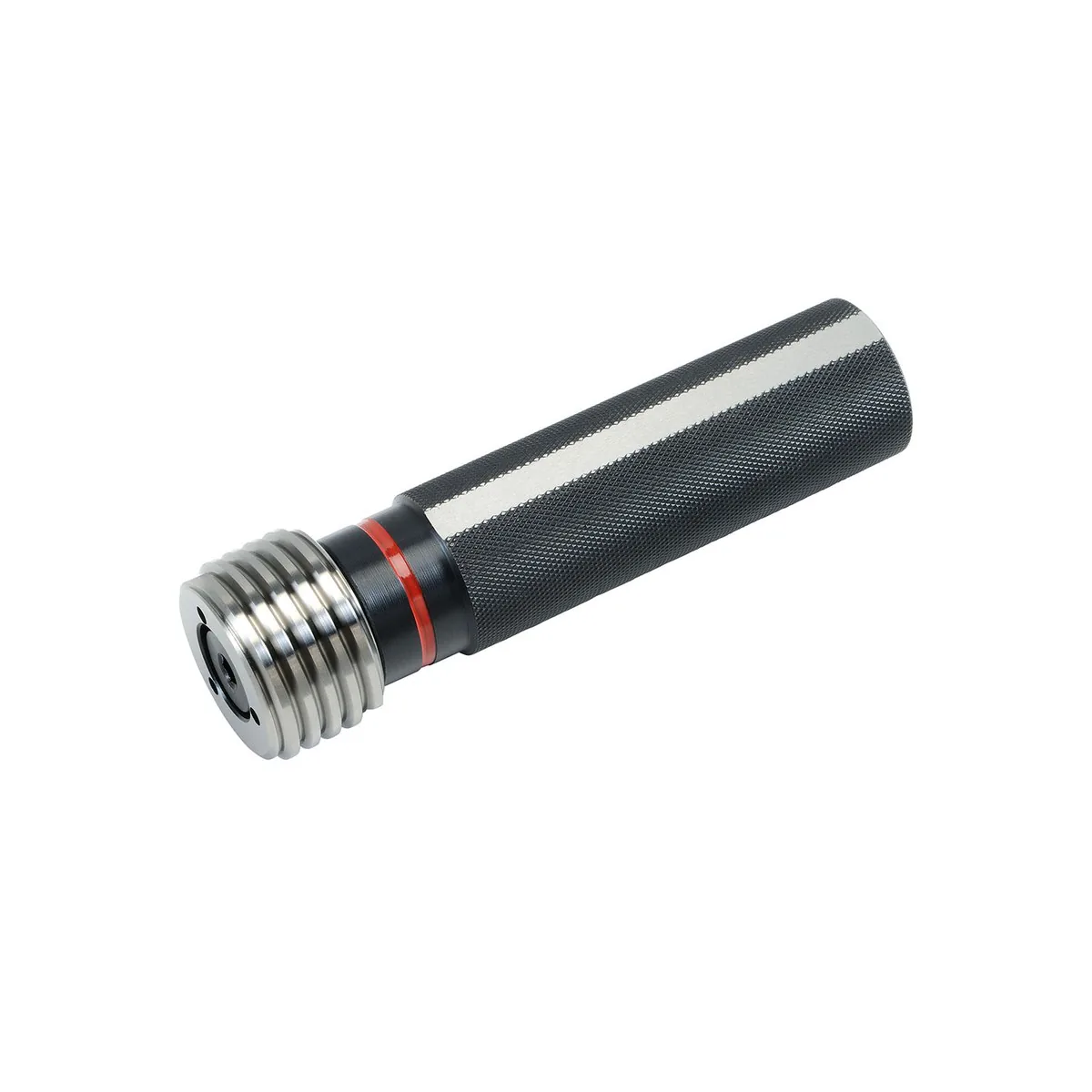
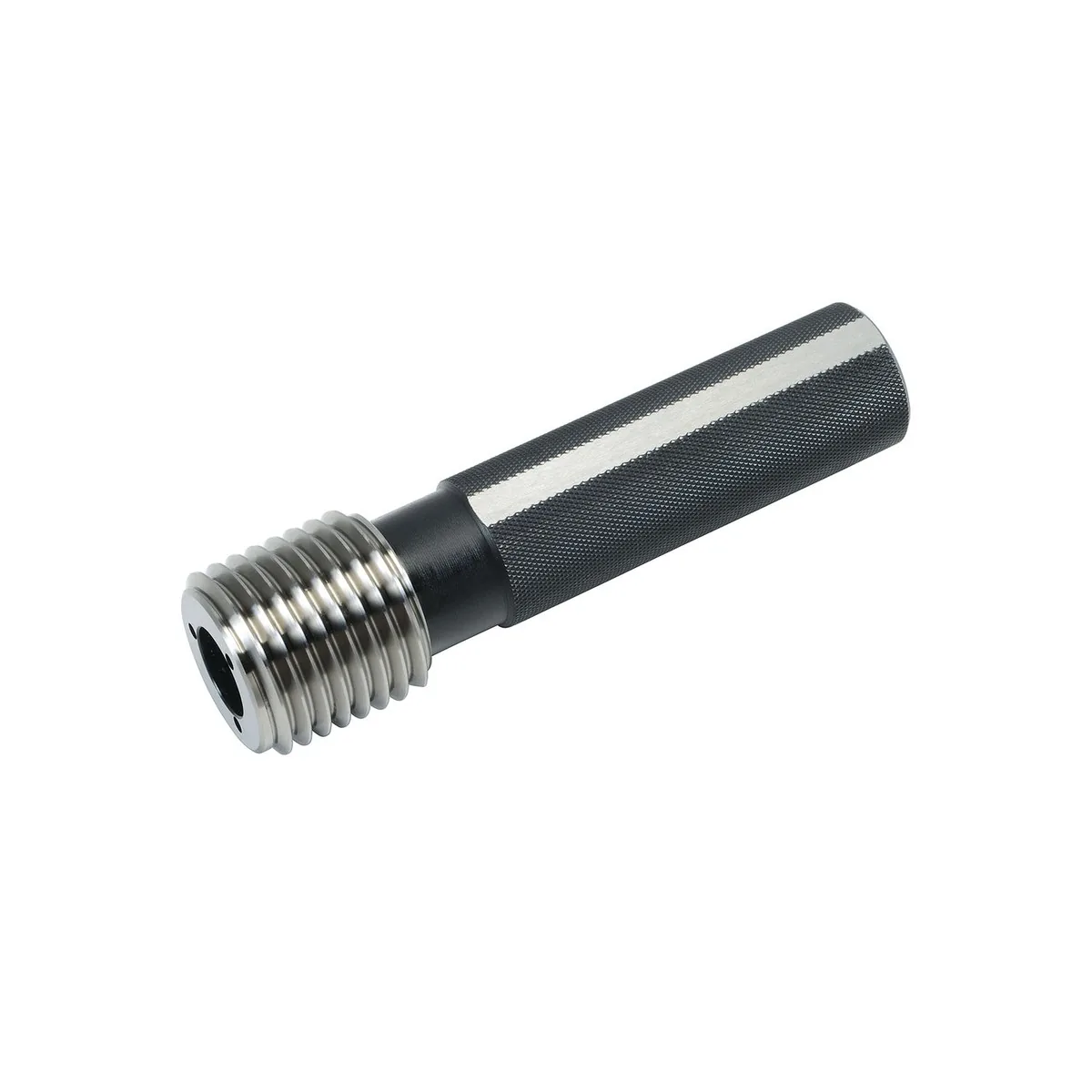
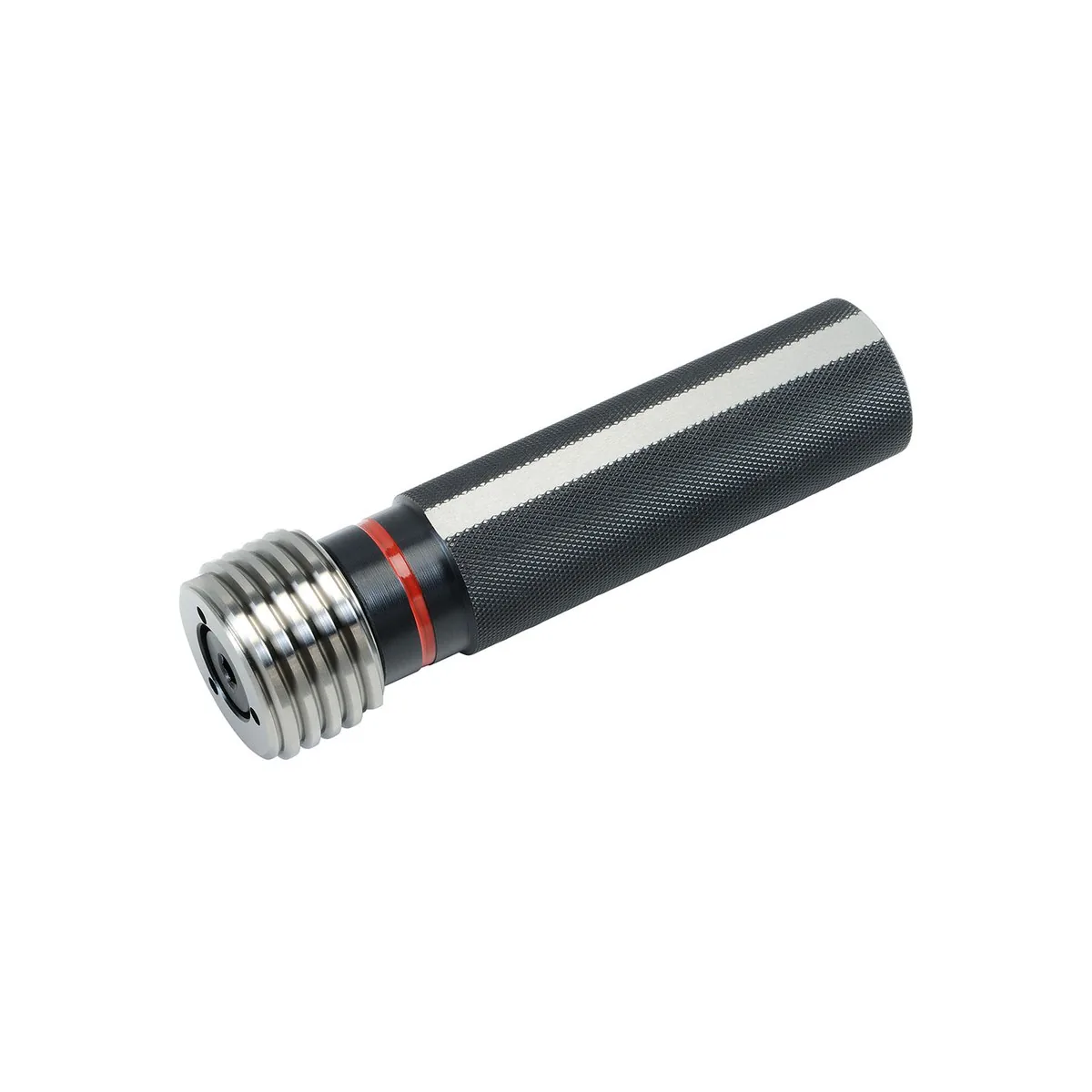
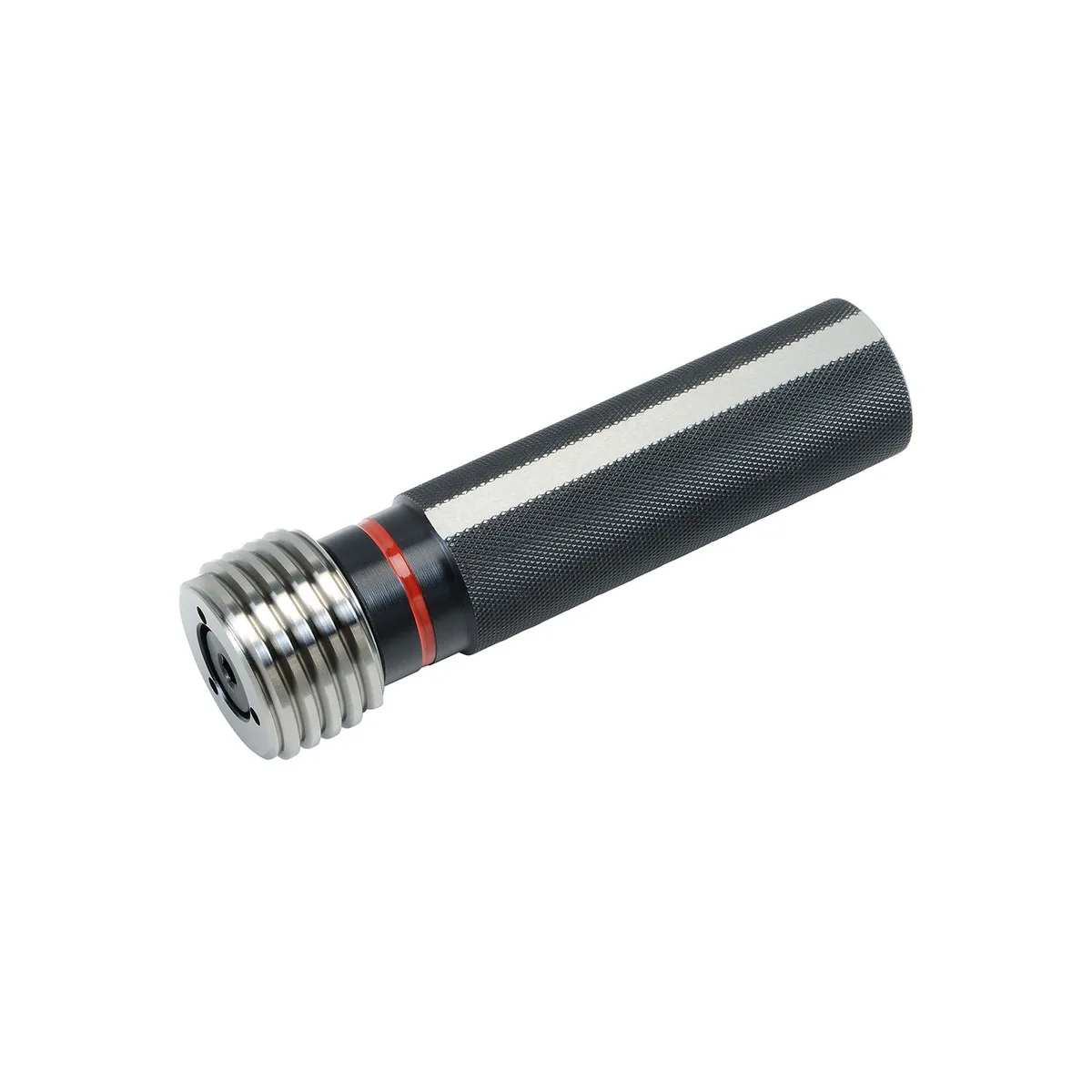
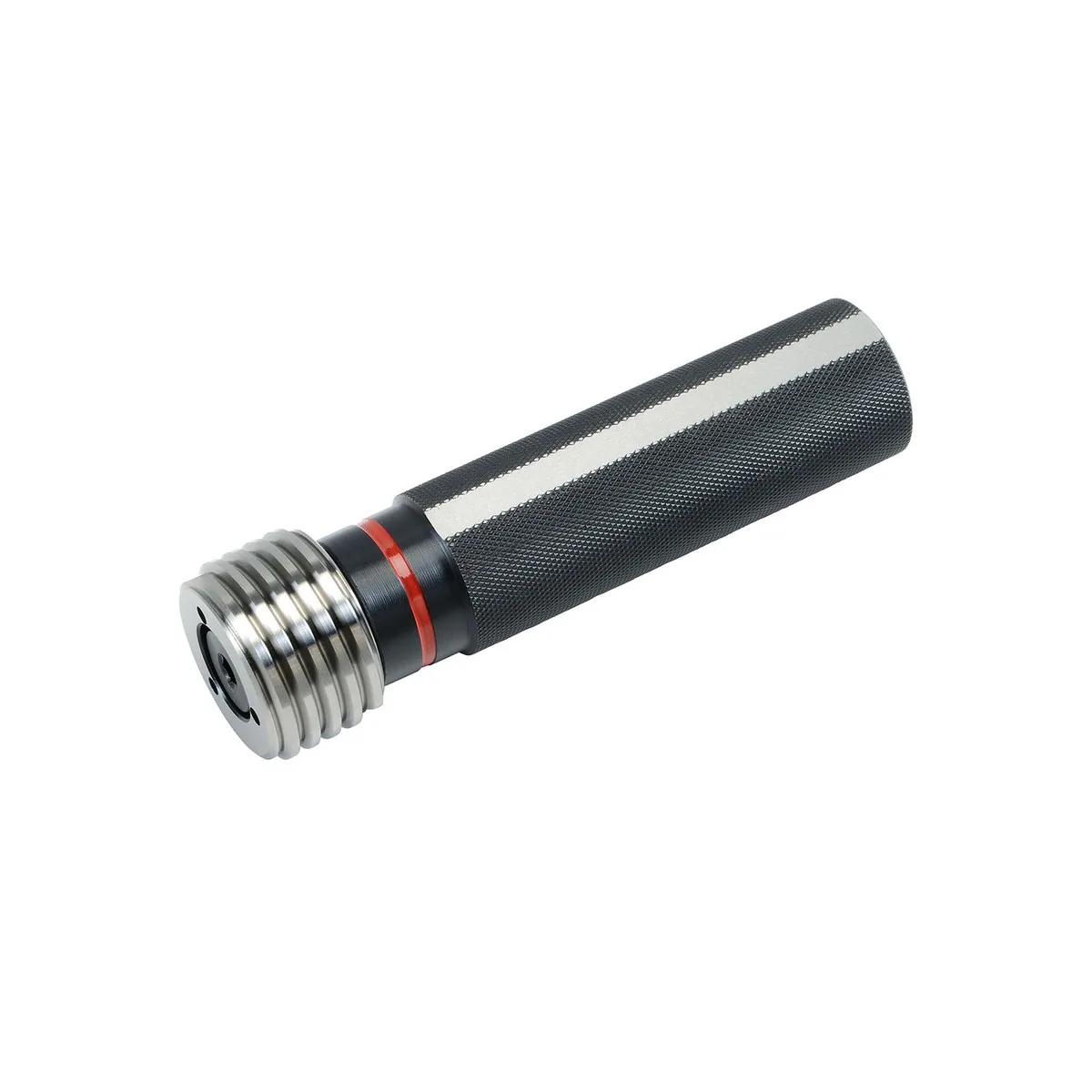
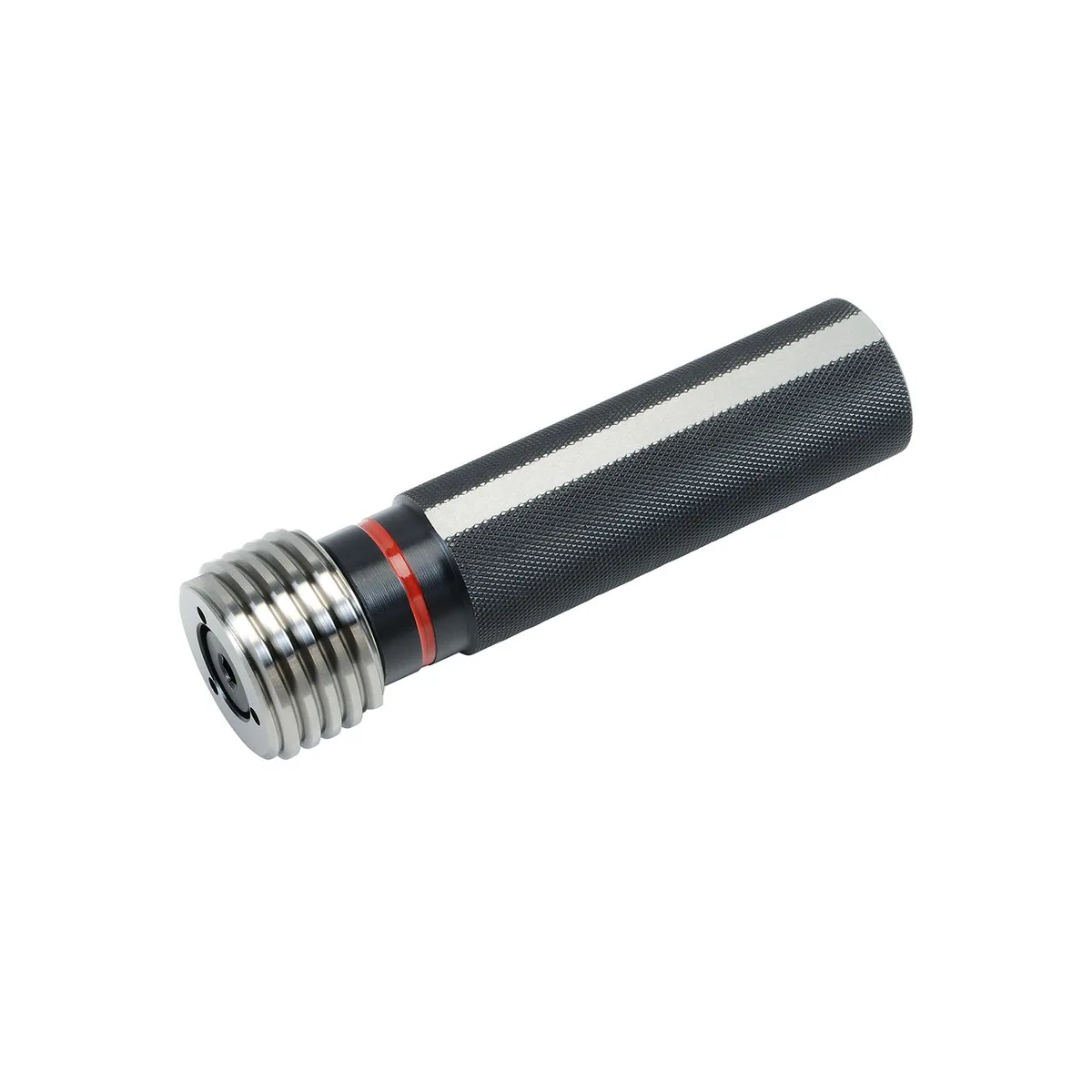
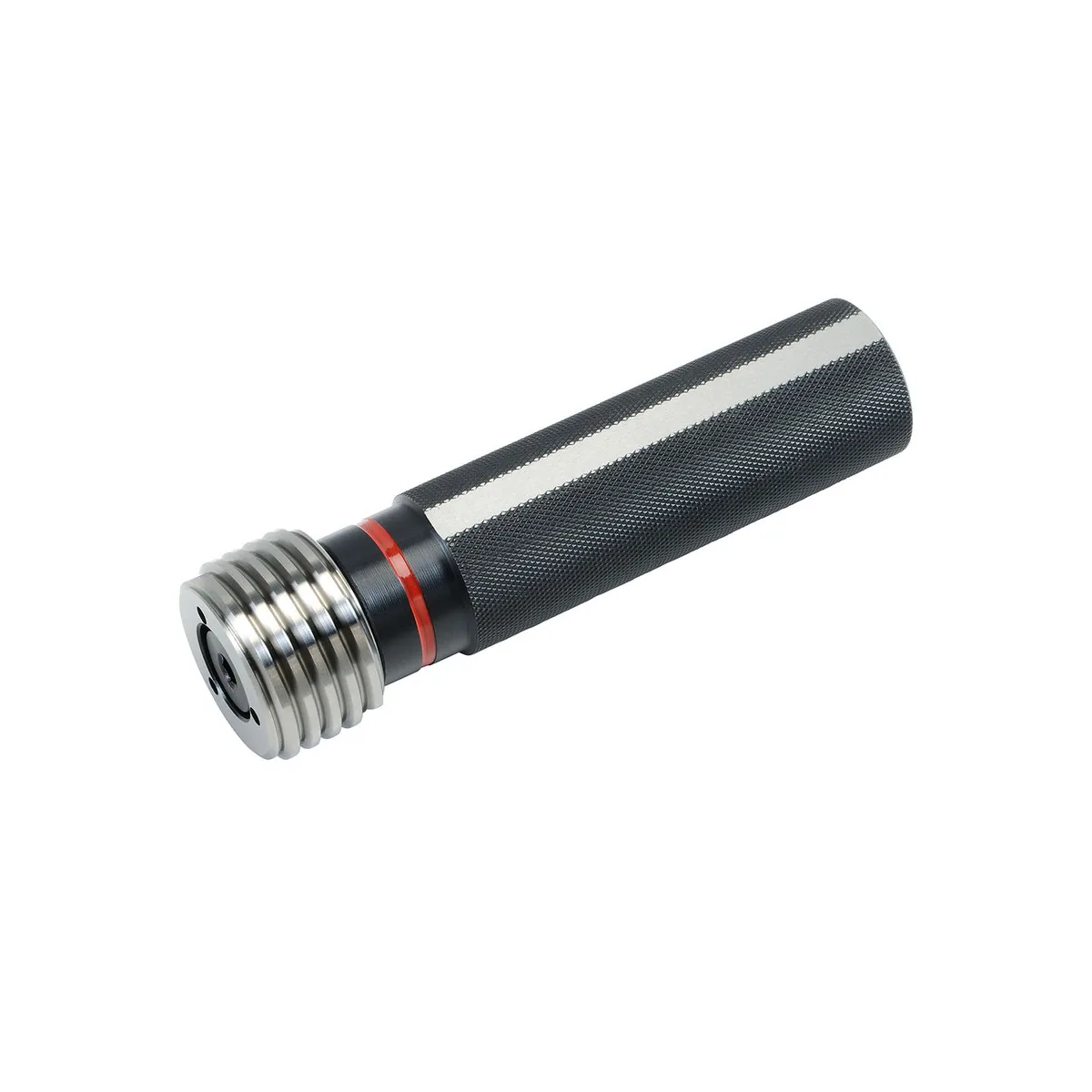
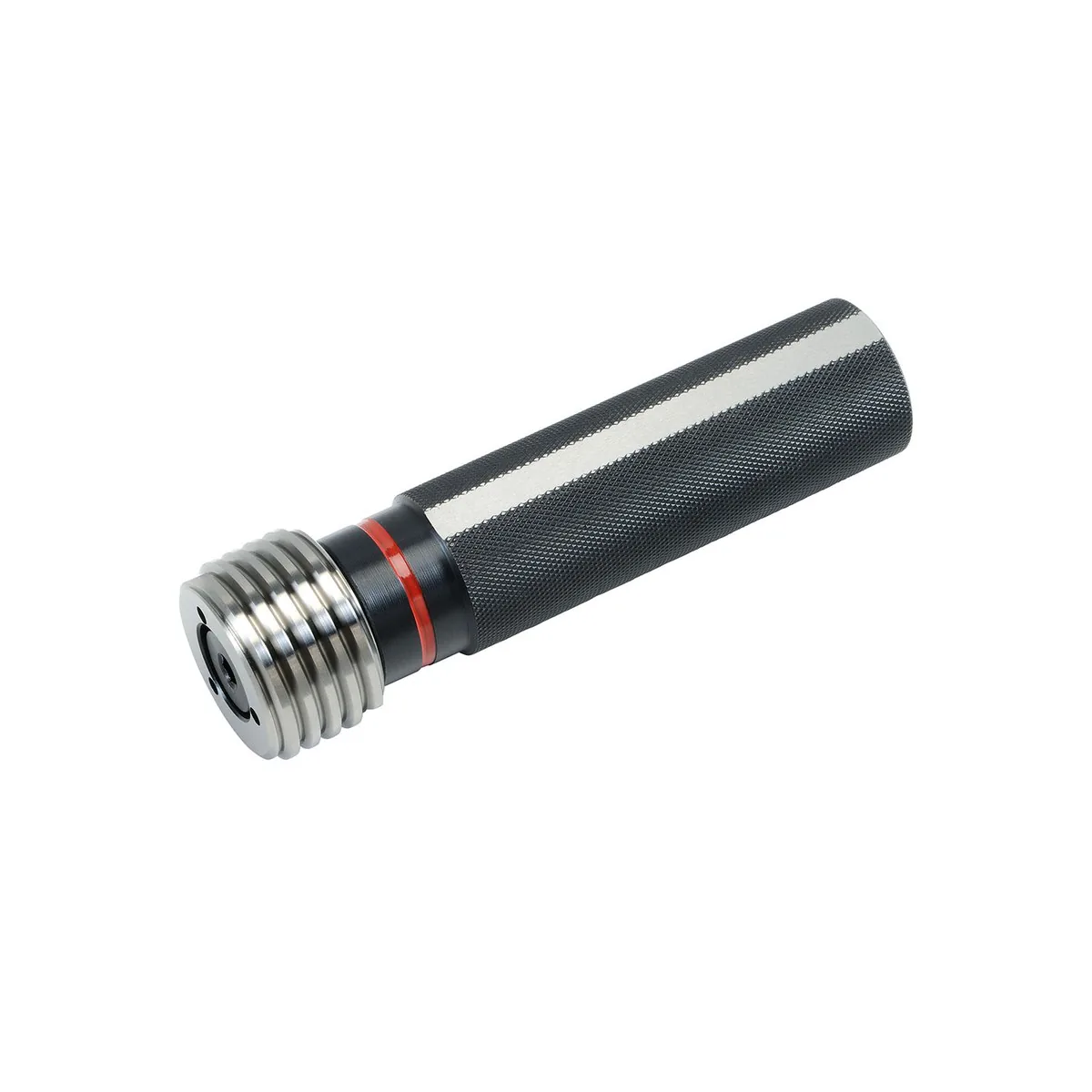
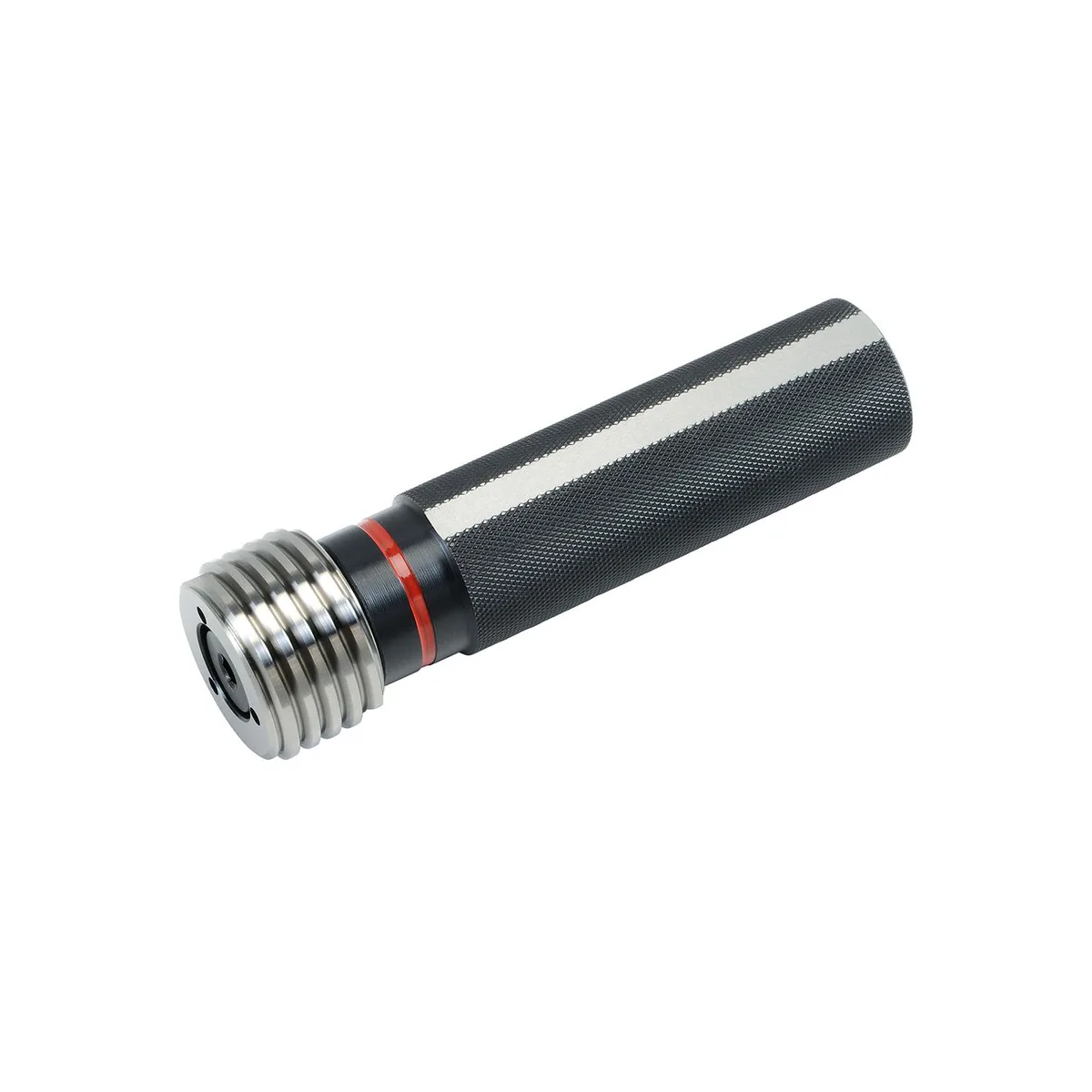
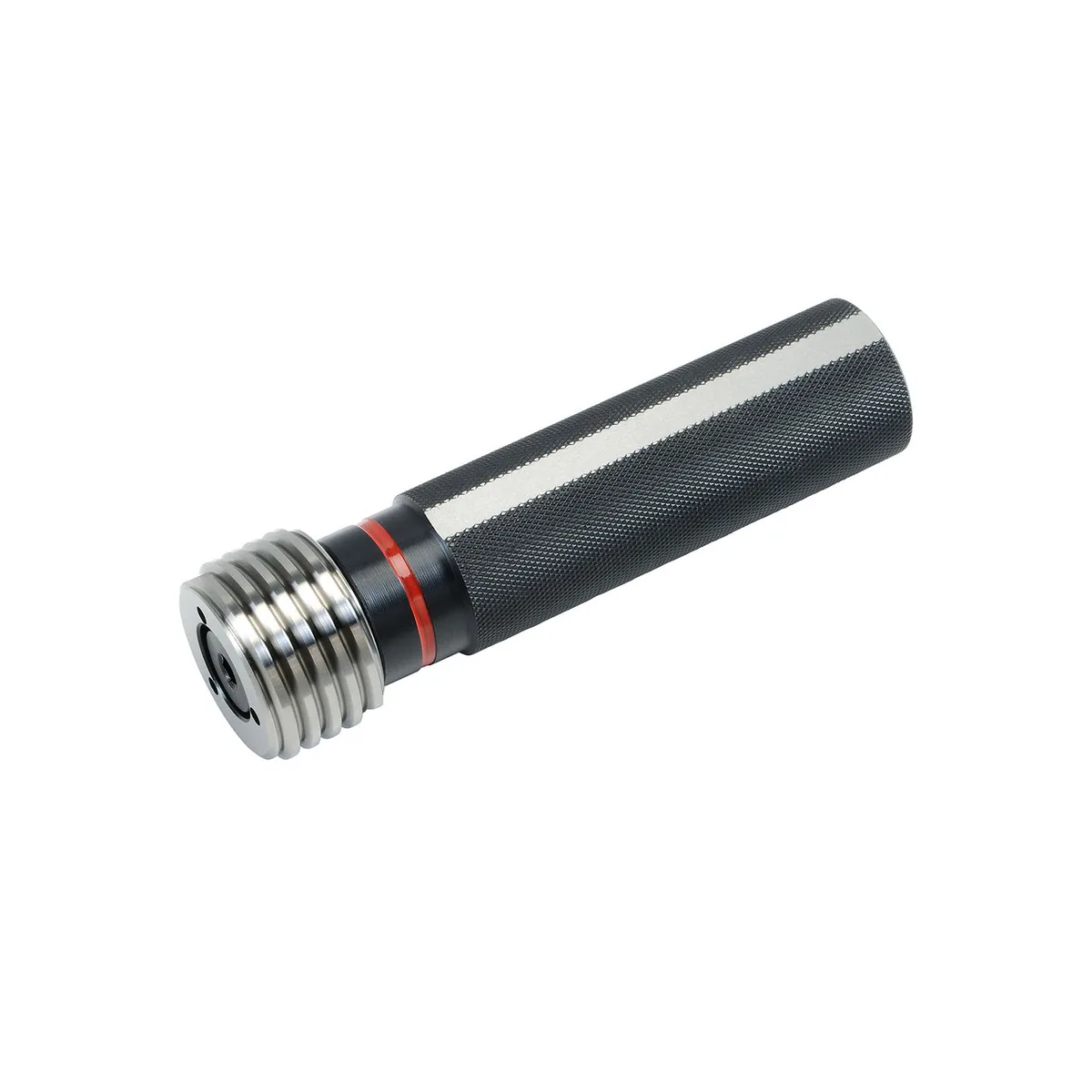
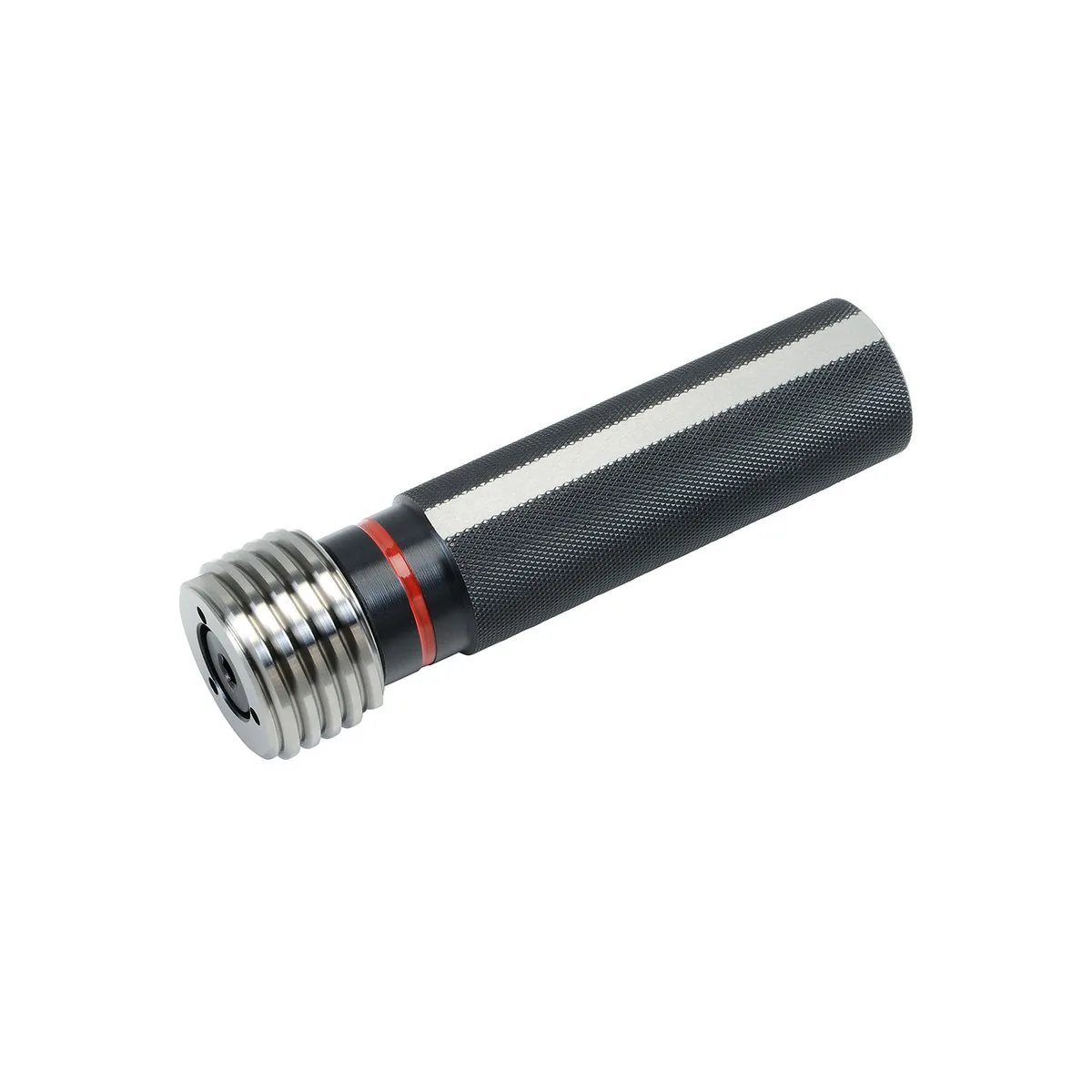
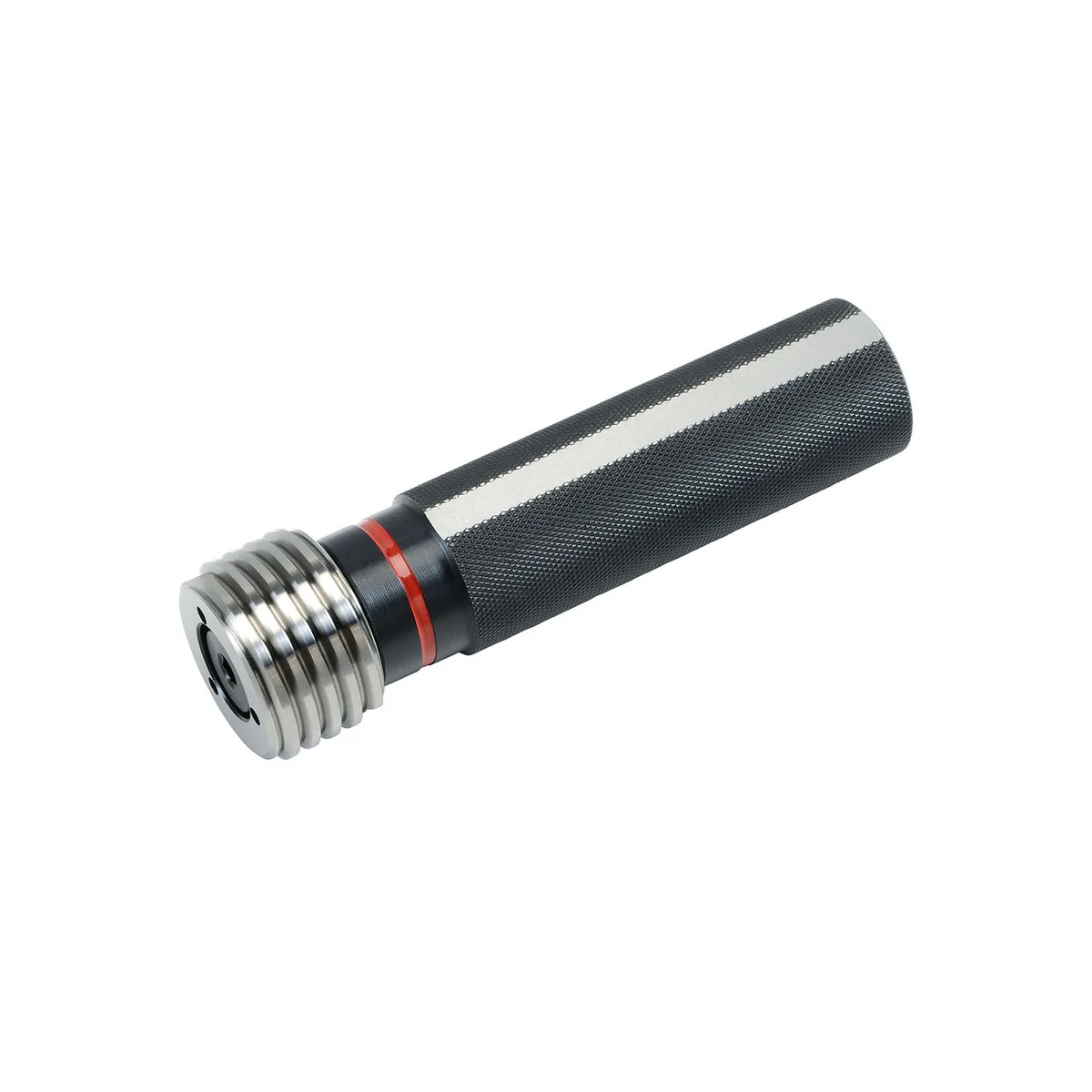
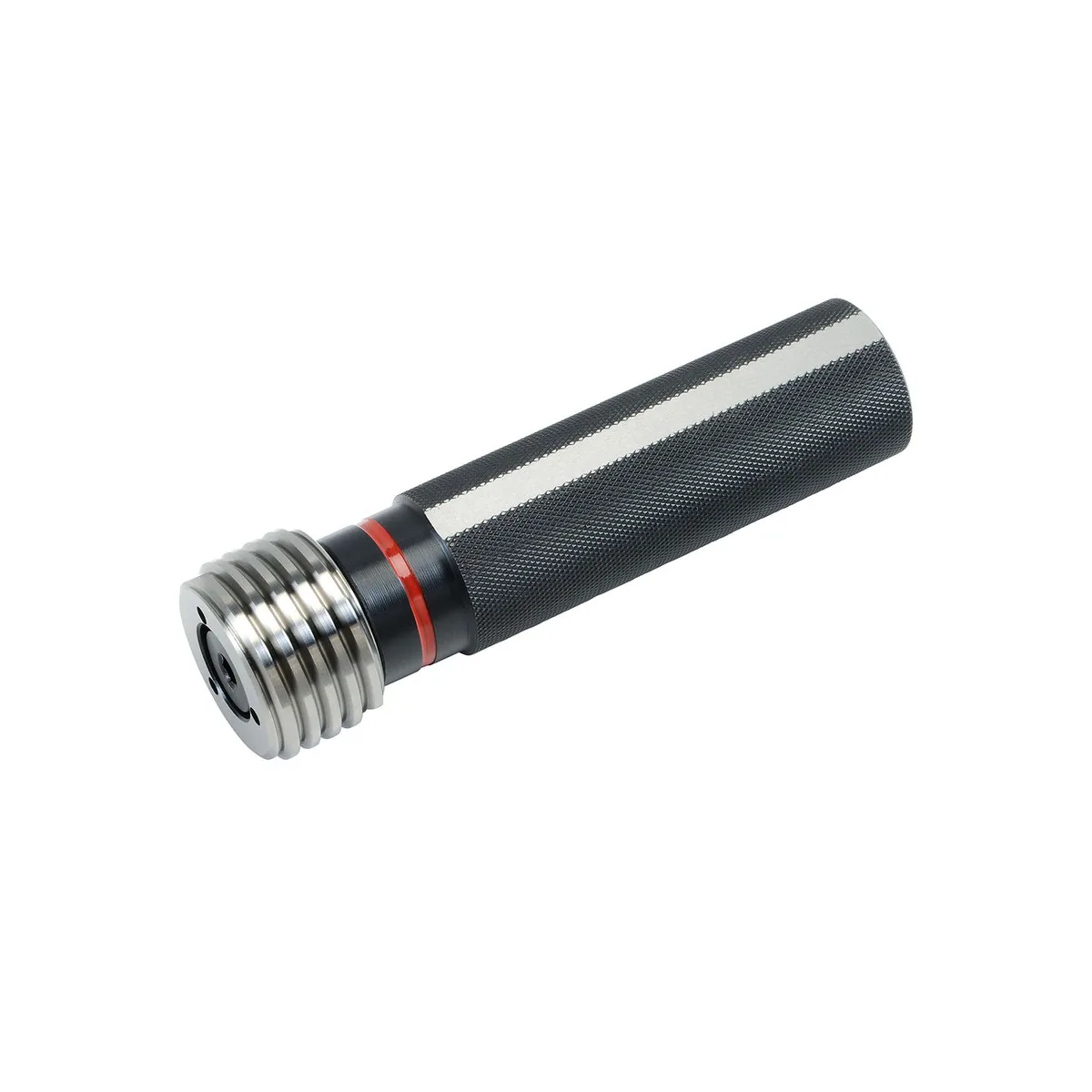
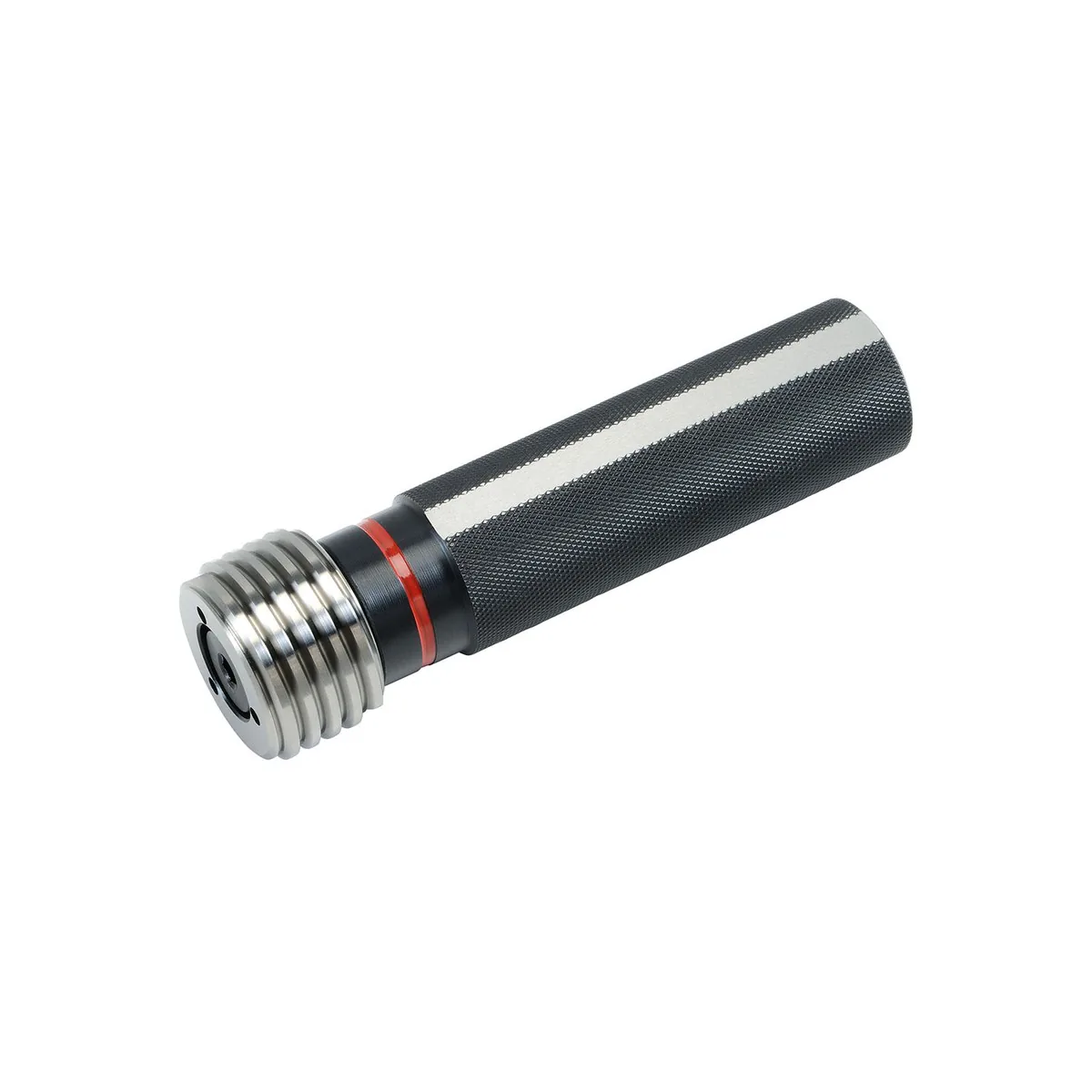
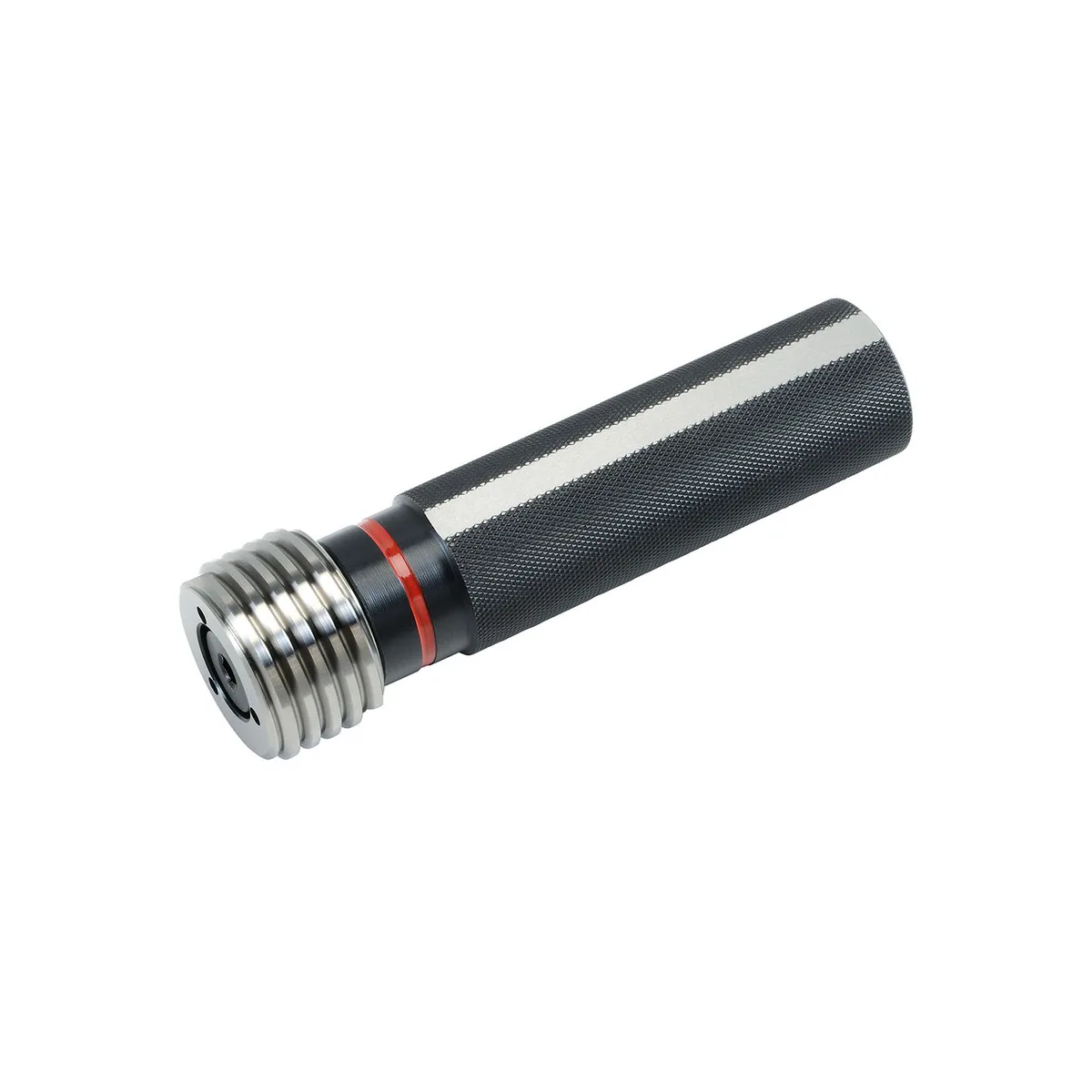
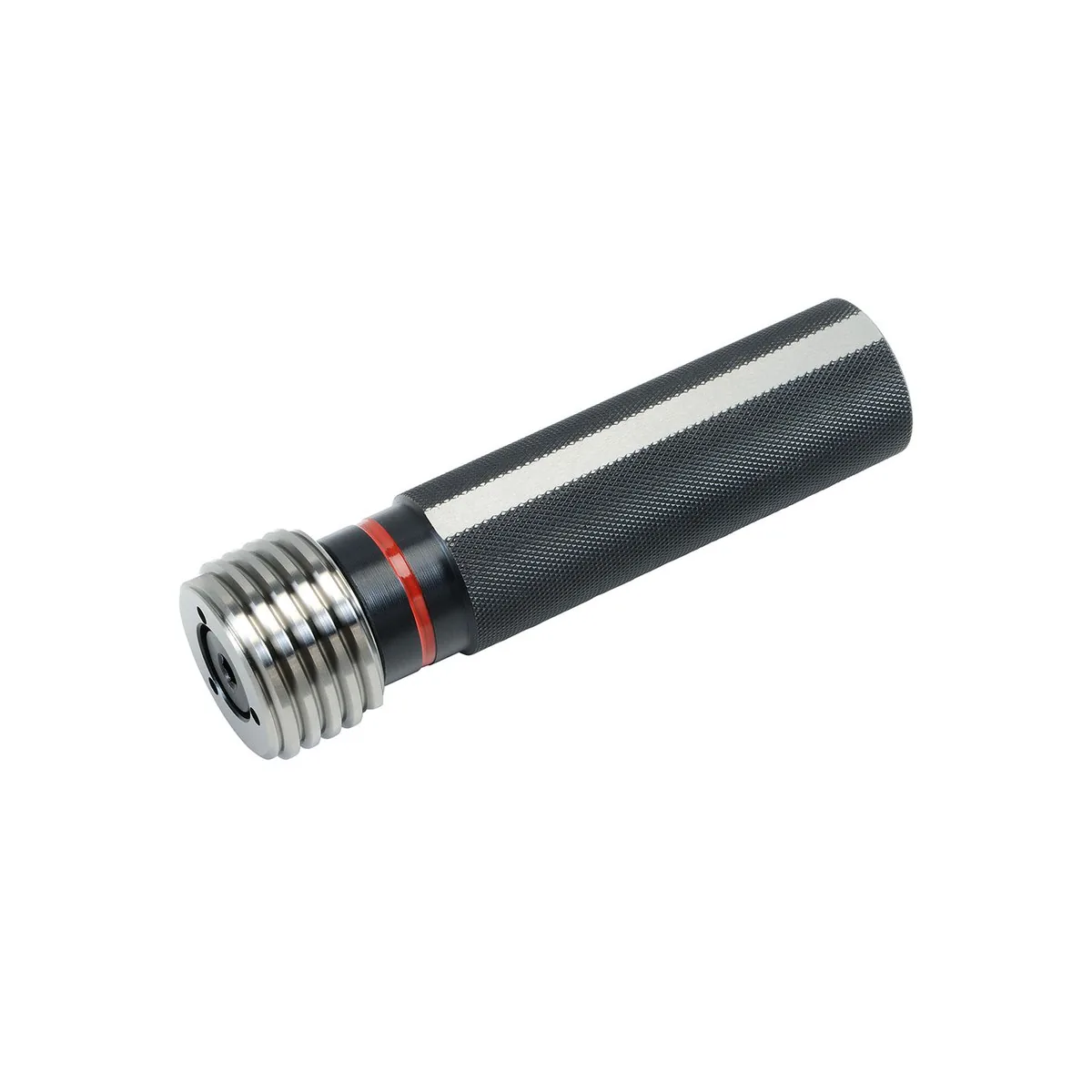
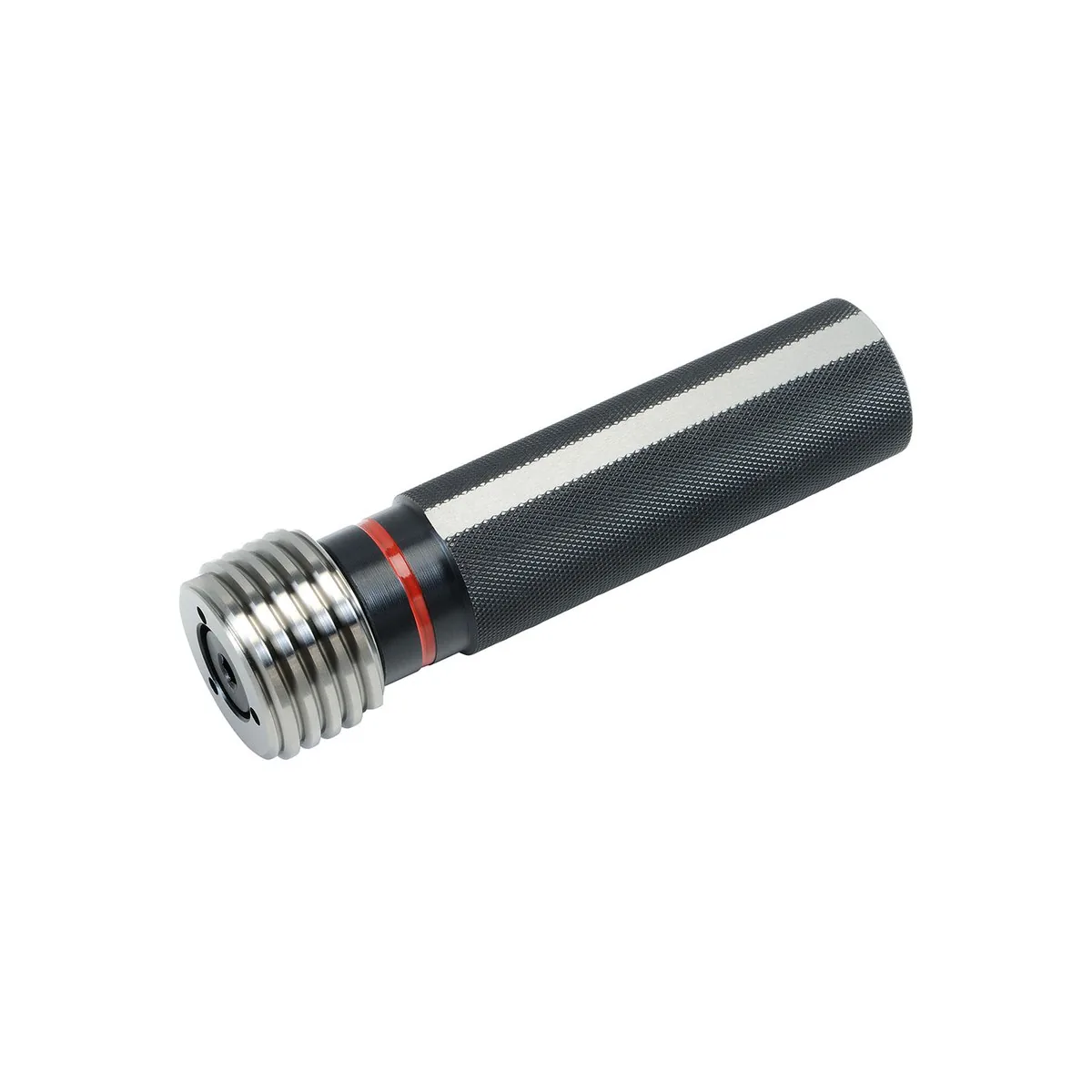
You use this thread gauge to verify thread acceptability by limit gauging, without reading a measurement value.
Use a clean, lightly oiled gauge and a consistent feel, because contamination can create false rejects. M denotes ISO metric thread designation used for common metric screw threads in machine building and maintenance.
Note Do not force the no go side, because the limit is intended to stop early by design.
Do you need help selecting or using the product?
Use the contact form.
| Type of thread | metric ISO-thread |
|---|---|
| Standard | ISO DIN 13 |
| Tolerance | 6H |
| Size | M 45 x 4.5 |
| Item number | 16166 |
| Gauge dimension | DIN ISO 1502 / DIN 2240 |
| Thread standard | DIN 13 |