Áo sơ mi chạy bộ
 Bộ mũi khoan
 taro
Bộ mũi khoét
Bộ mũi khoan
Bộ mũi khoan taro
Bộ mũi khoét
 Bộ mũi taro ren trong
 Bộ sửa ren
 Bôi trơn cắt ren
Cặp taro máy + mũi khoan
Bôi trơn cắt ren
Cặp taro máy + mũi khoan
 Dụng cụ bẻ chân ren
 Dưỡng đo ren ngoai
 Dưỡng đo ren trong
Mũi doa vát mép
Mũi khoan kim loại
Dưỡng đo ren trong
Mũi doa vát mép
Mũi khoan kim loại
 Mũi taro cho ren cấy
Mũi taro ren trong
Mũi taro cho ren cấy
Mũi taro ren trong
 Ren cấy V-coil
 Taro ren máy
Taro ren tay
Tay cấy ren
Tay quay bàn ren
Tay quay taro trong
Taro ren máy
Taro ren tay
Tay cấy ren
Tay quay bàn ren
Tay quay taro trong
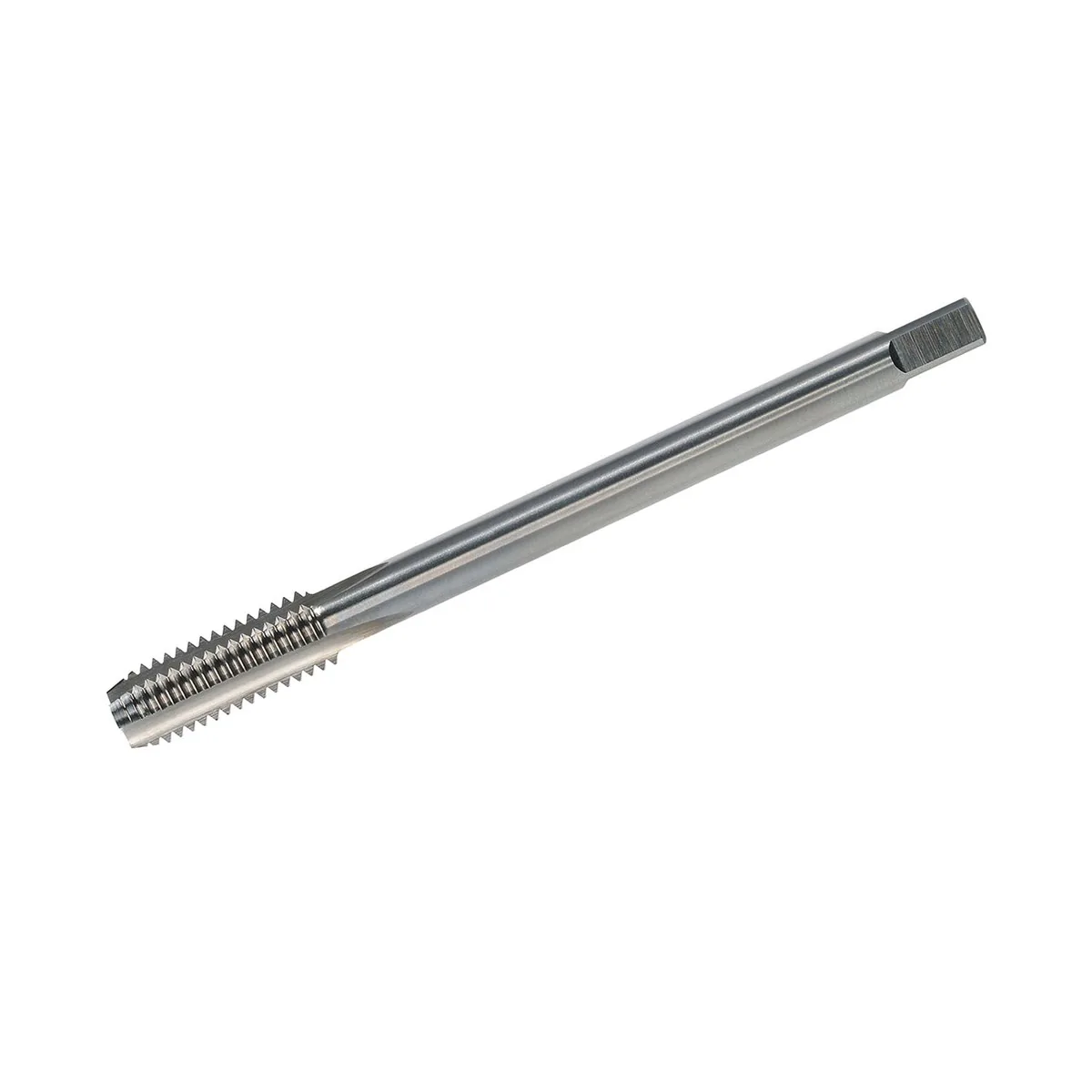
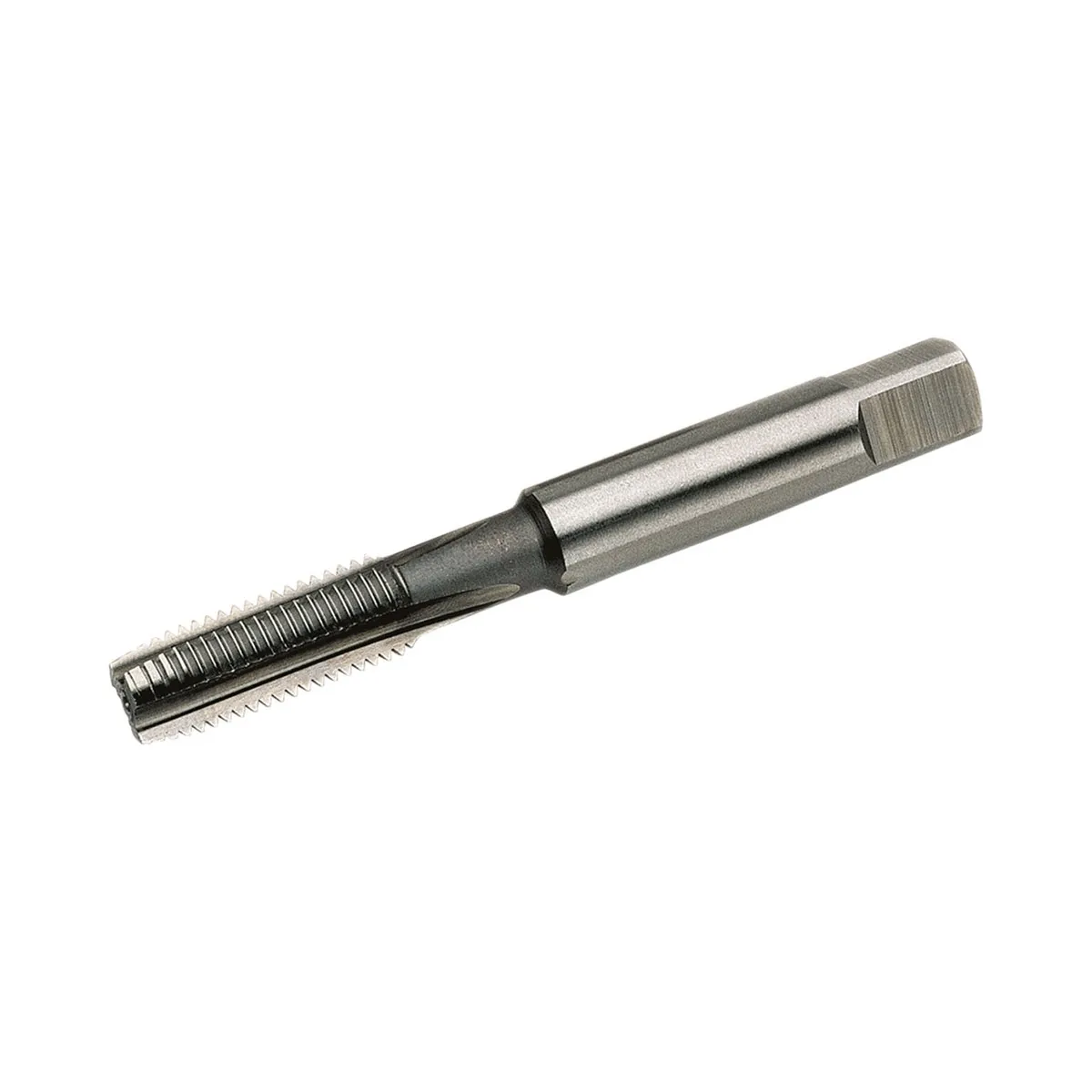
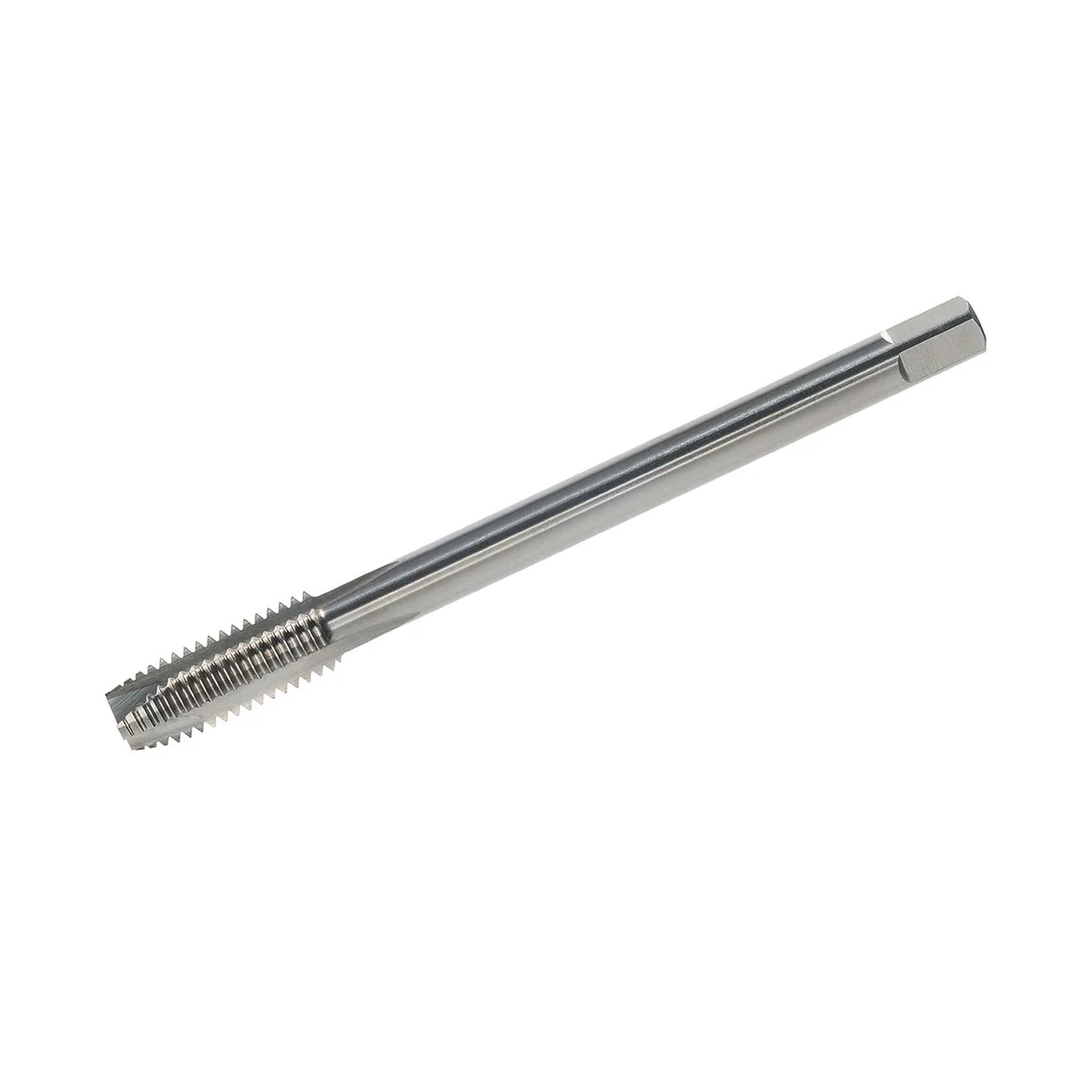
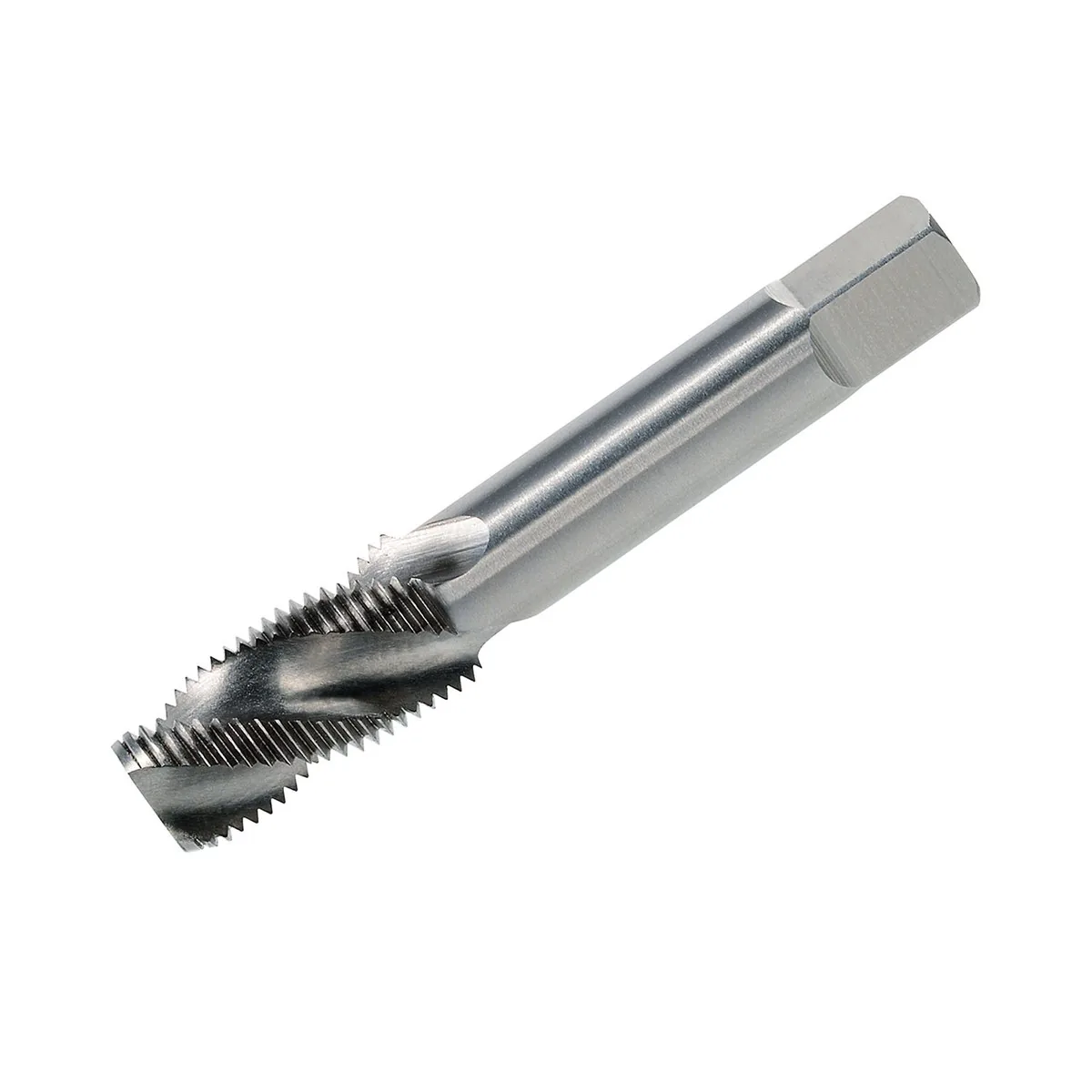
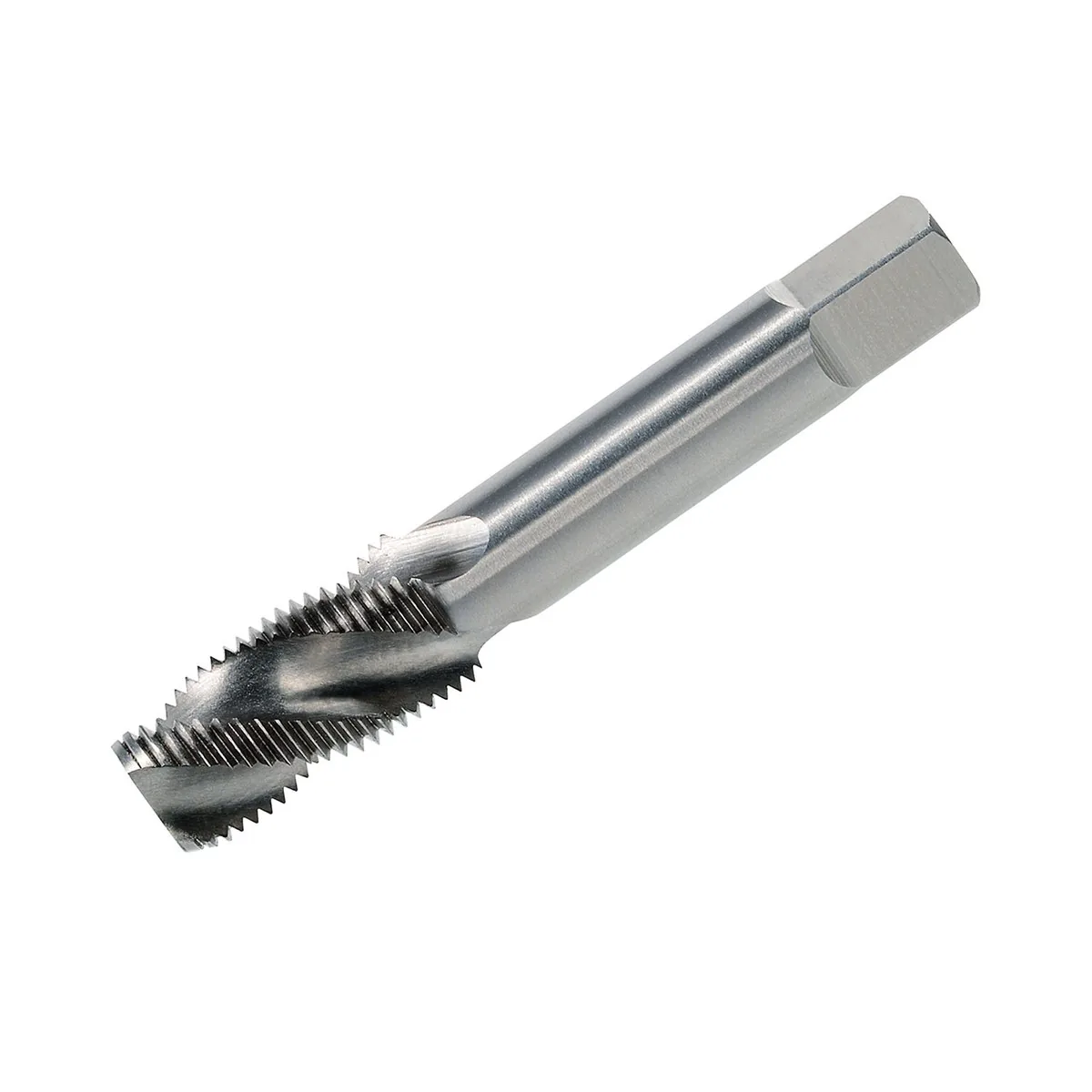
Mũi taro máy DIN 374 Form C HSSE ren trái - FG 14.3 x 20 LH VÖLKEL, mã 79408, phù hợp cho gia công ren trong.

This Mũi taro máy is designed as a single-pass tap, specifically for machine cắt ren in a single operation. It's ideal for fast series production and repairs. The special feature of this tool is its left-hand thread (LH)which was developed specifically for the left pedal axle and crank arm on bicycles. Its high-quality HSSE material and short Form C chamfer allow for precise work in common metals.
Q1: Why does the left pedal have a left-hand thread?
A1: Contrary to the common belief, the reason is not that the pedaling motion tightens the pedal. Instead, a slight wobbling or "tumbling" movement of a loose pedal axle in the crank arm causes the axle to slowly rotate within the thread. This rotation is opposite to the pedaling direction. The left-hand thread on the left side is a technical precaution that uses this rolling rotation to tighten the pedal, preventing it from coming loose.
Q2: What are the consequences if the axle rotates within the thread?
A2: The slow rolling of the axle in the thread causes wear, which is known in mechanical engineering as fretting corrosion. This wear can be prevented by ensuring the pedal axle is securely seated in the thread, preventing any relative movement to the crank arm.
Q3: What is the FG bicycle thread standard?
A3: The FG bicycle thread is standardized according to DIN 79012 and has a flank angle of 60°. Different sizes exist for various bicycle parts. Common applications include the fork steerer tube (FG 25.4) and the pedal axles (FG 14.3 with right-hand and left-hand threads).
Q4: Why is this tool designed as a single-pass Mũi taro máy?
A4: As a single-pass tap, this tool cuts the thread in a single operation. This makes it particularly efficient for machine use, especially in the fast production of large quantities, as no additional steps are required.
Q5: What do "Form C" and "straight flutes" mean for this tap?
A5: The Form C design is a short lead of 2 to 3 threads. In combination with the straight flutesthis results in poor chip evacuation. Therefore, this tap should ideally be used for threads with a shallow depth in through or lỗ bít.
Q6: What is the difference between the German and English standards for bicycle threads?
A6: The German bicycle thread is standardized according to DIN 79012, while the English standard is BS 811 (British Standard Cycle, BSC). Although the nominal sizes are specified in mm and inches, respectively, the thread dimensions are largely identical.
Q7: What does the material designation HSS-E mean?
A7: HSS-E (High Speed thép with Cobalt) is a high-performance alloyed high-speed thép. The addition of cobalt increases the tool's hardness, temperature resistance, and wear resistance. This leads to a significantly longer tool life, especially when machining materials that are difficult to cut.
Have more questions? We're happy to help! You can reach us anytime via our biểu mẫu liên hệ.
| Loại ren | Cycle thread |
|---|---|
| Tiêu chuẩn | DIN 374 |
| Form | Form C |
| Vật liệu | HSSE |
| Tolerance | medium |
| Kích thước | FG 14.3 x 20 LH |
| Overall length (L1) | 100 mm |
| Thread length (L2) | 22 mm |
| Core hole diameter (D1) | 13.1 mm |
| Shank diameter (D2) | 11.0 mm |
| Drive connector | 9.0 mm |
| EAN | 4022835794080 |
| Mã hàng | 79408 |
| Type of flute | straight fluted |
| Phạm vi ứng dụng | for through and blind holes |
| Chuẩn ren | DIN 79012 |