Áo sơ mi chạy bộ
 Bộ mũi khoan
 taro
Bộ mũi khoét
Bộ mũi khoan
Bộ mũi khoan taro
Bộ mũi khoét
 Bộ mũi taro ren trong
 Bộ sửa ren
 Bôi trơn cắt ren
Cặp taro máy + mũi khoan
Bôi trơn cắt ren
Cặp taro máy + mũi khoan
 Dụng cụ bẻ chân ren
 Dưỡng đo ren ngoai
 Dưỡng đo ren trong
Mũi doa vát mép
Mũi khoan kim loại
Dưỡng đo ren trong
Mũi doa vát mép
Mũi khoan kim loại
 Mũi taro cho ren cấy
Mũi taro ren trong
Mũi taro cho ren cấy
Mũi taro ren trong
 Ren cấy V-coil
 Taro ren máy
Taro ren tay
Tay cấy ren
Tay quay bàn ren
Tay quay taro trong
Taro ren máy
Taro ren tay
Tay cấy ren
Tay quay bàn ren
Tay quay taro trong
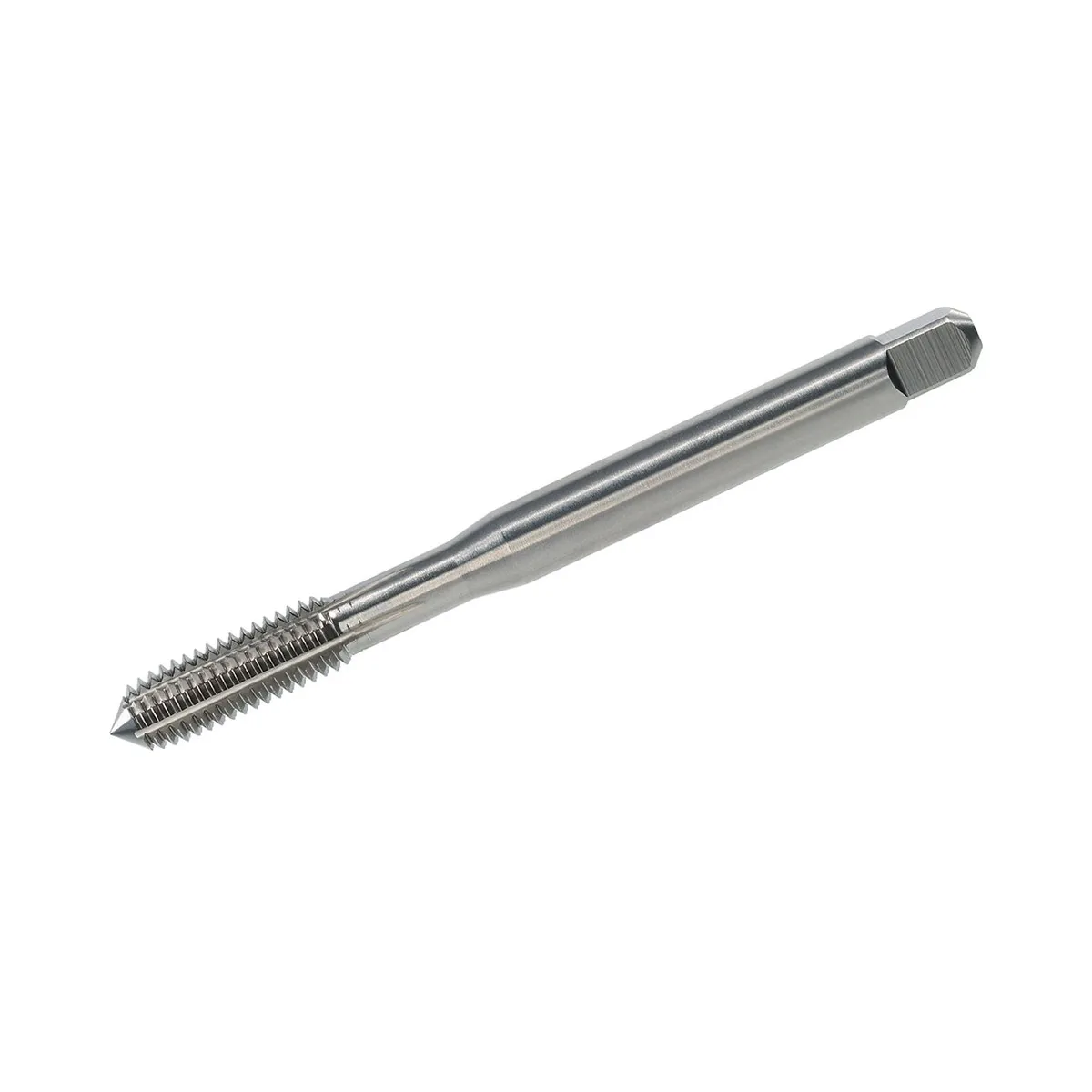

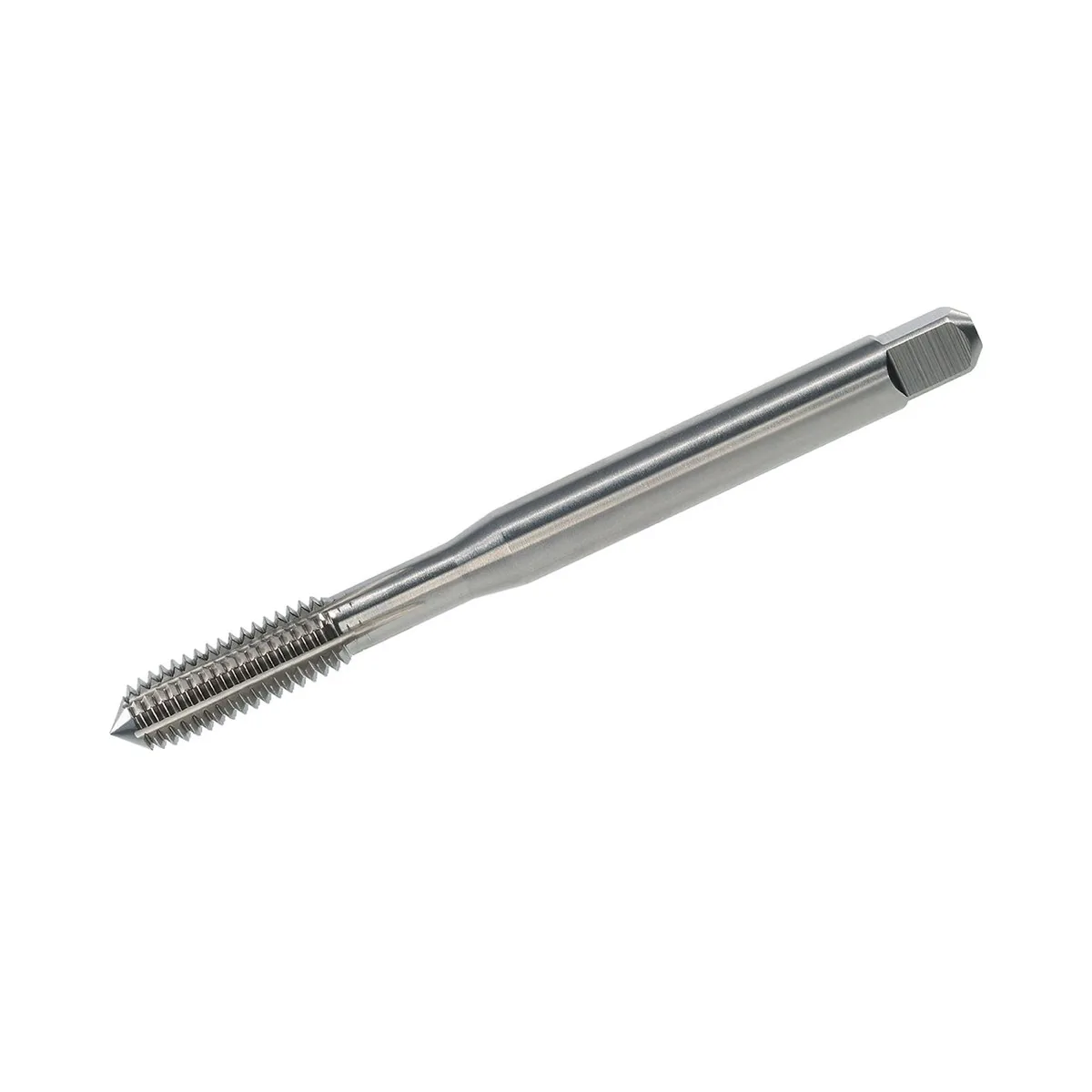
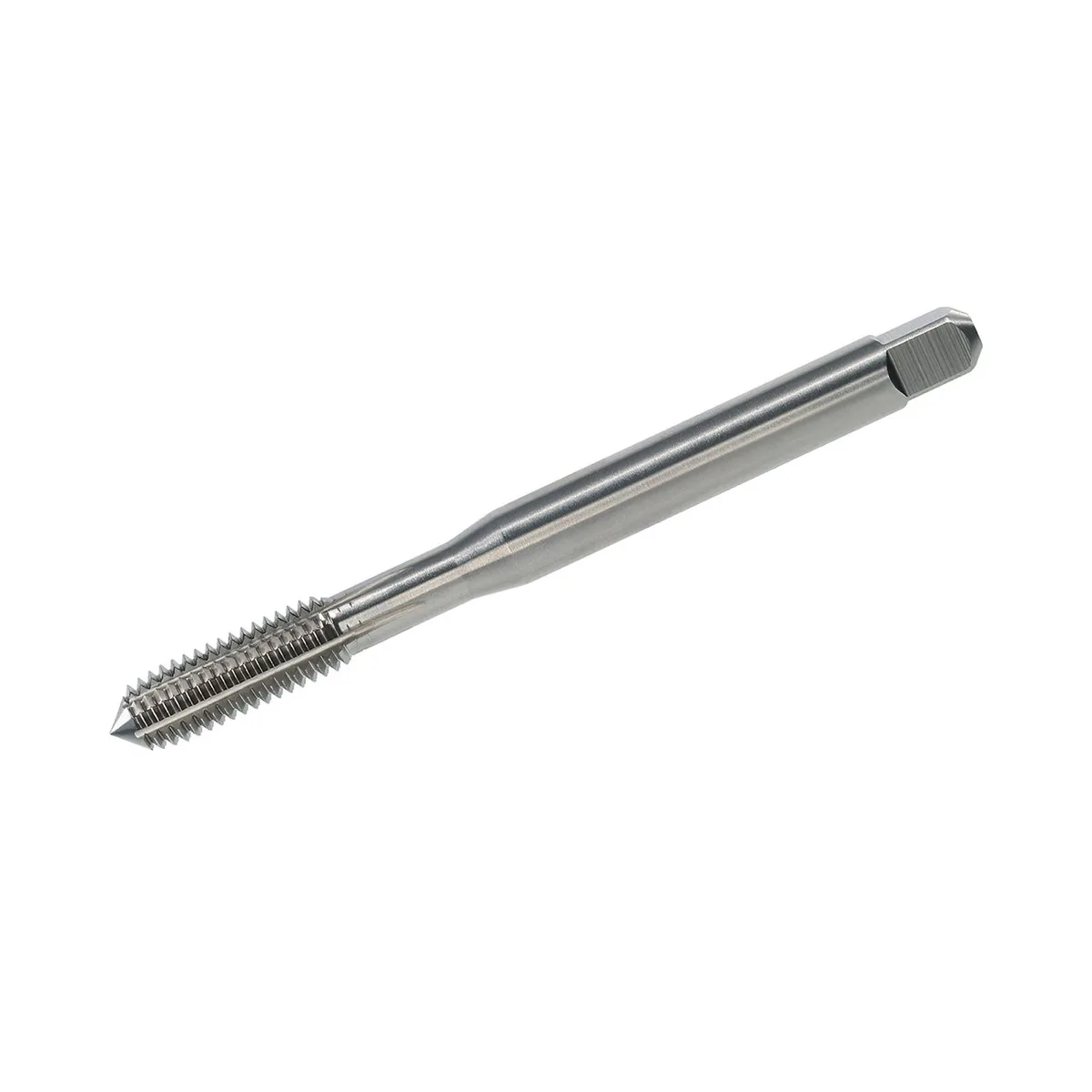
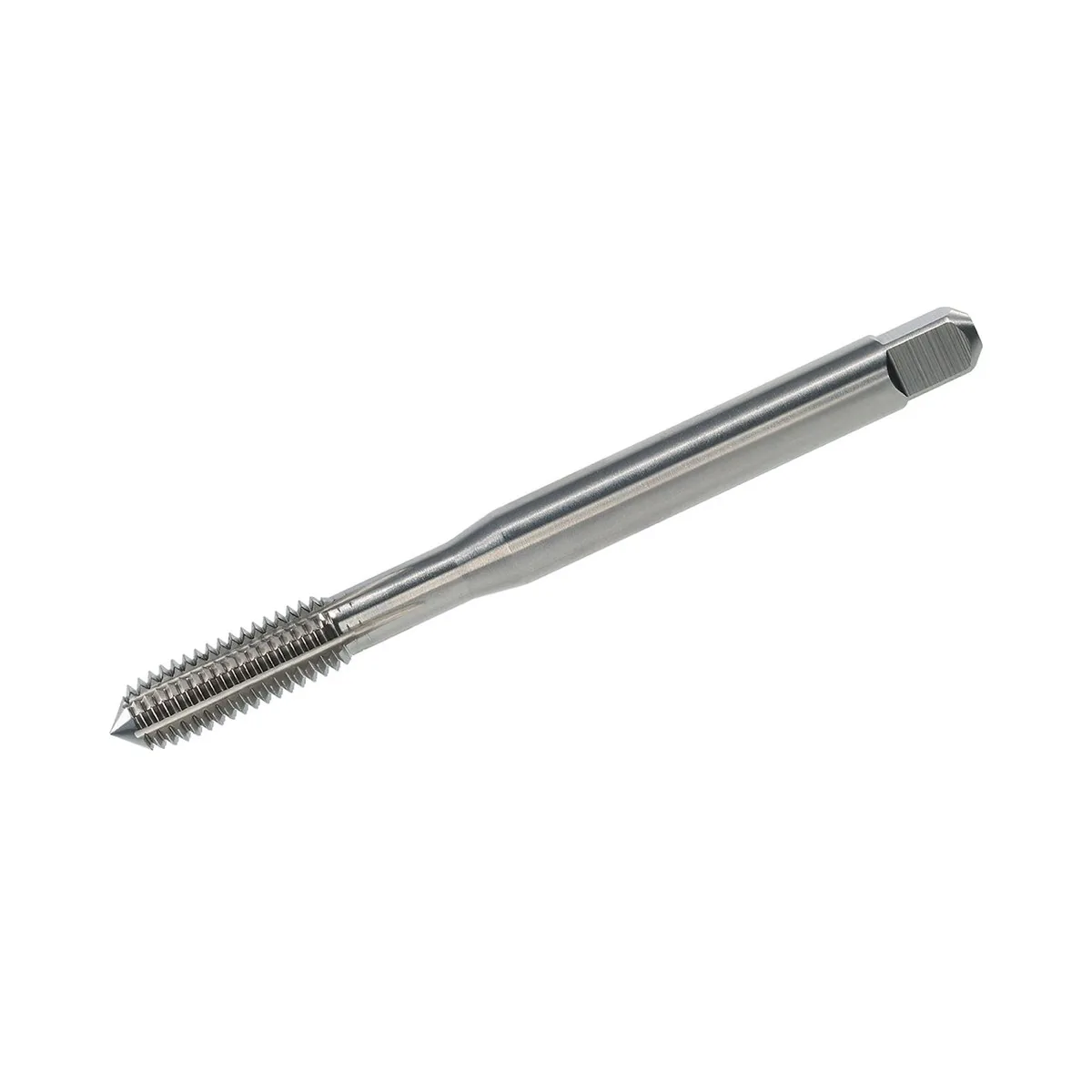
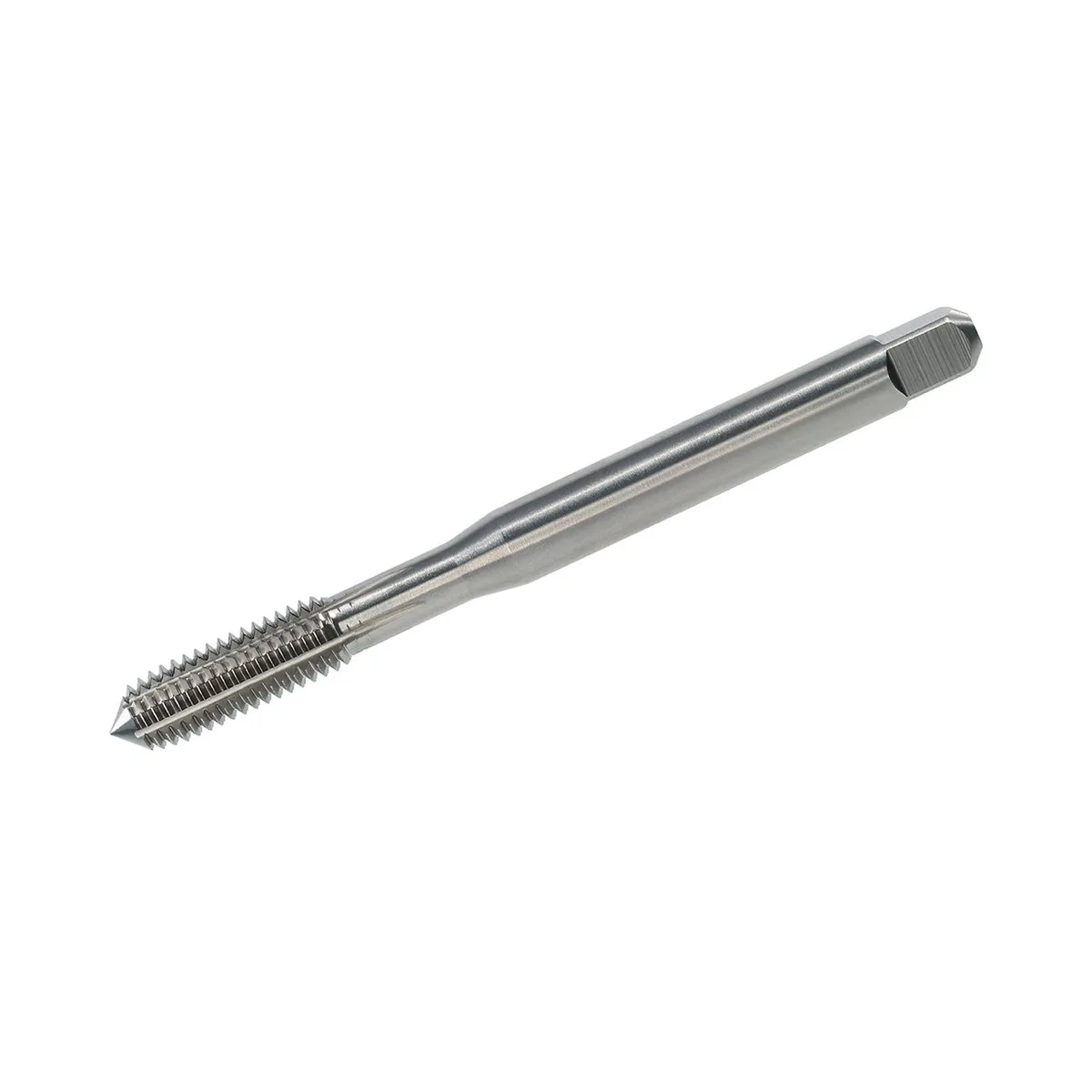
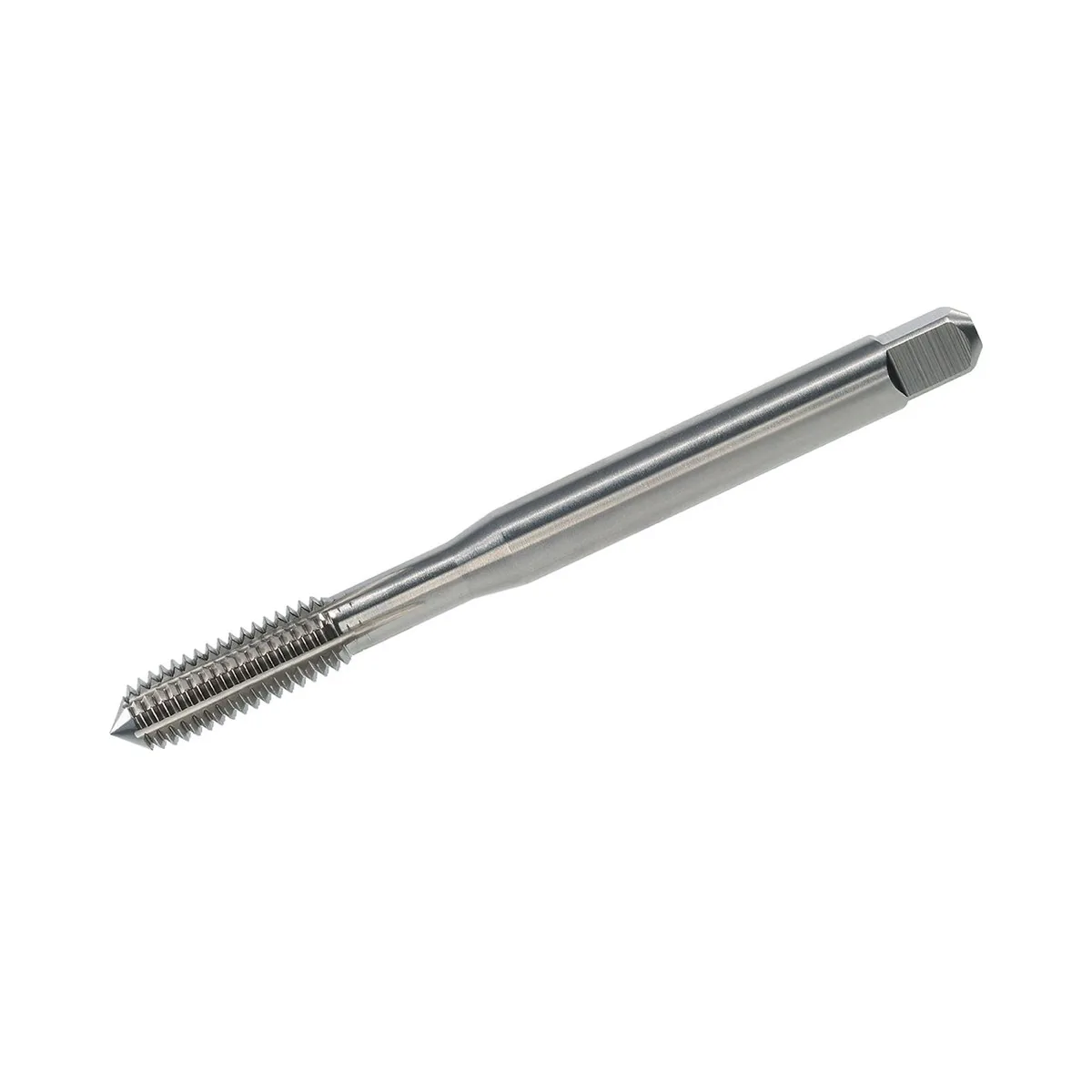
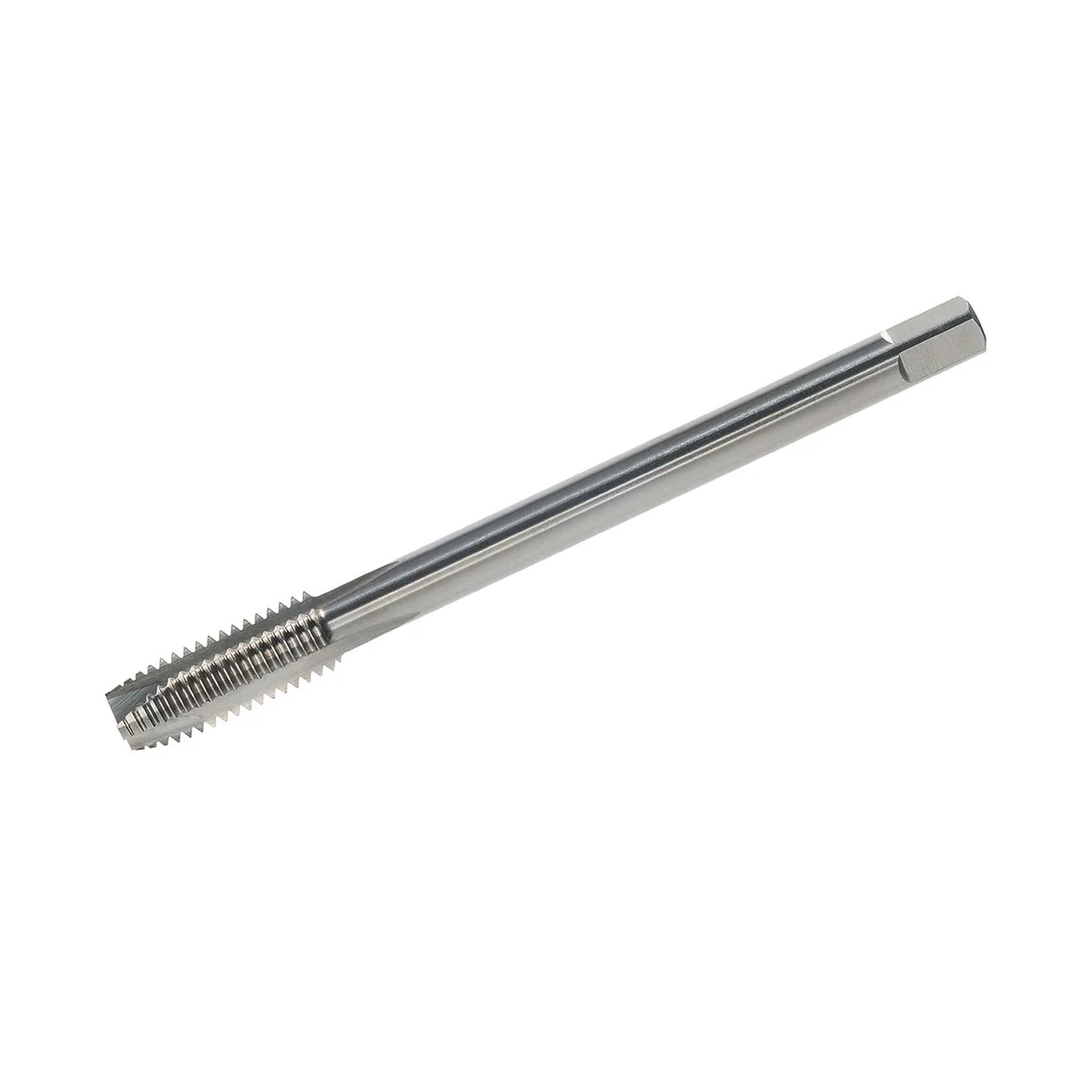
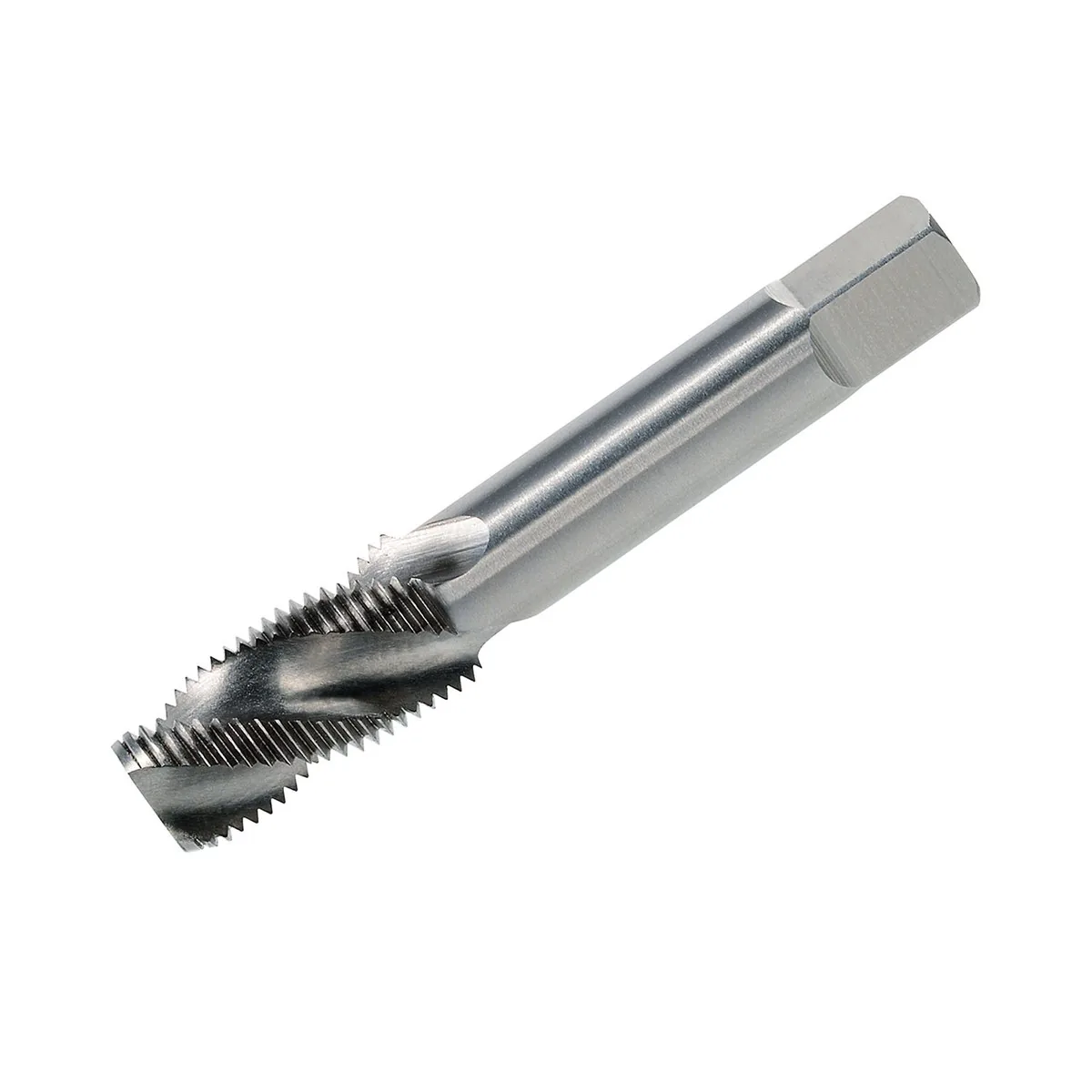
This Mũi taro nén ren is designed for consistent ren trong production in workshop and manufacturing settings. You select the thread designation from the product name and plan the process around the material and the hole condition.
If you use a CNC cycle, you keep feed and rotation synchronised and monitor torque to detect tool wear early. After the pass you clean the thread and remove residual chips before assembly.
Lưu ý For consistent results you verify thread designation on the drawing and match it to the execution in the product name.
Scope of supply is not specified in the provided data.
Do you need help selecting or using the product?
Use the biểu mẫu liên hệ.
| Loại ren | metric ISO-thread |
|---|---|
| Tiêu chuẩn | DIN 371 |
| Form | Form C |
| Vật liệu | HSSE |
| Tolerance | ISO2X (6HX) |
| Kích thước | M 6 x 1.0 |
| Overall length (L1) | 80 mm |
| Thread length (L2) | 19 mm |
| Core hole diameter (D1) | 5.55 mm |
| Shank diameter (D2) | 6.0 mm |
| Drive connector | 4.9 mm |
| EAN | 4022835356141 |
| Mã hàng | 35614 |
| Type of flute | straight fluted |
| Phạm vi ứng dụng | for through and blind holes |
| Chuẩn ren | DIN 13 |