Áo sơ mi chạy bộ
 Bộ mũi khoan
 taro
Bộ mũi khoét
Bộ mũi khoan
Bộ mũi khoan taro
Bộ mũi khoét
 Bộ mũi taro ren trong
 Bộ sửa ren
 Bôi trơn cắt ren
Cặp taro máy + mũi khoan
Bôi trơn cắt ren
Cặp taro máy + mũi khoan
 Dụng cụ bẻ chân ren
 Dưỡng đo ren ngoai
 Dưỡng đo ren trong
Mũi doa vát mép
Mũi khoan kim loại
Dưỡng đo ren trong
Mũi doa vát mép
Mũi khoan kim loại
 Mũi taro cho ren cấy
Mũi taro ren trong
Mũi taro cho ren cấy
Mũi taro ren trong
 Ren cấy V-coil
 Taro ren máy
Taro ren tay
Tay cấy ren
Tay quay bàn ren
Tay quay taro trong
Taro ren máy
Taro ren tay
Tay cấy ren
Tay quay bàn ren
Tay quay taro trong
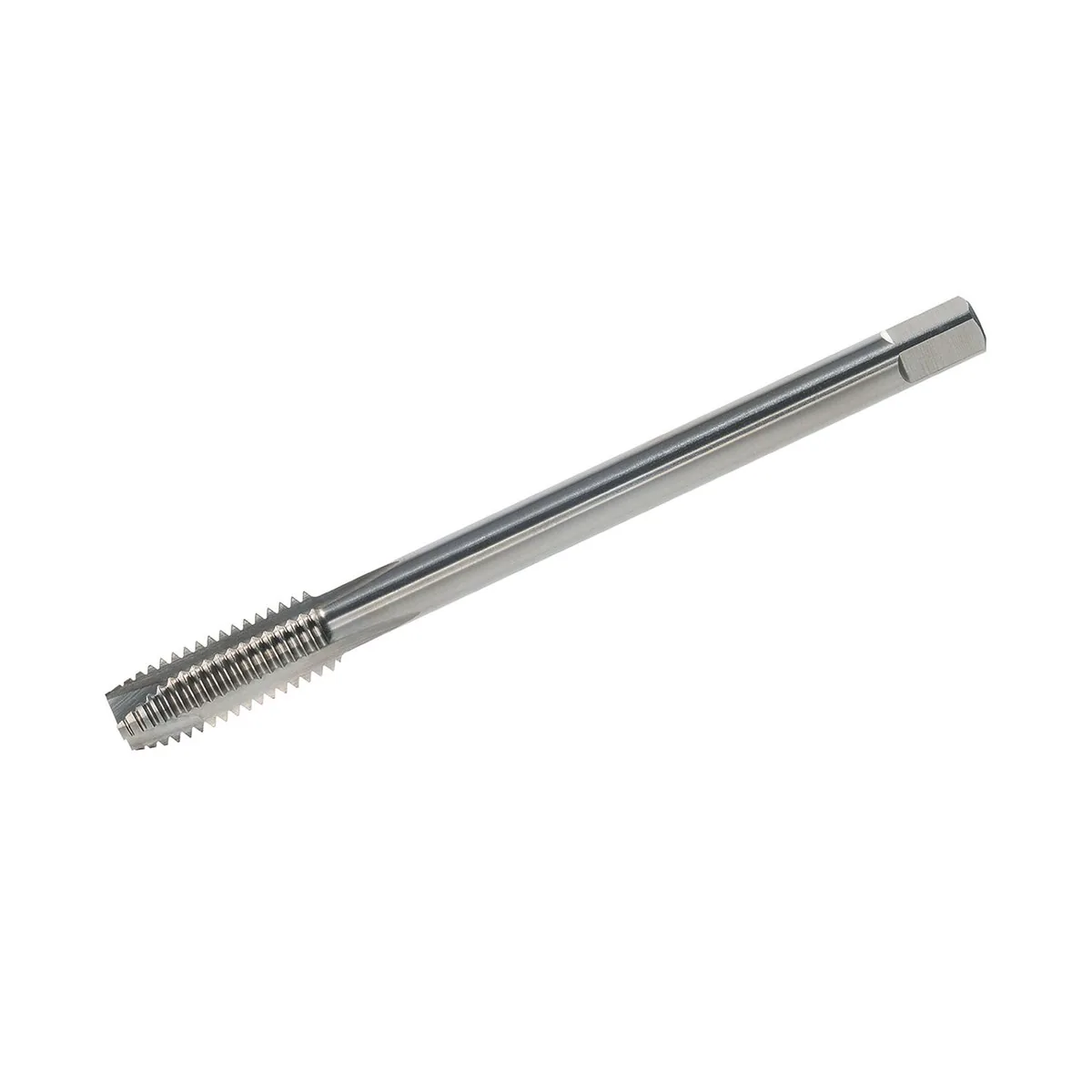
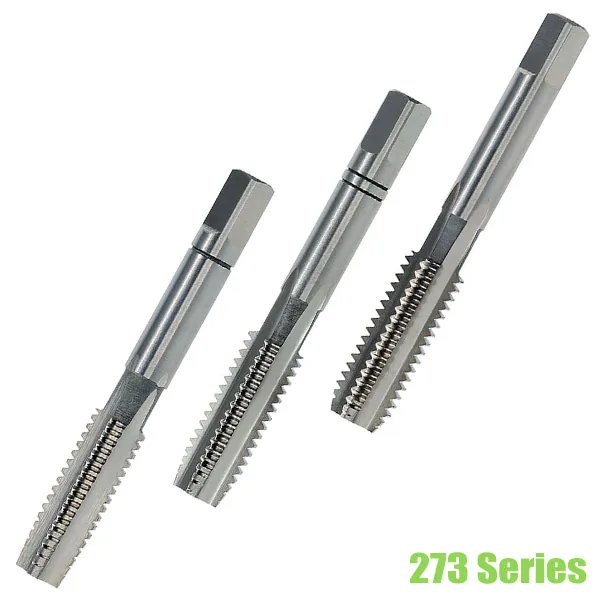
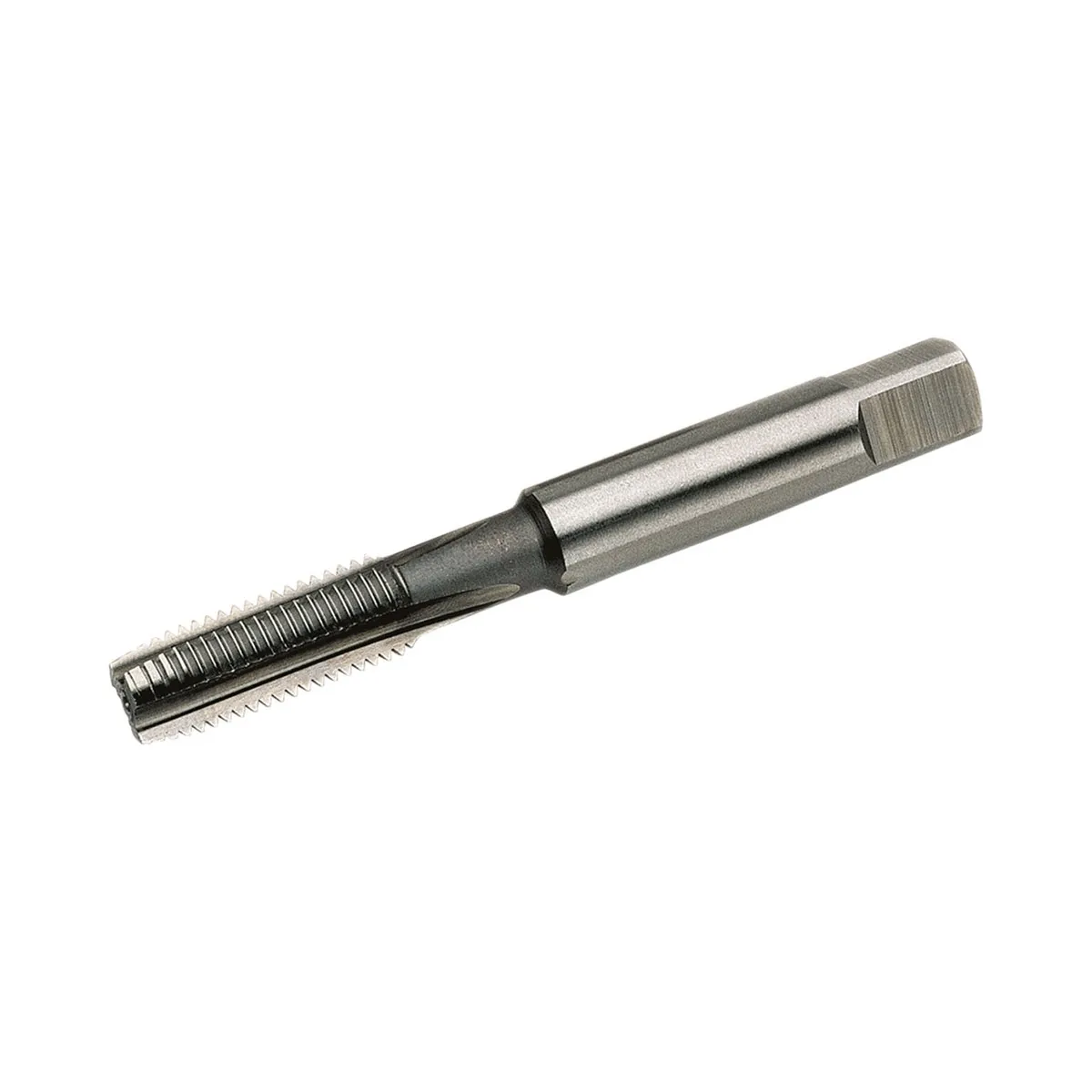
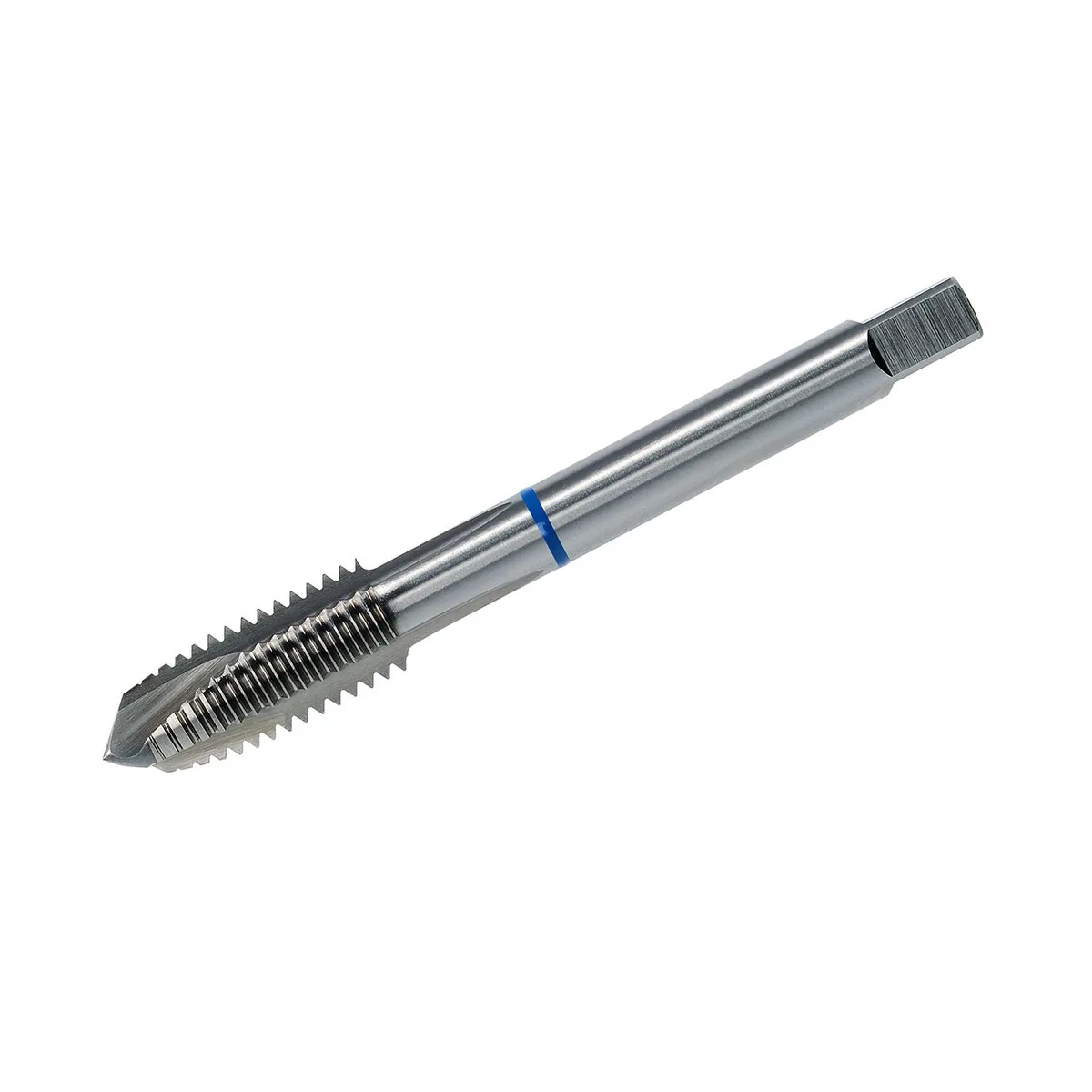
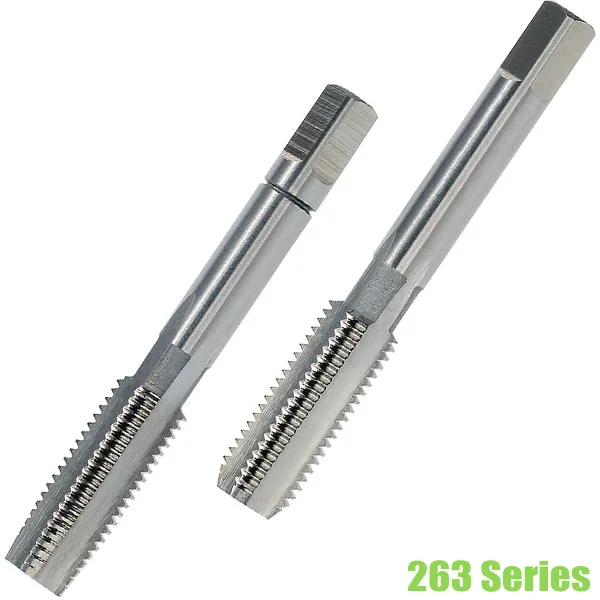
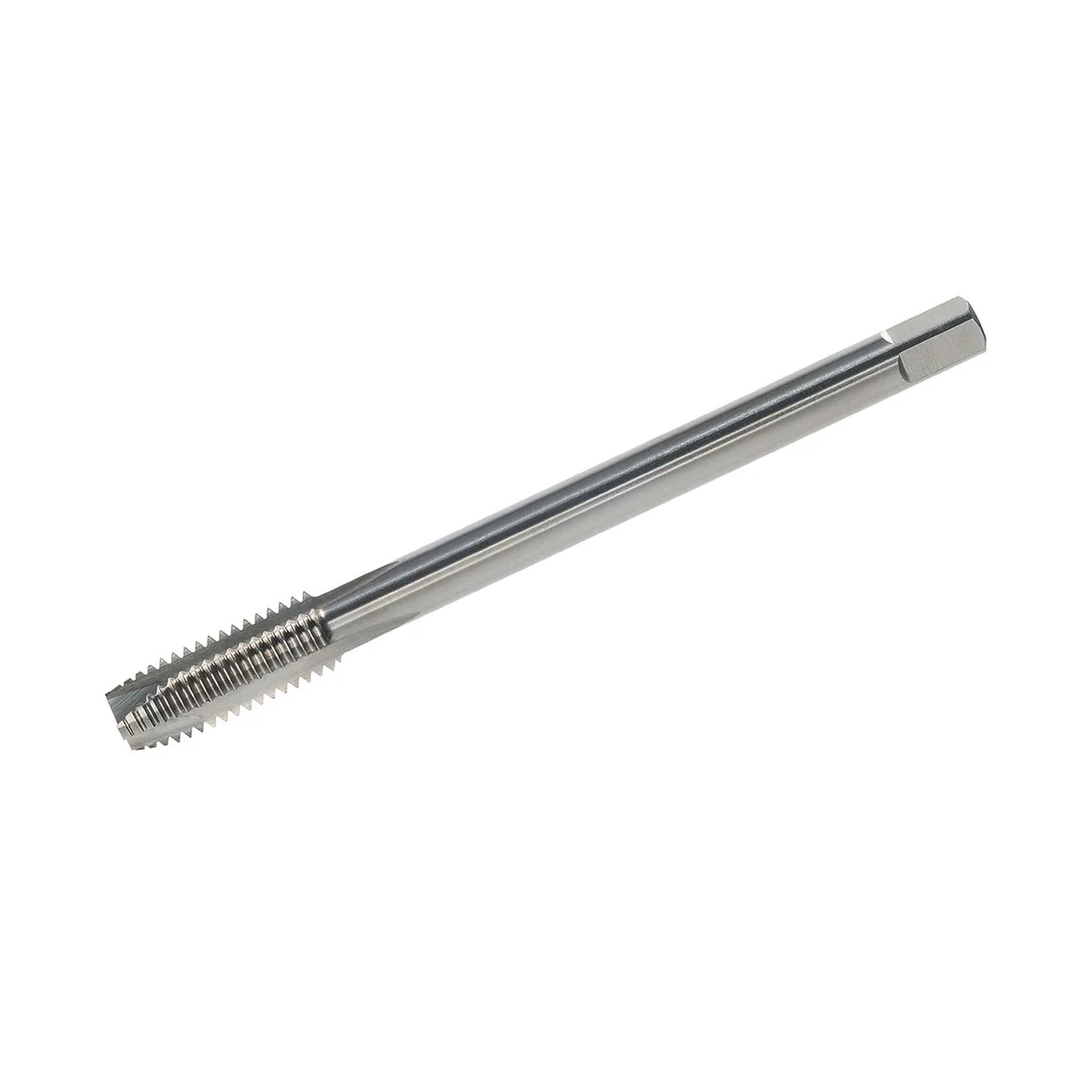
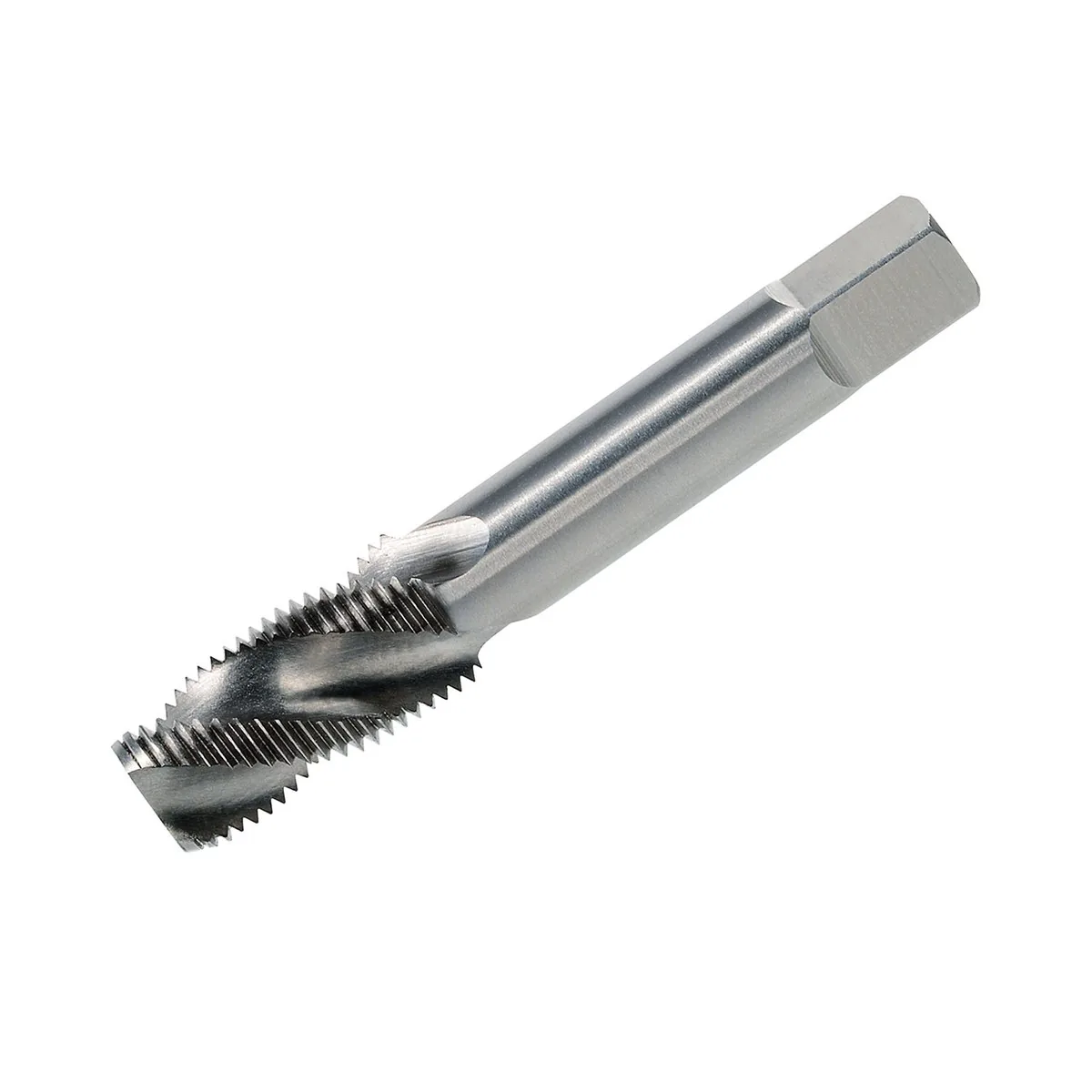
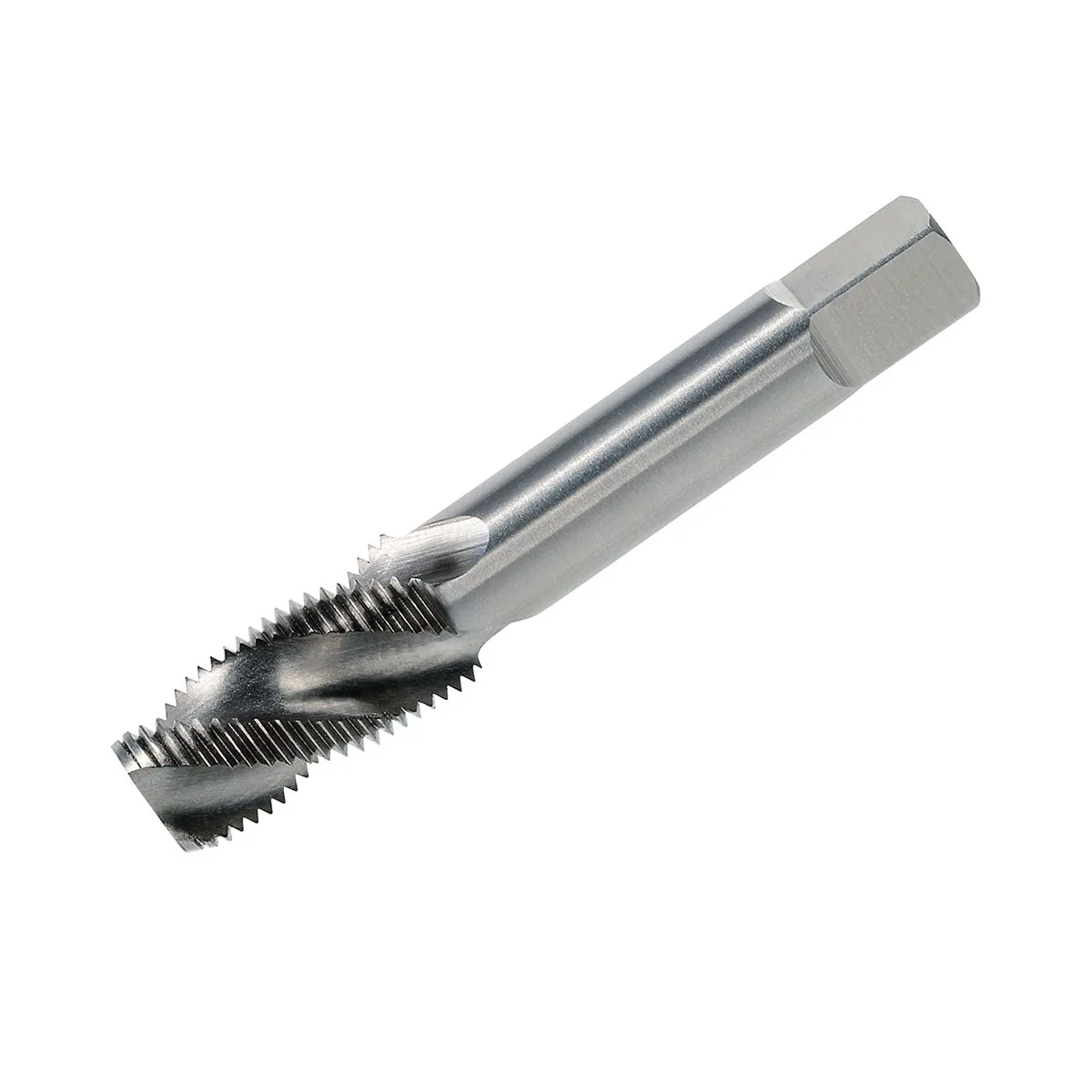
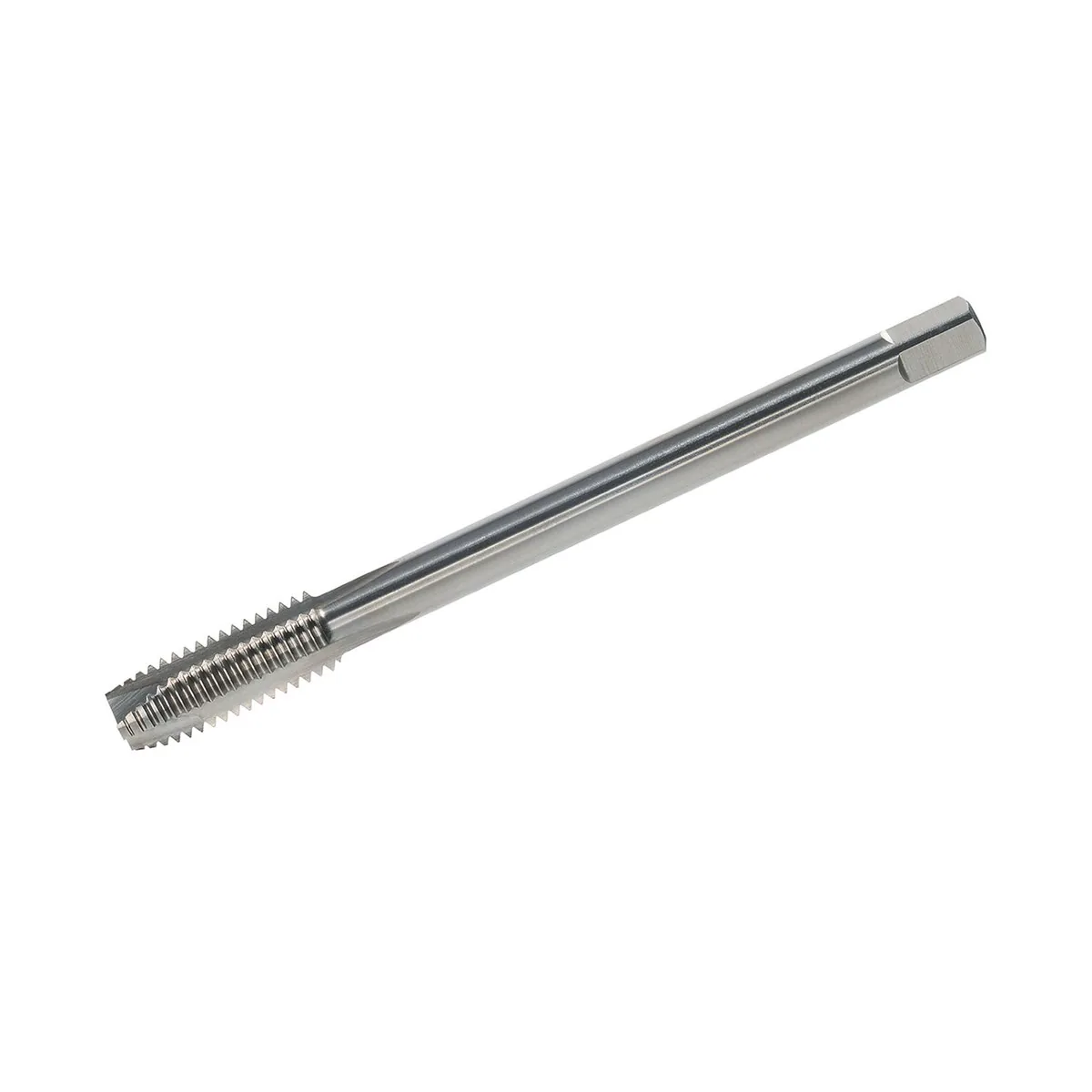
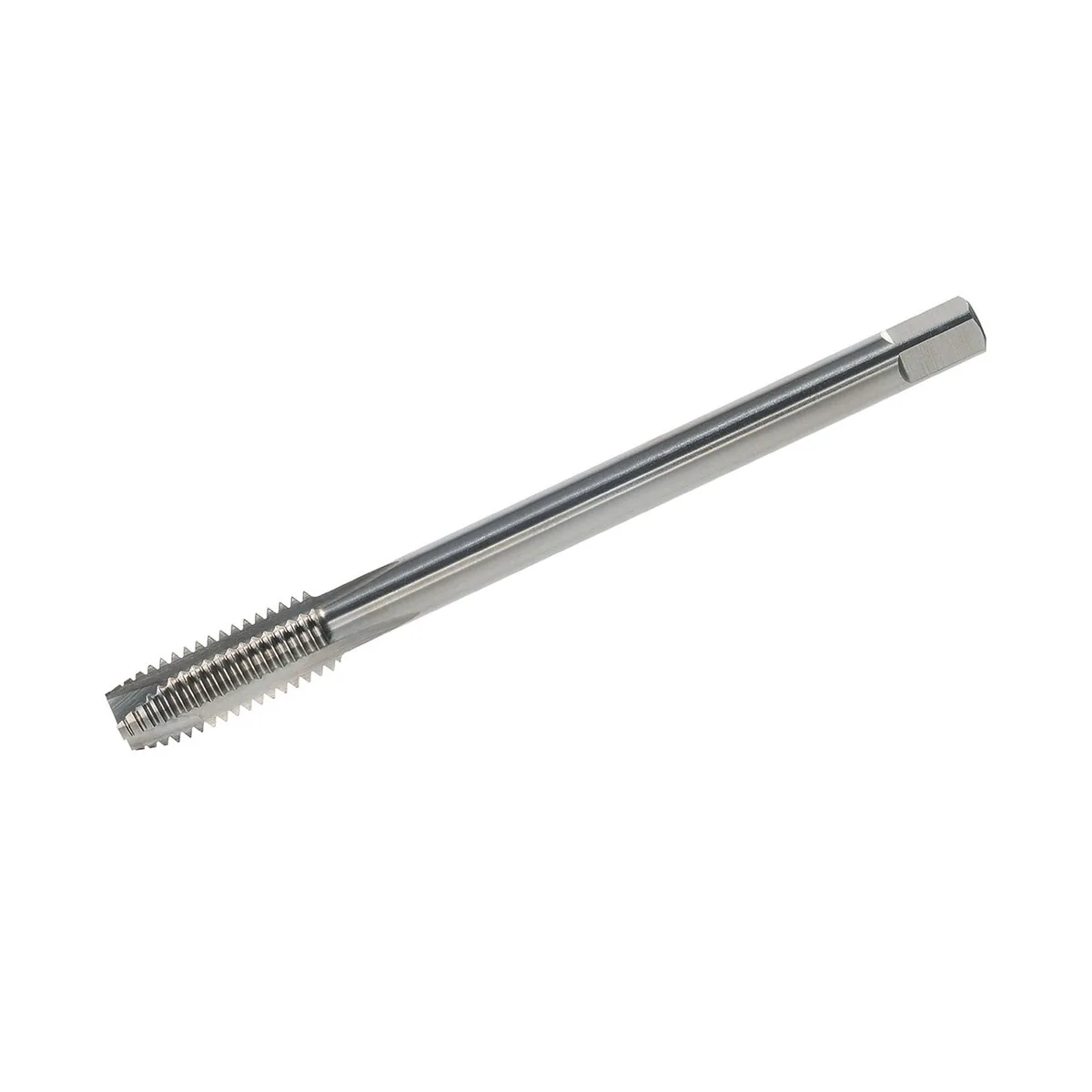
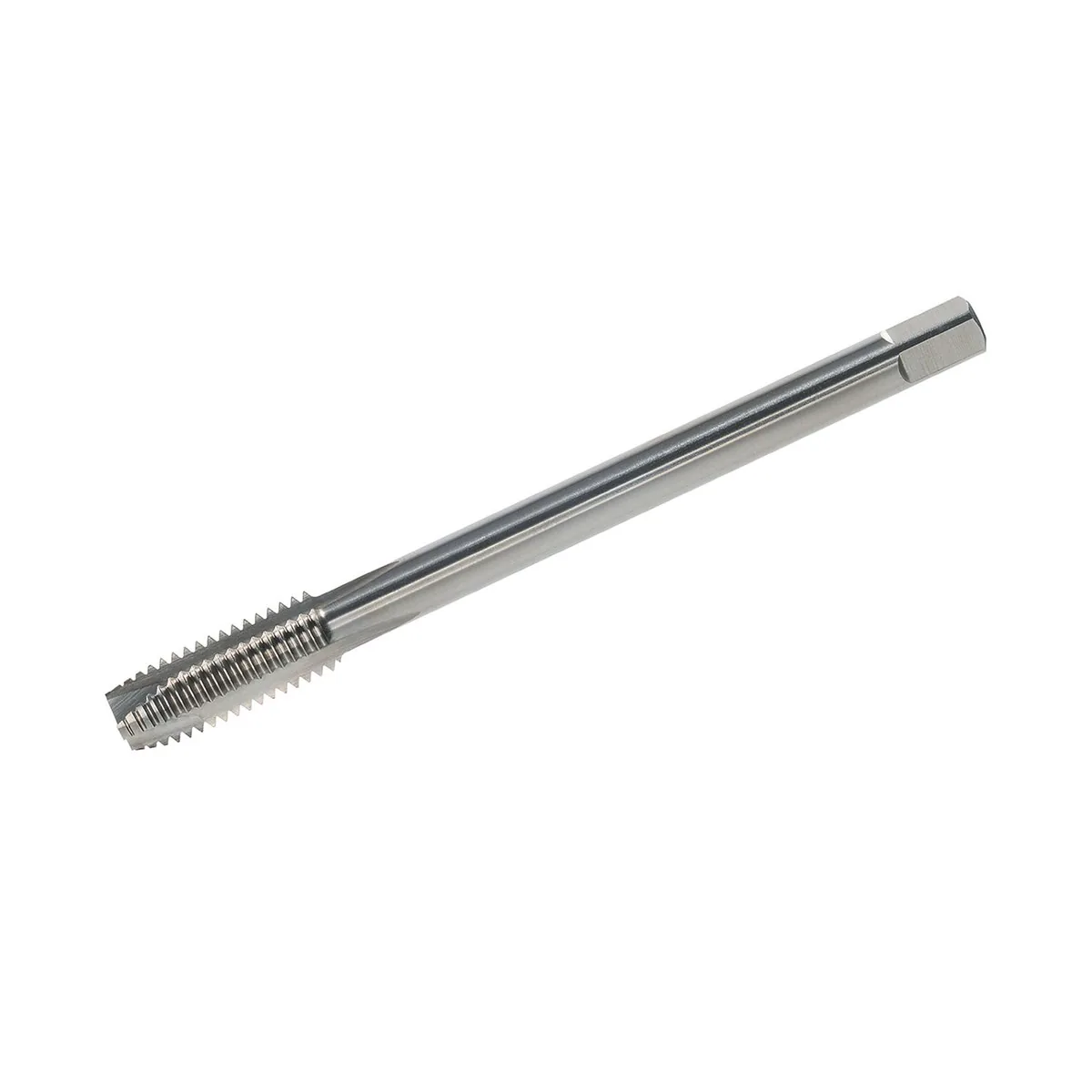
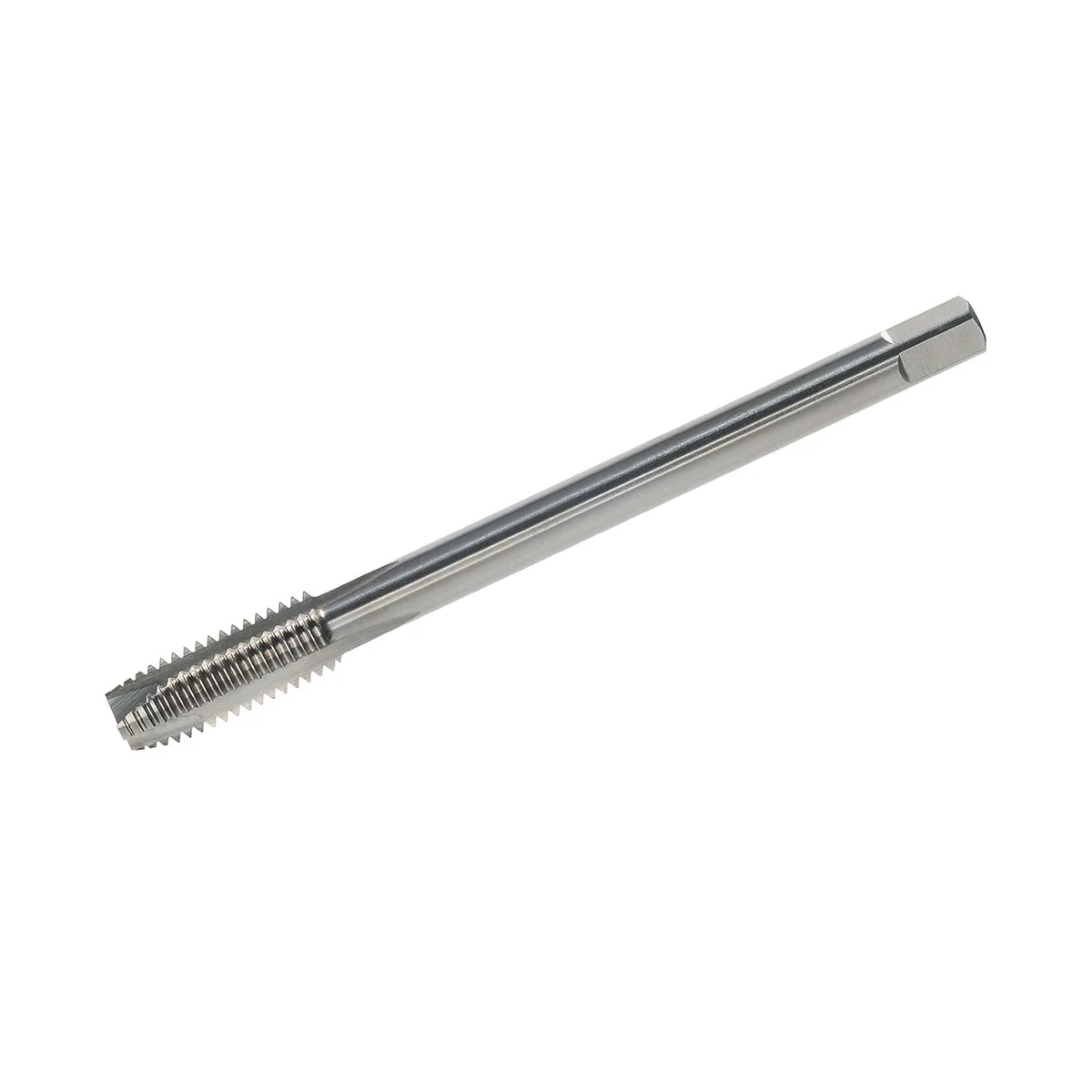
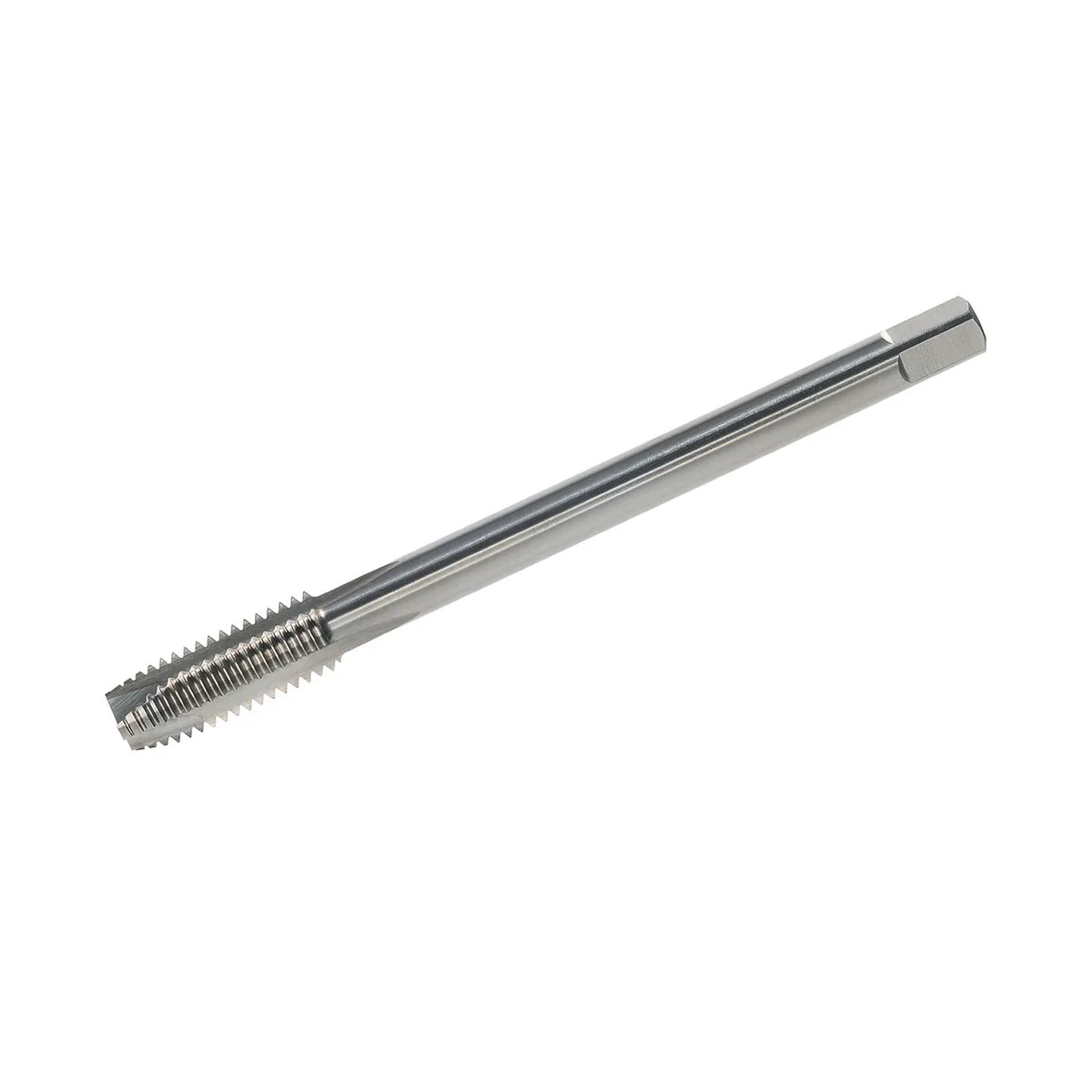
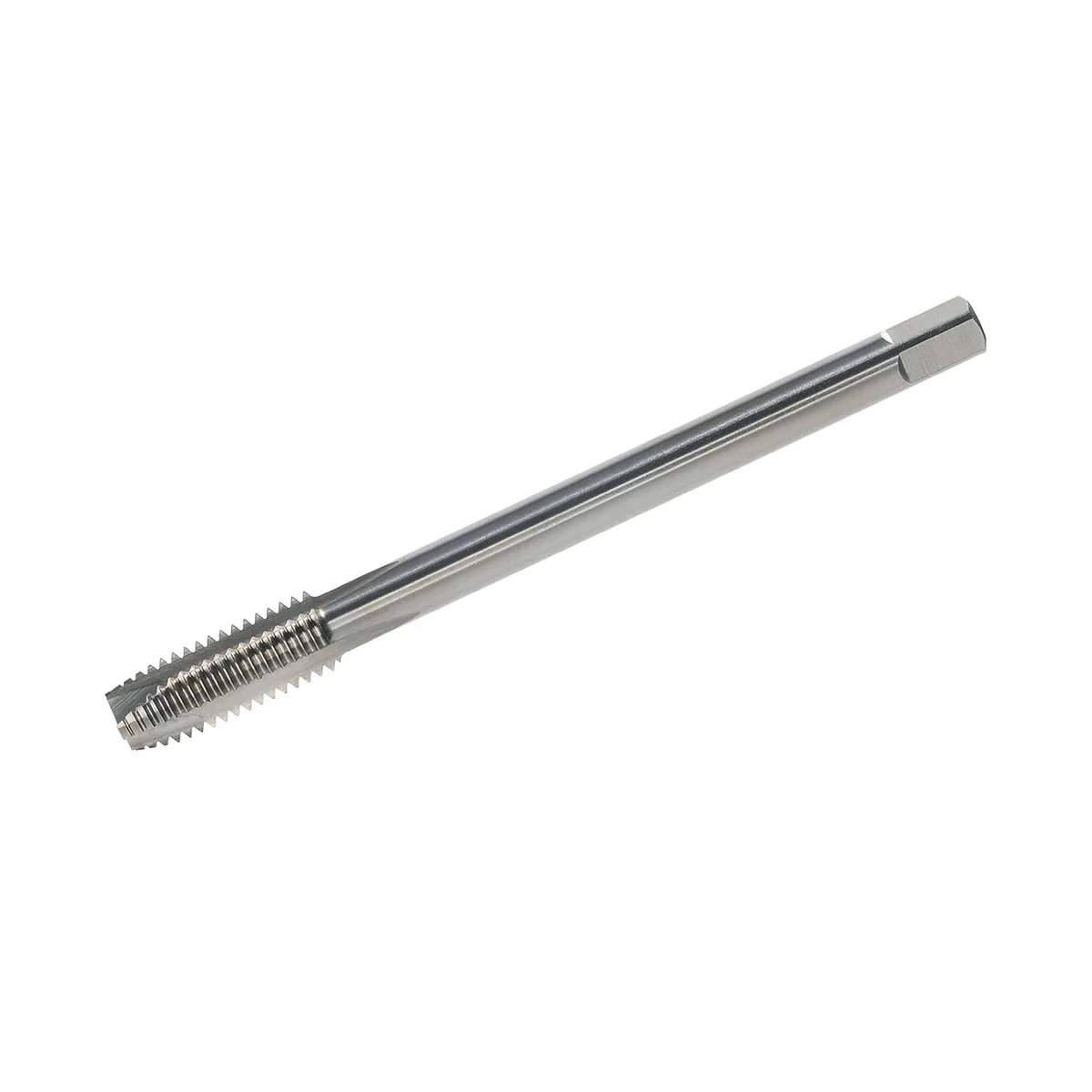
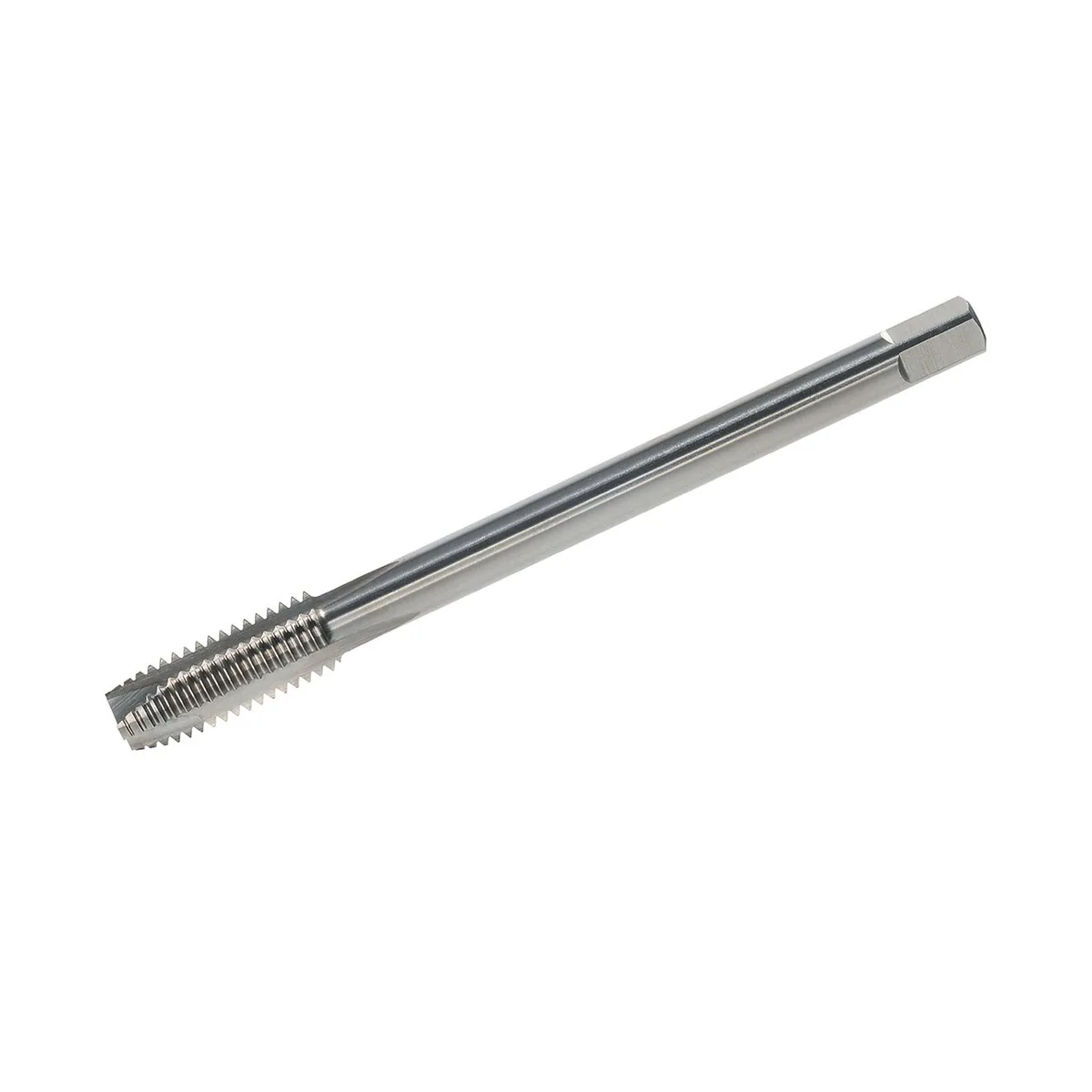
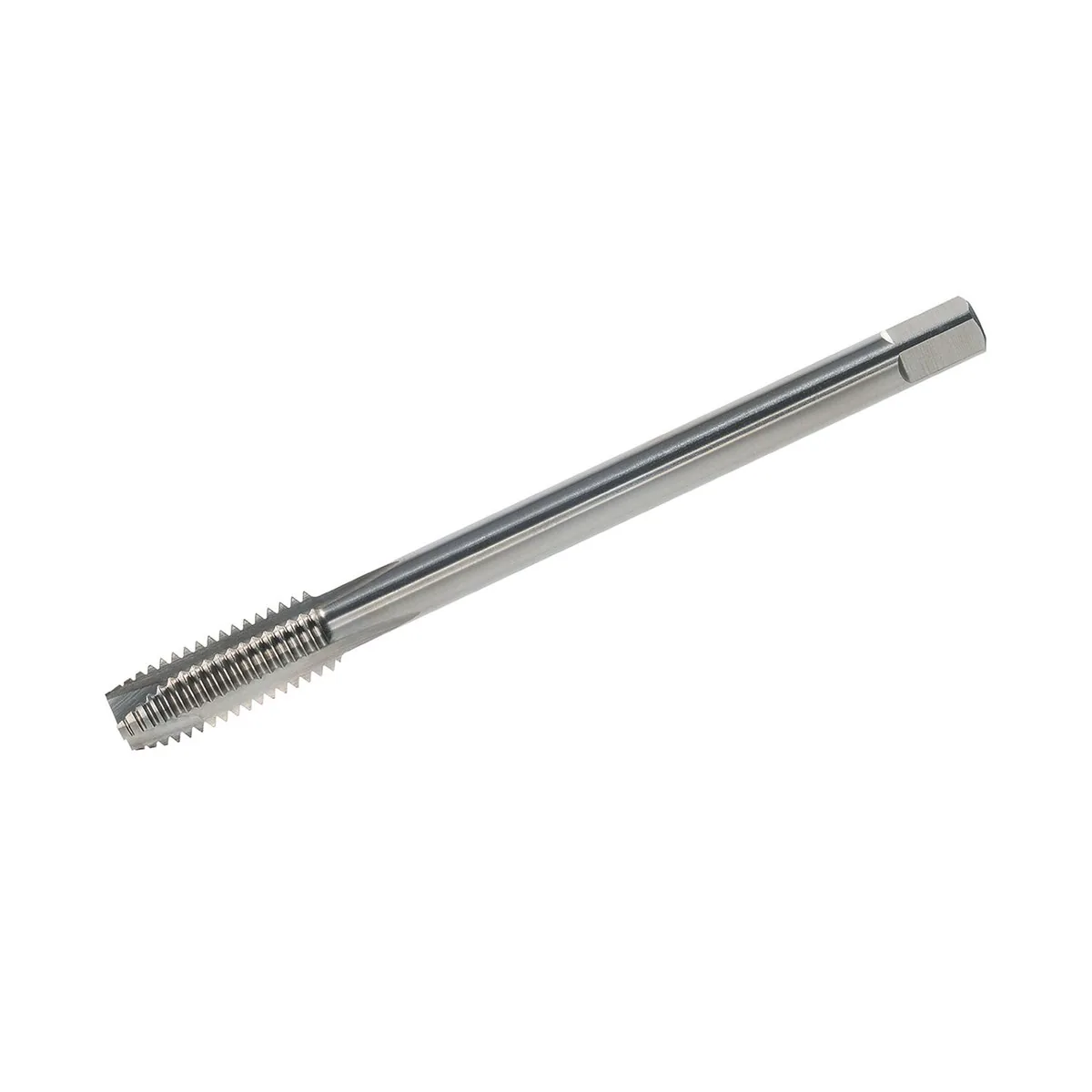
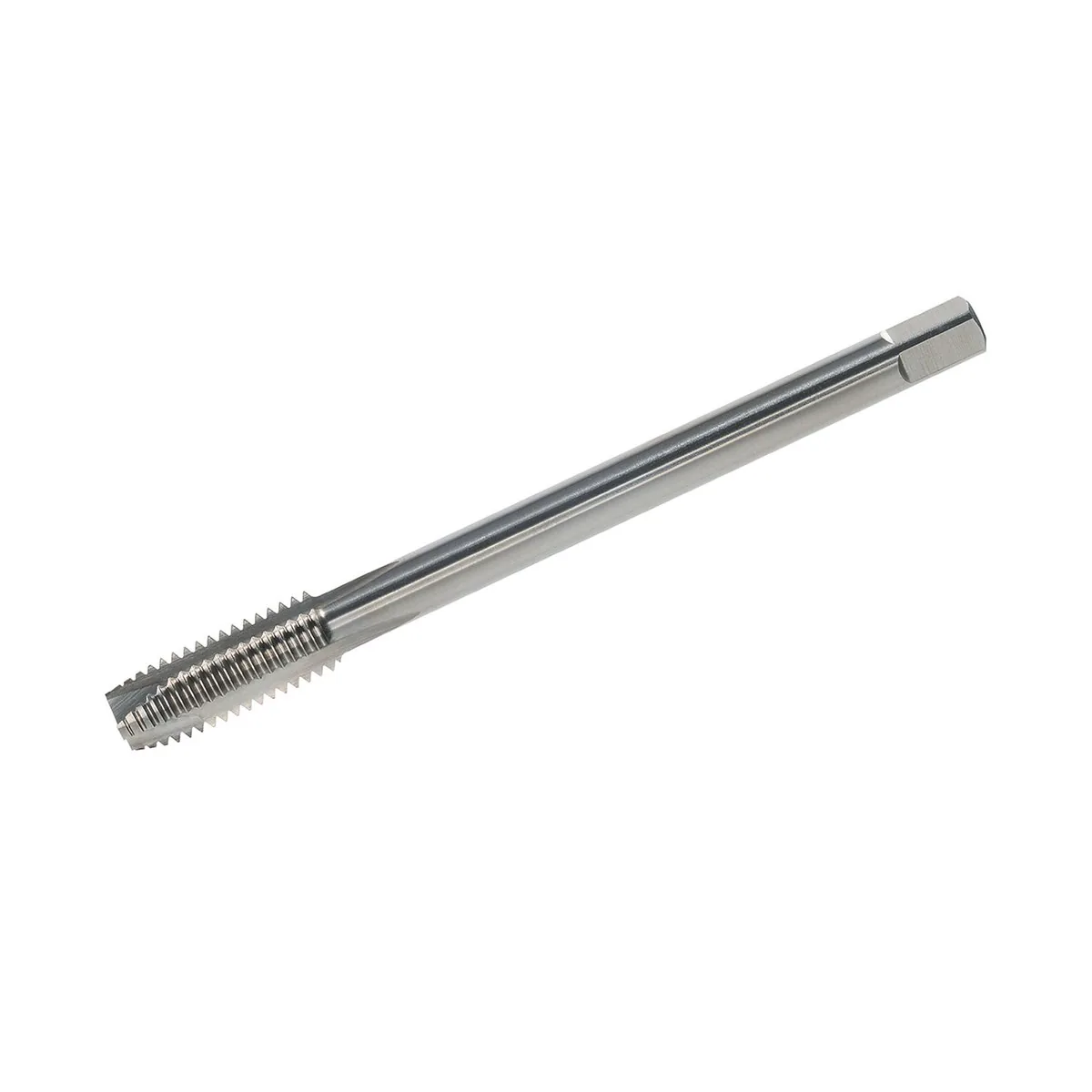
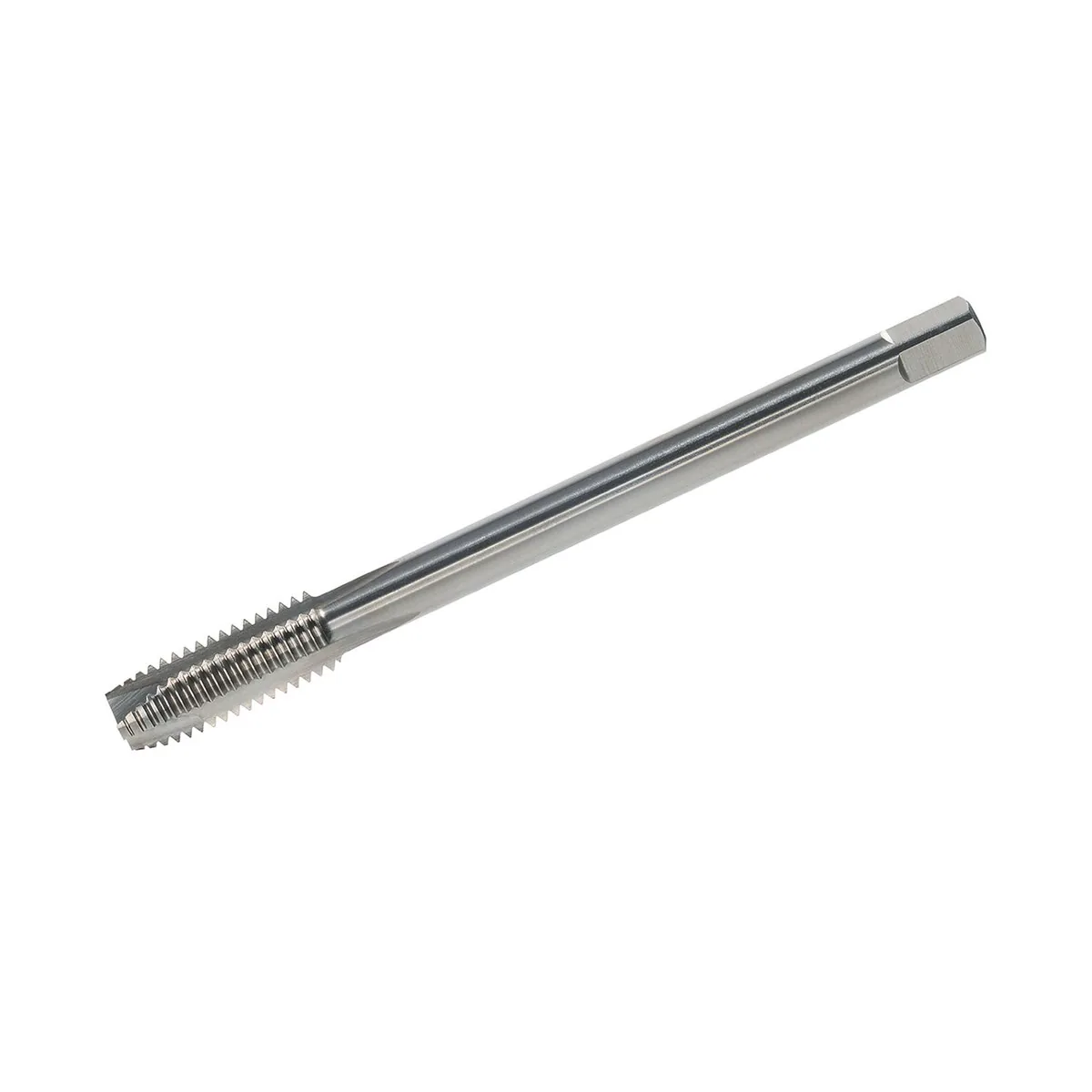
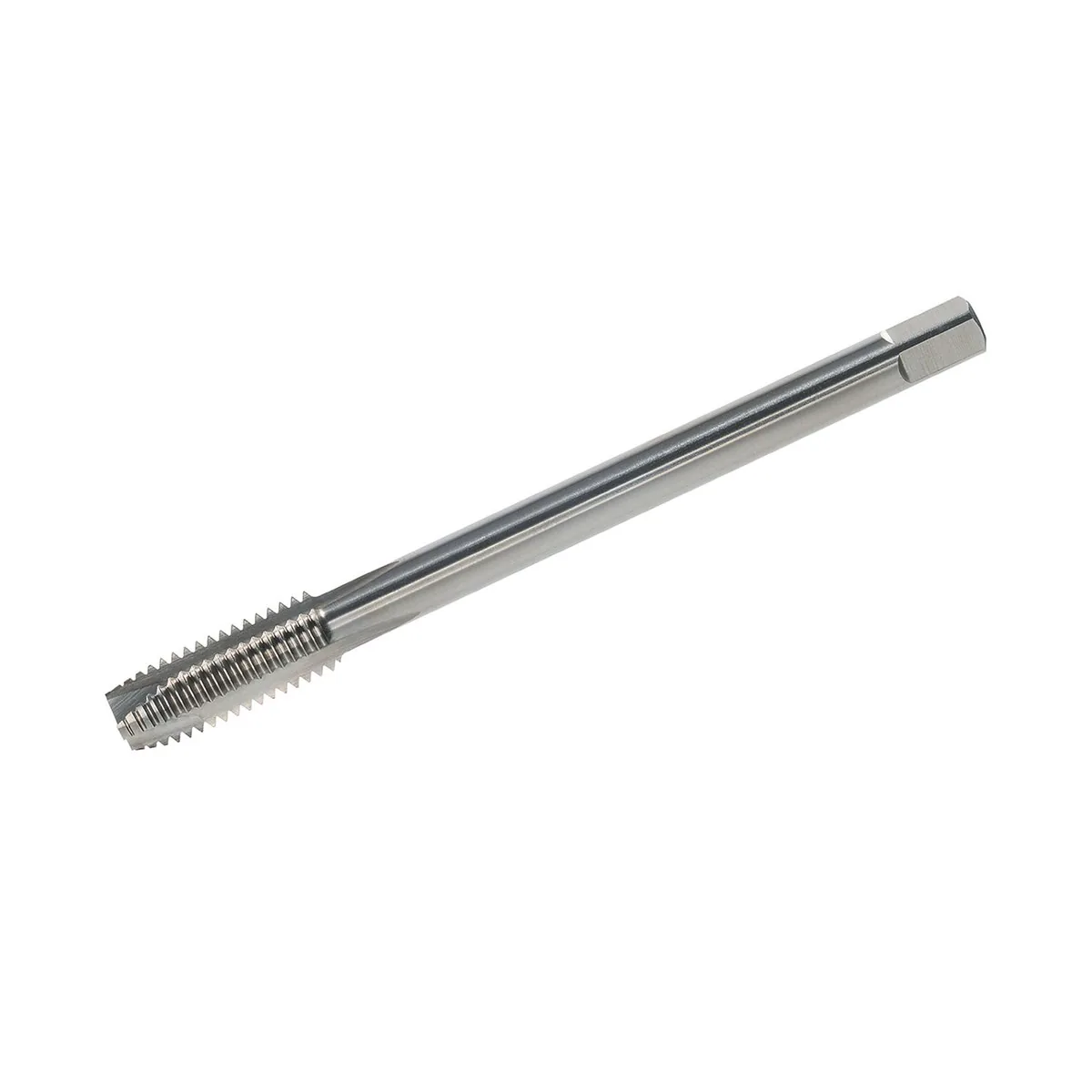
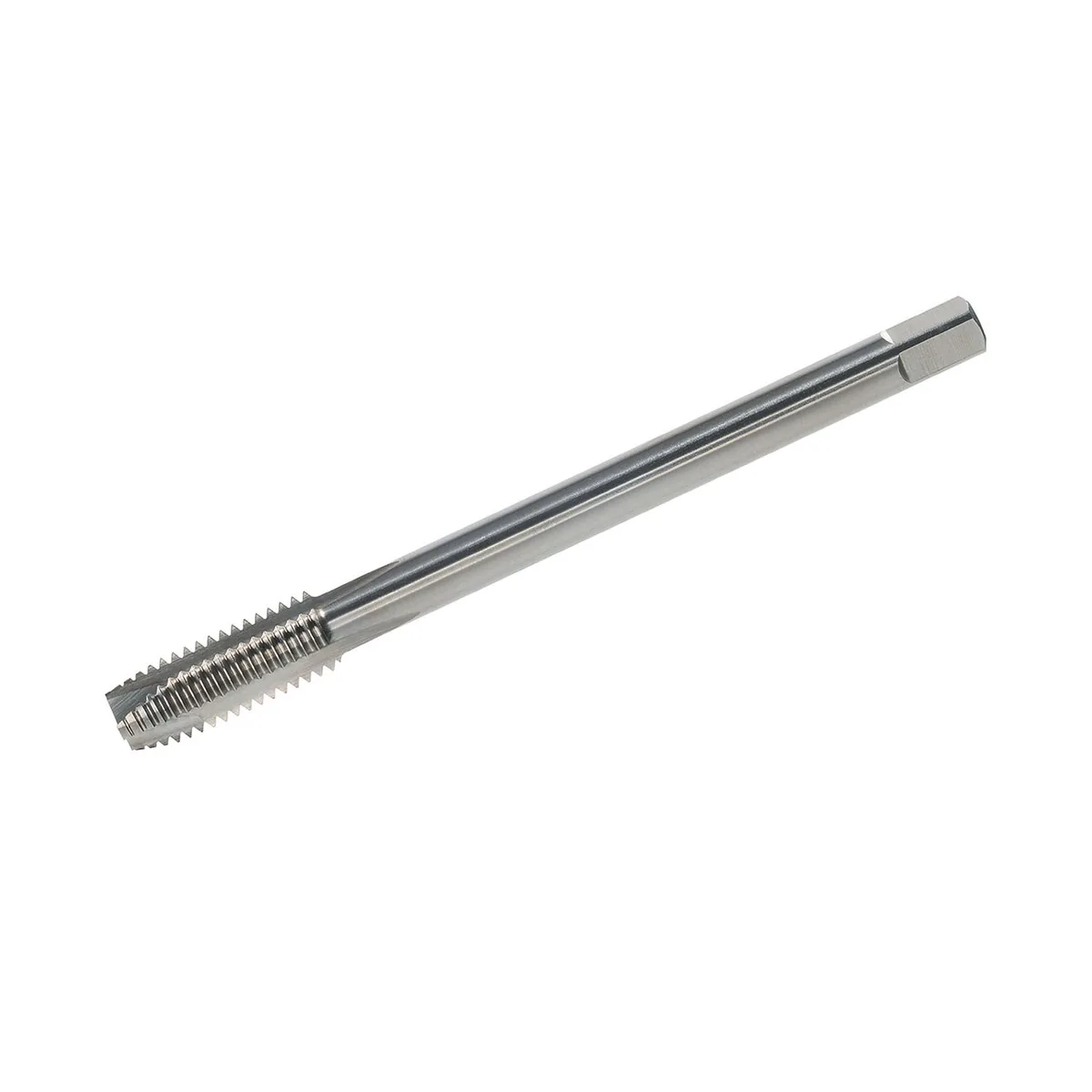
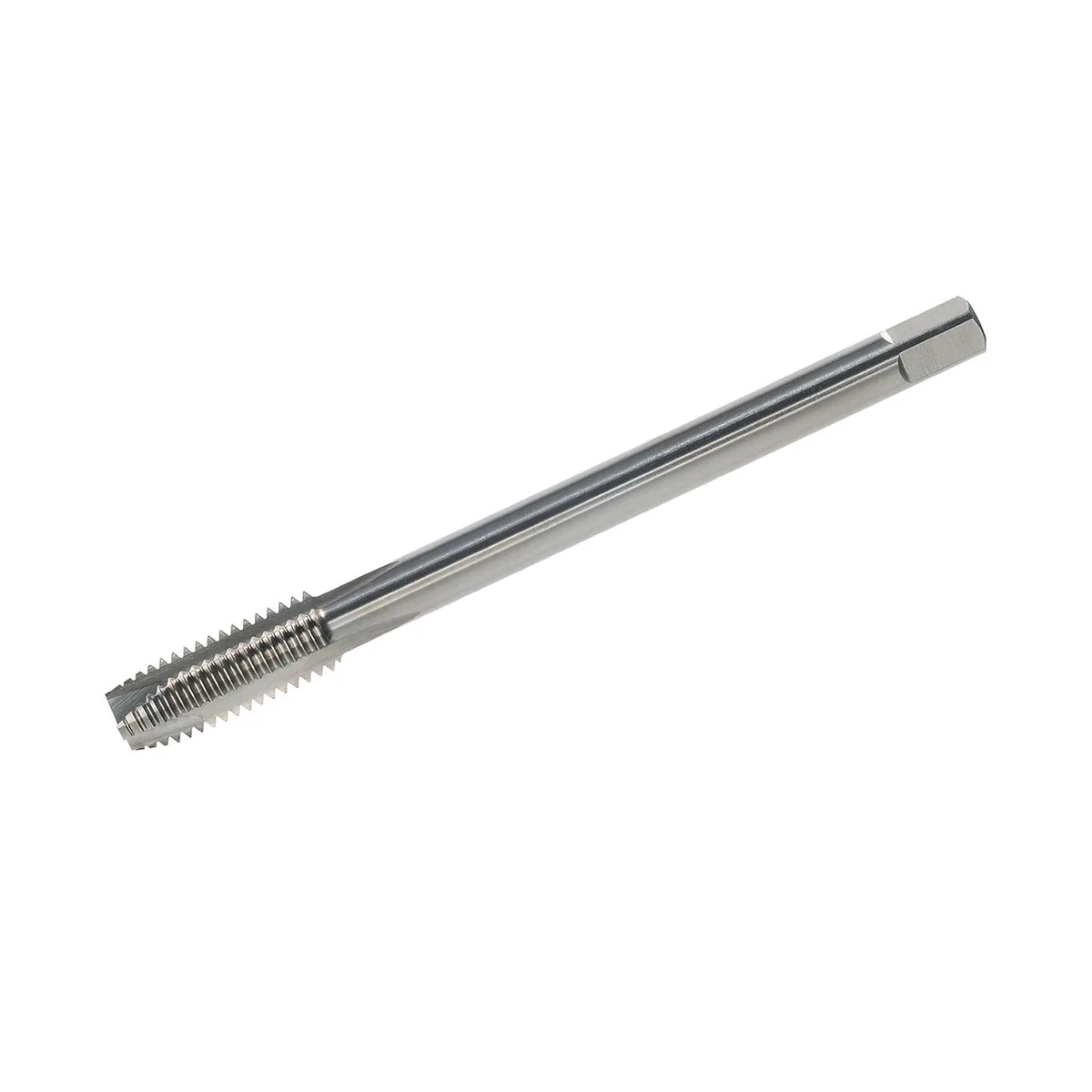
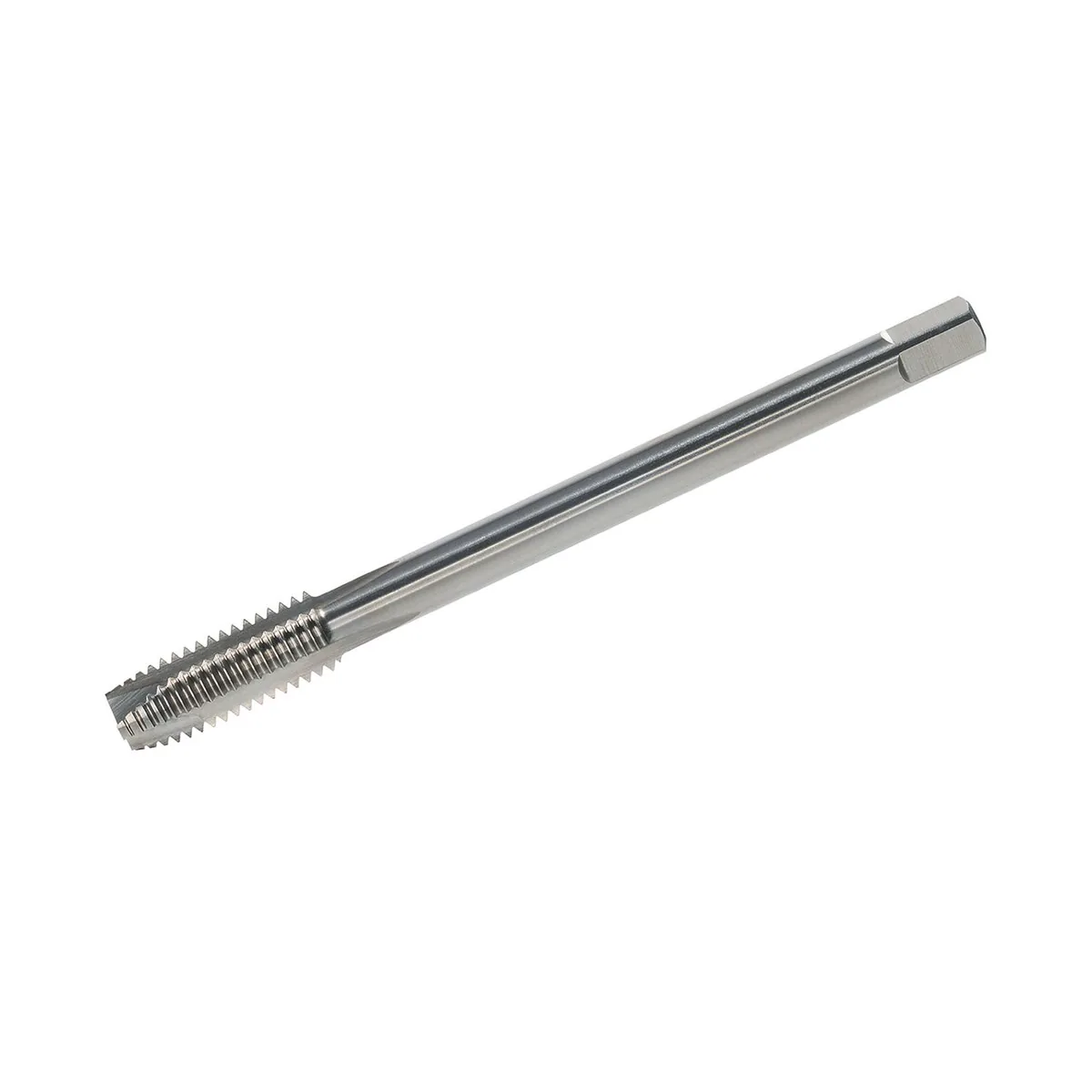
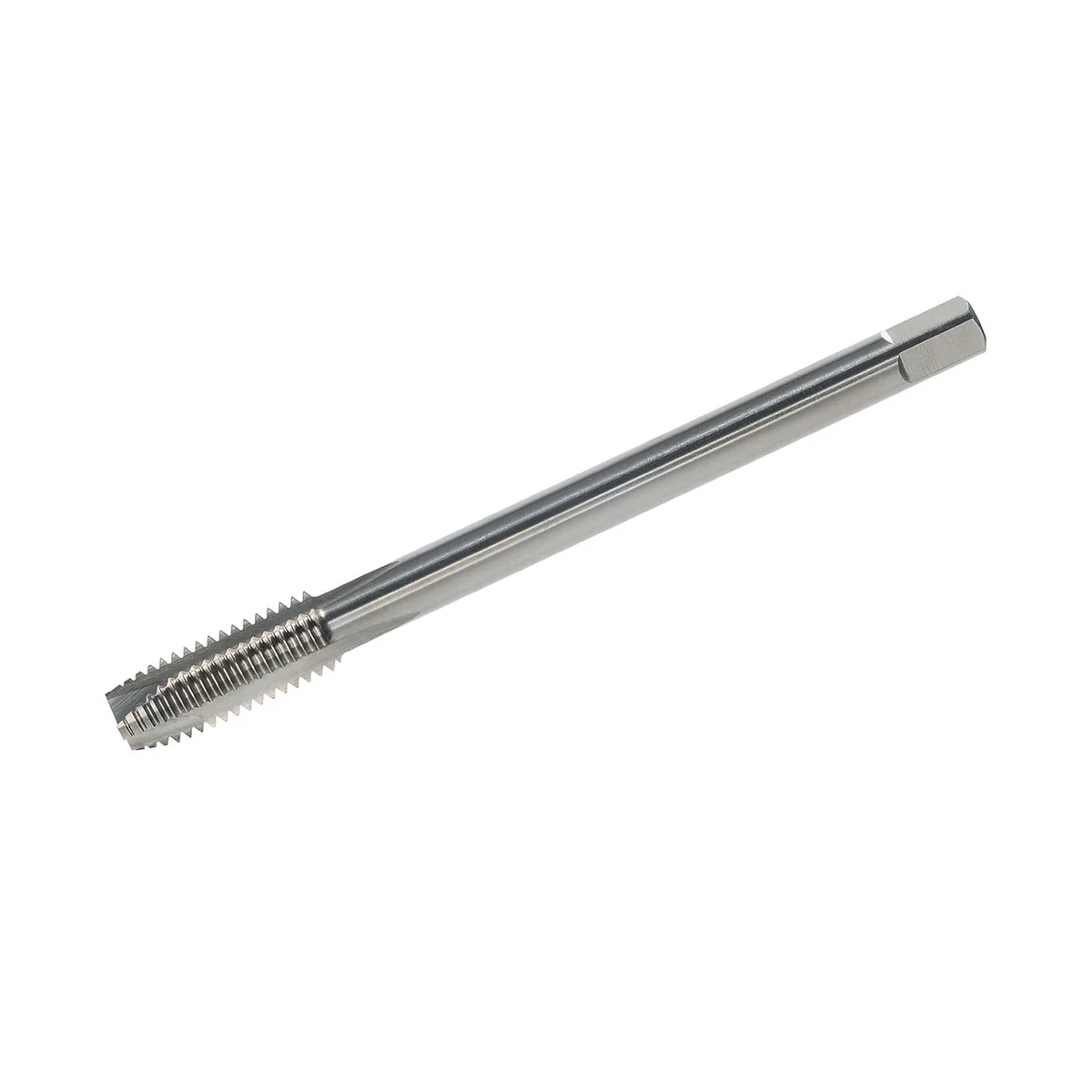
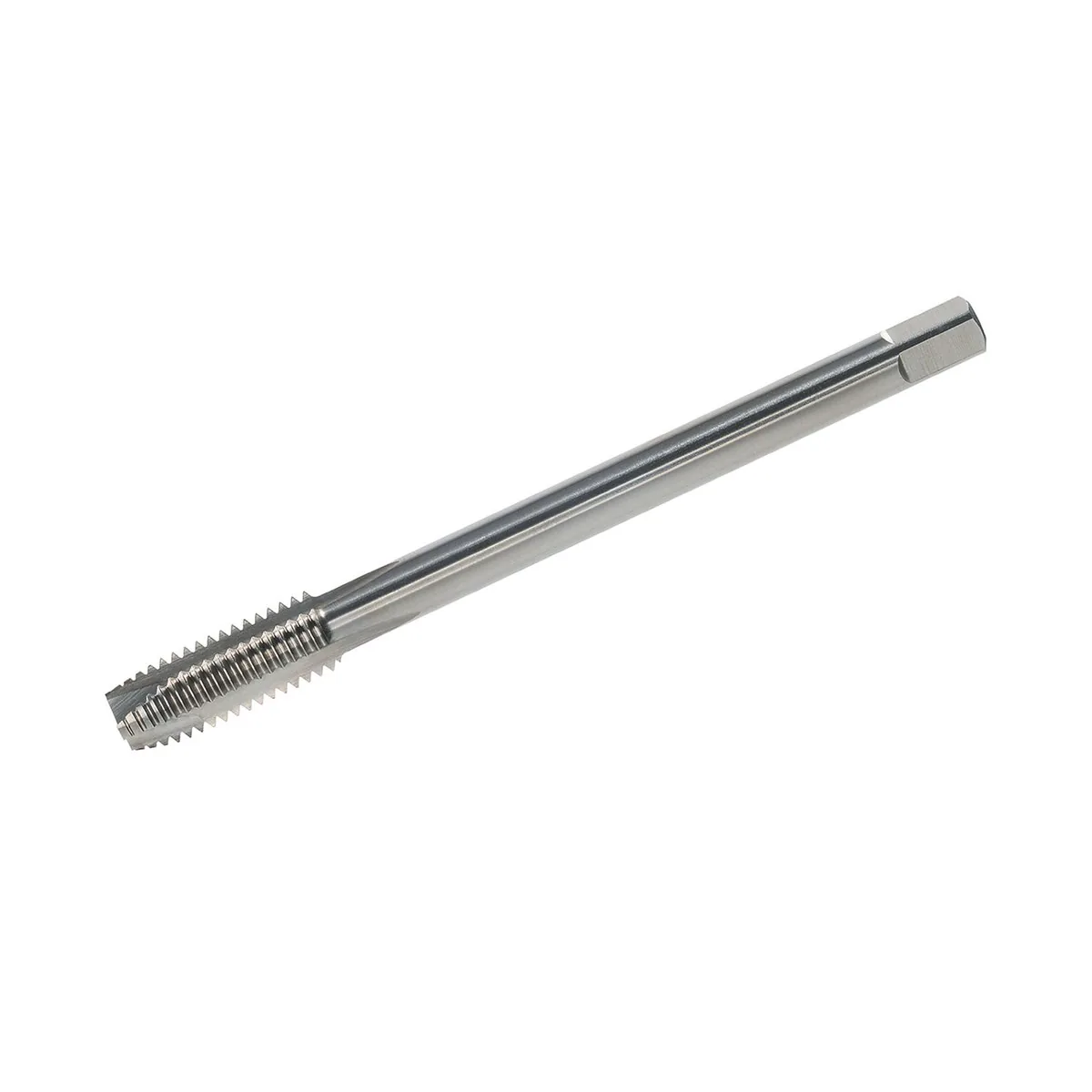
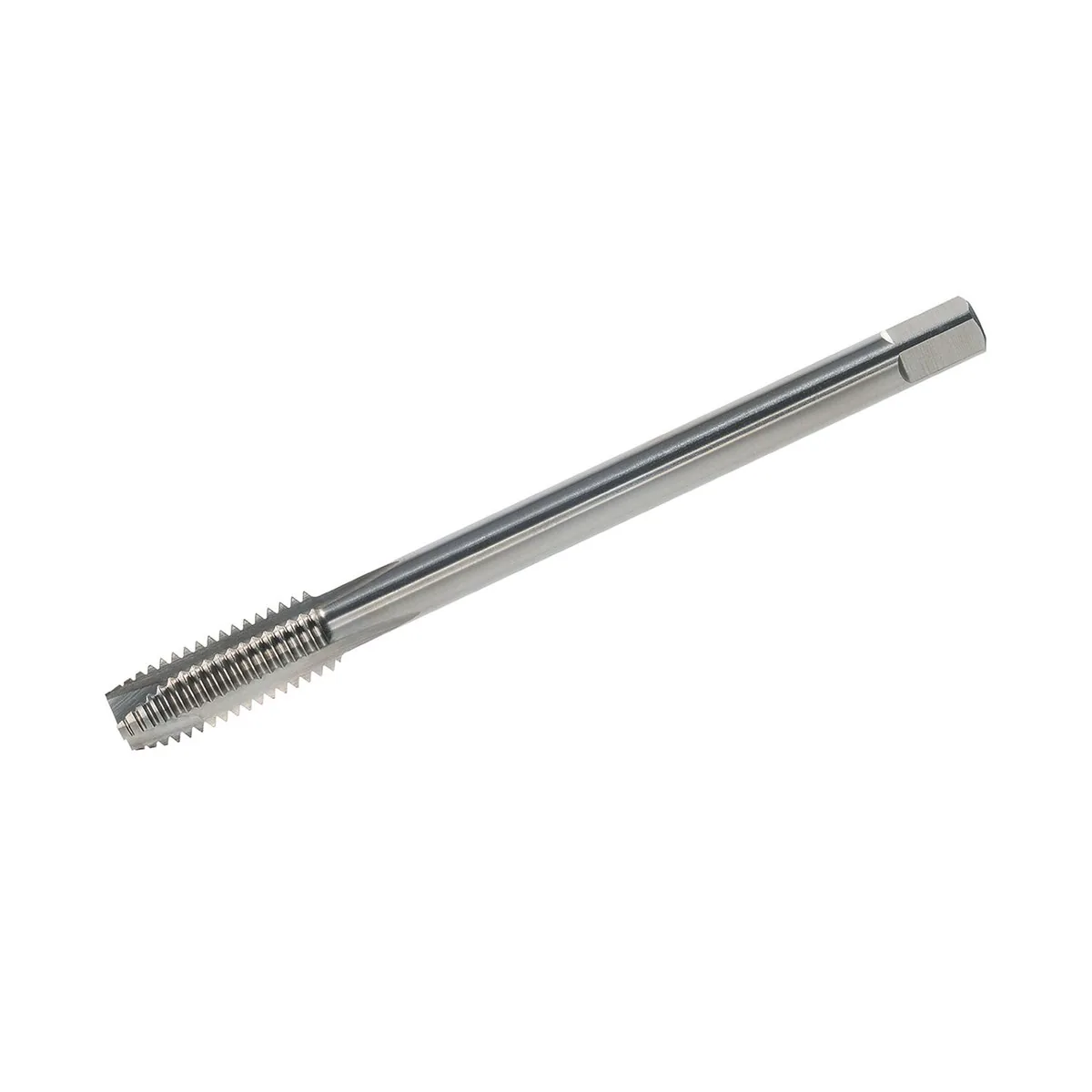
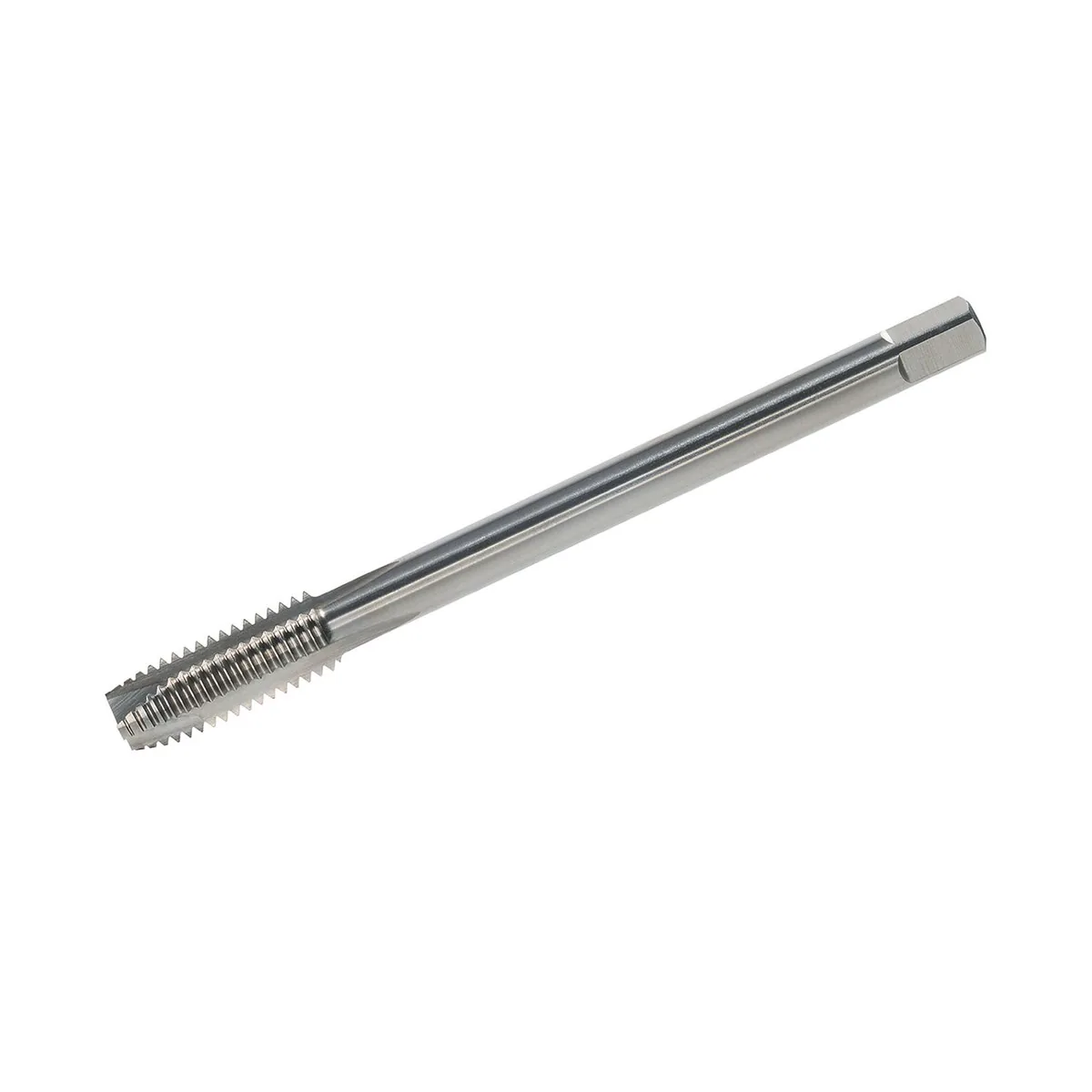
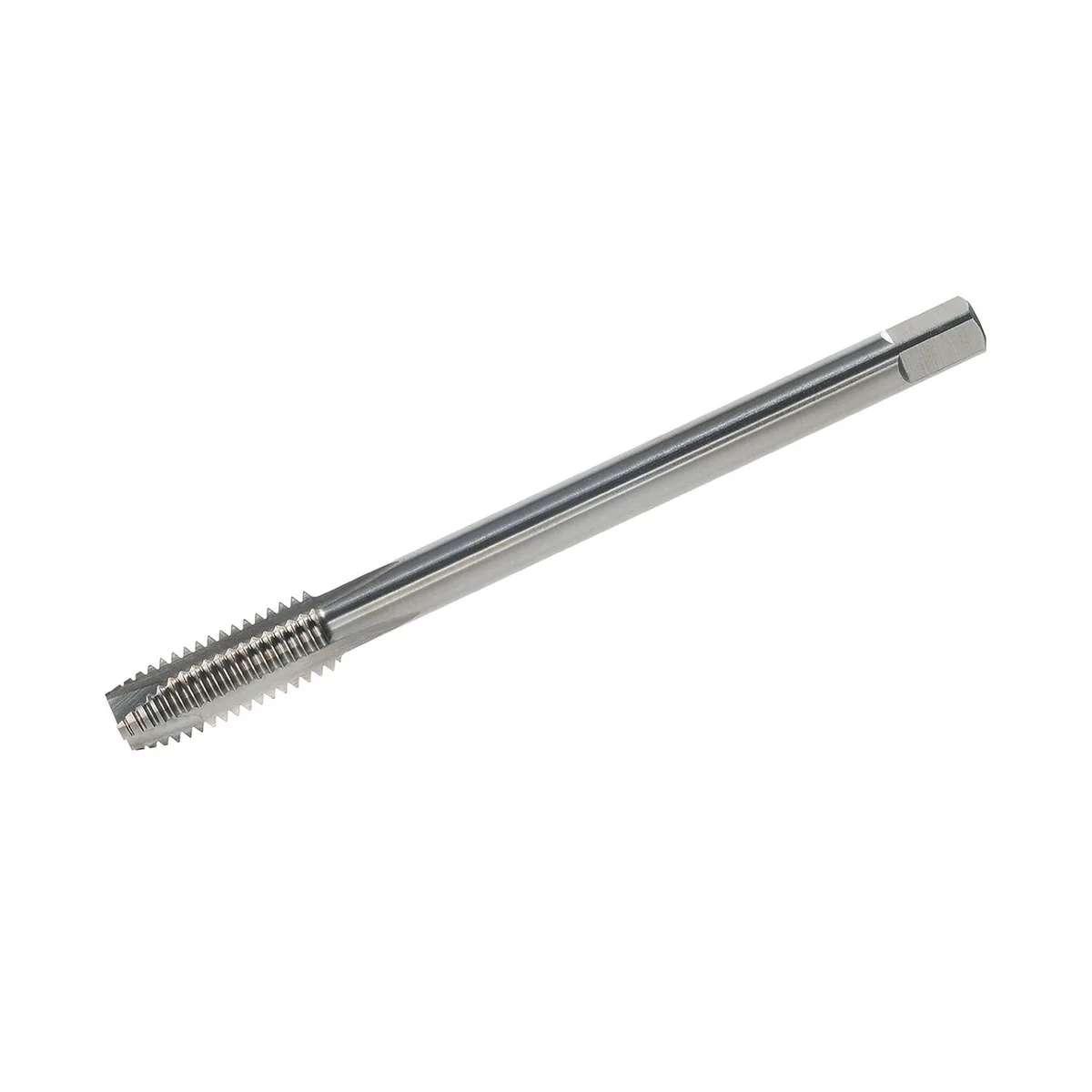
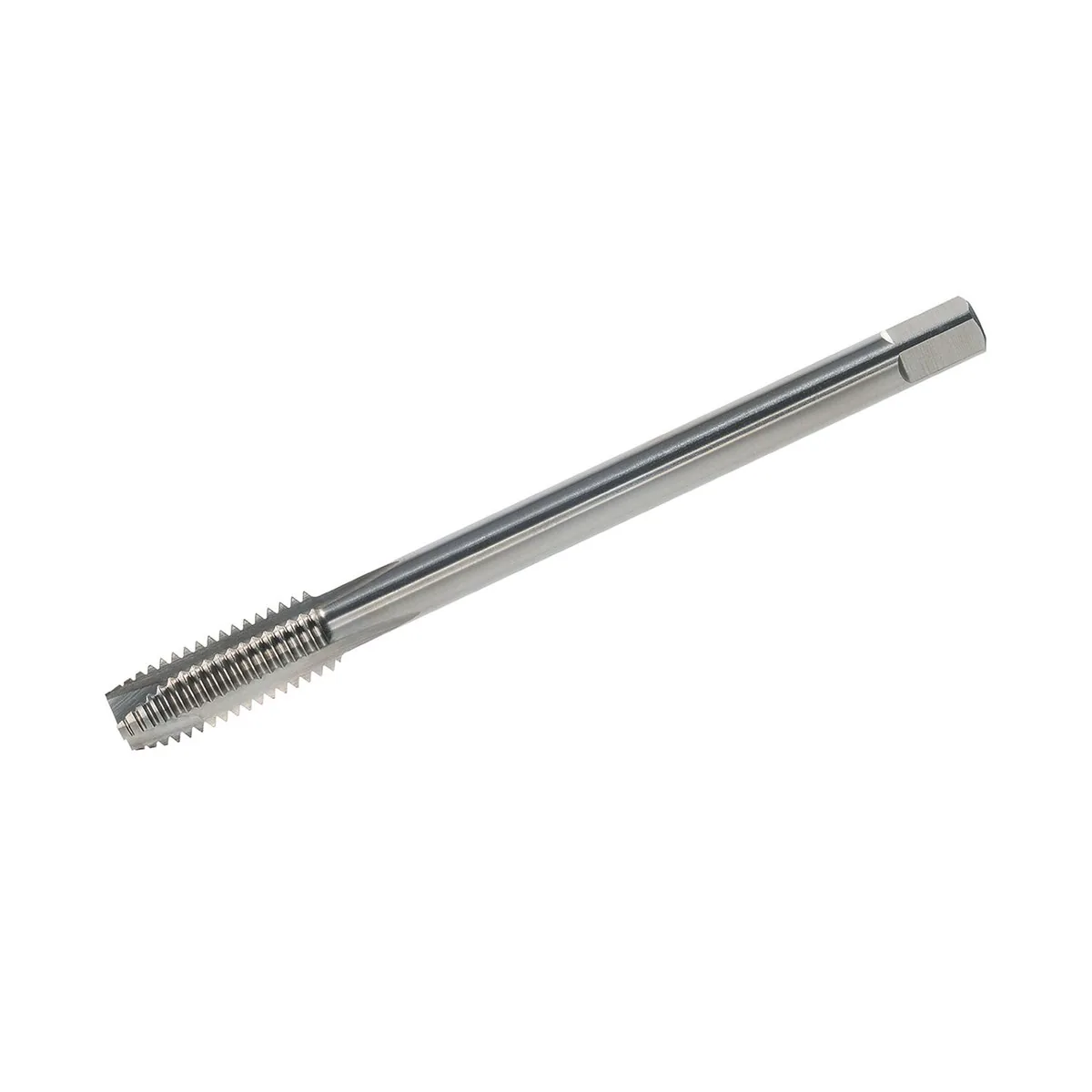
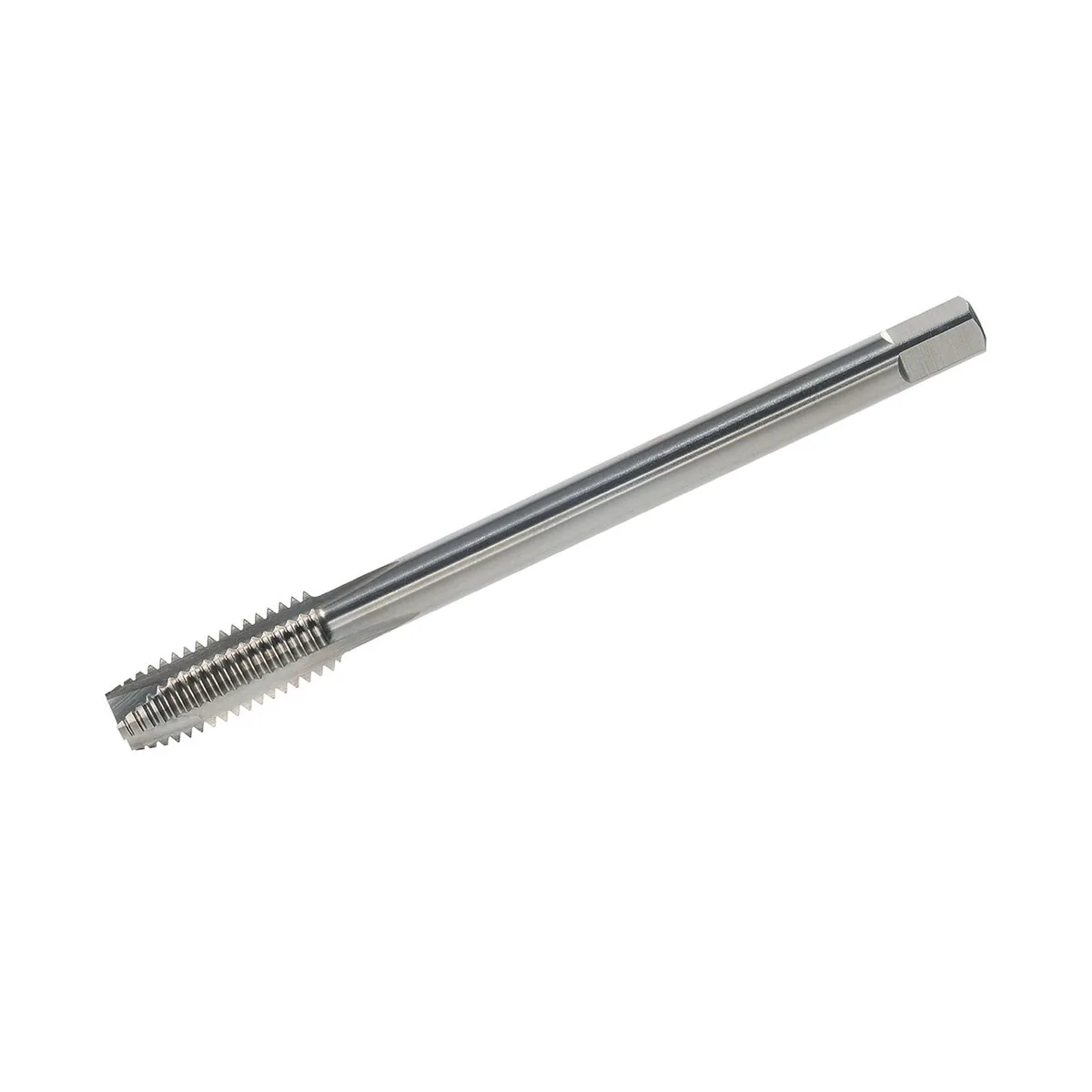
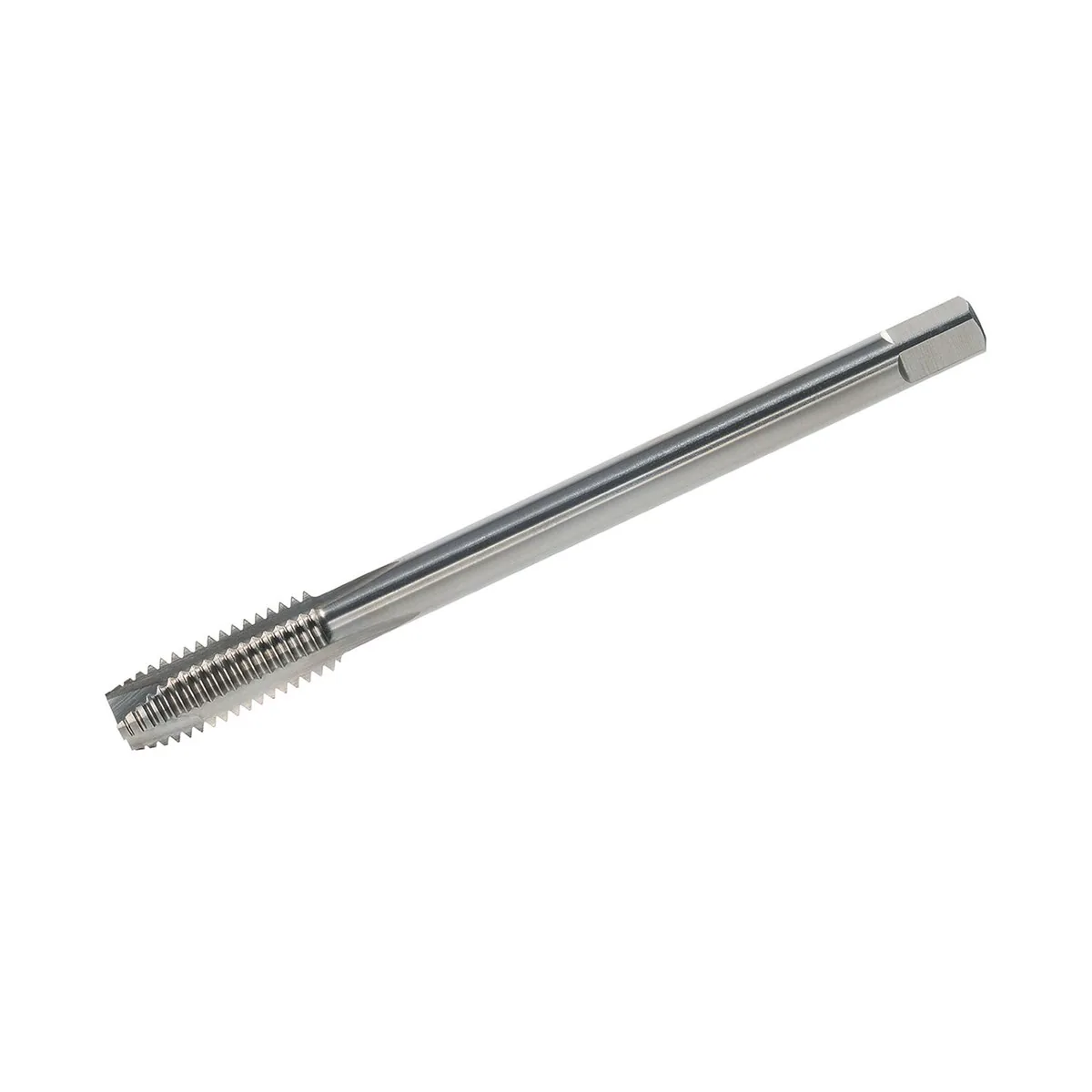
Mũi taro máy DIN 374 Form B HSSE ren trái - M 40 x 1.5 LH VÖLKEL, mã 34880, phù hợp cho gia công ren trong.

This Mũi taro máy supports controlled ren trong cutting when you run a stable setup with reliable alignment and lubrication. The execution follows DIN 374. The thread designation is M 40 x 1.5 LH.
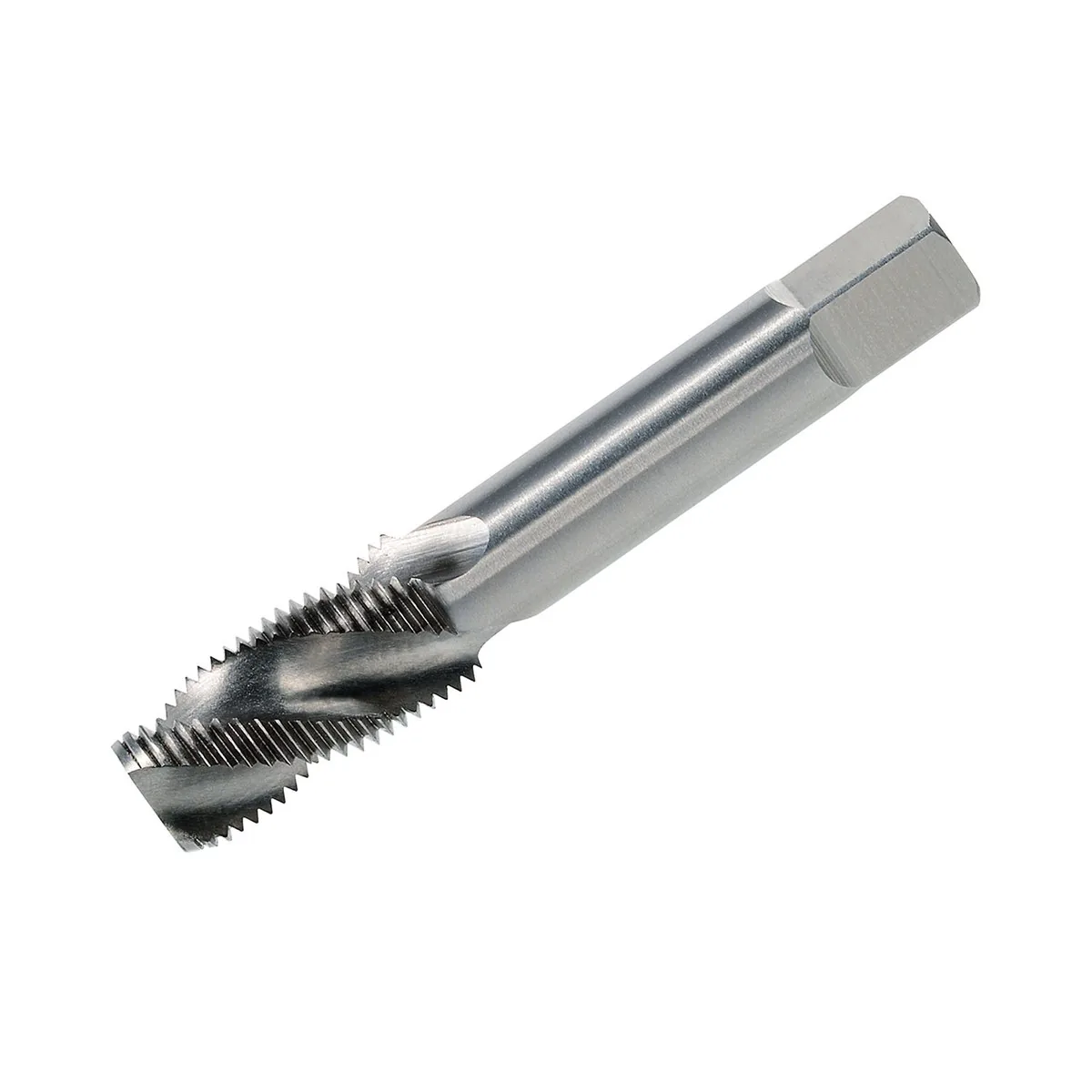
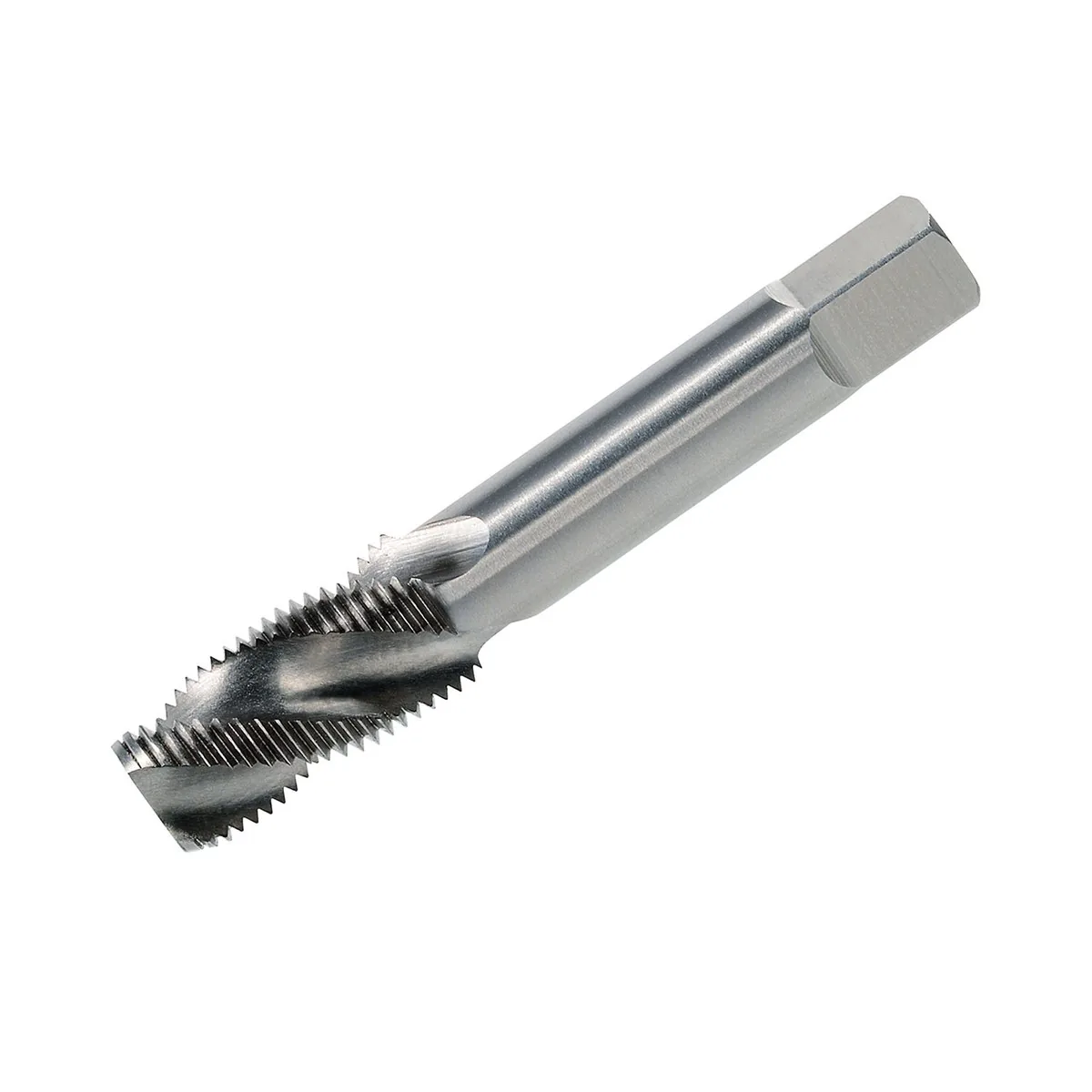
When the tool is specified with spiral flute or spiral point geometry, use that as your selection cue for chip transport direction and hole type.
Lưu ý Use cutting fluid suited to the workpiece material and keep the tool clean and protected after use.
Scope of supply is not specified in the provided product data for this item.
Do you need help selecting or using the product?
Use the biểu mẫu liên hệ.
| Loại ren | metric-fine ISO-thread |
|---|---|
| Tiêu chuẩn | DIN 374 |
| Form | Form B |
| Vật liệu | HSSE |
| Tolerance | ISO2 (6H) |
| Kích thước | M 40 x 1.5 LH |
| Overall length (L1) | 170 mm |
| Thread length (L2) | 30 mm |
| Core hole diameter (D1) | 38.5 mm |
| Shank diameter (D2) | 32.0 mm |
| Drive connector | 24.0 mm |
| EAN | 4022835348801 |
| Mã hàng | 34880 |
| Type of flute | straight fluted |
| Phạm vi ứng dụng | for through holes |
| Chuẩn ren | DIN 13 |