Áo sơ mi chạy bộ
 Bộ mũi khoan
 taro
Bộ mũi khoét
Bộ mũi khoan
Bộ mũi khoan taro
Bộ mũi khoét
 Bộ mũi taro ren trong
 Bộ sửa ren
 Bôi trơn cắt ren
Cặp taro máy + mũi khoan
Bôi trơn cắt ren
Cặp taro máy + mũi khoan
 Dụng cụ bẻ chân ren
 Dưỡng đo ren ngoai
 Dưỡng đo ren trong
Mũi doa vát mép
Mũi khoan kim loại
Dưỡng đo ren trong
Mũi doa vát mép
Mũi khoan kim loại
 Mũi taro cho ren cấy
Mũi taro ren trong
Mũi taro cho ren cấy
Mũi taro ren trong
 Ren cấy V-coil
 Taro ren máy
Taro ren tay
Tay cấy ren
Tay quay bàn ren
Tay quay taro trong
Taro ren máy
Taro ren tay
Tay cấy ren
Tay quay bàn ren
Tay quay taro trong
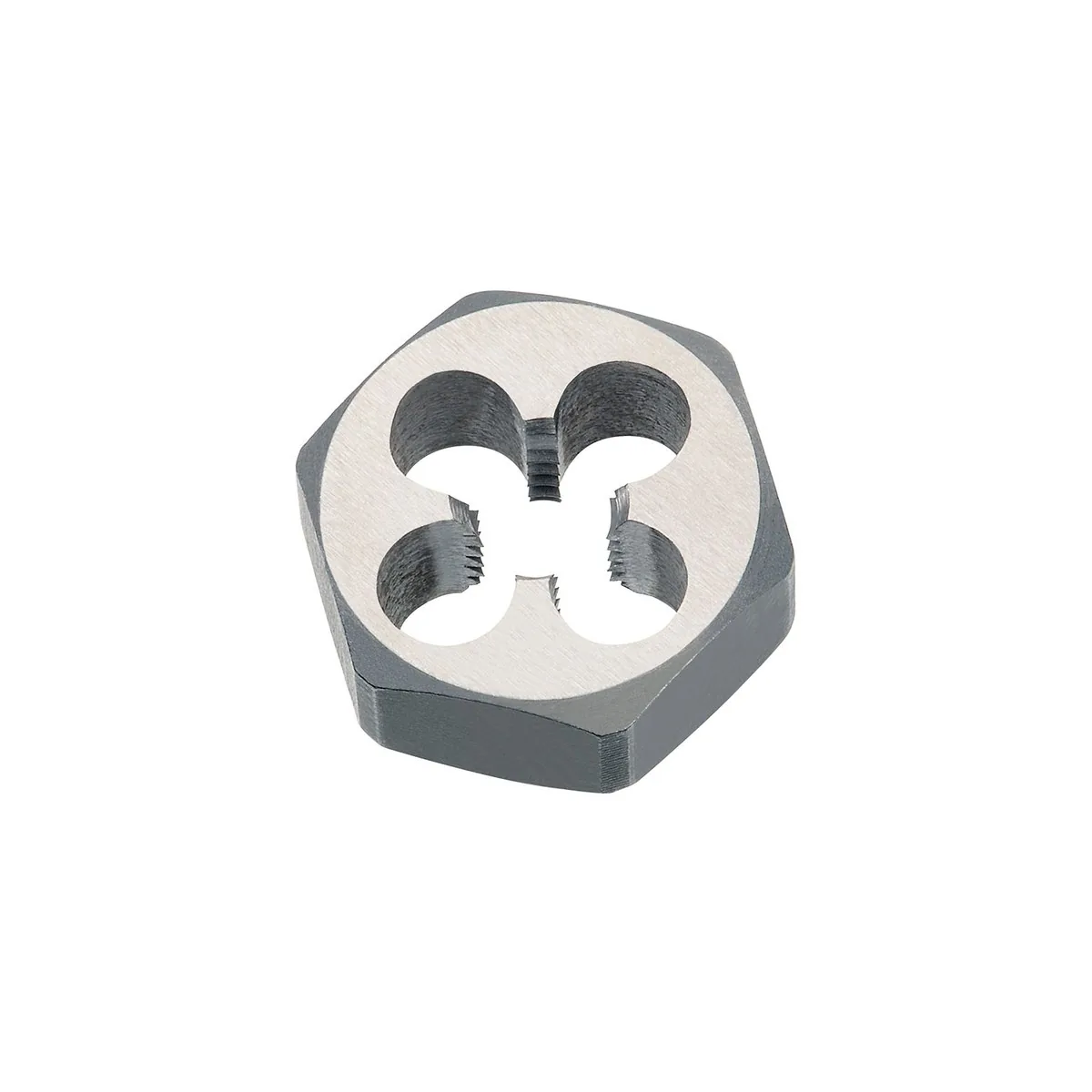

You apply this tool in mechanical engineering and repair work when controlled cắt ren is required. Choose the correct thread system and keep the tool square to avoid form errors.
BSPP identifies parallel British Standard Pipe threads that typically seal with a gasket or O-ring, not by thread taper. HSS indicates high speed thép, a common tool material for cắt ren in many steels and non-ferrous alloys.
Lưu ý Verify the workpiece preparation before you start and stop if torque increases unexpectedly.
Do you need help selecting or using the product?
Use the biểu mẫu liên hệ.
| Loại ren | Ren ống |
|---|---|
| Tiêu chuẩn | DIN 382 |
| Vật liệu | HSS |
| Tolerance | A |
| Kích thước | G (BSP) 1/4 x 19 LH |
| Width across flat | 36 mm |
| EAN | 4022835256144 |
| Mã hàng | 25614 |
| Chuẩn ren | DIN ISO 228 |
| Rec. Bolt diameter | 13.03 mm |